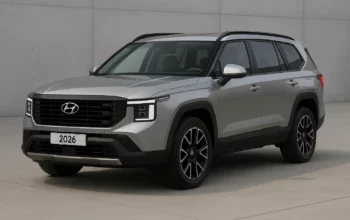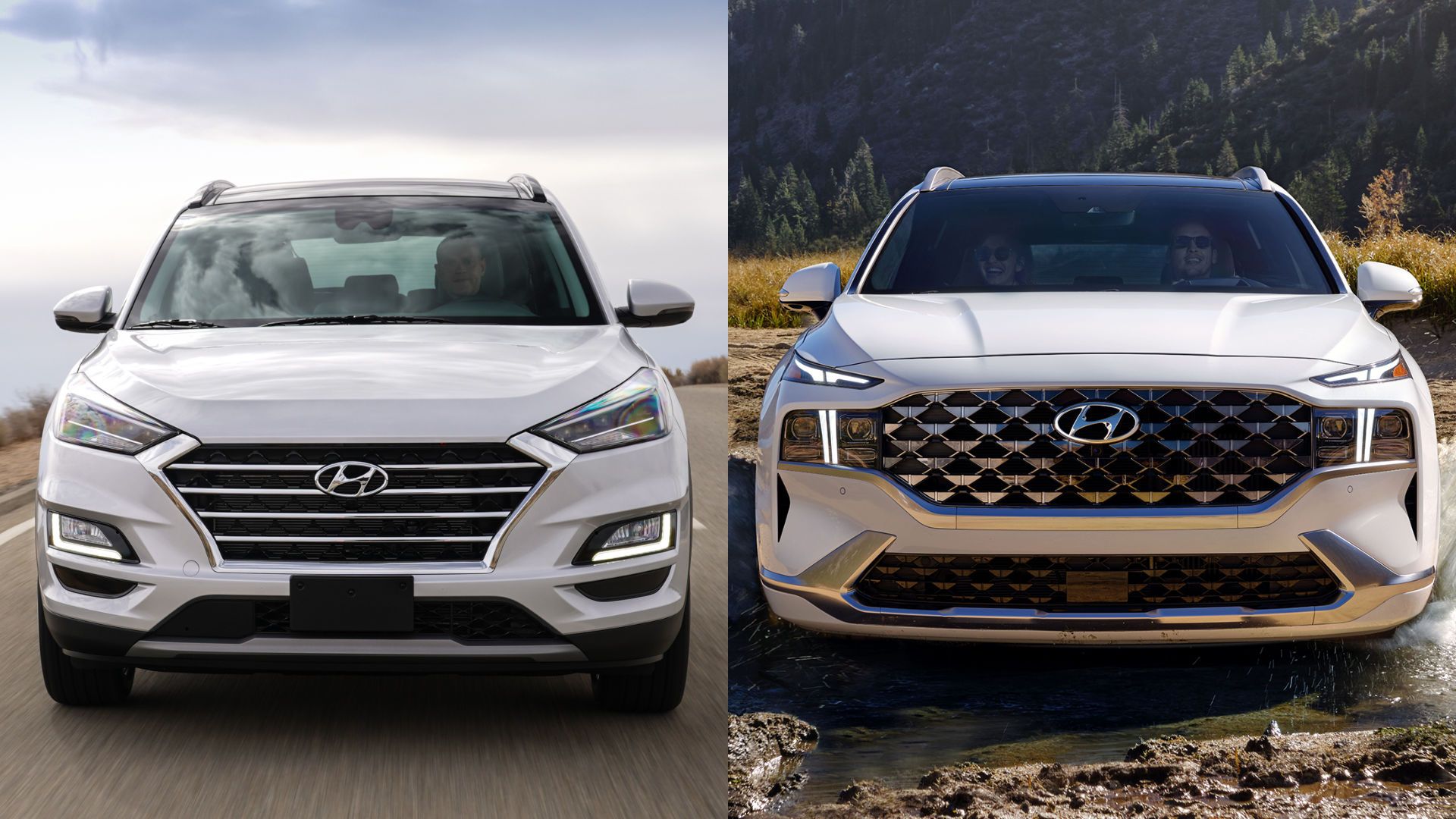
Winter’s icy grip tightens, and your SUV’s grip on the road shouldn’t falter. The 2026 Hyundai Tucson AWD and Santa Fe AWD stand as formidable contenders in the snow-battling arena, each offering a unique blend of capability, comfort, and cutting-edge technology. But which one reigns supreme when the flakes start to fall? Let’s dive into the intricacies of these two snow-ready titans to uncover which Hyundai SUV will keep you gliding through winter’s worst with confidence.
The choice between the Tucson and Santa Fe isn’t just about size—it’s about how each vehicle’s design, features, and driving dynamics align with your winter needs. Whether you’re navigating treacherous backroads, hauling gear for a weekend getaway, or simply commuting through slushy city streets, understanding the nuances of these AWD systems, interior comforts, and tech integrations will guide you to the perfect match. Buckle up as we explore the battle of the Hyundai snow warriors.
The AWD Architecture: Where Snow Meets Traction
The foundation of any winter-ready SUV lies in its all-wheel-drive system, and Hyundai’s engineers have crafted two distinct approaches for the Tucson and Santa Fe. The Tucson AWD employs a proactive torque distribution system, intelligently splitting power between the front and rear axles based on real-time road conditions. This dynamic response ensures optimal grip, whether you’re ascending a snow-covered incline or executing a sharp turn on black ice.
In contrast, the Santa Fe AWD features Hyundai’s HTRAC system, a more robust setup that defaults to a 60:40 front-to-rear torque split under normal conditions but can instantly adapt to a 50:50 split when slippage is detected. This versatility shines in deep snow or during sudden maneuvers, where the Santa Fe’s ability to channel power to all four wheels provides an edge. Both systems are paired with Hyundai’s electronic limited-slip differential (e-LSD), which further enhances cornering stability by selectively braking individual wheels to prevent understeer or oversteer.
For drivers who prioritize off-road prowess, the Santa Fe’s HTRAC system offers a dedicated “AWD Lock” mode, locking the torque split at 50:50 for maximum traction in extreme conditions. The Tucson, while lacking this feature, compensates with a more fuel-efficient AWD setup that seamlessly transitions between two-wheel and all-wheel drive, making it ideal for those who split their time between city driving and occasional winter adventures.
Ground Clearance and Approach Angles: Clearing the Path Ahead
When the snow piles high, ground clearance becomes your first line of defense against getting stuck. The 2026 Santa Fe AWD boasts an impressive 8.2 inches of ground clearance, towering over the Tucson’s 6.4 inches. This extra clearance allows the Santa Fe to plow through deeper snowdrifts without scraping the undercarriage, making it a better choice for rural roads or unplowed parking lots.

The Santa Fe’s advantage extends to its approach and departure angles, measuring 17.1 and 20.1 degrees respectively, compared to the Tucson’s 16.5 and 18.5 degrees. These angles determine how steeply the vehicle can climb or descend without risking damage to the front or rear bumpers. For adventurers who frequent mountainous regions or steep driveways, the Santa Fe’s geometry provides an added layer of security.
That said, the Tucson’s lower stance doesn’t render it obsolete in snowy conditions. Its compact footprint allows for easier maneuverability in tight spaces, such as urban parking garages or narrow mountain roads. If your winter escapades involve more city driving than off-road exploration, the Tucson’s balance of agility and capability may be the smarter pick.
Interior Comfort and Tech: The Warmth of Innovation
Winter driving isn’t just about getting from point A to point B—it’s about arriving in comfort and style. The Santa Fe’s cabin is a sanctuary of plush materials, with available Nappa leather seats, ventilated front and rear seats, and a dual-zone automatic climate control system that banishes icy drafts in seconds. The Tucson counters with a more minimalist yet equally cozy interior, featuring heated front seats, a heated steering wheel, and Hyundai’s Bluelink connected services for remote pre-conditioning.
Both SUVs come equipped with Hyundai’s latest infotainment systems, but the Santa Fe’s 12.3-inch touchscreen display outshines the Tucson’s 10.25-inch unit in terms of resolution and user interface fluidity. The Santa Fe also offers a larger 10.25-inch digital instrument cluster, providing crisp, customizable readouts for speed, navigation, and vehicle diagnostics. For those who value a tech-forward cockpit, the Santa Fe’s digital cockpit is a compelling upgrade.
Noise insulation is another critical factor in winter comfort. The Santa Fe’s cabin is meticulously soundproofed, with acoustic glass and additional insulation layers that mute the howl of winter winds and the crunch of tires on snow. The Tucson, while quieter than its predecessors, can’t quite match the Santa Fe’s hushed ambiance, making it slightly more prone to road and wind noise during long drives.
Towing and Hauling: When Winter Demands More
If your winter adventures involve towing a trailer, a snowmobile, or a fleet of skis, the Santa Fe AWD steps up as the more capable option. With a maximum towing capacity of 3,500 pounds when properly equipped, it eclipses the Tucson’s 2,000-pound limit. This makes the Santa Fe ideal for families who need to haul gear for a weekend at the lodge or for those who rely on their SUV for utility purposes.
The Santa Fe’s towing prowess is bolstered by its robust cooling system, which includes an integrated trailer brake controller and a heavy-duty radiator. The Tucson, while not designed for heavy towing, can still handle light loads like a small camper or a pair of snowboards, making it suitable for casual winter outings.
For those who prioritize cargo space over towing, the Santa Fe’s 86.4 cubic feet of maximum cargo volume (with rear seats folded) dwarfs the Tucson’s 61.9 cubic feet. This extra space is invaluable for storing winter gear, groceries, or holiday luggage, ensuring you’re never cramped on the drive to grandma’s house.
Safety Features: The Invisible Shield Against Winter Hazards
Hyundai’s commitment to safety is evident in both the Tucson and Santa Fe, but the latter packs a more comprehensive suite of winter-specific features. The Santa Fe AWD comes standard with Hyundai SmartSense, a suite of advanced driver-assistance systems (ADAS) that includes Blind-Spot Collision-Avoidance Assist, Rear Cross-Traffic Collision-Avoidance Assist, and Highway Driving Assist. These systems are particularly useful in snowy conditions, where reduced visibility and slippery roads increase the risk of accidents.
The Tucson, while not lacking in safety tech, offers a more streamlined package. Its standard features include Forward Collision-Avoidance Assist, Lane Keeping Assist, and Driver Attention Warning, but it misses out on some of the Santa Fe’s more advanced capabilities, such as Surround-View Monitor and Highway Driving Assist II. For families navigating icy highways or unfamiliar roads, the Santa Fe’s additional safety net provides invaluable peace of mind.
Both SUVs are equipped with Hyundai’s Electronic Stability Control (ESC) and Traction Control System (TCS), which work in tandem to prevent skidding and loss of control. Additionally, their standard LED headlights with adaptive lighting ensure optimal visibility in low-light winter conditions, while available LED fog lights further enhance peripheral vision on snowy nights.
Fuel Efficiency and Cost of Ownership: The Long-Term Winter Investment
Winter driving often comes with a hidden cost: reduced fuel efficiency due to cold weather, snow tires, and increased idling. The 2026 Tucson AWD, with its lighter curb weight and more efficient AWD system, delivers an EPA-estimated 25 city / 31 highway MPG, making it the more economical choice for daily commuters. The Santa Fe AWD, while slightly thirstier at 22 city / 28 highway MPG, compensates with its larger fuel tank (21.9 gallons vs. the Tucson’s 15.3 gallons), reducing the frequency of winter fill-ups.
When it comes to maintenance, both SUVs are backed by Hyundai’s industry-leading 5-year/60,000-mile basic warranty and 10-year/100,000-mile powertrain warranty, ensuring long-term reliability. However, the Santa Fe’s more complex HTRAC system may require slightly more frequent fluid changes and inspections, particularly if you frequently drive in extreme winter conditions. The Tucson’s simpler AWD setup, while less capable in deep snow, offers lower long-term ownership costs.
Insurance premiums can also vary between the two models. The Santa Fe’s higher trim levels and larger size may result in slightly higher insurance costs, but its advanced safety features could offset some of these expenses through potential discounts. The Tucson, being more affordable to insure, is an attractive option for budget-conscious buyers who still want AWD capability.
Final Verdict: Which Hyundai AWD SUV Conquers Winter Best?
The choice between the 2026 Hyundai Tucson AWD and Santa Fe AWD ultimately hinges on your winter priorities. If you seek a versatile, fuel-efficient SUV for city driving and light snow, the Tucson AWD is a nimble and economical pick. Its compact size, efficient AWD system, and lower cost of ownership make it ideal for urban dwellers who want winter-ready capability without sacrificing agility.
For those who demand maximum traction, towing capacity, and cabin comfort, the Santa Fe AWD emerges as the undisputed champion. Its superior ground clearance, advanced AWD system, and comprehensive safety features make it the perfect companion for harsh winter conditions, whether you’re navigating icy highways or hauling gear for a family getaway.
Whichever you choose, both the Tucson and Santa Fe AWD deliver Hyundai’s signature blend of reliability, innovation, and winter-ready performance. The snow may fall, but your confidence behind the wheel won’t waver.