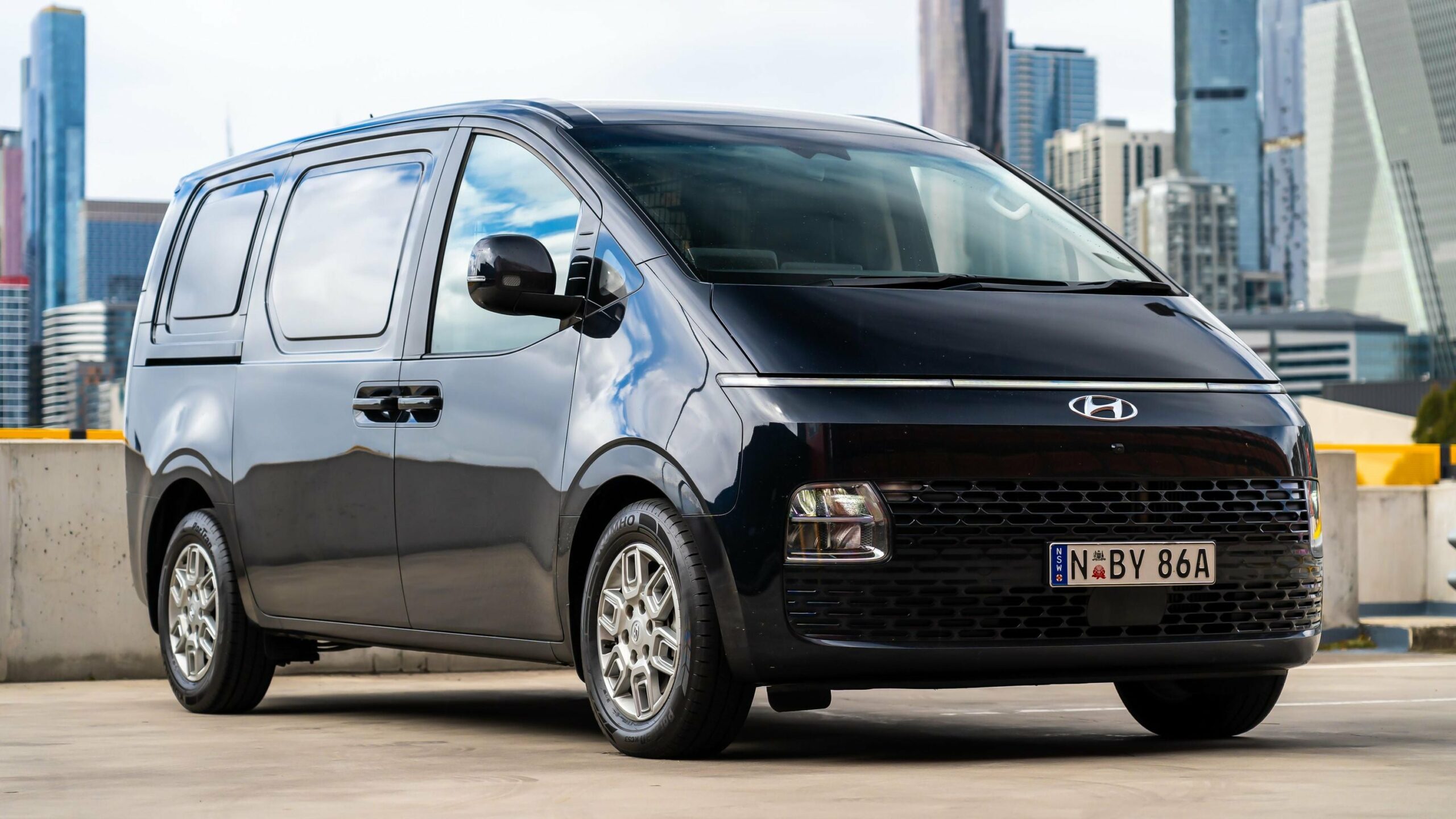
The Hyundai Staria isn’t just another minivan—it’s a bold reimagining of what a people-mover can be. With its futuristic silhouette, cavernous interior, and tech-forward cabin, this vehicle dares to challenge the staid conventions of the segment. As Hyundai’s global flagship for mobility, the Staria blends practicality with avant-garde design, making it a compelling proposition for families, adventurers, and urban commuters alike. But does it truly belong in the U.S. market, where minivans have long been dismissed as relics of a bygone era? Let’s dive into what makes the Staria a game-changer—and whether it’s the right fit for American roads.

The Staria’s Striking Design: A Van That Doesn’t Apologize for Its Presence
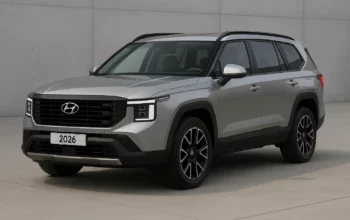
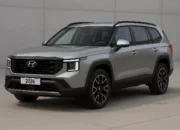
The first thing you notice about the Staria is its sheer audacity. Unlike the boxy, utilitarian minivans of yesteryear, this vehicle sports a spaceship-inspired aesthetic, with sharp, angular lines and a panoramic windshield that gives it the presence of a luxury coach rather than a family hauler. The front fascia is dominated by Hyundai’s parametric grille, a digital-looking mesh that hints at the brand’s electric future. Even the headlights are unconventional—slim, LED strips that stretch toward the fenders like futuristic eyebrows.
But the Staria isn’t just about looks. Its sliding rear doors are a masterclass in functionality, opening wide to reveal a cabin that feels more like a lounge than a van. The roofline swoops upward, creating headroom that’s almost SUV-like, while the wheel arches are tucked in to maximize interior space. Whether parked in a suburban driveway or cruising down a city street, the Staria commands attention—not because it’s trying too hard, but because it refuses to blend in.
Interior: Where Space Meets Sophistication
Step inside, and the Staria’s interior is a revelation. The cabin is a symphony of light and air, thanks to the massive glass roof that floods the space with natural light. The seats are arranged in a 2-2-2 or 2-3-2 configuration, depending on the trim, with the middle row swiveling 90 degrees to face the rear. This isn’t just a minivan—it’s a mobile living room, perfect for road trips, movie nights, or even remote work.
The dashboard is a futuristic tableau of dual 10.25-inch digital displays, with the driver’s cluster housing a customizable interface that can switch between analog and digital gauges. The center console is a floating tablet-like panel, housing the infotainment system and climate controls. Materials are a mix of soft-touch plastics, leather, and metallic accents, giving the Staria a premium feel that belies its practical roots.
But the real magic happens in the rear. The Staria’s sliding doors open to a cavernous cargo area that can swallow everything from strollers to skis. Fold the seats flat, and you’ve got a space that rivals some small SUVs. The floor is flat, and the seats slide forward or backward to accommodate everything from a family of seven to a pair of mountain bikes. It’s the kind of versatility that makes the Staria feel like a Swiss Army knife on wheels.
Performance and Drivability: More Than Just a People Mover
Under the hood, the Staria offers a choice of powertrains, depending on the market. In its home region, it’s available with a turbocharged 2.2-liter diesel or a 3.5-liter V6 gasoline engine, paired with an eight-speed automatic transmission. But for the U.S., Hyundai would likely bring over the 2.5-liter turbocharged four-cylinder engine, producing around 280 horsepower and 311 lb-ft of torque. This setup delivers brisk acceleration and a top speed of 112 mph, making the Staria surprisingly sprightly for a van.
The ride is smooth and composed, with a suspension tuned for comfort rather than sportiness. The Staria glides over potholes and undulates over highway expansion joints with ease, while the electric power steering provides a reassuringly weighted feel. The turning circle is tight for a vehicle of its size, making it surprisingly nimble in urban environments. And with available all-wheel drive, the Staria can handle light off-road excursions or snowy drives without breaking a sweat.
Fuel economy is where the Staria shines. Despite its size, the turbocharged engine returns around 22 mpg in the city and 28 mpg on the highway, thanks to Hyundai’s efficient transmission and aerodynamic design. That’s competitive with many midsize SUVs, proving that you don’t have to sacrifice efficiency for space.
Tech and Safety: A Van for the Digital Age
The Staria is packed with tech that would make even luxury car buyers envious. The infotainment system runs on Hyundai’s latest software, with Apple CarPlay, Android Auto, and a host of connected services. There’s even a 10.25-inch rear-seat entertainment system with wireless headphones, turning the Staria into a rolling cinema for the kids—or a productivity hub for adults.
Safety is another area where the Staria excels. Hyundai’s SmartSense suite of driver-assistance features includes adaptive cruise control, lane-keeping assist, blind-spot monitoring, and a 360-degree camera. The vehicle also comes standard with forward collision warning, automatic emergency braking, and a host of other features designed to keep occupants safe. In crash tests, the Staria has earned top marks from organizations like Euro NCAP, a testament to Hyundai’s commitment to safety.
But the Staria’s tech isn’t just about gadgets—it’s about creating a seamless, intuitive experience. The voice recognition system is surprisingly accurate, and the digital key allows you to unlock and start the vehicle using your smartphone. It’s the kind of tech that makes you wonder why more vans aren’t this advanced.
Is the Staria Right for the U.S. Market?
The big question, of course, is whether the Staria can succeed in a market where minivans have long been relegated to the sidelines. The answer is a resounding yes—but with a few caveats. The Staria’s futuristic design and premium features make it a compelling alternative to SUVs, which dominate the U.S. market. For families who need space but don’t want to drive a tank-like SUV, the Staria is a breath of fresh air.
That said, the Staria faces an uphill battle in a country where minivans are often seen as uncool. Hyundai will need to market the Staria aggressively, emphasizing its tech, comfort, and versatility rather than its practicality. The brand will also need to address concerns about fuel economy and resale value, two areas where minivans have traditionally lagged behind SUVs.
But if Hyundai can pull it off, the Staria could be the vehicle that finally convinces American families to reconsider the minivan. It’s not just a van—it’s a statement. A statement that mobility doesn’t have to be boring, that space doesn’t have to come at the expense of style, and that the future of family transportation might just be a lot more exciting than we thought.
For adventurers, the Staria offers a mobile basecamp. For commuters, it’s a rolling office. For families, it’s a home on wheels. And for everyone else, it’s a reminder that sometimes, the most practical vehicles are also the most extraordinary.