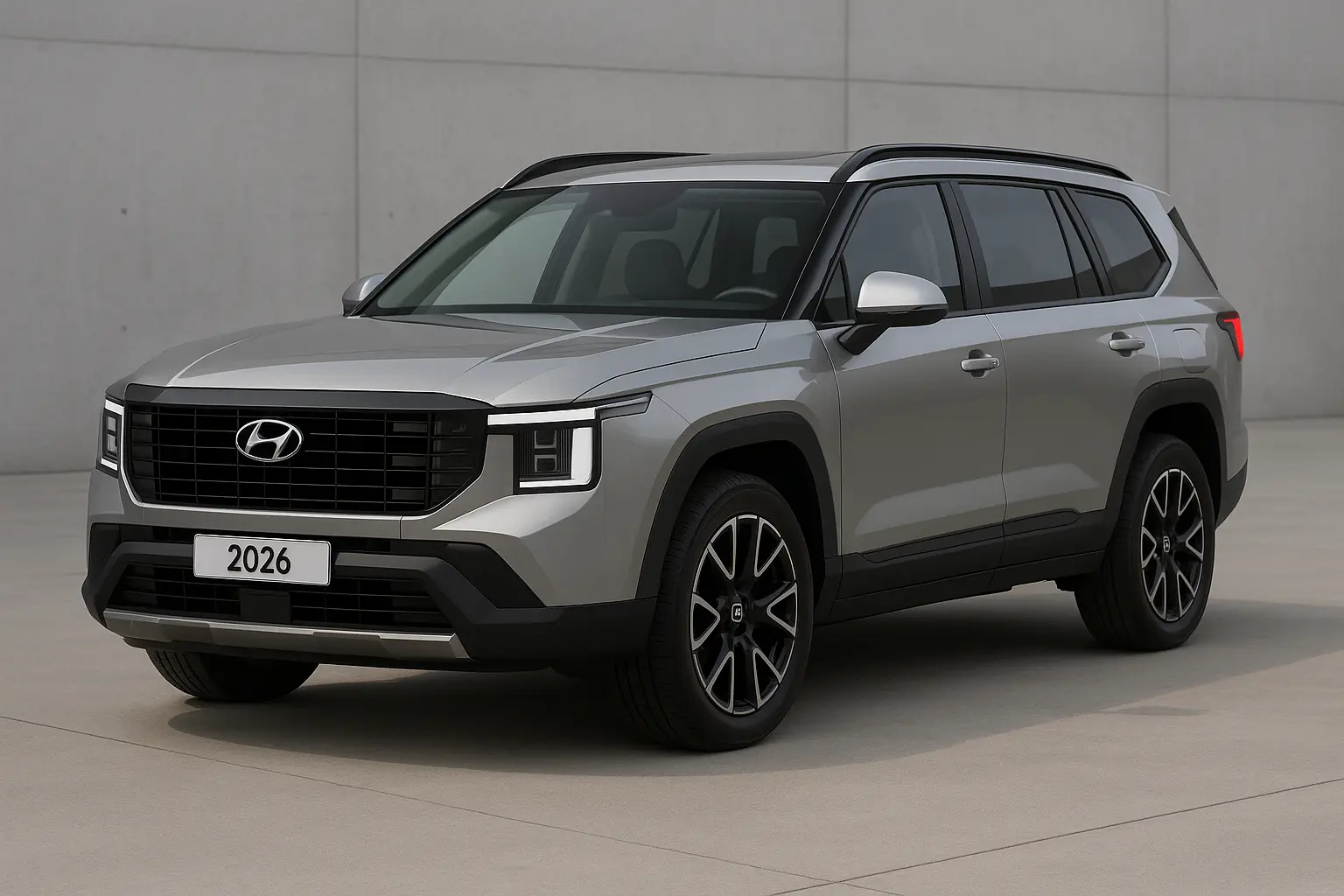
The 2026 Hyundai Santa Fe Hybrid arrives with bold promises—efficiency that defies expectations, a cabin that whispers luxury, and a powertrain that dances between gasoline and electric seamlessly. But how does its real-world fuel economy stack up against the EPA’s lofty projections? Buckle up, because we’re about to dissect the numbers, the nuances, and the nitty-gritty of what this hybrid SUV truly delivers on the open road.
Whether you’re a hypermiler chasing every last mile per gallon, a family hauler logging endless highway miles, or a tech enthusiast enamored with the latest hybrid tech, this breakdown will arm you with the insights you need. From stop-and-go city driving to cross-country cruising, we’ll explore how the Santa Fe Hybrid’s real-world performance measures up to its EPA ratings—and where it might pleasantly surprise you.
The EPA Ratings: A Glimpse of What’s Possible
The Environmental Protection Agency (EPA) has bestowed the 2026 Hyundai Santa Fe Hybrid with impressive fuel economy estimates: 39 MPG city / 34 MPG highway / 37 MPG combined. These numbers place it in the upper echelon of midsize hybrid SUVs, a segment where every mile counts. But EPA ratings are, by design, a controlled simulation—optimized for consistency rather than real-world chaos.
For the uninitiated, EPA testing involves a standardized drive cycle that includes gentle acceleration, moderate speeds, and minimal idling. It’s a best-case scenario, a benchmark to compare vehicles fairly. Yet, the open road is far less predictable. Traffic jams, aggressive driving, payload weight, and even the whims of Mother Nature can skew actual fuel economy. So, while the EPA’s numbers give us a baseline, they don’t tell the full story.
City Driving: Where Hybrids Thrive (and Sometimes Stumble)
Hybrids are at their most efficient in stop-and-go traffic, where regenerative braking recaptures energy and the electric motor handles low-speed propulsion. The Santa Fe Hybrid’s 1.6-liter turbocharged four-cylinder engine pairs with a 44-kW electric motor and a 1.49-kWh lithium-ion battery, forming a system that can operate in pure electric mode at speeds up to 30 mph. That’s a game-changer in urban environments.
In real-world city driving, expect to see figures closer to 42-45 MPG, especially if you’re gentle with the throttle and let the system do its magic. However, aggressive acceleration, frequent short trips (where the engine never fully warms up), or excessive idling can drag efficiency down to the low 30s. The key here is patience—let the hybrid’s systems work in harmony, and the rewards are tangible.

Highway Cruising: The Hybrid’s Achilles’ Heel?
Highway driving is where the Santa Fe Hybrid’s efficiency story gets a bit more nuanced. The EPA’s 34 MPG highway rating assumes steady speeds around 55-60 mph, with minimal elevation changes and a tailwind. In reality, most drivers push closer to 70-75 mph, where aerodynamic drag and engine load increase exponentially.
Under these conditions, real-world fuel economy often dips to 30-33 MPG. The hybrid system still shines during coasting and light acceleration, but the gasoline engine bears more of the burden at higher speeds. If you’re planning a cross-country road trip, don’t expect to match the EPA’s highway figure—though you’ll still outperform most non-hybrid SUVs in its class.
Pro tip: Use the Santa Fe Hybrid’s Eco Mode and Drive Mode Select to optimize throttle response and shift points. These features can shave off a few MPG here and there, making highway driving more efficient than you’d think.
Mixed Driving: The Sweet Spot for Hybrids
For the average driver, the Santa Fe Hybrid’s real-world efficiency likely falls somewhere between its city and highway ratings. A balanced mix of urban commuting and highway cruising could yield 36-39 MPG, right in line with the EPA’s combined estimate. This is where the hybrid system truly excels—smoothing out the transitions between electric and gasoline power, ensuring neither mode is overworked.
Factors like payload (passengers and cargo) and driving style play significant roles. A fully loaded Santa Fe Hybrid with a lead foot will struggle to crack 30 MPG, while a light load and feather-light throttle can push it toward 40 MPG. It’s a delicate balance, but one that rewards mindfulness behind the wheel.
Weather and Terrain: The Unseen Variables
Mother Nature doesn’t care about EPA ratings. Cold weather, for instance, can sap hybrid efficiency by up to 20-30%. The Santa Fe Hybrid’s battery struggles in freezing temperatures, reducing electric assist and forcing the gasoline engine to work harder. Conversely, hot climates can also take a toll, as air conditioning saps power and increases fuel consumption.
Hilly or mountainous terrain presents another challenge. The Santa Fe Hybrid’s system is optimized for gentle grades, but steep inclines can overwhelm the battery and engine, dropping efficiency into the mid-20s. If you live in an area with significant elevation changes, expect your real-world MPG to lag behind the EPA’s estimates.
Comparing to Competitors: How Does It Stack Up?
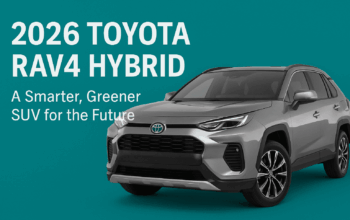
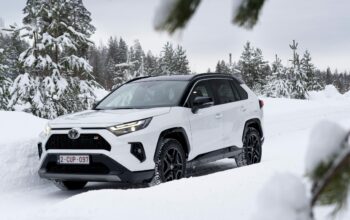
The 2026 Santa Fe Hybrid faces stiff competition from the likes of the Toyota RAV4 Hybrid (41/38/40 MPG) and the Ford Escape Hybrid (42/36/39 MPG). While it doesn’t quite match the RAV4’s efficiency, it holds its own in real-world driving, particularly in city conditions. The Escape Hybrid, on the other hand, edges it out in highway scenarios, but the Santa Fe’s more refined ride and upscale interior may sway buyers who prioritize comfort over pure MPG.
Another key differentiator is the Santa Fe Hybrid’s 60-degree hybrid system, which allows for more electric-only driving at low speeds compared to some competitors. This translates to better fuel savings in urban environments, where stop-and-go traffic is the norm.
Tuning Your Expectations: What to Realistically Expect
If you’re coming from a non-hybrid SUV, the Santa Fe Hybrid will feel like a revelation. Even if real-world MPG doesn’t hit the EPA’s peak numbers, the savings add up quickly. For a driver averaging 15,000 miles per year, the difference between 30 MPG and 38 MPG could mean an extra $500-$700 in annual fuel savings—enough to offset a portion of the hybrid premium.
Long-term ownership is where the Santa Fe Hybrid’s efficiency truly pays dividends. With proper maintenance (including battery health checks), the system can retain its efficiency for years. Hyundai’s warranty covers the hybrid battery for 10 years/100,000 miles, providing peace of mind for those wary of long-term costs.
The Future of Hybrid Efficiency
The 2026 Santa Fe Hybrid is more than just a numbers game—it’s a glimpse into the future of automotive efficiency. As hybrid systems become more sophisticated, we can expect even greater real-world MPG improvements. Features like predictive energy management (which uses GPS data to optimize battery usage) and lighter battery materials could further close the gap between EPA ratings and actual performance.
For now, the Santa Fe Hybrid delivers a compelling blend of efficiency, practicality, and driving enjoyment. It may not be the most frugal hybrid SUV on the market, but it’s one of the most well-rounded—especially for those who prioritize comfort and tech alongside fuel savings.
So, is the 2026 Hyundai Santa Fe Hybrid worth the hype? The answer lies in your driving habits. If you’re a city dweller, a carpooler, or someone who values smooth, efficient transportation, this hybrid SUV delivers where it counts. Just temper your expectations for highway driving, and you’ll be pleasantly surprised by how close real-world MPG can get to the EPA’s lofty projections.
The open road awaits—and with the Santa Fe Hybrid, every mile is an opportunity to sip fuel rather than guzzle it.