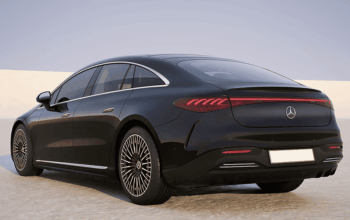
Fuel economy has a way of turning the ordinary into the intriguing. One day you’re stuck at the pump, watching the numbers tick upward; the next, you’re learning to read the road like a ledger—predicting where efficiency will bloom and where it will wither. In 2026, Mercedes-Benz isn’t merely chasing lower consumption. It’s reframing what “efficient” means, widening the definition from miles-per-gallon to total energy stewardship: electricity, aerodynamics, powertrain refinement, and the subtle choreography between driver inputs and vehicle intelligence.
Below are ten of the most fuel-efficient 2026 Mercedes-Benz models—presented not as a static ranking, but as a set of perspectives. Each one suggests a different philosophy of thrift. Some do it with electrified torque. Others do it by shaving drag and polishing efficiency at every operating point. And a few quietly prove that “performance” and “restraint” can share the same dashboard.
1) 2026 Mercedes-Benz EQB: The Efficient Electric Crossover That Feels Practical
The EQB’s promise is deceptively simple: make electric motoring feel like the default. It’s spacious where it counts, but it doesn’t indulge in excess bulk. Its efficiency is the kind that’s easy to appreciate on a daily route—when stop-and-go traffic becomes a chance to harvest energy rather than a tax on range. Think regenerative braking as a soft reset after every light change. Then picture the efficiency gains compounding over days.
Where many EVs feel optimized for a single scenario, the EQB aims for broad usability. That means fewer compromises, and fewer “efficiency regrets” during real-world driving.
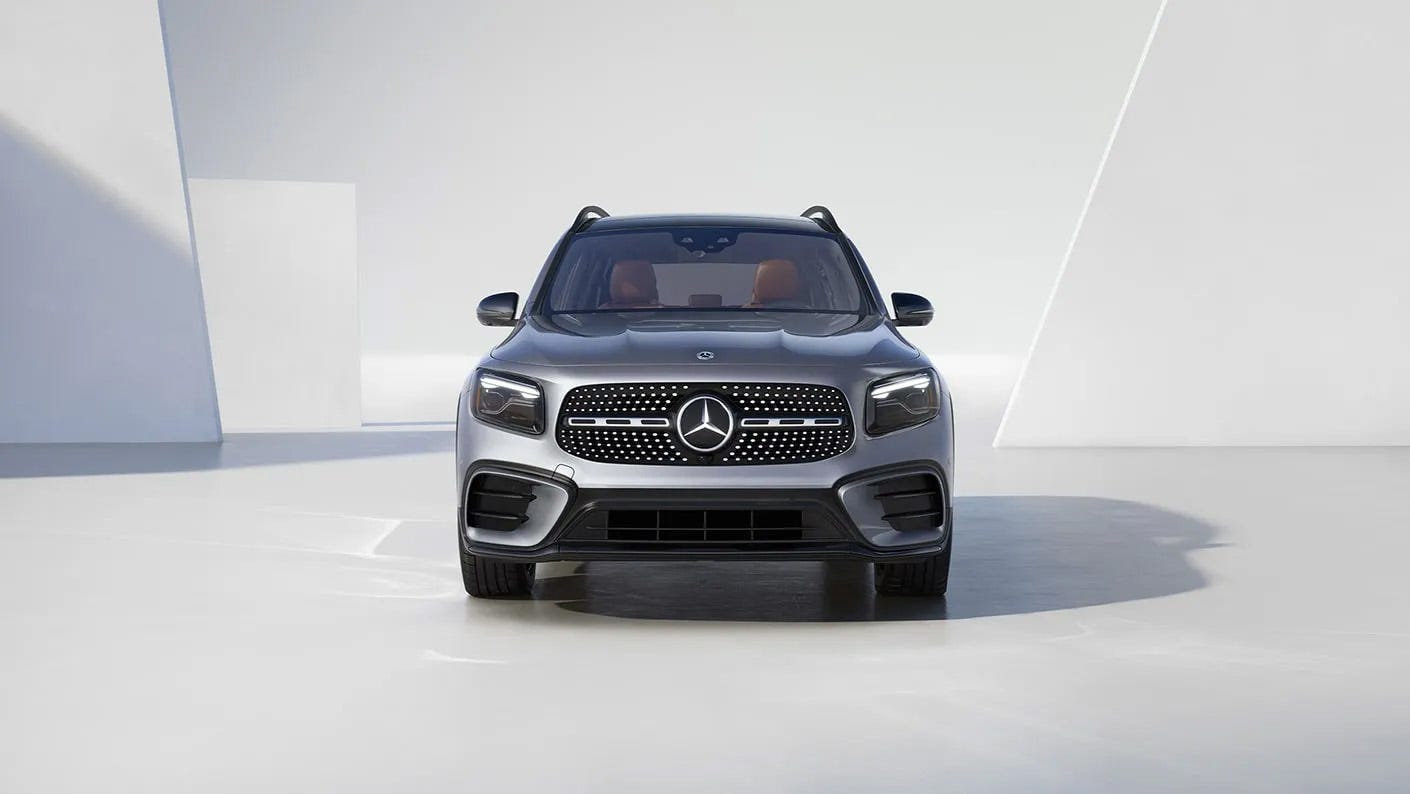
2) 2026 Mercedes-Benz GLB250: Compact Utility With a Mind for Mileage
Efficiency isn’t only electric. The GLB250 leans into intelligent engine management and a design language that prioritizes flow. Its driving character invites a calmer rhythm—an attitude that supports better fuel economy without turning the experience into something joyless.
To understand why it stands out, consider the way it handles acceleration and cruising. When power delivery is smooth, the driver spends less time “re-correcting” the car’s momentum. That reduces waste. The GLB250’s form supports that approach: it’s not a balloon. It’s a utilitarian shape that’s engineered to move efficiently.
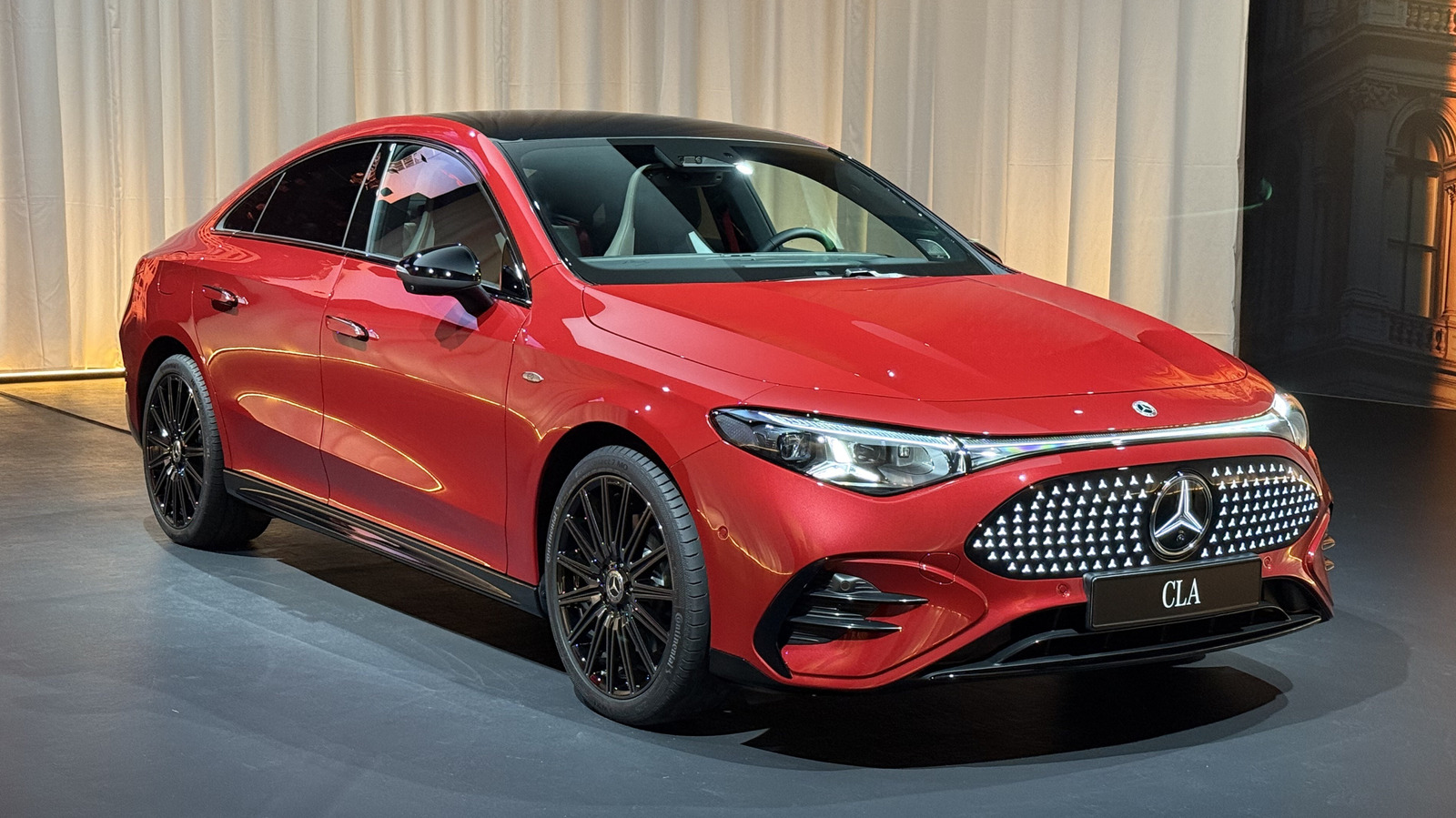
3) 2026 Mercedes-Benz CLA Electric (CLA): Designed to Reduce Every Kind of Drag
Some vehicles are efficient because they’re small. The CLA electric is efficient because it treats air like a meticulous adversary—then negotiates with it instead of fighting. Its streamlined stance and aerodynamic intent are the sort of details you feel indirectly. The car doesn’t demand constant throttle to maintain speed. It glides with composure, like a thought finishing itself.
This is the kind of electric design that piques curiosity: the less resistance it encounters, the less energy it has to spend. Efficiency becomes a quiet superpower, unfolding at highway pace and in suburban loops.
4) 2026 Mercedes-Benz GLB250 Electric-Powered Thinking (Electrified Direction)
Mercedes-Benz’s electrified approach often feels like the future, even when you’re still living in today’s routines. The GLB’s place in the efficiency conversation isn’t only about one technology. It’s about how the vehicle integrates powertrain logic, drivetrain response, and thermal management.
That integration can mean smoother transitions between energy sources—less hesitation, fewer spikes in consumption, and a more consistent sense of control. Efficiency loves consistency. When the car behaves predictably, it’s easier to drive efficiently.
5) 2026 Mercedes-Benz GLC: A Balanced Efficiency Blueprint
Efficiency becomes more interesting when it remains comfortable at scale. The GLC aims for precisely that equilibrium. It’s the middle ground for drivers who want daily practicality without turning their commute into a compromise sacrifice.
Expect an emphasis on optimized gearing, refined engine operation, and a cabin experience that encourages relaxed driving. The psychological side matters, too. When the ride feels stable and composed, your inputs become less frantic. Less frantic driving is often less wasteful driving.
6) 2026 Mercedes-Benz C-Class: Aerodynamic Restraint Meets Smart Power Delivery
The C-Class has always flirted with efficiency by being well-shaped rather than merely underpowered. For 2026, the emphasis continues: smooth transitions, careful load management, and a design that works with the laws of physics instead of arguing with them.
Efficiency here is a story of restraint. Not dullness—restraint. The car aims to keep the engine in its sweet zones and the driver in a rhythm that avoids needless spikes. Think of it as momentum discipline. You spend less time accelerating aggressively, and more time letting speed become a resource rather than a liability.
7) 2026 Mercedes-Benz E-Class: Long-Distance Efficiency With Poise
Long drives reveal a different truth: efficiency isn’t just about peak performance metrics; it’s about how the vehicle behaves after an hour of repetition. The E-Class is built for those hours. Its approach to efficiency is calm and persistent, the way a well-written narrative stays engaging without raising its voice.
At highway speeds, aerodynamic stability becomes a direct contributor to fuel economy. The E-Class aims to reduce turbulence and maintain smooth cruising. That’s how you get the subtle feeling that the car is “wasting less” even when you’re moving faster.
8) 2026 Mercedes-Benz S-Class: Where Luxury Converges With Energy Intelligence
Luxury and efficiency sound like opposites until you realize they both aim for refinement. The S-Class treats energy use like an engineering art form. Its systems coordinate to maintain comfort with fewer energy surges—an orchestrated balance of power, control, and thermal management.
In a way, the S-Class makes efficiency feel almost invisible. The driver isn’t asked to micro-manage. Instead, the car manages. When the vehicle handles more of the workload, the overall consumption can stay more disciplined.
9) 2026 Mercedes-Benz GLB250 (Efficiency for the Everyday Adventurer)
Here’s where perspective changes. Efficiency doesn’t only belong to sedans. The GLB250 can serve as an everyday adventurer’s tool—capable, comfortable, and designed to keep consumption from becoming the “price” of practicality.
It shines when driving patterns are typical: errands, short commutes, and occasional longer trips. Efficiency is most persuasive in those moments when you realize you’re spending less without changing your lifestyle. That’s the quiet magic: the routine becomes cheaper to maintain.

10) 2026 Mercedes-Benz GLE: Efficient Confidence for Larger Builds
Efficiency can feel like an impossible promise in a larger SUV. But the GLE argues differently. It targets efficiency through system-level optimization—power delivery that doesn’t overshoot, and design choices that reduce unnecessary resistance. Larger doesn’t have to mean wasteful; it can mean better optimization for a bigger footprint.
Driving this kind of vehicle efficiently often requires a subtle mindset: anticipating traffic, maintaining steady speeds, and letting the powertrain operate with fewer interruptions. The GLE supports that mindset with smooth response and stable highway behavior.
How to Make Any Efficient Mercedes-Benz Feel Even More Efficient
Even the most fuel-efficient model can be “unmade” by habits. The best results usually come from consistency: gentle throttle inputs, steady cruising, and anticipating lights rather than reacting to them. Smooth acceleration reduces waste; steady speed limits aerodynamic and rolling penalties.
Tires matter more than people expect. Correct pressure supports rolling efficiency. Clean wheels and aligned alignment also help quietly. Then there’s the mental shift: treat your drive like planning, not just reacting.
For electrified models, charging strategy can amplify results. Using off-peak electricity rates where possible, preconditioning when available, and avoiding aggressive speed spikes all support longer usable range.
Choosing the Right Efficient Mercedes-Benz: It’s a Story, Not a Spreadsheet
The top model for you depends on what kind of efficiency you value. If you want energy thrift with a futuristic edge, electrified platforms may feel like the cleanest evolution. If you prefer a familiar rhythm with a polished efficiency profile, select models within the lineup lean into refined combustion operation, aerodynamic discipline, and intelligent drivetrain behavior.
Efficiency should match your life. If your days are short and urban, electric efficiency can become an everyday advantage. If your routes are longer and mixed, aerodynamic and powertrain optimization become the decisive factors.
In the end, the most fuel-efficient 2026 Mercedes-Benz models aren’t just efficient on paper. They invite a different way of driving—one where your journey feels less like consumption and more like calculation, refined into motion. Once that perspective settles in, the road begins to look different: not as distance to burn through, but as energy to manage wisely. And that’s the kind of upgrade you can feel every single day.