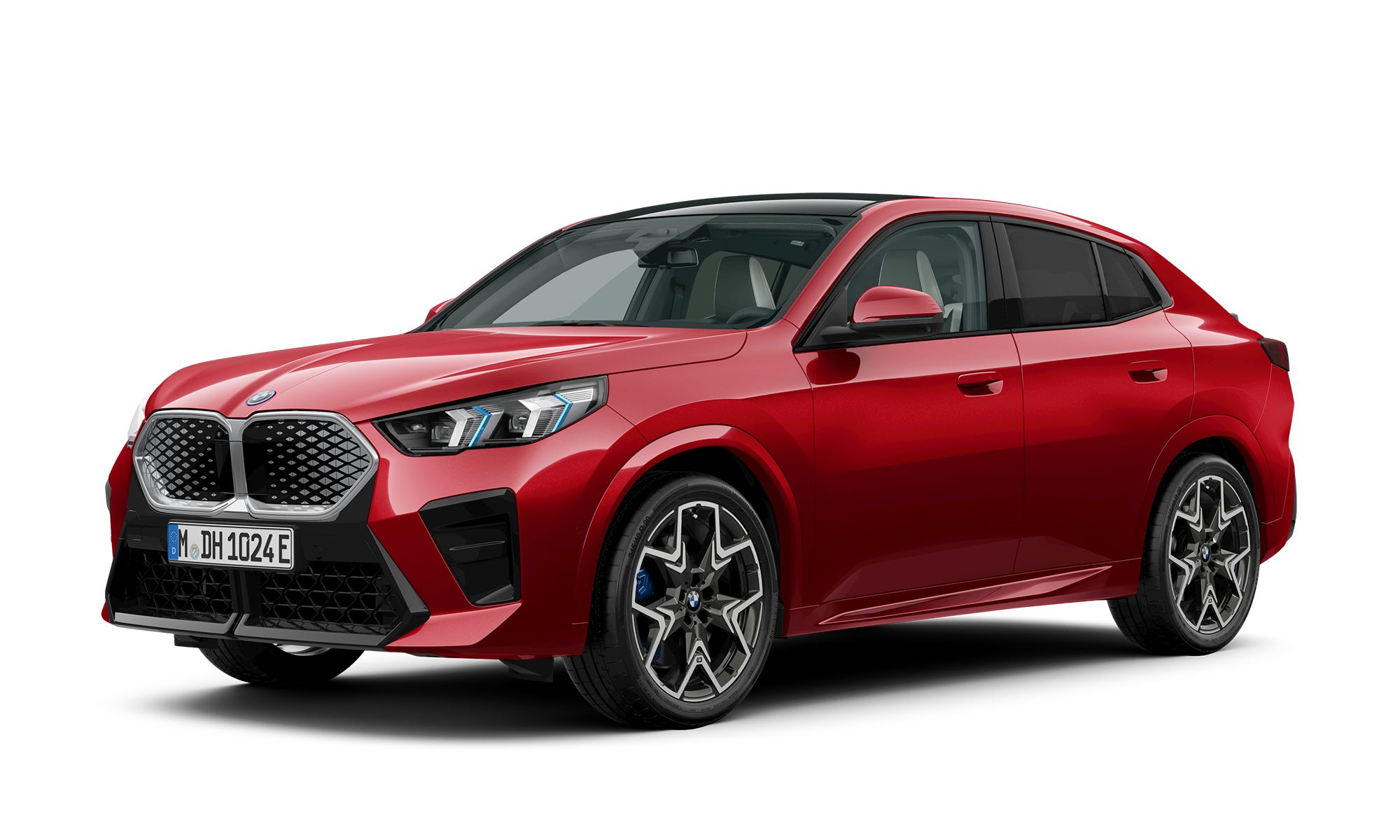
There’s a particular kind of silence that arrives when the engine note disappears. It isn’t emptiness so much as permission—permission for the road to speak in finer detail. The BMW iX2 arrives with that promise, paired to a shape that refuses to behave. This is an electric crossover that borrows the attitude of a coupe, not merely in silhouette, but in how it seems to hold itself at speed and in stillness. Once you’ve seen the iX2 in motion, the question stops being whether electrification can be desirable. It becomes something sharper: why did it take this long to make it feel this poised?
The iX2 doesn’t ask for a leap of faith through jargon. It invites a shift in perspective—an argument made with restraint. One moment it looks like a familiar crossover from a distance; the next, the proportions reveal a different intention. A long hood of sorts, a compressed cabin, and a stance that looks sculpted rather than simply designed. It’s the kind of design that doesn’t shout, yet it insists on being noticed. And in an era where cars often feel like they’re wearing the same templates, the iX2 feels like it’s carving its own corridor.
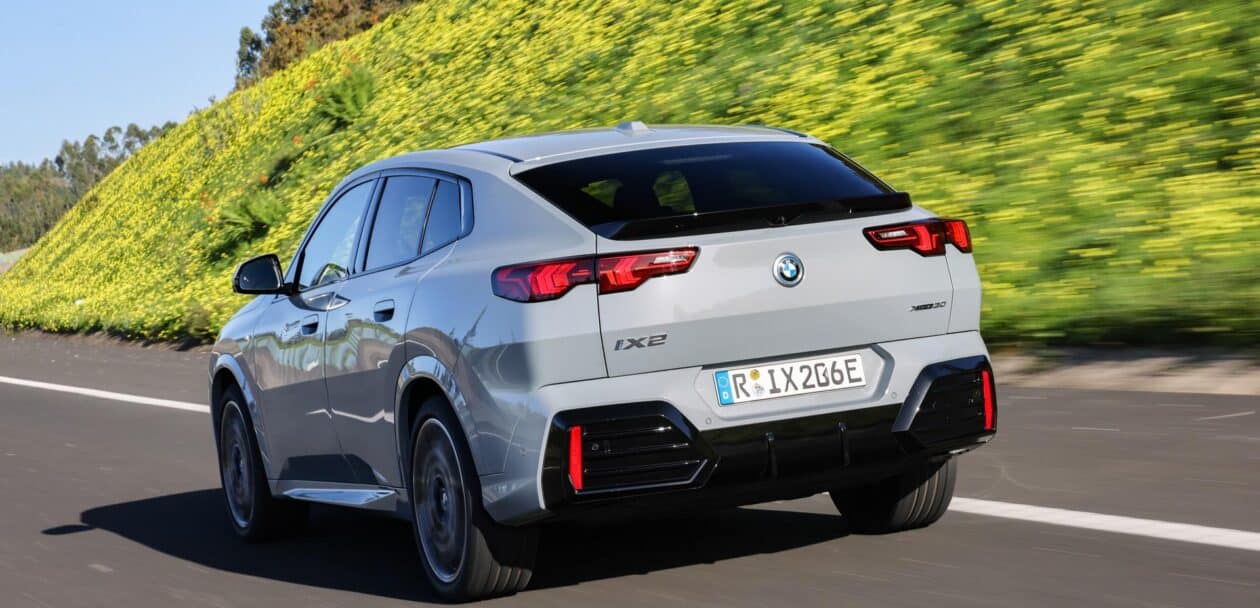
A coupe silhouette in crossover clothing
The first promise is visual, and it’s a persuasive one. The iX2 wears the crossover formula, but it dresses it in coupe grammar. The roofline slopes with purpose, and the rear quarter panels don’t simply taper—they perform. This is not the typical electrified “utility” look. It’s more like a statement of confidence: electricity, yes, but still with style that feels inevitable rather than engineered.
Even the glasshouse feels intentional. Its tapering rhythm frames the cabin like a vignette, drawing the eye toward the details BMW tends to treat as more than decoration. Lighting signatures, body contours, and the way the wheels are positioned all contribute to a sense of forward momentum, even when the car is parked. It’s an exercise in visual aerodynamics, where every crease suggests the car wants to glide rather than merely roll.
Electric driving, re-tuned for everyday drama
Under the skin, the iX2 brings the electrical promise to a segment that often gets overlooked in the excitement cycle. Electric power changes the experience more than it changes the brochure. The throttle response can feel instantaneous, and the smoothness becomes a kind of emotional backdrop. Short commutes turn into meditations. Traffic becomes less stressful when acceleration arrives without hesitation.
Yet the iX2 isn’t chasing the surreal. It’s aiming for confidence. In this approach, the car behaves like a BMW should: it communicates. Steering feel, chassis composure, and braking behavior work together so the driver isn’t just piloting a battery. The car feels like a machine with a point of view—calm, capable, and subtly eager.
And that’s where perspective begins to shift. Instead of thinking “electric car,” the mind starts thinking “how does this move?” The iX2 encourages that reframe, nudging the driver toward a more intuitive relationship with performance.
Design as a philosophy: precision, not excess
One reason the iX2 feels distinctive is that it’s not trying to be everything at once. The proportions are disciplined. The lines are crisp without becoming theatrical. The result is a kind of automotive minimalism with muscle, where attention lands on the essential cues: stance, stance again, and then the finishing details that make the whole composition feel deliberate.
Contrast matters, too. BMW understands that an EV can be visually “clean” without looking generic. The iX2 uses surfaces to create depth rather than clutter. Shadows in the bodywork become part of the design language. It’s the sort of styling that ages well, because it relies on balance instead of trend-cycle fireworks.
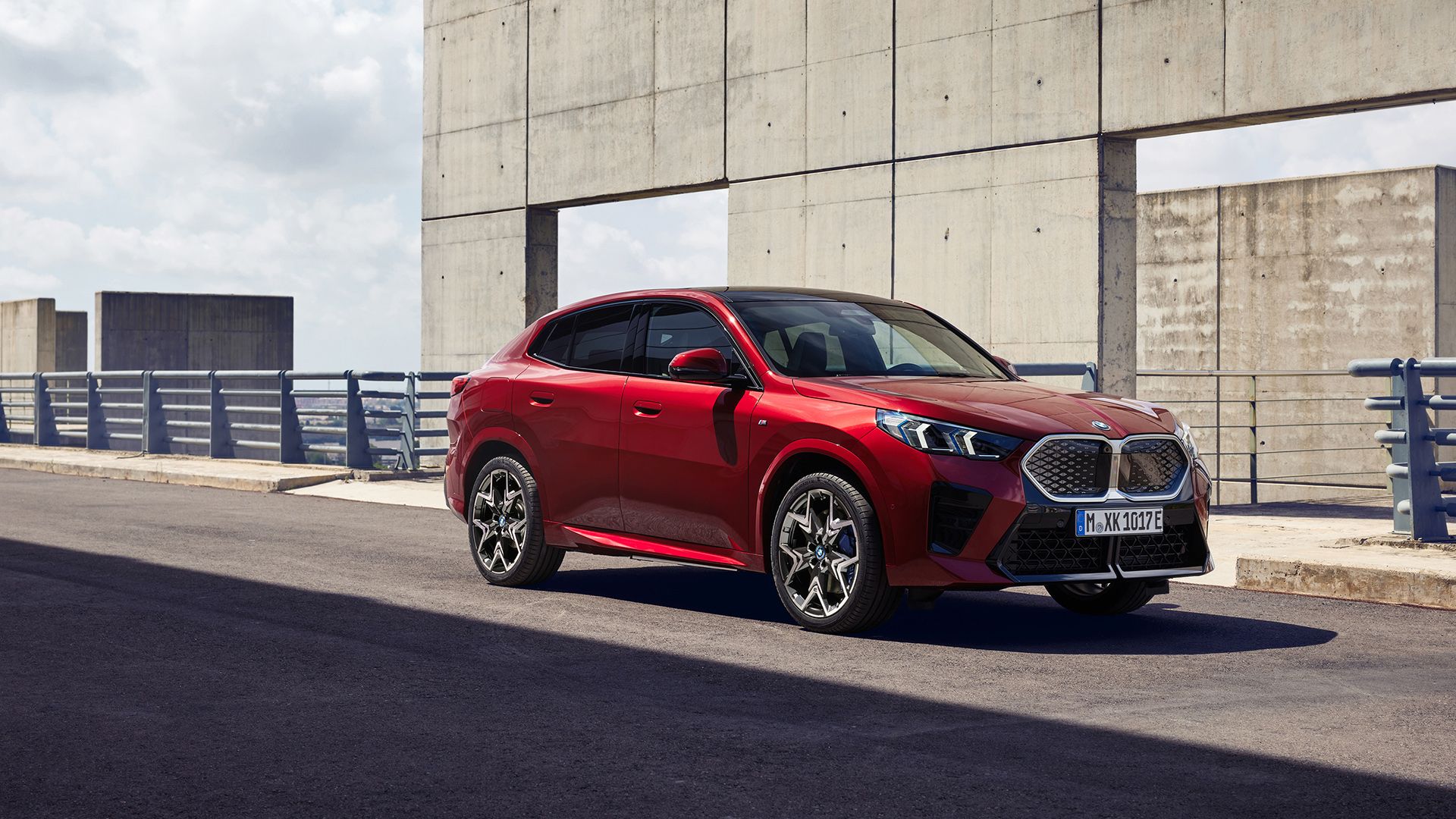
Inside the cabin: spacious in spirit, sleek in form
Step into the iX2 and the story continues. The cabin layout aims to feel modern without becoming cold. The driving position feels supportive, as if the car wants to keep the driver connected rather than isolated. Short and long drives become easier to inhabit because controls appear where your hands expect them, not where a designer once imagined them.
Material choices and ambient touches help the cabin avoid that “tech showroom” coldness. It feels oriented toward daily use: comfortable sightlines, sensible ergonomics, and a sense that the interior was composed like a room. A coupe-derived silhouette could have made the cabin feel restrictive, but the iX2’s design works to preserve practicality. It offers the sensation of being slightly wrapped, with enough openness to keep the mind calm.
Even with the focus on style, the car’s habit is still to accommodate. That balance is crucial, because an EV purchase decision often hinges on whether elegance can coexist with real-world logistics.
Technology that feels like an assistant, not a spectacle
Electrified vehicles tend to bring a flood of software features, sometimes overwhelming the driver. The iX2’s tech direction aims for coherence. Instead of focusing on flashy novelty, it supports driving with clear interfaces and sensible navigation through the electric ecosystem.
Charging awareness is part of that philosophy. Electric cars ask more from planning than combustion vehicles do. The iX2’s approach tries to make that planning feel less like homework and more like routine. You anticipate needs, you understand energy usage, and you adjust without feeling punished by the mathematics.
The result is a shift in mindset: from “How far can I go?” to “How comfortably can I live within this capability?” That transition matters more than a spec sheet ever will.
Efficiency as a quiet superpower
The most compelling EV experiences often happen away from marketing headlines. The iX2’s strength lies in how well it manages energy under real conditions. Efficiency doesn’t announce itself with drama. It shows up as fewer compromises, smoother ranges, and the calm confidence that comes from knowing the car is thoughtful.
Driving style becomes less about fear and more about refinement. You learn the relationship between accelerator input, speed choices, and energy consumption. Then the electric act becomes almost tactile—like adjusting cadence on a bike, except the car is doing much of the work.
In that sense, efficiency becomes a kind of trust. The iX2 builds it over time, and trust is the most underrated metric in modern motoring.
Charging confidence: making electricity feel convenient
Range matters, but charging convenience matters even more. The iX2’s electric character is designed to fit into daily routines. At-home charging can turn overnight time into forward momentum. Public charging becomes a practical tool rather than an unpredictable challenge.
Charging also changes the emotional rhythm of ownership. Instead of visiting fuel stations as an occasional chore, electricity becomes part of a lifestyle cadence. That’s a subtle psychological shift, and the iX2 is ready for it.
The car’s ability to integrate charging awareness into the driving experience reduces friction. The less friction, the more the driver can focus on the important part: actually driving.
Who the iX2 is for: the curious, the discerning, the unromantic idealists
The BMW iX2 suits drivers who want novelty without sacrificing identity. It’s for the person who can appreciate electrification but still cares deeply about aesthetics, posture, and the feel of a well-resolved chassis. It’s also for those who want a crossover practicality but don’t want to blend into the background.
The iX2 doesn’t exist to convert skeptics with force. It coaxes. It piques curiosity through restraint. It suggests that an electric future doesn’t have to look like an apology for the past.
In a world where cars are increasingly automated and standardized, the iX2 offers a different kind of confidence: a design-forward EV with a clear emotional tone.
Conclusion: the electric future, styled with nerve
The BMW iX2 is a coupe-styled electric crossover that makes an elegant case for reconsidering what “electric” means. It promises a shift in perspective by turning quiet technology into something more personal—something you feel through steering response, cabin atmosphere, and the composure of its silhouette. Short commutes can become calmer. Daily routines can become smoother. And the road can feel more communicative than before.
Once the iX2 is in your field of view, it stops being just another EV option. It becomes a question you want to answer: what if electrification weren’t a compromise, but a refinement—one with style sharp enough to surprise you?