The BMW 7 Series has always carried itself like a moving declaration. Not merely a car, but a statement of intent—an executive suite wrapped in sheet metal. Yet the model is often summarized with a familiar refrain: it’s “just another luxury flagship.” That observation isn’t entirely wrong, but it misses the more intriguing truth. The 7 Series doesn’t chase novelty for novelty’s sake. Instead, it refines comfort, command, and composure until the whole experience starts to feel inevitable. And once the unfamiliar precision of the chassis, the cabin, and the electronics settles in, the fascination becomes harder to shake.
What follows is a review of the 7 Series as a flagship luxury platform—one that blends theater and engineering. Some rivals advertise opulence; BMW engineers it. The difference is subtle at first. Then it becomes impossible to ignore.
Flagship Presence: The Art of Not Overcompensating
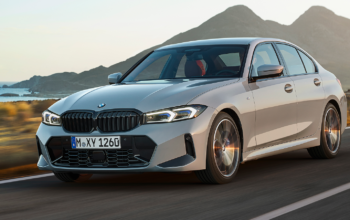
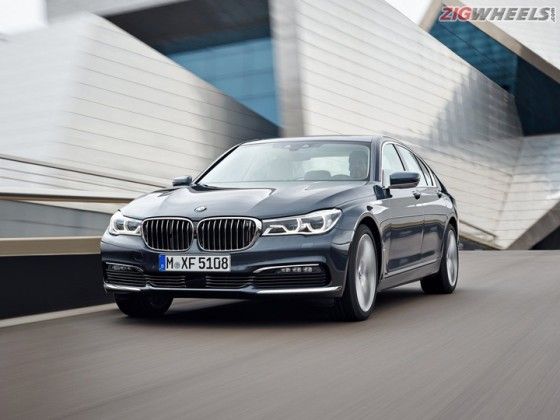
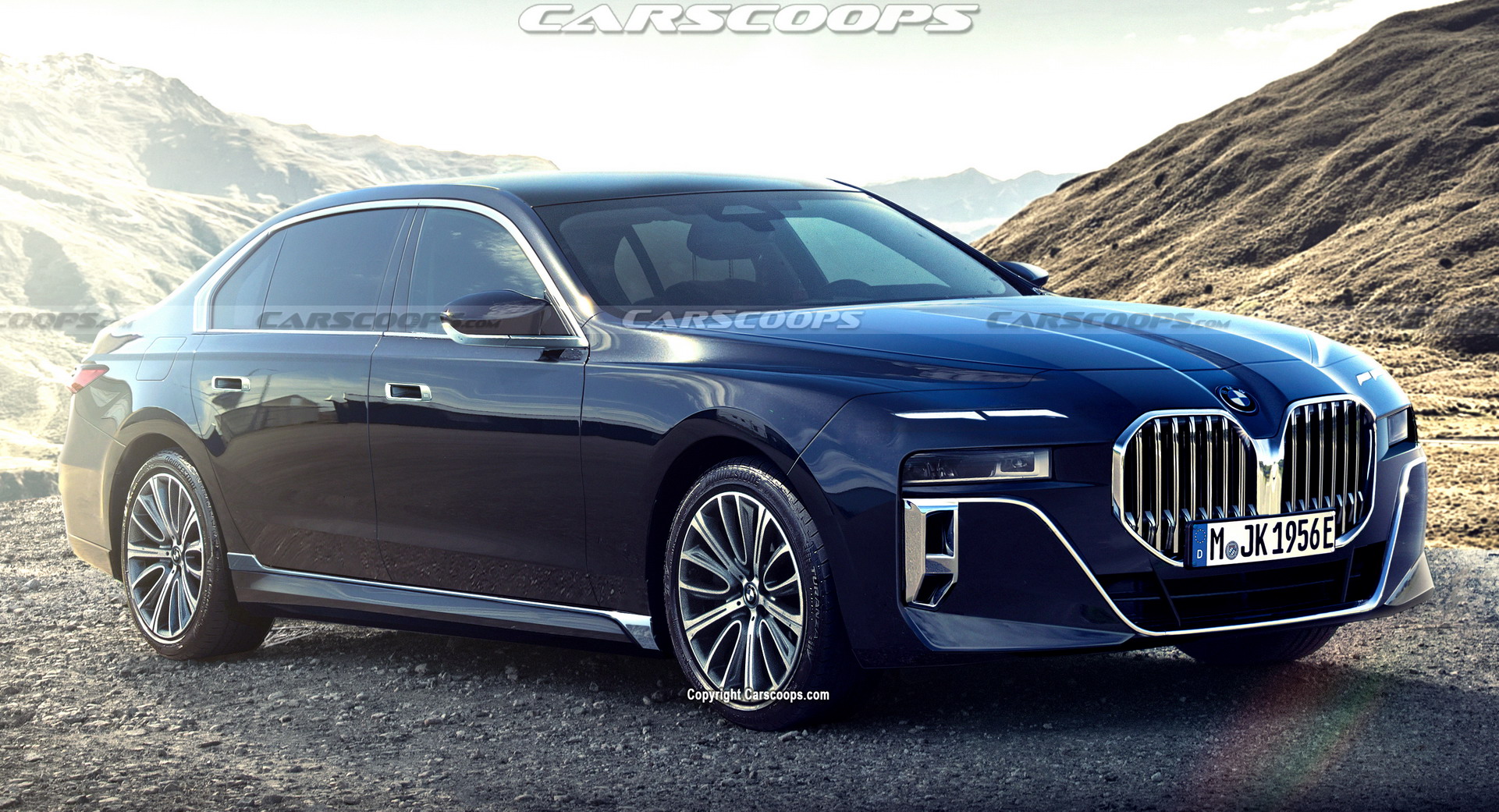
The first impression is larger-than-life, but not loud for the sake of loudness. The 7 Series uses proportions and lighting to convey rank. Its front-end stance feels planted, almost gravitational. The bodywork seems to understand airflow and visual balance at the same time, giving the car a composed look at rest and an even calmer demeanor on the move.
Lighting design plays a key role in this perception. It isn’t simply about brightness; it’s about character. Daytime signatures and adaptive illumination create a sense of “awareness,” as if the car is quietly reading the road. That perception matters, because luxury is often experienced before the first turn of the wheel—before any mechanical talent is allowed to speak.
In the right angle, the profile length is unmistakable. It signals confidence rather than aggression. People notice it. Owners feel it. Even passersby seem to slow down, as though the car has a gravitational pull of its own.

Cabin Atmosphere: Opulence with Purpose
Step inside and the 7 Series performs a rare trick: it feels both generous and intimate. The cabin is not just spacious; it’s organized. Surfaces are treated like furniture, with tactile materials that reward contact rather than merely looking expensive under showroom light.
The seat design is a study in ergonomic diplomacy. It avoids the extremes—nothing feels overly firm, and nothing feels like you’re sinking into a sofa. Instead, the support appears to “hold you in place,” enabling relaxed long-distance posture without the fatigue that sometimes lurks behind lavish cushioning.
Ambient lighting and materials contribute to a calm, almost cocoon-like ambiance. Short trips feel effortless. Longer ones feel orchestrated. Luxury here is not indulgence alone; it’s the controlled elimination of irritations. The cabin doesn’t ask you to adjust. It persuades you to settle.
Technology and Interface: A Command Center, Not a Gadget Shelf
Modern flagship luxury lives or dies by usability. The 7 Series approaches its digital environment with the mindset of an air traffic controller. Everything is within reach, but the most important functions don’t demand your attention constantly.
The infotainment experience tends to feel comprehensive rather than chaotic. Menus are layered with intention. Controls are laid out so the driver doesn’t have to become a translator between thought and screen. That matters in a car intended to be driven by someone who values time—time that should be spent arriving rather than deciphering.
Beyond entertainment, the system supports navigation, vehicle settings, and driver-assistance functions. When executed well, that becomes more than convenience. It creates a continuous thread of confidence, reducing the mental friction that can turn “a drive” into “a task.”
Ride Comfort: Where Luxury Becomes Physics
Comfort is often marketed as softness. In the 7 Series, it’s more accurate to describe it as measured isolation. The suspension works to reduce harshness without flattening the car’s identity. You still feel the road. You just don’t feel the road’s rough edges.
On coarse surfaces, the cabin stays impressively composed. The steering doesn’t broadcast every pebble and seam in the asphalt. Instead, it filters information into something meaningful. The result is a ride that feels expensive not because it’s silent, but because it’s coherent—every movement seems to belong.
There’s also a kind of cinematic smoothness to the way the car transitions over bumps. Short imperfections fade quickly. Longer undulations are handled with a calm, almost maternal steadiness. That’s the hidden reason some owners develop a deep attachment: the car makes the world feel less chaotic.
Performance and Powertrain: Effortless Forward Motion
The 7 Series offers the kind of propulsion that discourages stress. Acceleration is not merely quick; it’s authoritative. Power arrives without drama, like a well-rehearsed cue. The car doesn’t lunge. It advances.
In normal driving, the transmission and throttle mapping aim for fluidity. You can glide through traffic without constantly anticipating gear changes. Press harder and the car expands its capability—passing becomes an act of confirmation rather than a gamble.
For many drivers, this is the point where fascination deepens. Luxury isn’t only comfort at rest. It’s the absence of second thoughts when the speed changes, when conditions shift, or when the road asks for confidence.
Chassis and Handling: The Quiet Skill of Control
Luxury flagships sometimes feel like heavy yachts that can only drift. The 7 Series aims for something better: composed control. Steering response is tuned to feel connected rather than disconnected. Body motion is managed so the car never seems unsettled, even when the pace rises.
That balance between comfort and control is a carefully negotiated compromise. Softer suspension could make the car feel pleasant but vague. Stiffer suspension could make it feel sporty but tiring. The 7 Series seeks a third option: a ride that’s tranquil while still reading the road with discipline.
In corners, traction feels secure and predictable. The car doesn’t demand heroic input; it rewards calm competence. The more you drive with patience, the more it reveals itself as a precision tool disguised as an indulgent sedan.
Safety, Assistance, and Trust: Confidence You Don’t Have to Think About
Flagship luxury should reduce workload, not add new complexity. The 7 Series includes driver-assistance technologies that create a safety net. Lane guidance, collision mitigation, and adaptive features help the car interpret the environment and respond with subtle corrections.
This is where the “deeper reasons for fascination” appear. In daily life, stress often comes from unpredictability. When the car can anticipate risks and dampen uncertainty, the driver’s attention is freed up for the act of driving itself—scanning the road, reading traffic, and enjoying the journey.
Good assistance doesn’t feel like automation. It feels like preparedness. That distinction is what keeps the experience serene even during challenging moments.
Ownership Experience: The Real Luxury of Reliability and Value
There’s a difference between a car that impresses once and one that keeps impressing over time. The 7 Series is designed for longevity of comfort—materials that hold their appeal, systems that aim to remain intuitive, and an overall design philosophy that doesn’t degrade into “dated” quickly.
Service costs and depreciation vary by market and specification, but the underlying idea is consistent: this is a car built to remain relevant. It’s not simply chasing trends; it’s curating an identity.
Owners often describe the 7 Series as a habit. After long-term use, it becomes a reference point. Switching to something else can feel like stepping down from an elevator to stairs—even if the stairs are still perfectly functional.
Who It’s For: The Driver Who Values Calm Authority
The BMW 7 Series is not only for people who want luxury. It’s for people who want clarity—clarity in ride quality, in communication from the drivetrain, and in the way the cabin insulates them from the world’s noise.
It’s ideal for executive travel, frequent highway cruising, and anyone who wants a vehicle that supports a lifestyle rather than interrupts it. The car isn’t trying to convert you into a sports-driver. It’s trying to make every day feel more manageable.
Conclusion: A Flagship That Refines the Feeling of Arrival
The BMW 7 Series earns its reputation not through spectacle, but through synthesis. It merges grand comfort with restrained performance, and it layers technology in a way that supports the driver instead of competing for attention. Yes, it can be dismissed as “another flagship.” But that’s the surface-level interpretation—an underestimate of how much thoughtful engineering can smooth the friction of everyday life.
The fascination comes from the way everything connects: how the cabin calms the senses, how the chassis filters chaos, and how the car’s confidence turns travel into something closer to ritual. After all, luxury isn’t only what the car costs. It’s what it removes—from fatigue, from stress, and from the need to constantly manage the journey.