The BMW 3 Series has never been merely a car; it’s a moving rubric. Owners tend to measure it against their own memories of earlier generations, while skeptics measure it against the broader market’s promises. Either way, the question remains unusually consistent: does the 3 Series still feel like the sports sedan benchmark—sharp enough to be satisfying, composed enough to be livable, and engineered well enough to age gracefully?
In this review, the focus isn’t just on what the 3 Series does, but on how it communicates—through steering weight, pedal calibration, throttle nuance, and the subtle choreography of suspension compliance. Some sedans shout during acceleration. This one prefers to talk in specifics. The result is a driving experience that rewards attention, yet never demands perfection from its driver.
Design and Presence: The Sedan That Doesn’t Apologize
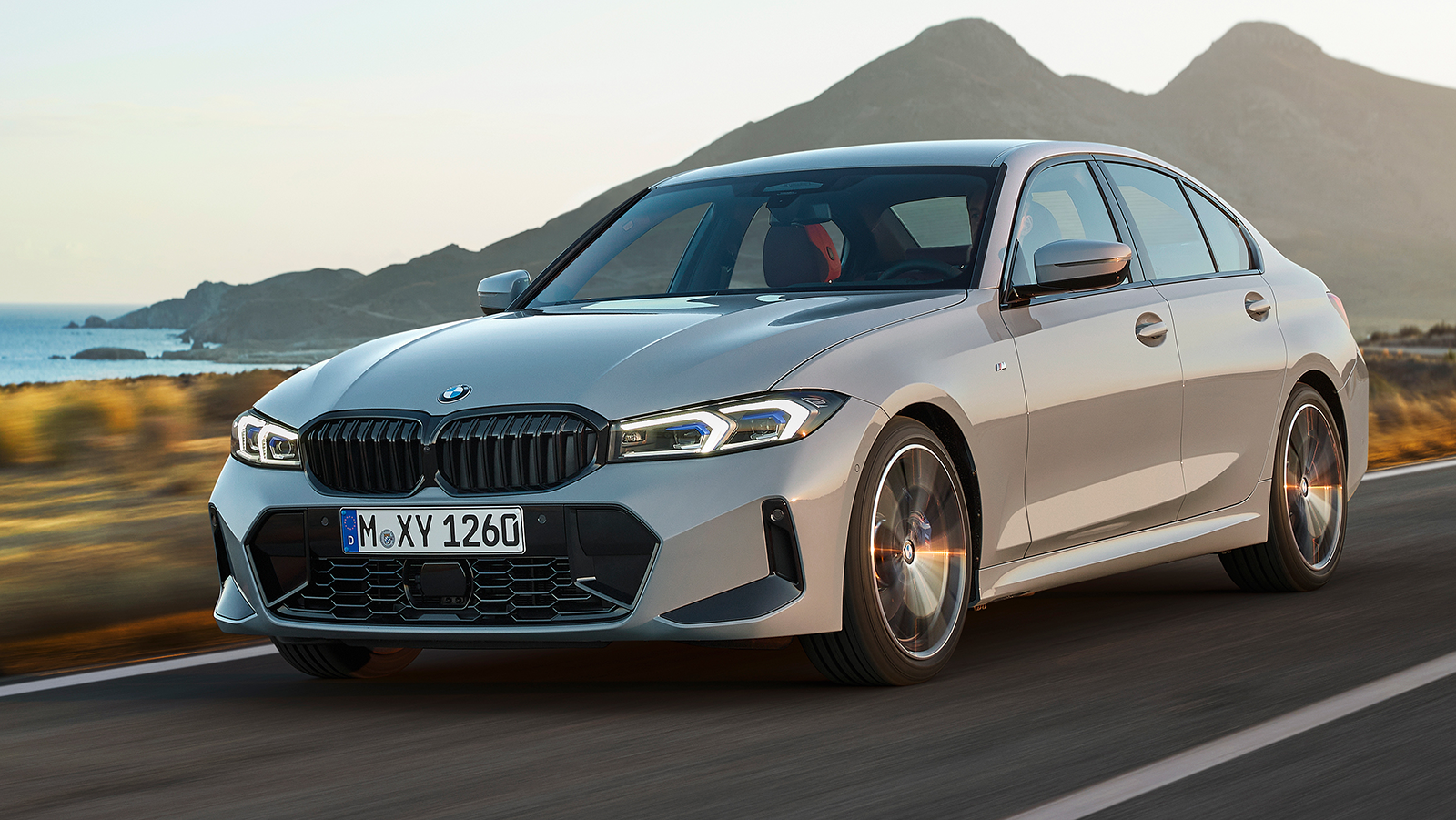
From a distance, the BMW 3 Series reads as confident, not flamboyant. The body lines are purposeful, and the stance feels planted even when the car is stationary. Up close, the surfaces are disciplined—creases and edges that catch light rather than merely reflect it. The overall aesthetic leans toward athletic restraint, a trait that helps the vehicle look current longer than expected.
What’s especially notable is how the design balances sportiness with everyday practicality. It doesn’t try to be a caricature of performance. Instead, it offers a credible profile for commuting, errands, and weekend drives alike.

Cabin Craftsmanship: Where Controls Feel Deliberate
Step inside and the 3 Series reveals its priorities. The cockpit has a driver-centric arrangement, but it’s not cramped or theatrical. Buttons feel appropriately damped—neither flimsy nor overbuilt. Switchgear and trim surfaces suggest a purposeful assembly philosophy, where tactile feedback matters because it shapes confidence.
The steering wheel sits like a promise: it’s close enough to invite quick inputs, yet designed for extended highway cruising. Ergonomics are tuned for real use, which means your wrist doesn’t fight for position, and your sightlines don’t force contortions.
Comfort isn’t only about soft materials. It’s also about how the car insulates you from fatigue. The cabin’s thermal behavior, road noise attenuation, and seat support combine into a calm, focused environment—one that encourages longer drives without turning them into chores.
Performance and Powertrains: The Benchmark’s Core Language
The BMW 3 Series remains a benchmark because it understands the relationship between power and control. Acceleration is brisk, but the bigger story is the progression—how smoothly the engine delivers thrust and how predictably the transmission responds to intent. This is the sort of performance that doesn’t just impress in a single sprint; it stays convincing during overtakes, passing maneuvers, and spirited merges.
Depending on configuration, the car can feel eager and responsive, with an especially satisfying mid-range. There’s a sense that the drivetrain has been calibrated for modulation. Throttle inputs translate into motion without delay. Gear changes feel timed, not merely executed.
Even when the pace increases, the 3 Series avoids the common trap of turning acceleration into chaos. Instead, it offers a sense of traction-managed momentum—forward motion with a composed attitude.
Steering and Handling: Precision Without Punishment
If the 3 Series is a benchmark, its steering is the measuring tape. Inputs are met with a balance of feedback and restraint. The wheel conveys enough information about grip and weight transfer to keep you engaged. At the same time, it doesn’t turn the daily commute into an unending series of corrections.
Cornering behavior is notably cohesive. The car rotates with intention, and the chassis doesn’t feel like it’s searching for answers when road surfaces get uneven. Suspension tuning aims to reduce the sensation of “impact,” replacing it with a controlled, damped composure. You feel the road, but you don’t get bullied by it.
Under more enthusiastic driving, the limits are reachable without being reckless. There’s a predictable curve between grip and slip, and the car’s traction management helps you refine your line rather than panic over it. That predictability is a rare luxury in the sports sedan segment.
Braking and Stability: Confidence in Every Stop
Braking performance matters more than many drivers realize. It’s not just about stopping distance; it’s about modulation—the ability to slow smoothly, accurately, and consistently. The 3 Series delivers firm authority with a pedal feel that communicates how much deceleration is happening.
In emergency-like situations or rapid deceleration, stability systems integrate seamlessly. The car holds its composure and resists instability, allowing you to steer your way through the moment rather than being thrown back by unpredictable wheel behavior.
Ride Quality and Daily Usability: Sports Sedan, Real Life Included
Some cars compromise comfort for sportiness and then pretend the compromise is “sport tuning.” The 3 Series takes a more thoughtful approach. Ride quality feels settled on broken pavement and calm over highway seams. The suspension compresses and rebounds with controlled discipline, keeping body motion in check.
Long drives are particularly revealing. Noise levels remain restrained. The cabin retains composure at speed, and the steering stays appropriately weighted—neither too light for confidence nor too heavy for city navigation.
It’s a sedan designed for the rhythm of routine: stoplights, construction zones, short bursts of driving pleasure, and the occasional stretch where the road opens up.
Technology and Infotainment: Familiar, Yet More Usable
Modern BMW technology aims to reduce friction between intention and interface. Menus are generally logical, and connectivity features make it easier to bring your phone’s ecosystem into the driver’s workflow. The interface is designed so that you can operate it without turning the drive into a distraction seminar.
Driver information displays help keep important details in your line of sight. That’s a meaningful design choice because the best technology supports situational awareness rather than competing with it.
Safety and Driver Assistance: Being Proactive, Not Reactive
In a benchmark sports sedan, safety has to be more than a checklist. It needs to be integrated into how the car behaves in real scenarios. The BMW 3 Series offers a suite of driver assistance features intended to reduce risk and improve confidence during typical traffic patterns—lane changes, highway cruising, and sudden slowdowns.
When systems engage, their behavior should feel intuitive. The goal is not to take over driving, but to add a measured layer of support—especially during repetitive tasks that can be mentally taxing.
Interior Storage and Practicality: The Details That Count
A sports sedan earns its credibility when it carries real life without complaint. Storage spaces, cup holders, door bins, and trunk practicality contribute to an ownership experience that feels effortless. Even small considerations—how easily items are stowed, how access feels in daily use—add up.
Rear-seat comfort deserves mention too. The 3 Series balances sporty proportions with genuine usability, offering respectable legroom for most adults. The seatbacks are supportive, and the cabin layout avoids the claustrophobic sensation that some performance-focused cars can create.
Ownership Experience: The Benchmark Mindset Over Time
It’s tempting to judge performance only by first impressions. However, a benchmark car is measured over months and years. The 3 Series is engineered to retain its usability and desirability as trends shift. Materials and build quality contribute to that sense of longevity.
Fuel economy varies by powertrain and driving habits, but the overall impression is that the car respects everyday efficiency rather than treating it as an afterthought. Insurance, maintenance planning, and parts availability also influence ownership reality, and the 3 Series benefits from a mature ecosystem of service knowledge and community familiarity.
Who It’s For: The Driver, the City, and the Weekend
The BMW 3 Series is ideal for drivers who want performance with restraint. It suits people who enjoy spirited driving but still care about commuting comfort. If you’re someone who appreciates steering feel, confident braking, and a cabin designed around the driver’s workflow, this sedan aligns with your taste.
It also works for buyers who simply want a sports sedan that feels “right” every day. There’s a particular kind of satisfaction in not having to think about how the car behaves—because it behaves coherently.

Bottom Line: Still a Benchmark Sport Sedan
The BMW 3 Series earns its reputation through integration. It’s not just fast, not just agile, and not just refined. It blends those qualities into a single, coherent persona. The steering communicates. The suspension steadies. The drivetrain responds. The cabin supports focus.
Most importantly, the 3 Series feels designed for the long arc of ownership—where daily comfort and weekend excitement coexist without friction. In a market full of interpretations, it remains remarkably clear about what a sports sedan should be: athletic enough to satisfy, disciplined enough to trust, and elegant enough to keep your attention even when the road gets ordinary.