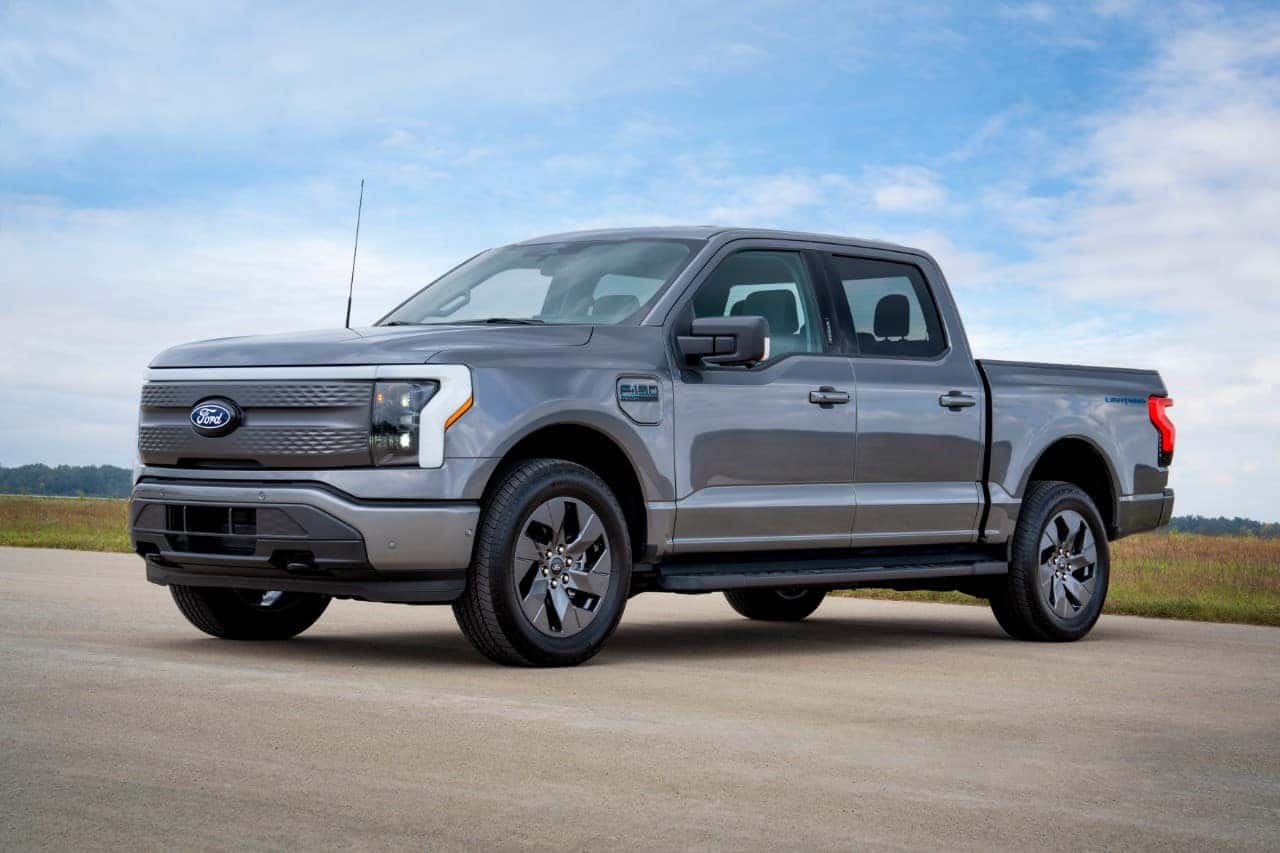
The Ford F-150 Lightning isn’t just another electric truck—it’s a thunderclap in the automotive world, a rolling manifesto that says, “The future isn’t coming; it’s already here, and it’s hauling.” Picture this: a workhorse that can tow your boat, power your home during a blackout, and still sprint to 60 mph in under four seconds. But what happens when you dare to push its limits? What if the very thing that makes it revolutionary—its electrified heart—also becomes its Achilles’ heel in the most unexpected way? Let’s dive into the storm and uncover the electrifying truth behind Ford’s boldest gamble yet.
The Thunderous Arrival: A Truck That Roars Without a Drop of Gas
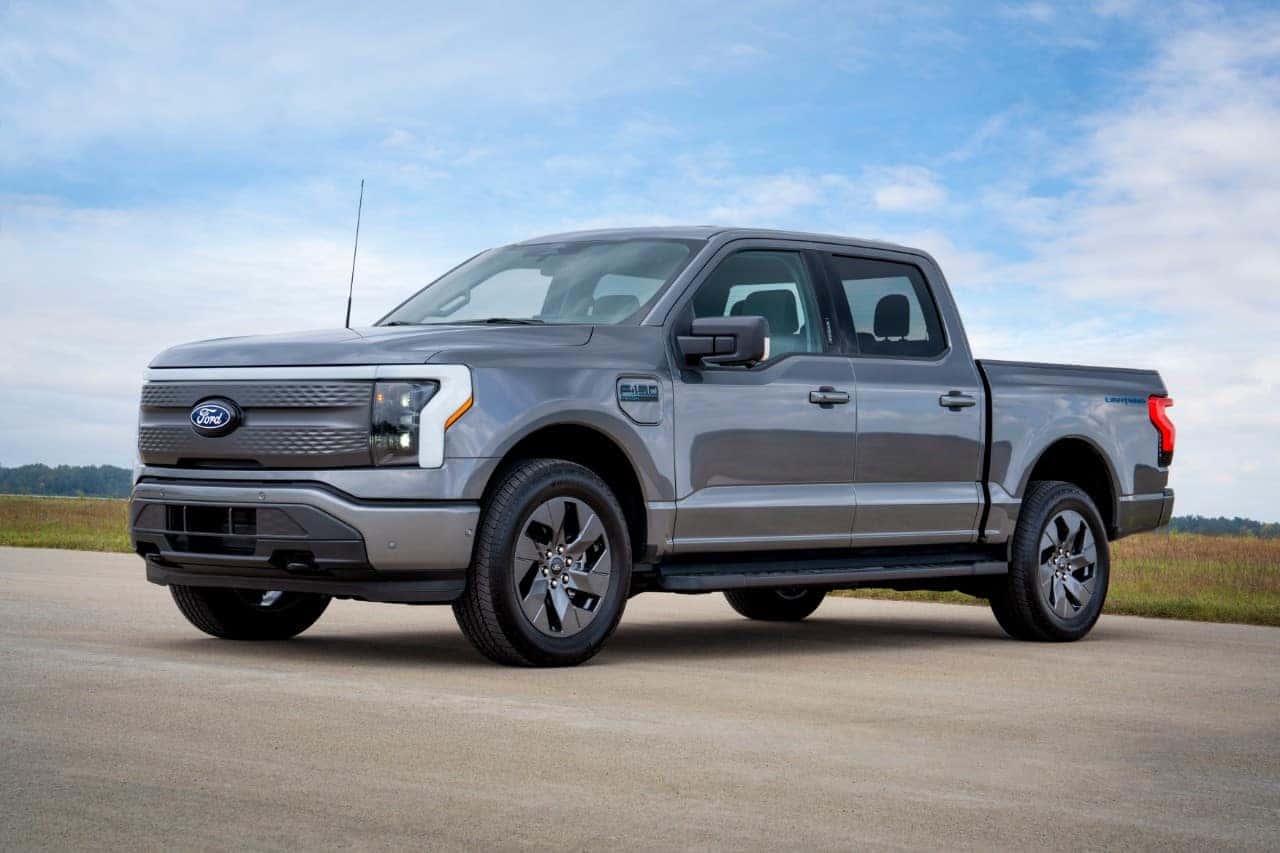
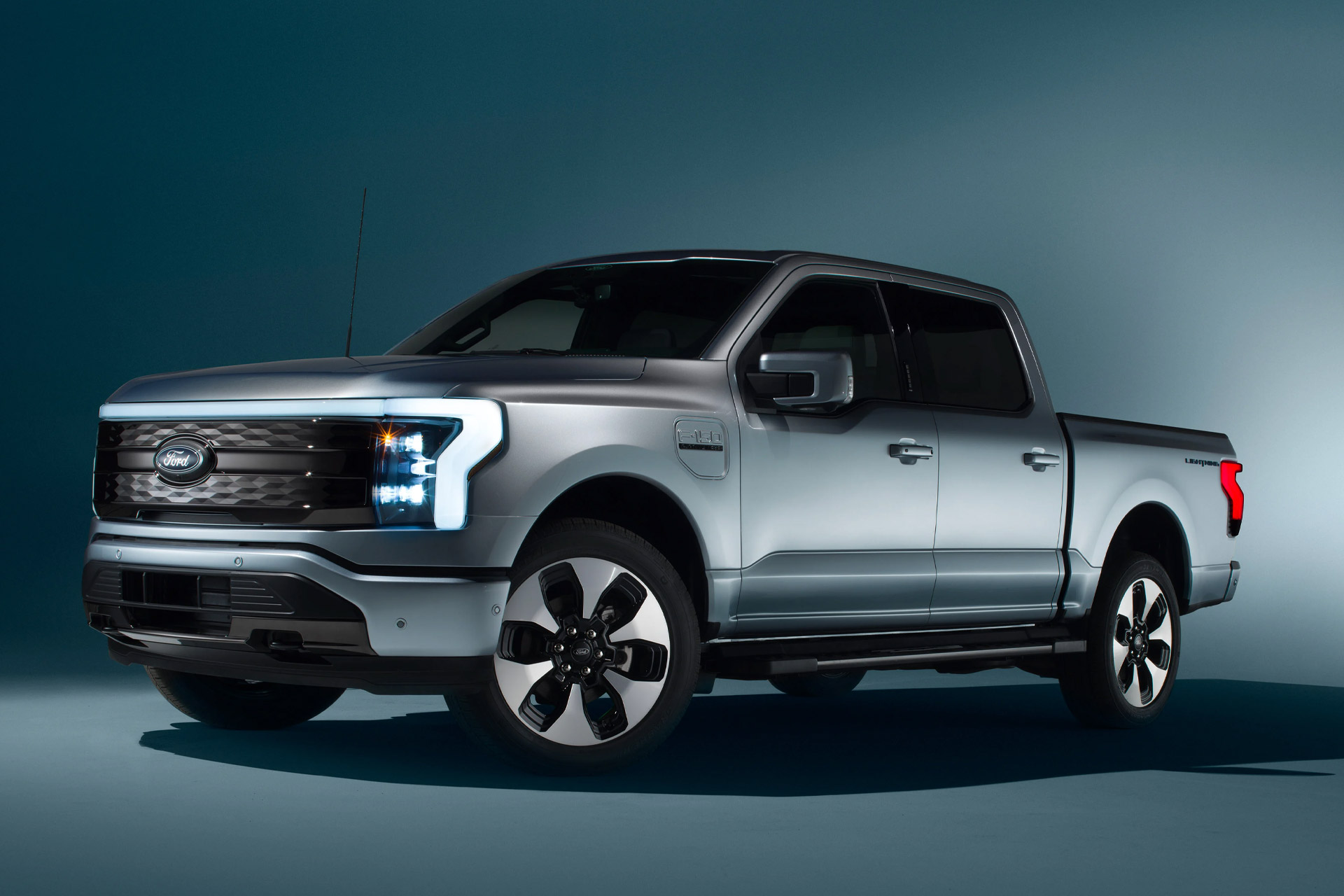
For over a century, the F-150 has been the undisputed king of American driveways, a symbol of rugged capability and unshakable reliability. But the Lightning? It’s not just a successor—it’s a paradigm shift. With instant torque that pins you to your seat, a frunk (yes, a front trunk) that could swallow a small suitcase, and a range that laughs at weekend getaways, the Lightning proves that electric vehicles aren’t just for city slickers with short commutes. This is a truck built for the wild, the untamed, and the unapologetically ambitious.
Under the hood—or rather, beneath the floorpan—lies a 98 kWh battery pack (or a mighty 131 kWh in the extended-range model) paired with dual electric motors. The result? Up to 580 horsepower and 775 lb-ft of torque, numbers that would make a diesel V8 blush. Yet, it’s the subtler innovations that steal the show: the ability to power your home for up to three days during a blackout, or the Pro Power Onboard feature that turns the truck into a mobile generator, capable of juicing up everything from power tools to a full-blown tailgate party.
Charging into the Unknown: The Great Range Anxiety Debate
Every electric vehicle faces the same existential question: “Can it go the distance?” For the F-150 Lightning, the answer is a resounding yes—but with a twist. While its EPA-estimated range of 240 to 320 miles is impressive, real-world conditions can be a fickle beast. Cold weather saps battery life like a vampire in a snowstorm, and aggressive driving habits can turn those promised miles into a mirage. Then there’s the charging infrastructure. Sure, Ford’s BlueOval Charge Network is expanding, but what happens when you’re in the middle of nowhere, your battery’s at 10%, and the nearest charging station is a mirage on the horizon?
This is where the Lightning’s Achilles’ heel begins to show its teeth. Unlike gas stations, which are as ubiquitous as stop signs, charging stations can be as rare as a quiet highway. And even when you find one, not all are created equal. Some are blazingly fast, while others might as well be tortoise-speed USB ports. The Lightning’s max charging rate of 150 kW is impressive, but if you’re stuck at a 50 kW station, you’re in for a long, restless wait. The question lingers: Is the Lightning’s range truly revolutionary, or is it just a cleverly marketed compromise?
The Silent Revolution: What Happens When the Truck Stops Roaring?
Electric vehicles are often praised for their silence, a trait that’s both eerie and exhilarating. There’s no growl of a V8, no symphony of pistons—just a whisper of wind and the faint hum of electrons. But what happens when that silence becomes a liability? Pedestrians, cyclists, and even wildlife rely on the auditory cues of internal combustion engines to navigate the world. The F-150 Lightning, like all EVs, comes equipped with an artificial sound system to mimic engine noise at low speeds, but is it enough?
Studies suggest that quiet vehicles can pose a real danger, especially in urban environments where the absence of a rumbling engine might lead to accidents. Ford has addressed this with its Acoustic Vehicle Alerting System (AVAS), which emits a futuristic whirring sound at speeds below 20 mph. But does it truly replicate the visceral thrill of a V8’s idle? Or does it just remind us that the age of raw mechanical symphony is fading into the past?
Towing Titans: Can the Lightning Outmuscle the Old Guard?
For truck enthusiasts, towing capacity is the ultimate litmus test. Can the Lightning, with its electric underpinnings, stand tall against the titans of diesel towing? The answer is a thunderous yes. With a maximum towing capacity of 10,000 pounds (when properly equipped), the Lightning doesn’t just meet the mark—it obliterates it. The instant torque delivery means you’ll feel the pull from the moment you press the pedal, and the regenerative braking system ensures you can haul heavy loads without constantly riding the brake pedal into oblivion.
But here’s the catch: towing an electric truck isn’t the same as towing a gas-guzzler. The weight of the battery pack shifts the truck’s center of gravity, making it more prone to sway in crosswinds. And while the Lightning’s air suspension can help mitigate this, it’s not a magic bullet. Add in the fact that towing reduces your range by up to 50%, and suddenly, that weekend camping trip to the mountains requires a bit more planning. Is the Lightning a towing titan? Absolutely. But is it the perfect towing companion? That depends on how much you’re willing to adapt.
The Price of Progress: Is the Lightning Worth the Sticker Shock?
Let’s talk numbers. The Ford F-150 Lightning starts at around $55,000, a price tag that’s steep but not unreasonable for a truck of its caliber. The extended-range model, with its larger battery and longer range, pushes past $90,000. For some, this is a steal. For others, it’s a hard pill to swallow. After all, you could buy a fully loaded gas-powered F-150 for less—and still have money left over for a lifetime supply of premium gasoline.
But here’s the thing: the Lightning isn’t just a truck; it’s an investment. In states with generous EV incentives, the price drops significantly. Factor in the savings on fuel, maintenance, and potential tax credits, and the Lightning starts to look like a bargain. Plus, let’s not forget the intangible benefits: the bragging rights of owning a piece of the future, the satisfaction of knowing you’re reducing your carbon footprint, and the sheer joy of flooring it in a vehicle that’s rewriting the rules of performance.

The Road Ahead: What’s Next for the Lightning?
The F-150 Lightning isn’t just a truck; it’s a rolling laboratory, a testbed for the future of automotive innovation. Ford has already teased updates and over-the-air (OTA) improvements, promising to keep the Lightning at the cutting edge. Imagine software updates that enhance performance, extend range, or even introduce new features like advanced driver-assistance systems (ADAS) that evolve over time. The Lightning isn’t just a static machine; it’s a dynamic entity, growing and adapting with each passing mile.
But the road ahead isn’t without its potholes. Battery degradation, charging infrastructure gaps, and the ever-present specter of range anxiety will continue to test the Lightning’s mettle. And then there’s the competition. Rivian, Tesla, and even legacy automakers are hot on Ford’s heels, each vying to claim a slice of the electric truck pie. Can the Lightning maintain its dominance, or will it be eclipsed by a newer, shinier contender?
The Ford F-150 Lightning is more than a truck—it’s a statement. It’s a challenge to the status quo, a defiant roar in the face of tradition, and a glimpse into a future where trucks don’t just haul our burdens but also our dreams. It’s not perfect. No machine is. But in a world clamoring for change, the Lightning stands as a beacon of what’s possible when you dare to rethink the road ahead.