Have you ever found yourself knee-deep in crumbs, sticky fingerprints, and the faint aroma of last week’s lunch while staring into the abyss of your minivan’s interior? If so, you’re not alone. The modern minivan has evolved from a mere people-hauler into a mobile sanctuary of convenience—complete with built-in vacuums, refrigerated compartments, and even Wi-Fi hotspots. But here’s the twist: as automakers race to outdo one another with family-friendly innovations, a curious question lingers in the air like the scent of a freshly vacuumed minivan—are minivans with vacuum cleaners still a thing?
Once a novelty that turned heads and sparked envy among soccer moms and road-trip enthusiasts alike, the idea of a vacuum-equipped minivan now feels like a relic of a bygone era—or does it? The answer isn’t as straightforward as a GPS route. Let’s dive into the evolution of these automotive marvels, explore why they captured our imaginations, and uncover whether they’re still lurking in showrooms or if they’ve quietly vanished into the annals of automotive history.
The Rise of the Vacuum-Equipped Minivan: A Revolution on Wheels
Picture this: It’s the early 2000s, and minivans are the undisputed kings of family transportation. But they’re not just about sliding doors and bench seats anymore. Automakers, in a bid to woo parents drowning in a sea of juice boxes and soccer cleats, began outfitting these rolling living rooms with features that blurred the line between car and home. Enter the vacuum-equipped minivan—a game-changer that promised to banish the dreaded post-road-trip cleanup.
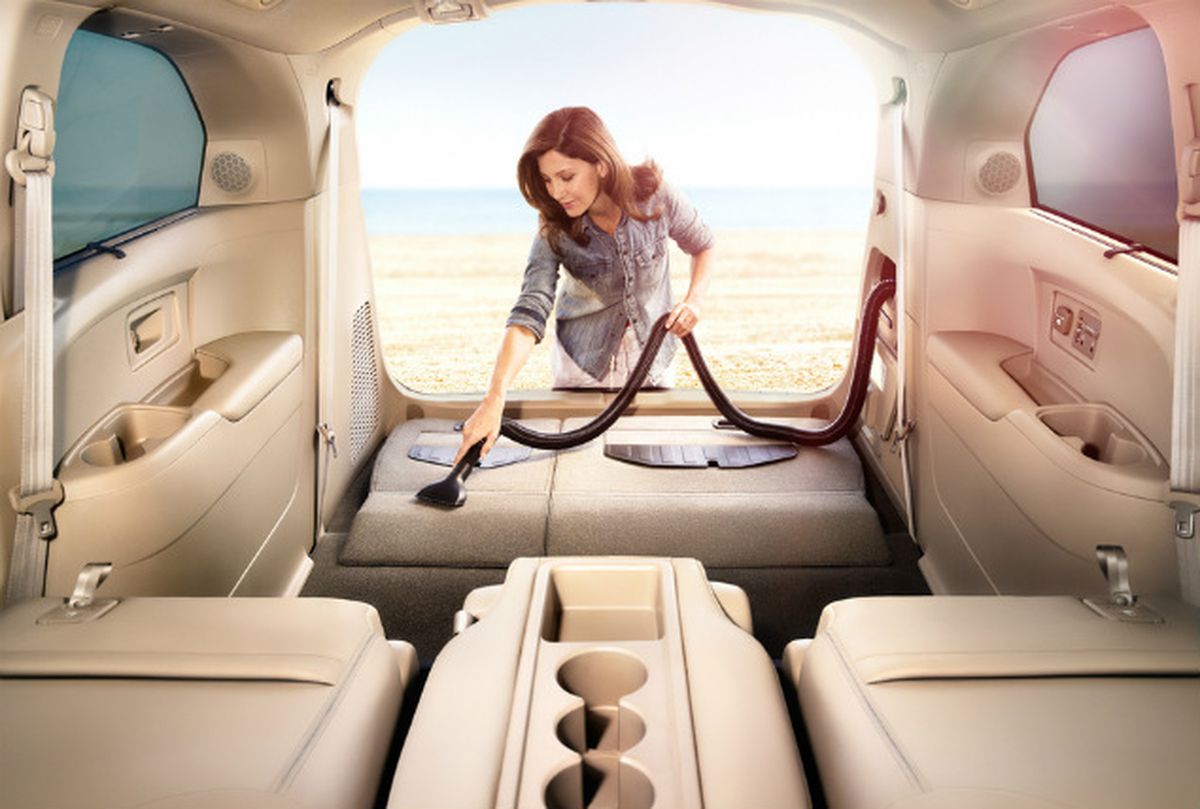
The concept was simple yet brilliant. A built-in vacuum, often tucked away in a cleverly disguised compartment, allowed parents to suck up the chaos of daily life without ever leaving the driver’s seat. No more hauling a bulky Shop-Vac from the garage or resorting to desperate crumb-sweeping with a paper towel. It was efficiency meets indulgence, a symphony of suction and convenience that turned errand-running into a less soul-crushing endeavor.
Brands like Honda and Toyota led the charge, with models like the Honda Odyssey and Toyota Sienna offering integrated vacuum systems as optional (or in some cases, standard) features. These weren’t your average handheld vacuums, either. They were powerful, often cordless, and designed to tackle everything from pet hair to the remnants of a hastily eaten granola bar. The message was clear: minivans weren’t just for schlepping kids around anymore. They were for maintaining sanity on the go.
Where Did They Go? The Vanishing Act of the Built-In Vacuum
Fast-forward to today, and the vacuum-equipped minivan feels like a unicorn—rare, almost mythical, and occasionally glimpsed in the wild. So, what happened? Why did this once-celebrated feature fade into obscurity? The answer lies in a perfect storm of consumer trends, technological shifts, and the relentless march of automotive innovation.
First, let’s talk about consumer preferences. While the idea of a built-in vacuum was undeniably appealing, it came with a hefty price tag. Minivans were already a significant investment, and adding a premium feature like a vacuum system pushed the cost even higher. Many buyers, especially those on tighter budgets, opted for more affordable alternatives—like portable, rechargeable vacuums that could be stored in the trunk or garage. Why pay extra for a feature you might use once a month when you could buy a standalone vacuum for a fraction of the cost?
Then there’s the issue of space and practicality. Minivans are designed to maximize passenger and cargo room, and every cubic inch counts. A built-in vacuum, while convenient, takes up valuable real estate. As automakers shifted their focus toward features like hybrid powertrains, advanced infotainment systems, and even autonomous driving capabilities, the vacuum system often got the short end of the stick. It’s hard to justify dedicating precious storage space to a feature that, while useful, isn’t a deal-breaker for most buyers.
Finally, the rise of aftermarket solutions played a role in the vacuum’s decline. Why rely on an automaker’s clunky, one-size-fits-all vacuum when you could choose a sleek, high-powered model from a company like Dyson or Shark? These portable vacuums are lighter, more efficient, and—most importantly—upgradable. They don’t tie you to a specific vehicle, and they don’t require a mechanic’s touch to repair. In an era where customization and flexibility reign supreme, the built-in vacuum simply couldn’t compete.
The Modern Minivan: A New Era of Convenience
So, does this mean the vacuum-equipped minivan is dead? Not necessarily. It’s more accurate to say it’s evolved. Today’s minivans are packed with features that cater to the same needs—cleanliness, comfort, and convenience—but they’ve taken a different approach. Instead of integrating a vacuum into the vehicle’s design, automakers have turned to smart storage solutions and modular interiors that make cleanup easier than ever.
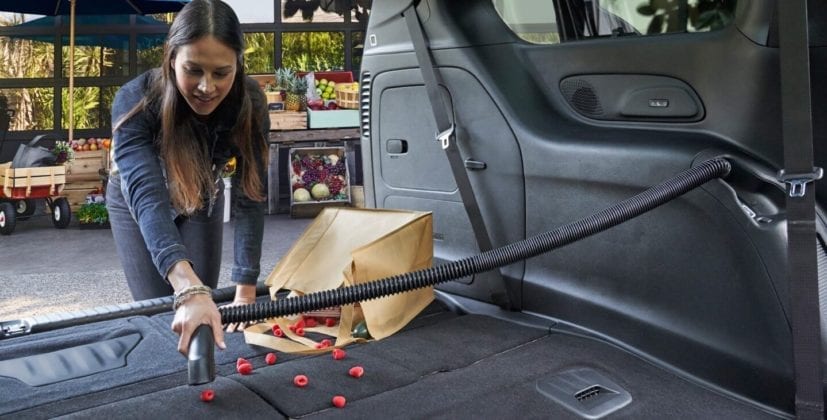
Take the 2025 Toyota Sienna, for example. While it may not come with a built-in vacuum, it offers a trifecta of features designed to keep messes at bay. The available Stow ‘n Go seating allows you to fold the second and third rows flat, creating a massive, carpet-free cargo area that’s a breeze to vacuum—even with a handheld model. Add in the available rear-seat entertainment system to keep the kids occupied (and thus, less likely to turn the van into a war zone), and you’ve got a recipe for a stress-free ride.
Honda, too, has embraced a more flexible approach. The Honda Odyssey now offers a rear entertainment system with built-in vacuum storage—a clever workaround that gives parents the best of both worlds. The vacuum isn’t integrated into the vehicle’s structure, but it’s close enough to be convenient without sacrificing space or functionality. It’s a nod to the past, reimagined for the present.

Is It Still Worth It? Weighing the Pros and Cons
If you’re in the market for a minivan and the idea of a built-in vacuum still tickles your fancy, you might be wondering: should you hold out for one, or is it time to embrace the portable alternative? The answer depends on your priorities, your budget, and how much you value convenience.
The case for a built-in vacuum: If you’re a parent of young children, own pets, or simply dread the idea of vacuuming your car with a handheld model, a built-in system could be a game-changer. It’s one less thing to carry, one less thing to charge, and one less excuse to procrastinate on cleanup. Plus, let’s be honest—it’s undeniably cool. There’s something undeniably satisfying about pressing a button and watching the chaos disappear in seconds.
The case against: Built-in vacuums are expensive, often adding thousands to the sticker price. They’re also less powerful than their standalone counterparts, and repairs can be a nightmare if something goes wrong. And let’s not forget the elephant in the room: most minivans with built-in vacuums are older models, meaning you’ll likely be buying used. If you’re not prepared to sink money into maintenance or upgrades, a portable vacuum is the smarter choice.
For most buyers, the portable vacuum wins out. It’s affordable, versatile, and doesn’t tie you to a specific vehicle. But if you’re a die-hard fan of the built-in experience, you might still find a gem lurking in a dealership’s used inventory—or you could always retrofit an older model with an aftermarket system. The choice is yours.
The Future of Minivan Convenience: What’s Next?
As we look ahead, the minivan’s evolution shows no signs of slowing down. Automakers are doubling down on features that cater to the modern family’s needs, from air purification systems to self-cleaning interiors. Could we see a resurgence of the built-in vacuum in the future? It’s not out of the question.
Imagine a minivan equipped with a robot vacuum that activates automatically when you park, or a UV-C light system that sanitizes surfaces while you’re away. The possibilities are endless, and the vacuum—whether built-in or portable—might just be the beginning. For now, though, the built-in vacuum remains a nostalgic relic, a reminder of a time when automakers dared to dream big and parents reveled in the luxury of a mess-free ride.
So, is the vacuum-equipped minivan still available? The short answer is yes—but you’ll have to hunt for it. The long answer is that its legacy lives on in the form of smarter, more adaptable solutions that make cleanup a breeze. Whether you’re a fan of the old-school approach or a devotee of modern convenience, one thing’s for sure: the minivan’s journey is far from over.
Next time you slide open the door of your minivan, take a moment to appreciate the innovations that have transformed it from a simple people-hauler into a rolling sanctuary. And if you’re lucky enough to find a model with a built-in vacuum, consider yourself a lucky duck. After all, not everyone gets to experience the joy of a car that cleans itself.