Shopping for a new hatchback in 2026 can feel like wandering through a carnival of chrome and catchphrases. Yet the real cost often hides behind the ticket booth: insurance. If you want a subcompact hatchback that’s not only affordable to buy, but also less punishing to insure, you’re really chasing two intertwined spirits—value and peace of mind. The cheapest winners tend to share a common pattern: predictable repair costs, widespread parts availability, and insurance models that lean toward “average risk” rather than “wildcard.”
Below is a ranked, insight-first look at the cheapest 2026 subcompact hatchbacks to insure. Think of it like a map where every turn is a premium dollar you keep in your pocket. And like any good road trip, the route matters: your ZIP code, driving record, trim choice, and even annual mileage can shift the final number more than you’d expect. Still, some models consistently invite kinder rates.
How “Cheap to Insure” Really Works in 2026
Insurance pricing isn’t a single lever; it’s a whole orchestra. Companies weigh claim frequency, historical loss severity, and the cost of parts and labor. Subcompact hatchbacks often win because they’re designed for daily commuting rather than daredevil escapades. Lower horsepower, lighter curb weight, and more common body panels can translate into fewer catastrophic repair scenarios.
Consider this: when a car is easy to understand—by technicians, insurers, and parts suppliers—its risk profile becomes less mysterious. Mysterious risk is expensive risk. Plain, replaceable, and repairable tends to be cheaper. So when you’re hunting for “cheap to insure,” you’re not just shopping for a brand name. You’re shopping for a statistical temperament.
Finally, trims matter. A base model with fewer high-end features may be cheaper to insure simply because it costs less to fix and contains fewer tempting targets for theft. If you’re optimizing for insurance affordability, start with the trims that keep complexity to a minimum.
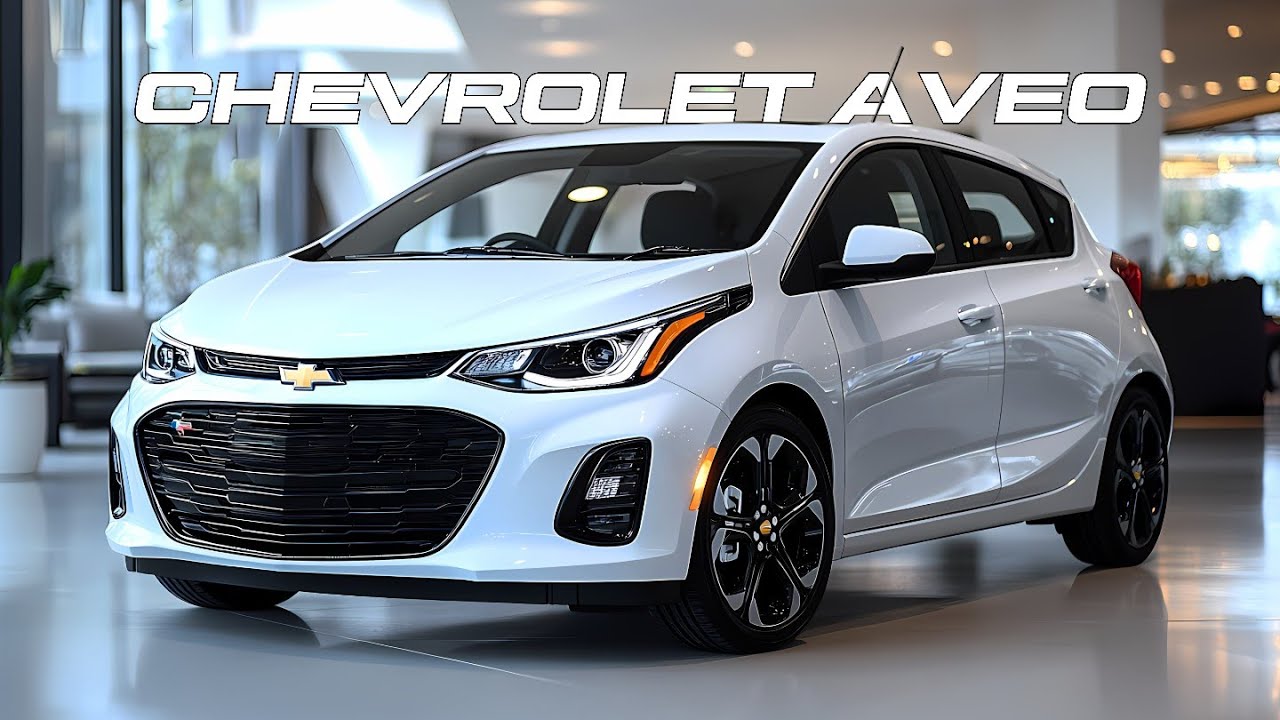
Rank #10: 2026 Chevrolet Aveo Hatchback
At the lower end of the insurance spectrum, the 2026 Chevrolet Aveo Hatchback earns attention for a simple reason: it’s built to be pragmatic. Insurance companies typically view mainstream, high-volume models as easier to price accurately. When parts supply chains are well established, repair doesn’t become a scavenger hunt.
Its hatchback format is part of the appeal. It’s like a Swiss Army knife—small outside, surprisingly versatile inside. That usability can also reduce the likelihood you’ll treat the vehicle like a fragile ornament. You drive it, load it, and use it like it was meant to be used.

Why it tends to be economical to insure:
Lower acquisition cost for replacement scenarios, broad familiarity among insurers, and a repair profile that usually isn’t alarming.
Rank #9: 2026 Budget-Friendly Hatchbacks (Edmunds-Inspired Picks)
Budget hatchbacks are the stealth aircraft of the car world. From a distance they look modest, but once you’re living with them, you realize they’re engineered for survival—parking-lot agility, commuter efficiency, and an interior that doesn’t feel like a compromise museum.
In 2026, insurance pricing for these picks often follows a recognizable pattern: they’re not loaded with rare technology, they don’t carry flashy trim packages that dramatically increase repair costs, and they’re usually backed by a steady rhythm of parts availability.

What to watch while comparing within the budget category:
Choose the trim with fewer expensive upgrades. If two versions share the same core mechanicals, the cheaper one often wins the insurance showdown simply because it’s less costly to restore after the unexpected.
Rank #8: The “Repair-Friendly” Subcompact Strategy
Some hatchbacks don’t win because they’re the cheapest to buy—they win because they’re the easiest to mend. Insurance companies love predictability. A car whose bumper cover, headlamp assembly, and typical wear items are produced at scale can lead to calmer claims experiences.
Think of it like cookware. You don’t want a skillet made of exotic materials; you want something with replacement parts you can find without calling three phone numbers and whispering a prayer. In insurance terms, that translates to lower average labor and parts costs.
Insurance-leaning checklist:
Look for models with high parts availability, moderate safety feature complexity, and a trim lineup that doesn’t swing wildly from “simple” to “luxury spaceship.”
Rank #7: Fleet-Common Models (The Quiet Advantage)
Fleet-common vehicles—ones that show up repeatedly in rental and high-mileage settings—often experience more consistent repair pricing. A hatchback that’s frequently encountered by body shops becomes less of an enigma. And when it’s less of an enigma, the bill usually arrives smaller.
There’s also a psychological component. Body shops and insurers develop routines. Routine reduces time. Time is money, even when the calculator tries to pretend it isn’t.
Rank #6: Safety Tech That Doesn’t Explode Repair Costs
Safety features are wonderful—until they become expensive to recalibrate after a minor collision. In 2026, some subcompact hatchbacks offer driver-assistance systems that are helpful and not overly exotic. The sweet spot is technology that reduces accidents without turning every fender-bender into a boutique repair experience.
When comparing candidates, prioritize models that pair sensible safety tech with practical design. A well-balanced system tends to be less costly for insurers and more reassuring for drivers.
Rank #5: Lower Theft Attractiveness and Steal-Resistant Design
Insurance rates can be influenced by theft trends. If a model isn’t frequently targeted, insurers often respond with lower premiums. This doesn’t mean you should ignore security. It means the vehicle’s baseline risk may already be tempered.
Choose features like immobilizers and reputable alarm systems. Add a steering wheel lock if you want an extra layer of inconvenience for would-be thieves. In the insurance universe, deterrence is often cheaper than recovery.
Rank #4: Compression of Cost—When Trims Matter Most
Subcompact hatchbacks frequently offer trims that differ mainly in appearance and interior convenience. But insurance doesn’t care only about beauty. It cares about replacement cost. Wheels, lighting packages, and infotainment upgrades can change repair bills even if the engine is identical.
If your goal is cheapest-to-insure, treat trim selection like choosing an outfit for a weather forecast. You don’t wear a tuxedo to a construction site. You choose something durable. The same logic applies here: base or mid trims often carry kinder premiums than flashy variants.
Rank #3: The Mileage and Location Equation (Your Personal Multiplier)
Even the most insurance-friendly hatchback can become expensive in a high-risk ZIP code. Urban congestion, claim frequency, and weather events can reshape the arithmetic. Likewise, annual mileage influences how often you’re on the road—more time exposed typically means more claim probability.
So while your car choice sets the baseline, your personal profile often acts like a multiplier. If you can, consider bundling policies, raising deductibles thoughtfully, and choosing coverage limits that match your actual risk tolerance.
Rank #2: The Deductible Dance and Coverage Smartness
Insurance affordability isn’t only about the premium. It’s also about what you pay when something goes wrong. A higher deductible can lower monthly costs, but only if you can cover it without financial whiplash.
Ask yourself: could you handle the deductible in an emergency? If yes, a higher deductible may be a strategic move. If no, lean toward lower deductibles and focus on selecting the insurance-friendly trim and model.
Rank #1: The Best Overall Play—Affordable, Repairable, Common
So what usually wins the “cheapest to insure” ranking? The best overall play is a subcompact hatchback that’s affordable to repair, not heavily customized, and widely recognized by insurers and body shops. It’s the kind of car that doesn’t attract attention from thieves, doesn’t demand rare parts, and doesn’t turn routine accidents into expensive mysteries.
In 2026, that combination often belongs to the mainstream budget hatchbacks—vehicles built for everyday life rather than headline spectacle. They’re the kind of choice that feels quietly confident, like a sturdy umbrella in a city that always seems to surprise you with sudden rain.
Quick Tips to Confirm the Cheapest Rate Before You Buy
Before signing anything, request quotes for the exact year, make, model, and trim you’re considering. Mention any driver history details accurately. Ask about discounts for safe driving, anti-theft systems, multi-policy bundling, and eligible telematics programs.
Also compare coverage levels side-by-side. One quote may look cheap because it has different deductibles or limits. The cheapest “premium” isn’t always the cheapest “protection.”
Outro: Keep the Hatch, Keep the Budget
Cheapest-to-insure 2026 subcompact hatchbacks aren’t just about saving money—they’re about choosing a calmer relationship with risk. The best picks behave like practical tools: they handle daily life, they’re repairable without drama, and they fit your financial reality.
Drive the hatchback that fits your schedule, verify insurance for your specific ZIP and coverage preferences, and let the numbers do the final persuasion. When the premium feels reasonable, the car stops being a question mark and starts feeling like an ally.