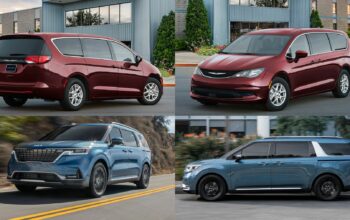
In the ever-evolving landscape of family transportation, the minivan remains a stalwart choice for parents, road trippers, and anyone who values space without sacrificing comfort. Yet, as the automotive world tilts toward electrification, a pivotal question emerges: Is it time to trade your gas-guzzling minivan for a hybrid counterpart? Over five years, the financial implications of this decision stretch far beyond the sticker price, weaving through fuel costs, maintenance, depreciation, and even resale value. This isn’t just about crunching numbers—it’s about understanding how these choices ripple through your life, your wallet, and the planet. Buckle up as we dissect the hybrid minivan versus gas minivan debate, not with dry spreadsheets, but with a narrative that brings clarity, context, and a dash of wisdom to your next family-hauling decision.
Imagine this: You’re parked at a bustling soccer field, your minivan’s sliding doors wide open, kids tumbling out with their gear. The sun is high, the AC is blasting, and you’re idling, waiting for the chaos to subside. That’s when the fuel gauge needle dips a little lower, and the wallet in your back pocket feels a bit lighter. Now, picture the same scene—but this time, your minivan sips fuel like a fine espresso, barely registering the stop-and-go traffic. The difference isn’t just in the ride; it’s in the numbers that quietly accumulate over time. Over five years, the choice between a hybrid and a gas minivan isn’t just about upfront cost—it’s about the cumulative impact on your finances, your time, and your carbon footprint. Let’s break down what you can expect in each category, so you can drive away with confidence, not confusion.
The Upfront Investment: Sticker Shock vs. Long-Term Value
Walking into a dealership, the hybrid minivan’s price tag often feels like a steep mountain to climb. Hybrid technology—batteries, electric motors, sophisticated powertrain integration—adds thousands to the base price. A gas minivan, by contrast, offers a more familiar, budget-friendly entry point. But here’s the twist: that initial premium isn’t just a one-time hit. It’s the first domino in a five-year domino effect. Over time, the hybrid’s higher efficiency and lower fuel consumption can erode that upfront gap, especially if gas prices remain volatile or trend upward. Some buyers offset the premium with tax credits or rebates, turning the hybrid into a smarter long-term play. Others prioritize immediate affordability and accept the higher running costs. The key is to calculate your break-even point—how many miles you drive annually and how much you pay per gallon. For a family averaging 15,000 miles a year and gas at $3.50 per gallon, the hybrid may start paying for itself in as little as three years. But if your driving is sporadic or fuel prices dip, the math shifts. Always run the numbers with your specific habits in mind.
Fuel Efficiency: The Silent Savings Champion
Hybrid minivans are the marathon runners of the automotive world—steady, efficient, and relentless in their pursuit of fuel economy. With regenerative braking, idle-stop systems, and dual powertrains, they sip gasoline like a fine wine, often delivering 35 to 40 miles per gallon in mixed driving. Gas minivans, while improving, still hover around 20 to 25 mpg. Over five years and 75,000 miles, that difference translates to hundreds—sometimes thousands—of dollars saved at the pump. But it’s not just about the gallons. It’s about the peace of mind. No more white-knuckle moments at the pump when gas prices spike. No more budgeting for a sudden fill-up that empties your wallet. The hybrid’s efficiency also means fewer emissions, a quieter cabin, and a reduced carbon footprint. For eco-conscious families, this isn’t just a financial win—it’s a moral one. And in a world where sustainability matters more than ever, that’s a value that transcends dollars and cents.

Maintenance and Repairs: The Hidden Cost Iceberg
Every vehicle comes with a maintenance schedule, but hybrids and gas models don’t age the same way. Hybrids have more complex systems—batteries, inverters, electric motors—but they also experience less wear on traditional components like brakes and engines. Regenerative braking reduces brake pad replacements, and the internal combustion engine runs less frequently, extending its lifespan. Gas minivans, while simpler, demand more frequent oil changes, transmission servicing, and exhaust system upkeep. Over five years, the hybrid’s maintenance costs often dip below those of its gas counterpart. However, when repairs are needed, hybrid components can be pricier due to specialized labor and parts. Battery replacement, though rare in the first five years, can cost several thousand dollars out of pocket. Still, most hybrids come with long warranties—often eight to ten years on the battery—which mitigates this risk. The bottom line? Hybrids may save you money in routine maintenance, but always factor in potential long-term repair costs and warranty coverage when comparing.
Depreciation and Resale Value: The Long Game of Ownership
Depreciation is the silent wealth eroder of car ownership. A new minivan loses value the moment you drive it off the lot, and the rate of decline depends on fuel type, brand reputation, and market demand. Historically, hybrids have held their value better than gas models, thanks to their fuel efficiency and eco-friendly appeal. A hybrid minivan may depreciate 40% over five years, while a comparable gas model could lose 50% or more. That difference matters when it’s time to trade in or sell. A hybrid with strong resale value can offset a portion of the upfront premium, making it a more financially sound choice in the long run. But beware: not all hybrids depreciate equally. Some brands and models hold value better than others, so research is key. Also, consider the used market. As hybrids become more common, their resale strength may wane slightly, but for now, they remain a smart investment for families planning to keep their vehicles for the long haul.
Total Cost of Ownership: The Big Picture Over Five Years
When you zoom out, the total cost of ownership (TCO) tells the most compelling story. This isn’t just about fuel or purchase price—it’s the sum of every expense: depreciation, fuel, maintenance, insurance, taxes, and even opportunity cost. For a typical hybrid minivan, the TCO over five years might land between $45,000 and $55,000, depending on model and driving habits. For a gas minivan, the range often stretches from $50,000 to $60,000. The hybrid wins on fuel savings and resale value, while the gas model may offer lower upfront costs and simpler repairs. But here’s the kicker: these numbers are averages. Your actual cost depends on your driving frequency, local gas prices, maintenance habits, and even your insurance premiums. Some families will see the hybrid pay off in two years; others may never break even. The only way to know for sure is to build a personalized TCO model using your own data. Tools like online calculators from AAA or fueleconomy.gov can help you plug in the variables and see the real impact on your budget.
Lifestyle and Practical Considerations: Beyond the Numbers
While spreadsheets are powerful, they don’t capture the intangibles—the quiet hum of an electric motor, the reduced guilt over carbon emissions, or the convenience of fewer trips to the gas station. Hybrids offer a smoother, quieter ride, especially in stop-and-go traffic, and their advanced safety features often outpace older gas models. Gas minivans, meanwhile, provide a familiar driving experience with widespread availability of parts and service. They’re easier to repair in rural areas and may offer more cargo flexibility with traditional fuel tanks. Families with long road trips might prefer the gas model’s longer range and quicker refueling. Others may prioritize the hybrid’s eco credentials or lower running costs. There’s no one-size-fits-all answer. The best choice depends on your values, your driving patterns, and your vision for the next five years. Are you a city dweller with short commutes? A hybrid may be ideal. Do you frequently haul equipment or drive in remote areas? A gas minivan could be more practical. Reflect on what matters most—not just to your wallet, but to your daily life.
As the sun sets on our five-year journey through the hybrid vs. gas minivan debate, one truth emerges: this isn’t just a financial decision—it’s a lifestyle one. The numbers tell a story, but they don’t capture the ease of a quiet ride, the satisfaction of lower emissions, or the relief of fewer trips to the pump. Whether you choose the hybrid’s efficiency or the gas model’s simplicity, the key is to align your choice with your values and habits. Over time, the hybrid may save you money, the gas model may offer peace of mind, and both will get you—and your family—where you need to go. The road ahead is yours to choose. Drive wisely.