Quick quiz time: you’re standing in a dealership showroom, keys jingling like tiny percussion. A hatchback is on your left, a compact SUV on your right. Both look ready for weekends, both promise convenience—but which one truly guards your belongings with the most generous, everyday-friendly cargo capacity?
Now here’s the playful part. Imagine a mini “boot-off” challenge: a bulky grocery haul, a weekend duffel, a laundry basket (the heavyweight variety), plus a couple of oddly shaped items you definitely didn’t plan for. You’ll “win” the bragging rights if your stuff fits without contorting your body like a pretzel. So—let’s settle the question: in 2026, which has more cargo?
First, let’s define “cargo” (because it’s not just about volume)
When people say “cargo space,” they often mean volume—how many liters you can cram into the trunk. But the story doesn’t end there. Usability matters just as much. A huge number on paper can still feel miserly if the opening is narrow, the loading height is inconvenient, or the shape is awkward for real-life bags.
Cargo capacity usually splits into two practical categories: behind-the-seat volume (what you can carry with the rear seats up) and total volume (what you can carry after folding the seats down). The “more cargo” winner depends on which scenario you care about most: daily errands or full weekend hauling.
Hatchbacks: compact footprints, surprisingly versatile cargo geometry
Hatchbacks are famous for their “multi-use” personality. Their rear design tends to create a longer, more continuous cargo area that’s easy to load from the back. The seats fold forward, and the hatch opening often allows you to slide items in with less drama.
In the 2026 lineup, many hatchbacks deliver a solid cargo proposition behind the rear seats—especially considering their size. They also tend to make better use of vertical space, which can be a lifesaver for shopping bags and backpack stacks. The floor in many models is relatively low, which reduces the effort needed to lift heavy groceries or boxes.
And then there’s the shape: hatchbacks often use a near-flat load floor when seats are folded, creating an inviting plane for suitcases, sports gear, and “I’ll just fit it” purchases from warehouse stores.
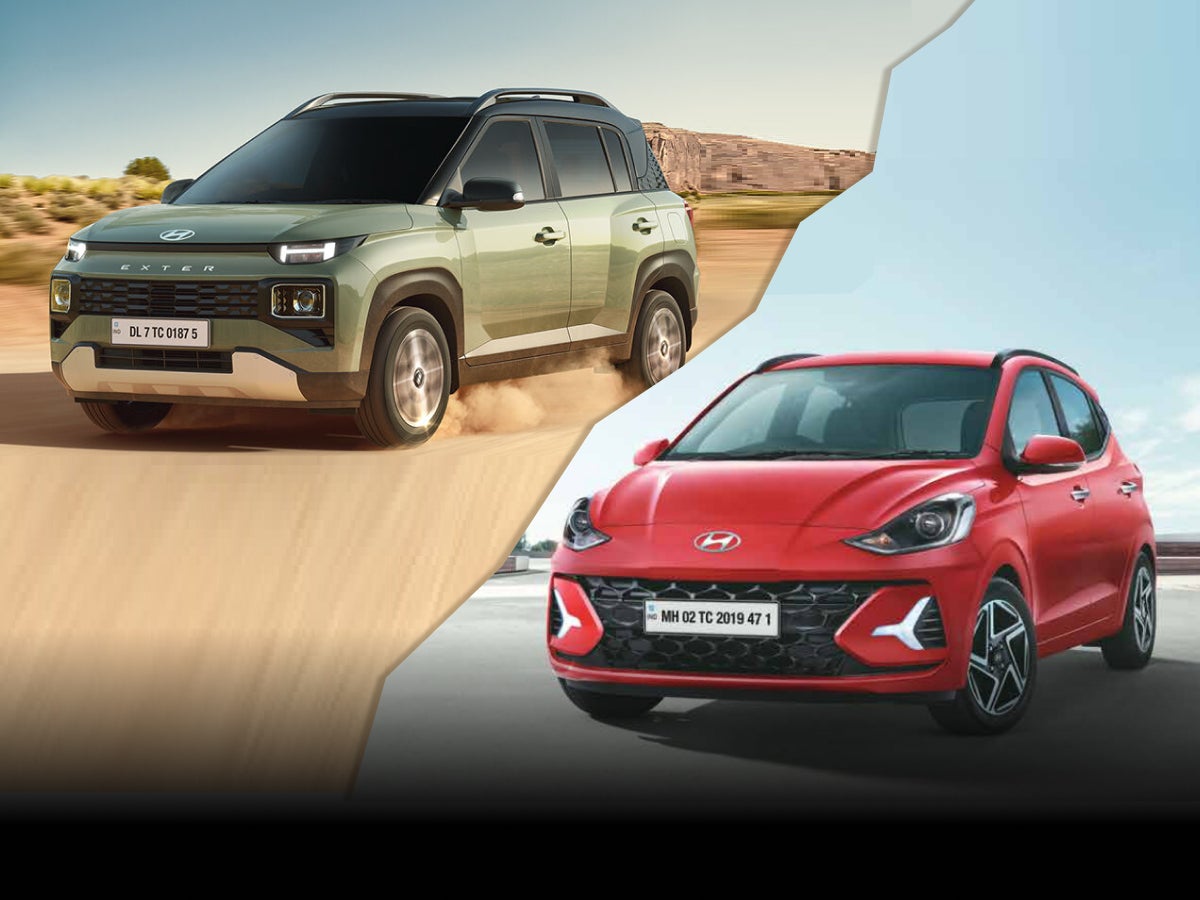
Compact SUVs: a taller stance, bigger “stuff-fit” confidence
Compact SUVs bring a different vibe to cargo life. They often feel like they’re built for hauling, even when they’re not the biggest vehicles in the lineup. That’s because their rear design frequently offers a higher cargo opening and a more upright cargo wall profile.
In many cases, compact SUVs are competitive—or even ahead—on total cargo volume with seats down. Why? Their platform packaging can create a deeper, more accommodating space when you fold the rear seats and flatten the load area as much as possible.
However, SUVs can sometimes have one annoying character trait: the load height. The trunk floor may sit higher than a hatchback’s, which can be mildly tedious when you’re loading heavy items. The good news? The taller opening can reduce awkward reach, and the upright rear walls can help you stack cargo with less wasted space.
Behind-the-seat storage: where the real daily difference hides
Here’s where the story becomes delightfully specific. Most people don’t fold seats every time they go out. So the key question is: with rear seats up, which offers more practical carrying room?
Hatchbacks can score well because their hatch design often preserves a more efficient shape behind the seats. Bags tend to sit naturally, and the cargo area can feel broader for day-to-day items. Compact SUVs may provide slightly more volume in some configurations, but you’ll want to look at how that volume translates into “real packing.”
Also, check cargo width between wheel arches. Some SUVs have a narrower opening where the wheel-arch intrusion reduces usable width. A hatchback can sometimes provide a calmer, more uniform platform for flat-bottom bags and bins.
When the seats fold: the weekend hauling face-off
Now bring in the challenge we promised. Picture a long weekend. You need a duffel, a couple of packing cubes, a cooler, and maybe—just maybe—a surprise item like a spare tire inflator kit or a flat-pack shelf you bought impulsively.
When rear seats fold down, compact SUVs often shine because of their deeper storage bins and favorable total-volume packaging. Yet hatchbacks can surprise you with their “flat-ish” load floors and hatch access that makes sliding items in easier.
Pay attention to three features during the cargo flip:
1) Load floor flatness: does it become nearly level or does it step up behind the front seats?
2) Cargo opening practicality: can you maneuver awkward shapes through the hatch opening?
3) Tie-down and storage points: do you have anchor points to stop your bags from sliding like tumbling dice?
Practical cargo details that don’t show up in brochures
Numbers are persuasive, but habits are stubborn. These subtle details often decide who wins in everyday life:
1) Loading height and reach: a higher trunk can feel like lifting a drawer out of a tall cabinet.
2) Rear-seat cushion depth: when seats fold, how much “shelf” remains at the back?
3) Underfloor storage: hatchbacks and some SUVs offer compartments that can swallow emergency gear, cables, and roadside necessities.
4) Access for tall items: the hatch opening shape and rear opening width determine whether you can fit items upright.
It’s not glamour, but it’s power. The most cargo isn’t always the most convenient cargo.

The “real world” answer: which one carries more for most people?
For most commuters and errand runners, a hatchback often feels like the more intuitive cargo companion. It’s easier to load, easier to park, and its cargo layout can make small-to-medium items feel surprisingly unproblematic. If your lifestyle is groceries, school runs, gym bags, and occasional weekend runs, a hatchback’s versatility can feel like a cheat code.
For people who frequently haul larger or irregular items—strollers, camping gear, bulky boxes, or “we’re taking the whole house” road trips—a compact SUV can deliver stronger hauling confidence. The deeper total volume and upright cargo walls often help with bulkier loads.
So who “wins” more cargo? If you measure purely by total capacity with seats folded, the compact SUV frequently has the edge. If you measure by effortless daily usability, the hatchback often feels bigger than it is.
Choose like a strategist: a quick test you can do today
Before you sign anything, do this mini obstacle course in the parking lot:
Bring a standard backpack plus a grocery tote or two. Then add a box or bag with a hard corner. Load it without hovering over the trunk like a helicopter pilot. If the opening forces awkward angles, you’ll feel that frustration later.
Next, fold the seats halfway and see how the space changes. Does the load floor become a comfortable plane, or does it turn into a puzzle of steps and ledges?
Finally, imagine your most annoying real-life cargo item. Tall laundry bags. Sports helmets. A flat-pack desk chair. Whatever it is—test for it, because cargo isn’t theoretical. It’s emotional.
Outro: the best cargo space is the one that fits your life
So the 2026 verdict is less about which badge looks more SUV-ish and more about how your belongings travel. Hatchbacks can win hearts with everyday flexibility, low loading effort, and a cargo area that’s friendly to frequent stops. Compact SUVs can win your “big haul” moments with deeper total space and stackable cargo geometry.
Take the playful challenge seriously, because your future weekend self will thank you. After all, the best cargo choice isn’t the one with the biggest number—it’s the one that makes packing feel effortless, not like a gymnastics routine.