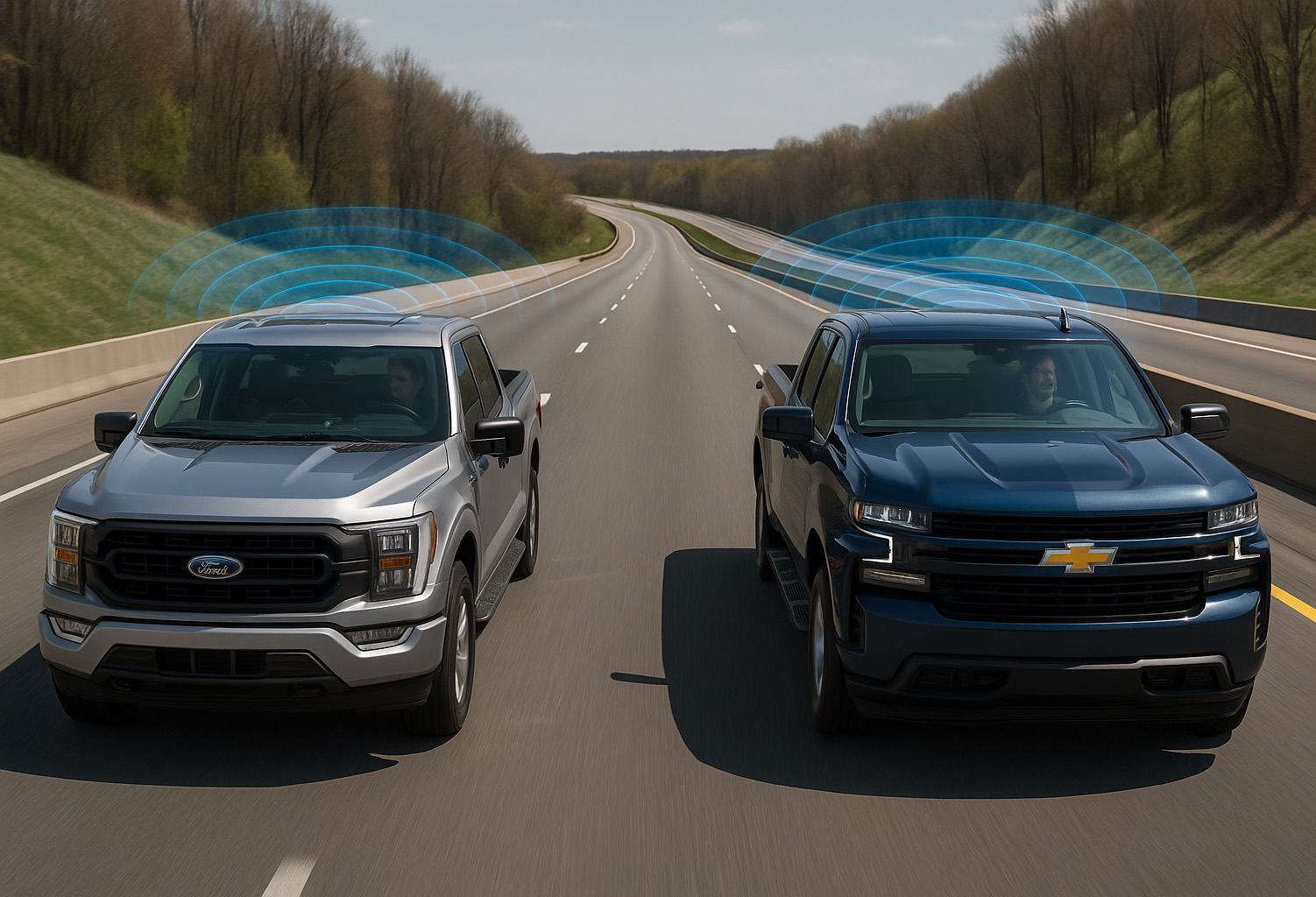
Imagine cruising down the highway, hands entirely off the wheel, while your truck effortlessly navigates traffic, maintains speed, and keeps you perfectly centered in the lane. Sounds like the realm of science fiction, right? Yet, in 2025, trucks equipped with hands-free driving technology are becoming the new normal, offering an exhilarating glimpse into the future of motoring. But here’s a playful conundrum: with competing systems like Ford’s BlueCruise and General Motors’ Super Cruise dominating the arena, which one truly redefines the freeway experience? Let’s buckle up and delve deep to unravel this hands-free rivalry.
Hands-Free Driving: The New Frontier for 2025 Trucks
The automotive landscape is shifting at an electrifying pace, especially when it comes to truck innovations. Beyond brute strength and towing capacity, modern trucks are embracing cutting-edge technology to enhance driver comfort and safety. Hands-free driving systems represent a seismic leap. No longer confined to just passenger cars, 2025 trucks are now adorned with sophisticated driver-assistance marvels that promise autonomous-like fluidity while maintaining human oversight. But with the fine print of “hands-free” varying by manufacturer, it’s essential to dissect what really sets apart these systems.
BlueCruise: Ford’s Answer to Effortless Highway Mastery
Ford’s BlueCruise arrives with a blend of advanced sensors, precise cameras, and intuitive software designed to master pre-mapped highways, officially dubbed “Blue Zones.” Within these sanctuaries, drivers can relinquish the steering wheel and enjoy a semi-autonomous voyage. BlueCruise leverages an infrared driver-facing camera to track attentiveness—because true hands-free driving demands vigilance despite the vehicle’s prowess.
The 2025 Ford F-150 Lightning, exemplifying this tech, makes hands-free driving approachable and practical. Its interface is crisp, complemented by smooth lane changes and adaptive cruise control that fluidly adjusts to traffic. The system even encourages subtle driver engagement through prompts or gentle nudges, maintaining safety without dampening the freedom of the experience.
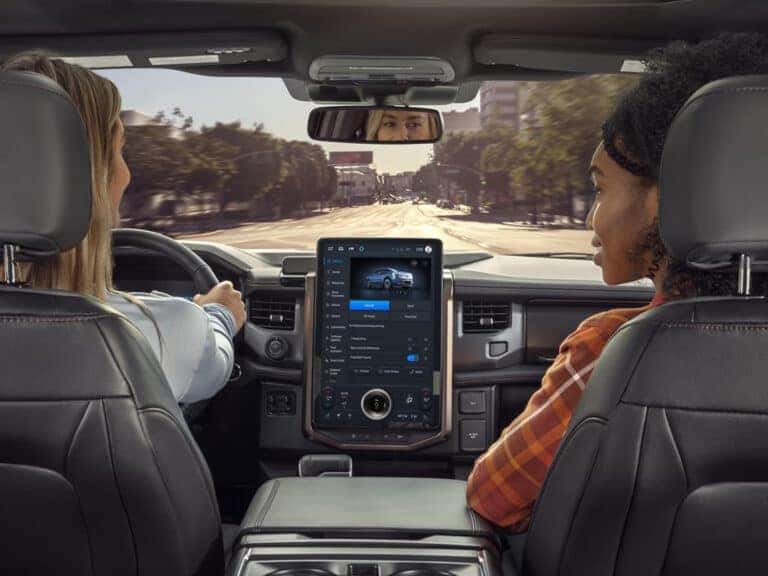
In essence, BlueCruise acts as a trusted co-pilot, ready to take over during monotonous highway stretches. This persistent emphasis on hands-off, eyes-on driving regimes combines legal prudence with technological finesse, making it a compelling choice for those who crave the thrill of futuristic motoring without surrendering total control.
Super Cruise: General Motors’ Pioneer of Hands-Free Innovation
Preceding BlueCruise, GM’s Super Cruise laid the groundwork for hands-free highway travel, captivating enthusiasts with its deceptively simple promise: let the vehicle steer, accelerate, and brake on mapped highways while you enjoy the ride. Like BlueCruise, Super Cruise uses a driver monitoring system that employs infrared cameras to ensure alertness, creating an intelligent balance between autonomy and oversight.
Super Cruise supports an impressively broad range of highways across the United States and Canada, encompassing more roads than many competitors, which provides a distinct advantage for long-haul drivers traversing varied terrains. Its integration across multiple GM brands—Chevrolet, GMC, Cadillac—ensures wide availability and continuous refinement.

The system’s deft lane-centering capability and smooth responsiveness make the driving experience feel remarkably natural. Moreover, Super Cruise’s seamless transition from manual to automated control adds to driver confidence, reducing anxiety when entering or exiting controlled zones.
Comparative Analysis: BlueCruise vs Super Cruise
When pitted against each other, BlueCruise and Super Cruise share many technological similarities—both boast hands-free capabilities on pre-mapped highways, driver monitoring systems, and adaptive cruise functionalities. Yet, nuances abound that shape the hands-free driving dialectics.
Highway Coverage: Super Cruise currently edges out with more miles of mapped roads. Its North American breadth is impressive, appealing especially to cross-country drivers. BlueCruise, while rapidly expanding, still trails slightly but has promising growth trajectories.
User Interface and Experience: BlueCruise integrates seamlessly with Ford’s intuitive SYNC infotainment system, offering clear visual cues and haptic feedback. The system’s “hands-off” indicators and engaging prompts are designed to cajole drivers into responsible use without intrusion. Super Cruise’s interface is equally refined, with an elegant driver display that communicates system state with clarity, and an available “Lane Change on Demand” feature that enhances autonomy by allowing the driver to initiate lane changes hands-free.
Vehicle Compatibility: Ford focuses primarily on its F-series lineup and select SUVs. The F-150 Lightning electrifies the equation by coupling sustainability with hands-free tech. Meanwhile, GM offers Super Cruise across a wider range of models, including pickup trucks like the Silverado and the Sierra, as well as luxury vehicles—a boon for consumers seeking either ruggedness or refinement.
Updates and Safety: Both manufacturers push regular software updates, ensuring continuous improvement. Over-the-air capabilities mean that system refinements roll out unobtrusively. Safety protocols are rigorous on both ends, with mechanisms to urge drivers to reengage if inattentiveness is detected.
Navigating Challenges: Hands-Free Driving’s Subtle Complexities
While the prospect of hands-free driving captivates imaginations, it presents non-trivial challenges. Not all highways qualify as “Blue Zones” or are mapped for Super Cruise; thus, drivers must remain acutely aware of geographical limitations. Adapting to different traffic conditions, roadworks, and weather introduces complexity that even the most intuitive systems cannot fully conquer.
Legal and ethical considerations persist as well. Laws governing autonomous and hands-free driving vary by state, requiring drivers to stay informed lest they inadvertently flout regulations. Additionally, the reliance on driver attentiveness while hands are off demands unwavering discipline—embodied in elaborate monitoring systems but ultimately dependent on human responsibility.
Embracing the Hands-Free Future
Looking ahead, the interplay between BlueCruise and Super Cruise epitomizes a thrilling era in automotive evolution, where trucks not only haul cargo but also elevate driving ergonomics into something extraordinary. These systems hinder the drudgery of highway monotony, enhance safety margins, and usher in a paradigm where the synergy between human and machine takes center stage.
For the modern truck enthusiast or the everyday commuter, 2025’s hands-free driving technologies offer more than novelty—they offer a transformative driving ethos. Deciding between Ford’s BlueCruise and GM’s Super Cruise ultimately aligns with personal preferences: be it broader highway access, interface design, or brand loyalty.
So, next time you’re on an open highway, hands lightly resting, eyes vigilant yet relaxed, ask yourself: are you ready to embrace this hands-free revolution? More importantly, which co-pilot will steer your journey towards the future?