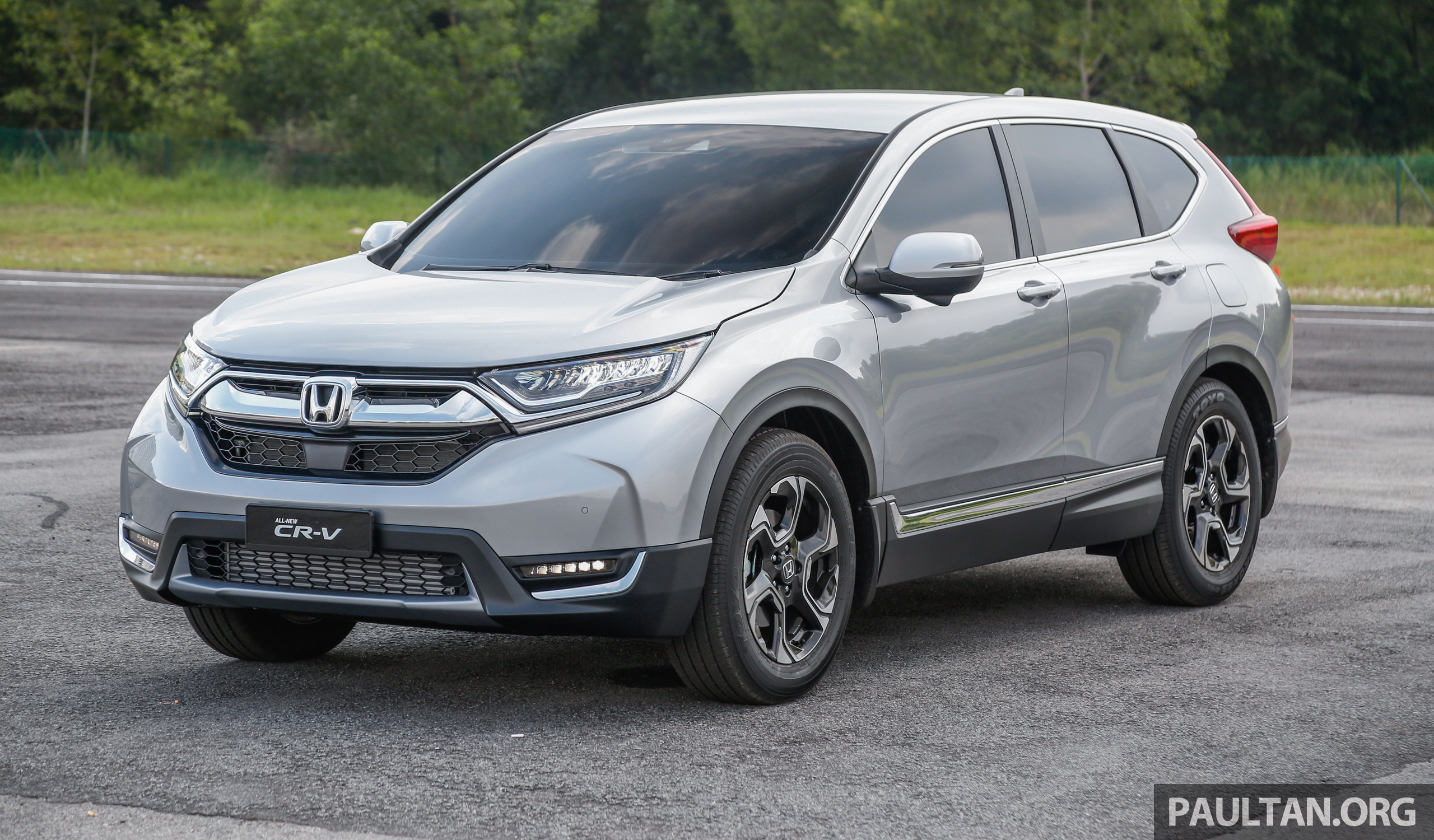
The first time a vehicle tries to look at the world the way you do, it can feel almost unsettling—like the dashboard has learned to empathize. The Honda CR-V with Honda Sensing 360 is engineered around exactly that sensation: a promise of safer motion through a fuller, more panoramic awareness. Not just “see what’s ahead,” but “understand what’s all around.” That shift in perspective changes the tone of every trip, from the mundane choreography of parking lots to the high-stakes improvisation of busy intersections.
There’s a certain narrative momentum here. You start driving with your usual instincts—mirror checks, spacing, cautious timing. Then the system quietly reframes the scene. It nudges attention outward and sideways. It highlights the blind spots you’ve learned to fear. And, gradually, curiosity takes over: how much can technology soften uncertainty without taking control away from the driver?
Honda Sensing 360: What “360” Really Means
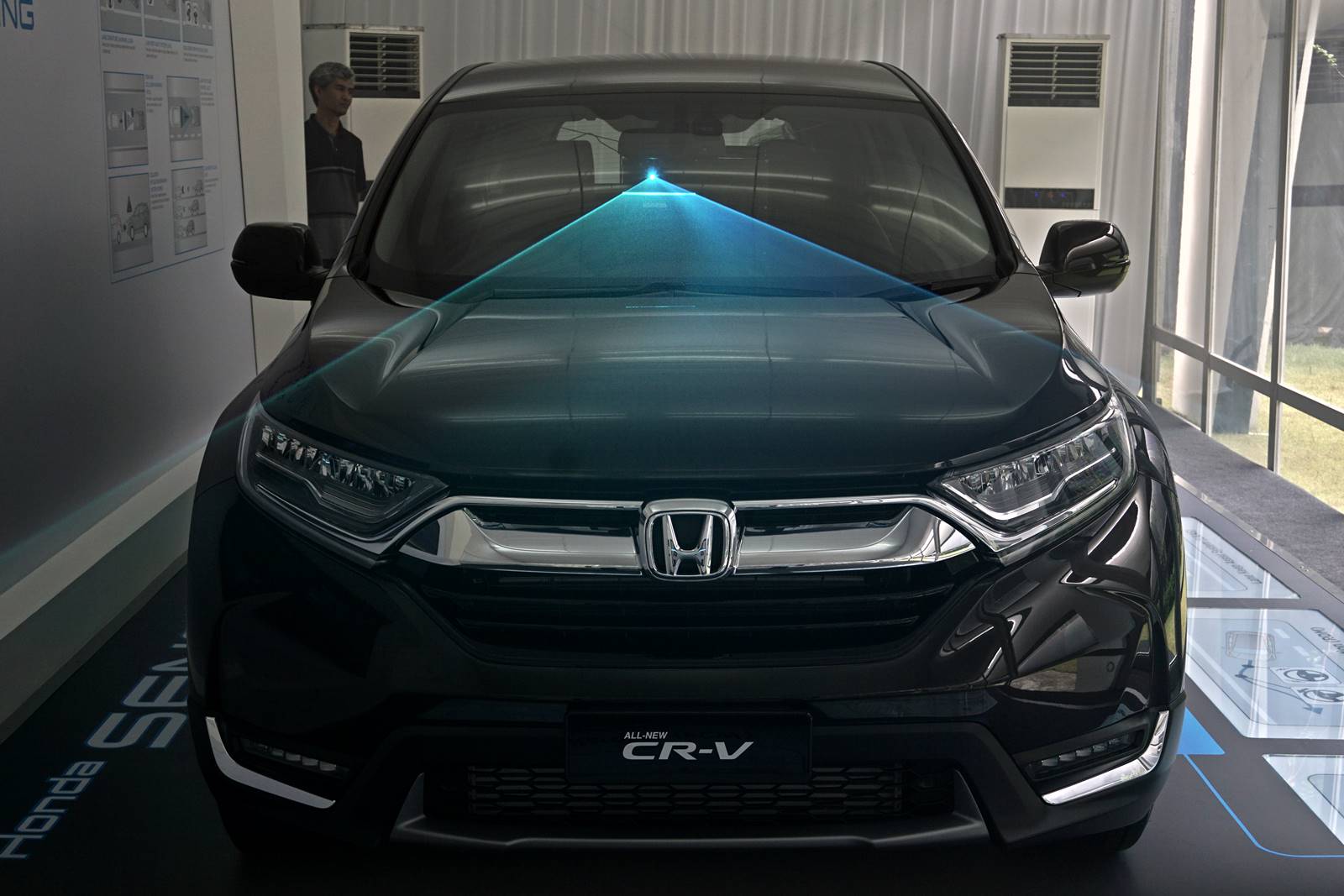
“360” sounds like marketing math until you experience it in motion. In practice, Honda Sensing 360 is less about spectacle and more about perimeter literacy. The car is designed to interpret surrounding conditions—vehicles approaching from angles, pedestrians moving unexpectedly, and changes in traffic flow that can be easy to miss when your focus is locked straight ahead.
Instead of treating visibility as a narrow corridor, the system treats it like a field of activity. The result is a more cohesive sense of spatial continuity. You feel less like you’re navigating blind spots and more like you’re orchestrating a movement through a living environment.
The Perspective Shift: From Forward Focus to Situational Empathy
Most drivers build routines around what they can easily see. The windshield is the main stage. Mirrors are supporting actors. But in real driving, danger often arrives from the margins—an edge of traffic, a vehicle cutting closer than expected, or a pedestrian stepping into view at the wrong moment.
Honda Sensing 360 aims to reduce that margin-of-error feeling. It encourages a different habit: scanning not only what lies in your line of travel, but also what lies adjacent to it. The car doesn’t replace attention; it disciplines it. Short glances become more meaningful. Decisions feel less rushed. Even when the road turns chaotic, the atmosphere inside the cockpit becomes calmer.
There’s also a psychological effect. When a system can help you anticipate, you stop bracing as often. That matters. Confidence isn’t arrogance—it’s reduced cognitive strain.
Cameras, Views, and the Art of Clarity
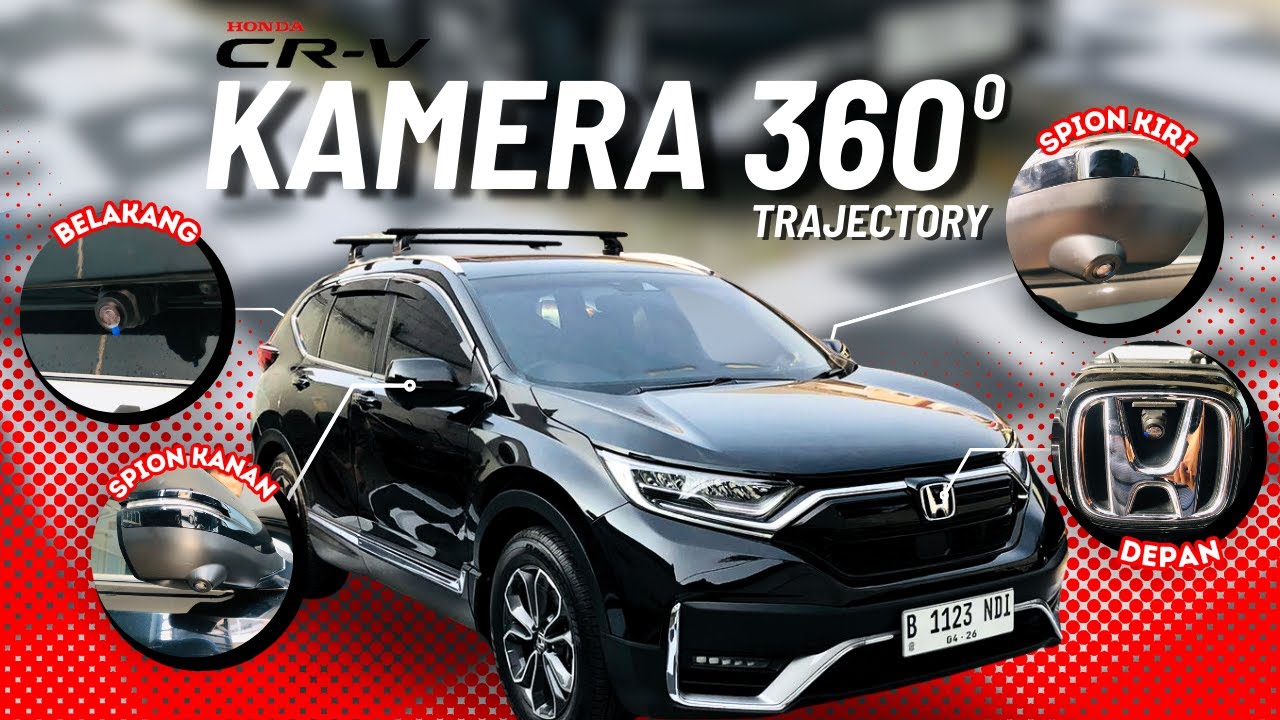
The technology behind Sensing 360 relies on cameras that widen your horizon. The promise here is clarity without overwhelm. You don’t want a dashboard full of noise—you want an intelligent picture that helps you act.
When integrated properly, the camera system becomes a silent co-pilot for tight maneuvers. It helps you estimate distance more accurately than your mirrors alone. It makes reversing less of a guessing game and more of a controlled, deliberate action.
Imagine backing out of a driveway where the sightline is blocked by shrubs, parked cars, or the geometry of the street. Your eyes work harder in that scenario, and your timing gets more fragile. Honda Sensing 360’s viewpoint aims to restore stability—so you feel grounded in the available information.
Parking and Low-Speed Intelligence: Where the Benefits Feel Immediate
While advanced driver assistance often gets attention for highway features, its most tangible value can show up at low speeds. Parking is where every millimeter counts. A few inches wrong can turn a simple stop into a multi-point correction.
With Sensing 360, parking becomes less about fear and more about precision. You can approach curbs and obstacles with a more measured rhythm. The system helps interpret proximity, so your decisions aren’t entirely based on speculation.
Long sentences can describe the technology, but the lived experience is simpler: you feel less tense. Your shoulders drop. Your eyes widen in the right places. And your car—quite literally—shows you the edges of the environment you would otherwise have to imagine.
Blind Spots and Lane Dynamics: Reducing the “Maybe” Moment
Blind spots are the unspoken villains of everyday driving. They create that irritating “maybe” moment: Is there a vehicle there? Is it farther than it looks? Am I about to become the surprise? Honda Sensing 360 doesn’t erase blind spots, but it fights them with better information flow.
When you change lanes, merge, or creep forward at an intersection, the system contributes to a layered awareness. It supports your checks so your attention doesn’t have to do everything alone. That matters most when visibility is compromised—rain sheen, nighttime reflections, or the disorienting shimmer of bright streetlights.
There is also an elegance to having assistance that complements your intent. A well-calibrated system feels like a conversation rather than a command.
Intersections and Urban Unpredictability
City driving is a constantly rewriting script. Pedestrians appear from behind parked vehicles. Cyclists slip through unexpected gaps. Traffic lights change timing like they’re testing your patience.
Honda Sensing 360’s strength is in the way it tries to keep the scene coherent. It helps you track what’s moving relative to your vehicle, not just what sits still. That relative understanding is crucial. A stopped car isn’t always a safe car—sometimes it’s an accidental shield hiding someone’s momentum.
When the system provides a clearer perimeter read, your reaction time improves in practice. Not because the system magically drives for you, but because it reduces uncertainty. Fewer unanswered questions means fewer startled decisions.
Driver Trust: The Balance Between Assistance and Agency
Advanced safety systems must earn trust, not demand it. The goal isn’t to create dependence; it’s to create support. Honda Sensing 360 invites the driver to stay in charge while receiving sharper situational cues.
The most satisfying experience is when the assistance feels predictable and intuitive. Alerts should feel timely, not twitchy. Camera overlays should clarify, not clutter. And the vehicle’s behavior should still feel like your decision—assisted, yes, but never overwritten.
Trust builds when the system helps you make better choices without undermining your judgment. Over time, that trust can become a form of comfort: you stop wondering whether you saw everything, and you start focusing on how to execute the next move.
Real-World Use Cases: The Moments You’ll Remember
There are certain situations that tend to stick in memory. The tight reverse into a parking space where the car behind you is close enough to make your heart thump. The morning commute where glare and shadows distort distances. The weekend outing where you’re juggling luggage, kids, and a destination that insists on curbside parking.
Honda CR-V equipped with Sensing 360 feels designed for those scenes. It turns the stressful micro-moments into manageable tasks. It makes you feel less like you’re negotiating danger and more like you’re coordinating movement.
Even when nothing “bad” happens, the system changes how you experience the drive. You notice fewer near-misses, because you’re less likely to approach them in the first place.
Considerations: Calibration, Conditions, and Expectations
No review is complete without addressing the reality behind the promise. Camera-based systems can be influenced by weather, lighting, and surface conditions. Dirt, snow, or heavy rain can reduce clarity. That’s not a failure of the concept—it’s physics.
Expect the best performance when the cameras have clean visibility and the overlays are used as intended. The system is meant to enhance awareness, not replace vigilance. Treat it like a sophisticated sensing layer, not an invisibility shield.
When expectations align with how assistance truly functions, the experience becomes remarkably rewarding. The result is a harmony of technology and human judgment.
Conclusion: A New Kind of Confidence in the Honda CR-V
Honda CR-V with Honda Sensing 360 is a vehicle that nudges the driver to see the world differently. It’s not merely about detecting objects; it’s about reducing the uncertainty that steals focus and inflates stress. The shift is subtle at first, then unmistakable. Parking feels calmer. Intersections feel more legible. Tight maneuvers feel less like a gamble.
Curiosity is the spark, but confidence is the payoff. Honda Sensing 360 doesn’t ask you to stop driving with your instincts—it helps you refine them with panoramic awareness. In a world where the margins matter, that perspective can make every journey feel more assured, more intentional, and—unexpectedly—more enjoyable.