The year 2025 doesn’t feel like a simple calendar flip. It feels like a small tectonic shift in how people evaluate cars: less about the flash of the showroom, more about the quiet endurance behind the scenes. Crossovers sit right at the center of that new mindset—tall enough for confidence, nimble enough for daily life, and versatile enough to morph into whatever your week demands. Yet reliability is where the conversation becomes real.
Imagine opening a door and finding something you expected to be average—only to discover it’s unexpectedly steadfast. That’s the promise these models offer: fewer unpleasant surprises, fewer emergency errands, and a calmer relationship with time. In this article, the goal isn’t just to list names. It’s to invite a shift in perspective. Think of a crossover not as a collection of features, but as a long-term habit of engineering restraint—built to keep working long after the novelty has faded.
Below are seven of the most reliable 2025 crossovers, framed in a way that highlights what reliability actually means: consistency, durability, and the kind of problem-free ownership that feels almost cinematic.
How to Think About “Reliability” in 2025
Reliability isn’t merely a score. It’s a pattern—one that shows up in maintenance frequency, the severity of issues, and the odds that a vehicle will ask you to solve problems instead of simply carry you. In 2025, the bar is higher because vehicles are more complex: advanced driver assistance systems, digital dashboards, and electrified components in some trims. Complexity can be a double-edged blade, so the most reliable crossovers tend to share a particular philosophy: pragmatic design, robust powertrains, and systems that behave predictably under real-world stress.
For many drivers, the difference between “reliable” and “not reliable” isn’t dramatic breakdowns. It’s the slow accumulation of inconveniences—rattles that never fully settle, warnings that appear and vanish, parts that wear sooner than they should. A reliable crossover minimizes friction and protects your schedule.
Keep this lens in mind as you explore the list. The best choices are often the ones that appear ordinary at first glance—then reveal their steadiness once the miles start stacking.
1) Honda CR-V (2025): The Calm, Competent Default
There’s a reason the CR-V has become a kind of reference point. Its reliability story is rarely sensational, which is exactly what makes it comforting. The 2025 model is designed to feel composed—like it will be equally unbothered by a commuting rhythm and a weekend detour through unpredictable weather.
From a perspective of ownership, the CR-V’s strength often lies in its ability to avoid the “small problems that become big problems.” Instead of insisting on attention, it tends to absorb daily life with quiet confidence.

Consider the CR-V if you want reliability that doesn’t require learning a new language of maintenance habits. It’s the crossover that respects your time.
2) Toyota RAV4 (2025): Endurance with a Practical Pulse
The RAV4’s reliability reputation isn’t built on luck; it’s built on consistency. In 2025, that consistency matters even more because drivers expect modern connectivity and advanced features—without paying a reliability tax for convenience. The RAV4 aims to deliver both: approachable tech and a powertrain that’s engineered for longevity.
Shift your perspective slightly: don’t just ask, “Will it break?” Ask, “How predictable will the experience be?” The RAV4 tends to score well here, because it’s tuned for repeatable, everyday use.
Its ownership vibe is almost monastic—straightforward, low-drama, and focused on doing the essentials exceptionally well.
3) Mazda CX-5 (2025): Smoothness That Doesn’t Teeter
Not all reliability is about boring maintenance schedules. Some of it is about how well a vehicle holds together emotionally—how smoothly it drives, how steadily it responds, how confidently it behaves when the road turns into an unplanned narrative.
The 2025 CX-5 often earns trust through its balance of dynamics and dependability. When systems are well-calibrated, you experience fewer frustrations. You also feel fewer micro-worries—those subtle moments when you wonder whether a noise is “normal” or “ominous.” A reliable crossover makes those moments rarer.
Think of it as a crossover that retains composure, even when you’re not. That’s a kind of reliability you can feel.
4) Subaru Outback (2025): Confidence Across Uneven Truths
Some drivers don’t just commute; they navigate. Weather changes. Road surfaces evolve. Life introduces potholes that weren’t on the route plan. The Outback’s reliability appeal often comes from its ability to keep moving with minimal fuss—an attribute especially valuable for drivers who value traction, stability, and predictable handling.
Reliability in such a vehicle isn’t only about the engine. It’s also about the integrated systems that help it stay dependable under varying conditions. In practical terms, the Outback tends to support a sense of preparedness that lasts.
Choose it if you want reliability that doesn’t require you to baby the car. It’s meant for real terrain, real seasons, and real schedules.
5) Hyundai Tucson (2025): Modern Convenience, Less Anxiety
Hyundai has been reshaping its reputation, and the 2025 Tucson reflects that momentum. The reliability story here feels like a promise of reduced cognitive load. In other words, it aims to keep you from constantly monitoring the vehicle’s mood.
A reliable crossover becomes almost invisible to the driver—no nagging warnings, no recurring quirks demanding attention. When a model achieves this, the benefits ripple outward: fewer time-consuming visits, fewer uncomfortable “what if” moments, and more confidence in long drives.
The Tucson is a practical choice for those who want modern comforts while still prioritizing steadiness over spectacle.
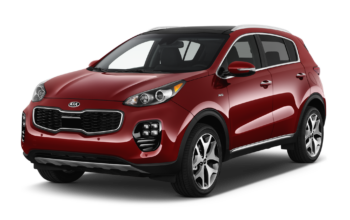
6) Kia Sportage (2025): Bright Design, Steady Outcomes
The Sportage brings a contemporary silhouette and a driver-focused cabin, but its reliability case is grounded in how well it avoids recurring headaches. In 2025, that’s particularly important because drivers increasingly expect smartphone-style intuitiveness—without encountering inconvenient setbacks.
A shift in perspective helps here: reliability isn’t about never having an issue; it’s about how issues behave. Reliable vehicles tend to fail less often and, when they do misbehave, they do so in ways that are less disruptive and easier to address.
The Sportage often fits that narrative: stylish enough to feel fresh, dependable enough to feel secure.
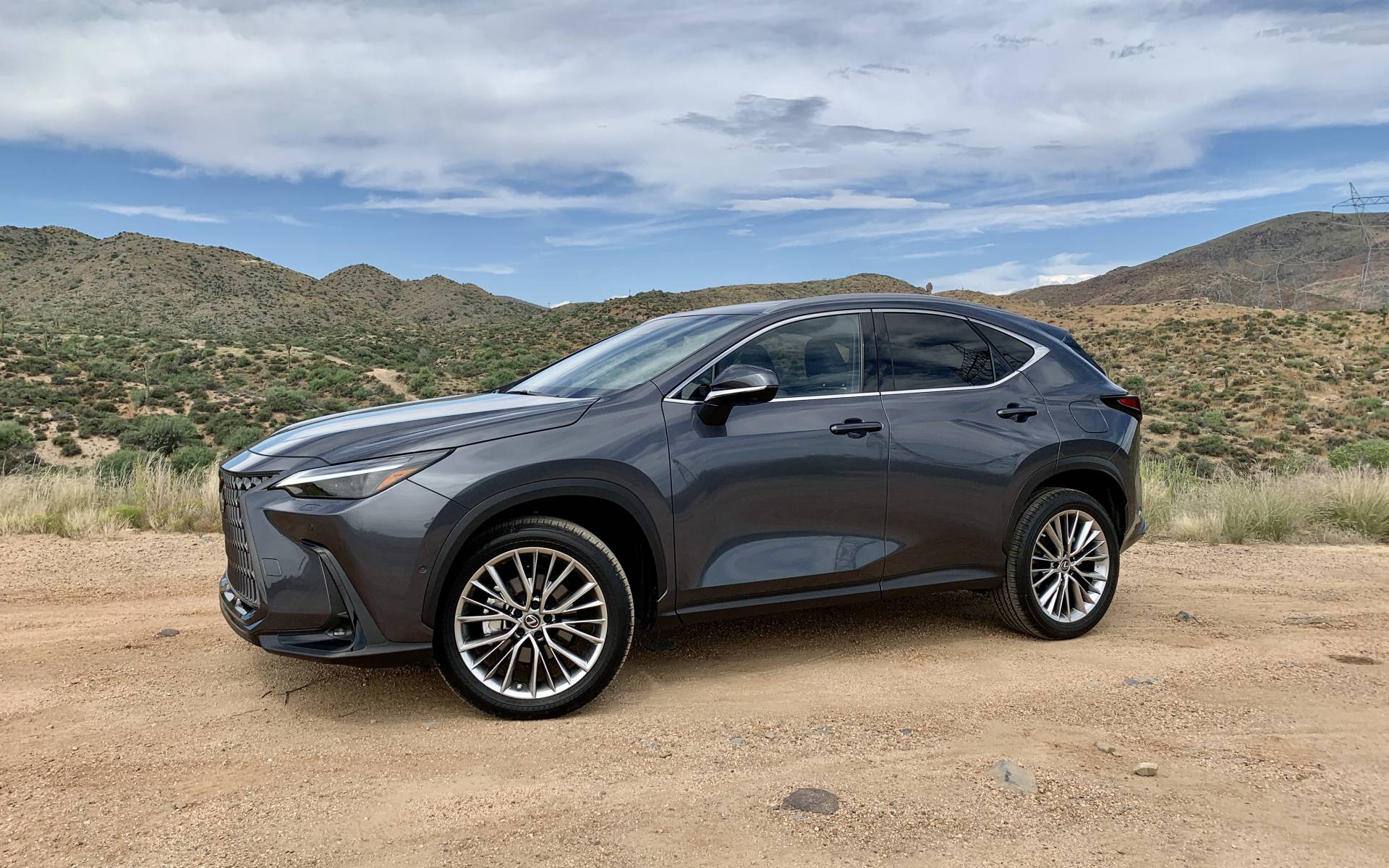
7) Volkswagen Tiguan (2025): Refined Handling with Built-In Confidence
The Tiguan’s appeal can surprise people who assume reliability is purely an “economy brand” phenomenon. In reality, well-engineered vehicles can be both polished and dependable. The 2025 Tiguan leans into a balanced driving feel and a composed experience that helps it earn trust over time.
When reliability is strong, you experience the car as a consistent companion rather than a periodic project. The Tiguan’s best asset is that it often keeps its composure across varied usage—city acceleration, highway cruising, and the occasional detour that turns routine into adventure.
If your ideal crossover blends refinement with low drama, this is worth a closer look.
Choosing the Right “Reliable” Crossover for Your Life
Reliability is personal. Two people can buy the same model and have different outcomes depending on driving patterns, climate, and maintenance habits. To choose wisely, align the car with your realities. Do you rack up highway miles or mostly short trips? Do you live where winters are icy, or where heat is relentless? These factors influence wear and system stress.
Next, focus on trim-level fit. Some reliability stories are influenced by which engine and drivetrain combinations you choose. A powerful configuration can be excellent, but the best long-term decision is often the one that matches your needs without overcomplicating the equation.
Finally, treat maintenance as an extension of reliability, not a chore. Oil changes, tire rotations, and brake inspections create a protective buffer that helps even the strongest platforms last longer.
The Bigger Picture: Reliability as Freedom
A reliable crossover doesn’t just reduce repairs. It reduces uncertainty. It gives you back the mental bandwidth that otherwise goes to worry—worry about appointments, worry about delays, worry about whether a warning light means something serious.
In 2025, crossovers increasingly feel like devices: connected, automated, and constantly updating. Reliability is what keeps the device from becoming a distraction. The models on this list are compelling because they seem to understand a simple truth: your vehicle should serve your life, not audit it.
Final Thoughts: Your Next Miles Deserve a Steadier Partner
When you choose a reliable crossover, you’re choosing more than transportation. You’re choosing a relationship with your daily routine that feels smooth, predictable, and quietly confident. The best 2025 crossovers don’t demand attention—they earn trust.
Whether you prioritize calm commuting, weekend versatility, uneven-weather confidence, or refined driving composure, the right crossover can feel like a promise kept over time. The shift in perspective is this: reliability isn’t the absence of challenges. It’s the presence of steadiness. And in a world that rarely stays still, that steadiness is worth everything.