Electric crossovers in 2025 feel like a new weather system—subtle at first, then unmistakably in charge. The roads keep their familiar shape, yet the experience changes: torque arrives instantly, dashboards glow with quiet confidence, and charging plans start to look less like errands and more like strategy. Still, the question that lingers in every showroom and every late-night comparison chart is simple: What will you get for the money, and how far will it take you?
Range and price are the twin compass points of this journey. One tells you how wide your day can stretch; the other tells you how comfortably you can afford to wander. So let’s compare the best 2025 electric crossovers through a lens that’s more metaphor than spreadsheet—because when you understand the character of each vehicle, the numbers stop feeling cold.
Think of range as a reservoir of momentum. Think of price as the entrance fee to a new kind of mobility. Together, they determine whether your drive will feel like a short stroll or a confident expedition.
Why “Range” in 2025 Means More Than a Single Number
Range claims are often presented like a promise sealed in glass. But in real life, that glass can fog. Temperature, speed, tire choice, cabin heating, and even elevation act like invisible hands reshaping the outcome. A crossover that looks unbeatable on paper can become merely adequate when the weather turns. Conversely, a model with a conservative rating can surprise you on predictable routes.
In 2025, manufacturers increasingly tune efficiency around everyday behavior—regenerative braking calibration, aerodynamic details, and software-driven energy management. This matters because crossovers are frequent stop-and-go companions. City driving turns the energy loop into a rhythm: accelerate, recapture, glide, repeat. A vehicle that manages that loop well can feel “longer ranged” than its official number suggests.
Still, range is the headline metric for a reason. For commuters, a little extra buffer reduces anxiety. For travelers, it changes the whole itinerary—fewer charger stops, shorter detours, and more time spent arriving rather than waiting.
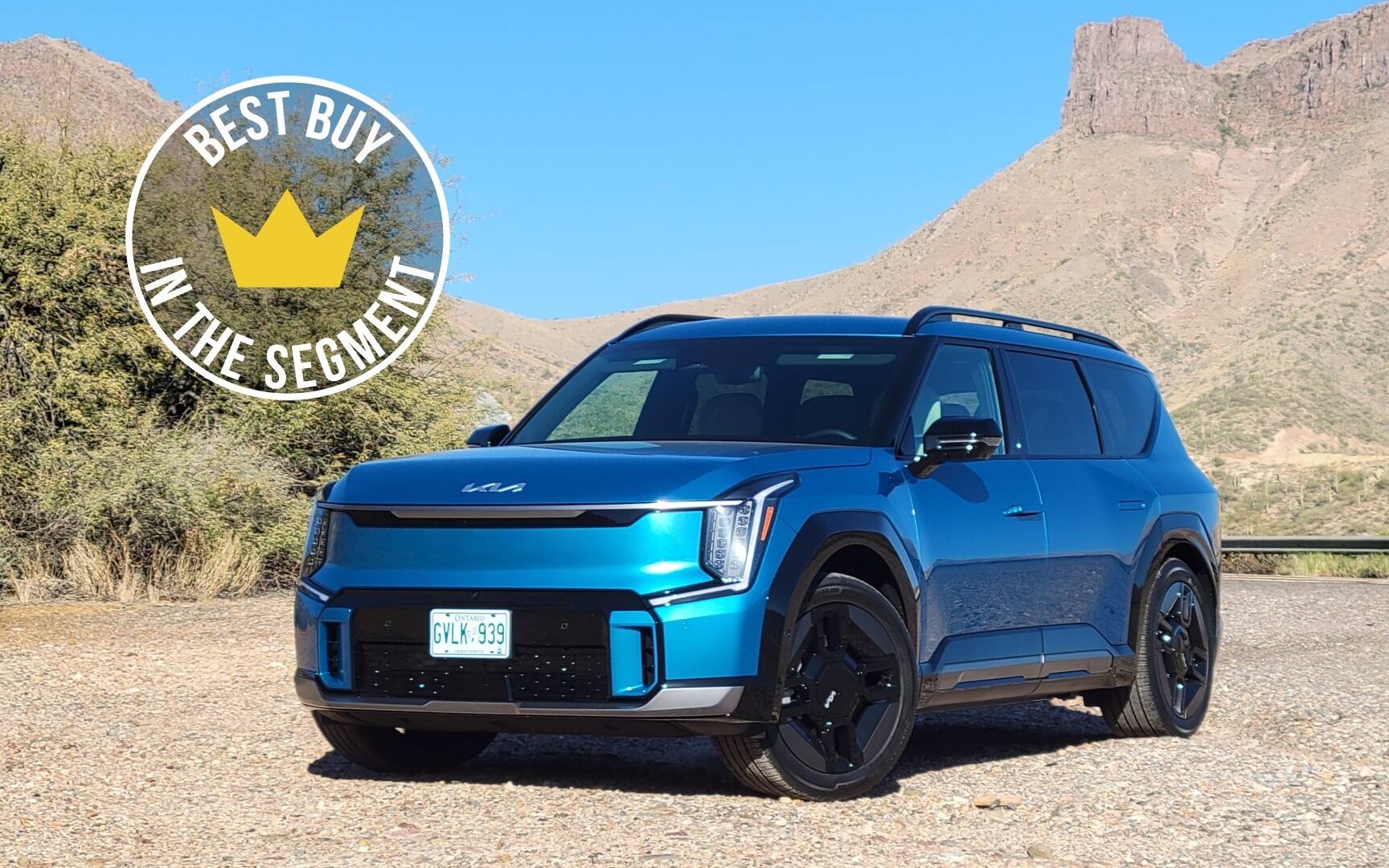
Price Tells a Story: Affordability vs. Comfort of Ownership
Price in 2025 is not just a sticker; it’s the opening chord of your ownership experience. Two crossovers can be close in purchase cost yet diverge sharply in charging behavior, long-term value, and feature depth. Some buyers chase maximum range immediately. Others chase the right package—safety tech, driver assistance, cabin quietness, and the specific efficiency that fits their lifestyle.
At the budget end, value is often expressed as: “How much electric capability can you access without stretching your life savings?” These crossovers typically prioritize practical range targets, manageable charging expectations, and essential comfort. The unique appeal here is empowerment. A cheaper EV crossover can feel like a key unlocking a door that used to require more money.
Mid-to-premium models, meanwhile, often trade a higher entry price for a more refined experience: stronger acceleration consistency, richer infotainment ecosystems, and more advanced thermal management. This can translate into better real-world consistency—less range drop when conditions turn unfriendly.
Best Electric 2025 Crossovers: The Range & Price Compared View
To compare the best electric 2025 crossovers, imagine a map with two axes. Along one axis is distance potential. Along the other is financial comfort. Where vehicles land on that grid helps you predict whether they’ll feel like a daily companion or a weekend sprinter.
Budget-friendly electric crossovers under roughly Rs 14 lakh represent a particularly intriguing segment. Their appeal is not flashy; it’s foundational. You get a credible EV drivetrain experience with a practical range outlook for city commutes, school runs, and weekday errands. The best ones in this category often aim for a sweet spot: enough distance to reduce charging frequency, without overwhelming purchase price. For many drivers, that balance feels like a well-tailored jacket—no theatrics, just a perfect fit.
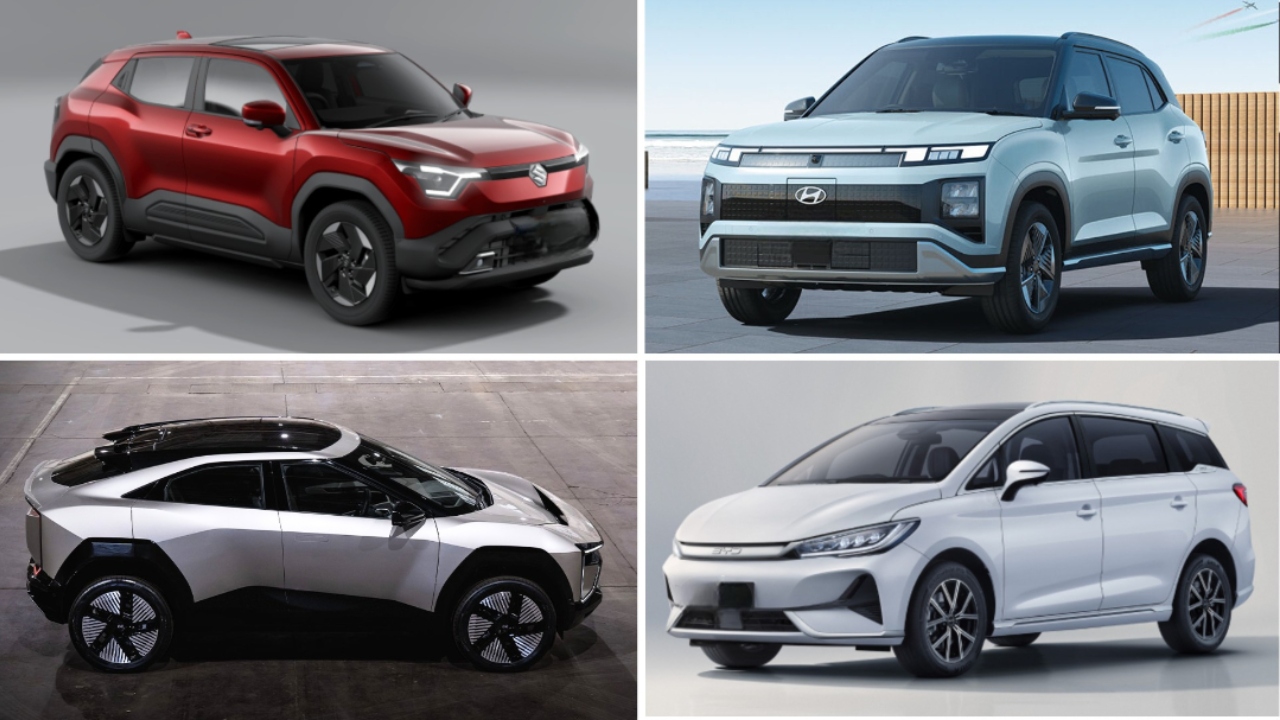
Premium crossovers above $50,000 operate in a different emotional register. Here, the vehicles often feel like “energy libraries”—they store not only electricity, but also confidence. Battery thermal systems, efficiency improvements, and feature sophistication can deliver a more stable range across seasons and varied driving styles. The ride can feel quieter, more composed, and more expensive in its silence. In this tier, you’re not only buying range; you’re buying certainty, especially for longer journeys where consistency becomes more valuable than raw maximum.
Between these extremes sits the majority of real-world demand: drivers who want enough range to move comfortably, and enough price discipline to sleep well at night.
Charging Reality Check: How Range Becomes a Daily Habit
Range matters most when charging is part of your life rhythm. A crossover that has a strong rated range but requires frequent stops can feel exhausting. On the other hand, a slightly lower-rated model can feel effortless if it charges quickly on the routes you actually drive.
In 2025, charging speed and battery conditioning are increasingly important for crossovers. Many vehicles now learn your patterns—preconditioning the battery before arrival at a charger can help preserve efficiency. That means less time watching charge percentages crawl upward and more time living your day.
Consider the metaphor of range as daylight. A higher-rated EV gives you longer evenings. But charging infrastructure and charging speed determine how easily you can “refill the sun.” When charging becomes predictable, anxiety fades.
Which Crossover Fits Your Life? City, Highway, and Weekend Escapes
If your driving is predominantly urban, the crossover’s efficiency at moderate speeds and its regenerative braking behavior become crucial. Electric drivetrains are particularly good at converting routine stop-and-go energy into usable motion. In cities, this can turn the vehicle into a kind of commuter magician—seemingly stretching miles through clever energy recovery.
If your driving includes regular highway stretches, then aerodynamic efficiency, sustained power delivery, and thermal management take center stage. Highway range is often where expectations meet reality. The crossover that maintains calm efficiency at speed can feel like it has a longer “attention span” for long trips.
For weekend escapes, you’re balancing comfort, charging practicality, and the emotional appeal of the drive itself. A crossover that feels sturdy, quiet, and confident turns charging stops from interruptions into interludes.
Unique Appeal: The Intrigue Behind Each Price Tier
Budget crossovers often feel like rebellion in a polite suit. They offer electric mobility without demanding a heroic budget. The unique appeal is accessibility—an electric crossover becomes something you can actually choose rather than merely dream about. This is mobility democratization at street level.
Premium crossovers feel like a composed performance. They frequently emphasize refinement: cabin composure, advanced driver assistance, and a more seamless integration of tech. The unique appeal is the sensation of control—power delivery that feels deliberate, energy use that seems thoughtfully managed, and a driving environment that remains calm even when the route becomes complicated.
Either way, the metaphor holds: some vehicles are doors; others are keys. Budget models open access. Premium models open possibilities.
How to Compare Like a Pro: A Practical Checklist
When comparing electric 2025 crossovers, don’t rely solely on maximum range. Use a layered checklist:
1) Real-world driving conditions: typical speed, local climate, and elevation.
2) Charging availability: home charging feasibility, workplace opportunities, and nearby fast chargers.
3) Charging curve behavior: how performance changes after initial charge, not just the peak headline.
4) Efficiency ecosystem: tire tread, aerodynamics, energy management software, and cabin heating strategy.
5) Comfort and safety features: because good range is only valuable if you enjoy the journey.
When you evaluate this way, the comparison becomes less about competing numbers and more about aligning vehicle character with your routine.
Conclusion: Range and Price as a Single Decision
Best electric 2025 crossovers aren’t merely contenders; they’re different interpretations of the same promise—electric mobility with the right balance of distance and affordability. Range is your itinerary potential. Price is your commitment level. Together, they determine whether the electric crossover feels like a pragmatic upgrade or a genuinely transformative shift.
Whether you’re drawn to budget-friendly crossovers that make EV life attainable, or premium models that deliver confidence on longer journeys, the right choice emerges when you match your charging reality and your driving habits to the vehicle’s strengths.
In 2025, the future isn’t a distant concept. It’s a crossover waiting at the edge of your daily drive—quiet, capable, and ready to turn miles into momentum.