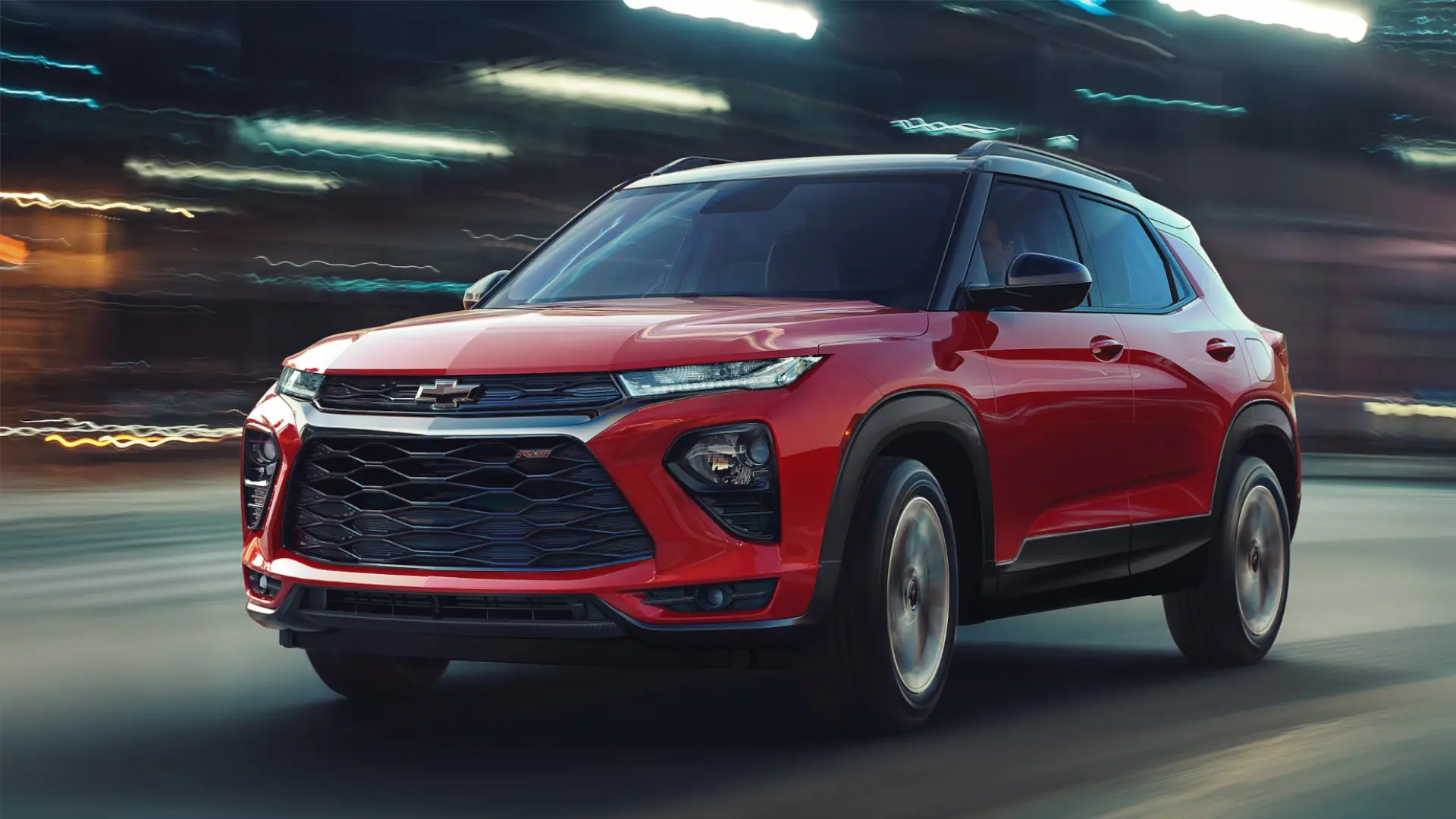
The Chevrolet Trailblazer has never been short on confidence. Still, stepping into its orbit feels like arriving at a familiar destination through a new set of coordinates. The first impression is visual—sporty, purposeful, and unmistakably contemporary—but the real intrigue begins when the design starts hinting at capability. It’s the kind of vehicle that doesn’t ask permission to stand out. It simply does.
In this review, the Trailblazer reads like a promise with a pulse. Expect a shift in perspective: less “just another crossover,” more “a compact SUV with a swaggered point of view.” And if that sounds like marketing language, the details below are where the conversation becomes genuinely interesting.
Sporty Styling That Refuses to Blend In
The Trailblazer’s exterior styling is engineered to catch the eye and hold it. Sharp contours, an assertive stance, and a front fascia that feels sculpted rather than assembled. There’s a sense of motion even when the vehicle is standing still.
Look closer and you’ll notice the intentional contrast in surfaces—the way glossy elements and darker accents create a layered rhythm across the body. It’s not merely about “being attractive.” It’s about communicating a driving personality before you ever turn the key.
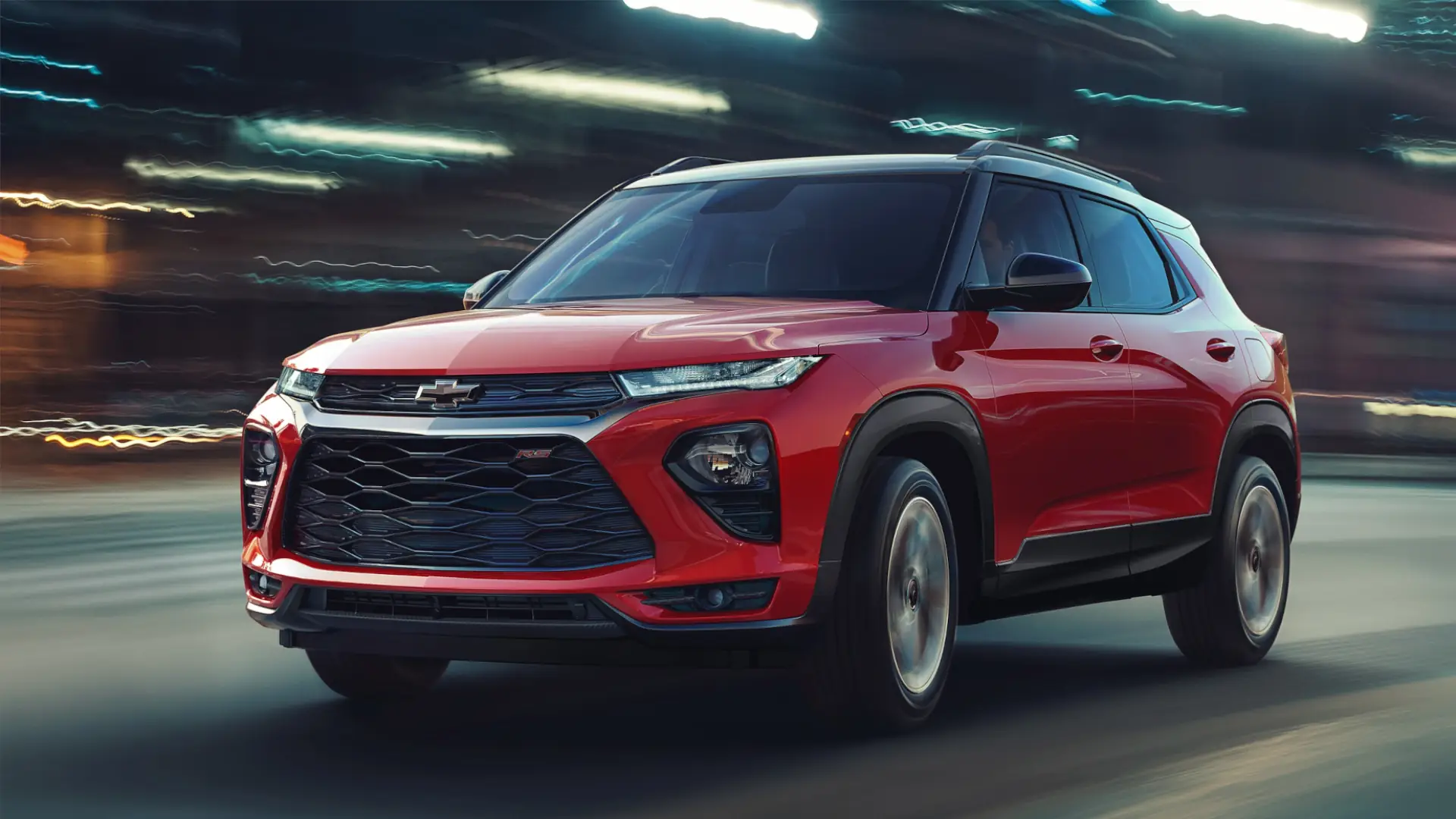
That visual language—bold, athletic, and slightly theatrical—encourages curiosity. You begin to wonder: if the outside is this expressive, what’s happening underneath the skin?
A Cockpit Built for In-the-Moment Control
Inside, the Trailblazer aims for coherence. The cabin feels designed for daily life, but not at the expense of enthusiasm. Controls are arranged to reduce unnecessary reach and to make routine interactions feel almost intuitive.
Materials and finishes create an atmosphere that’s more “performance-minded” than “family-mundane.” The seating position supports confident visibility, which in turn makes driving feel less like navigation and more like participation.
Even before you evaluate features, you can feel the philosophy: the Trailblazer wants to be a companion for spontaneous detours, not just a commuter appliance.
Performance Feel: Responsive Without Being Reckless
There’s a difference between fast and “feels fast.” The Trailblazer leans toward that second category. The driving experience is designed to be engaging in ordinary circumstances—city traffic, merging lanes, and the occasional stretch of road where you let the engine breathe.
Acceleration doesn’t arrive like a sledgehammer. Instead, it gathers itself with discipline, then responds. That nuance matters. It turns passing maneuvers into straightforward tasks rather than negotiations, and it makes throttle input feel connected rather than laggy.
Steering behavior contributes to the overall impression. The SUV tracks with an attentiveness that encourages driver confidence. It’s composed enough for calm cruising, yet lively enough to make you pay attention to the road’s micro-texture.
Chassis and Ride: The Balance Act
Sporty styling sets expectations; suspension tuning determines whether those expectations are earned. The Trailblazer’s ride philosophy seems tuned for real-world conditions—uneven pavement, curbs, and those slightly chaotic city surfaces that never appear on brochures.
At speed, the cabin maintains stability. Over bumps, the vehicle works to prevent harshness from dominating the experience. This is where the perspective shift deepens: the Trailblazer doesn’t just look athletic. It behaves like an SUV that understands the difference between spirited driving and daily comfort.
There’s a subtle confidence to it—like it knows exactly how much to soften and when to stay crisp.
Technology That Makes Driving Feel Lighter
Modern SUVs often drown drivers in options. The Trailblazer takes a different approach: technology appears designed to keep you oriented and reduce friction between intention and action.
Infotainment systems, connectivity features, and driver assistance technologies are integrated with a focus on clarity. Menus should be navigable without turning the screen into a second job. Audio performance and display readability matter too, because an enjoyable drive isn’t only about acceleration—it’s also about ambience.
As you settle in, it becomes clear that the Trailblazer is aiming for a specific mood: quick to learn, satisfying to use, and ready for whatever playlist or conversation you bring along.
Safety and Confidence: Watching the Road So You Can Live in It
Safety features are the quiet architects of confidence. The Trailblazer’s driver-assist suite helps reduce workload during long stretches and adds support in complex situations like dense traffic or tight lanes.
Lane-related assistance, adaptive perspectives, and awareness features help create a cushion of vigilance. They don’t replace attention—they amplify it. That distinction is important, because smart assistance should make you feel more capable, not less responsible.
When you consider the Trailblazer’s sporty disposition, these systems become even more meaningful. The vehicle can feel playful, yet it still behaves with guardrails in place.
Everyday Practicality: Sporty Doesn’t Mean Fragile
One of the most persuasive aspects of the Trailblazer is how it manages the balancing act between personality and practicality. A compact SUV should be ready for errands, weekend gear, and spontaneous plans that turn “maybe” into “let’s go.”
Cargo space and seating usability matter, and the Trailblazer aims to provide flexibility without making passengers feel boxed in. The interior layout supports typical routines while still leaving room for the unexpected.
It’s a vehicle that appears styled for attention but behaves for living.
Design Curiosity: The “RS” Attitude
The RS identity doesn’t just decorate the Trailblazer—it frames it. It adds a competitive vibe, a more performance-forward aesthetic, and an overall sense that this is a model designed to be noticed in motion.
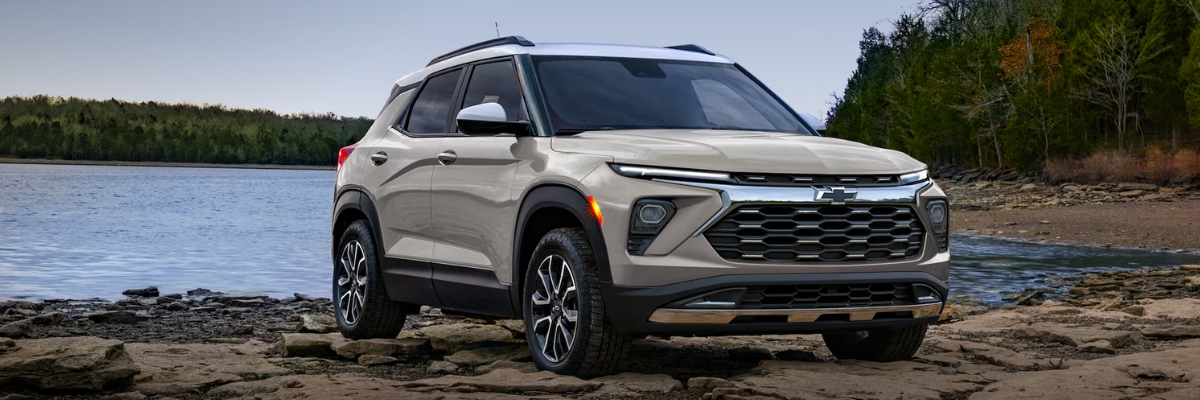
There’s an almost narrative quality to it: the Trailblazer looks like it’s built for the roads you haven’t taken yet. That’s what makes it intriguing. The exterior suggests an attitude, and the rest of the vehicle seems to cooperate with the story.
Who the Trailblazer Fits Best
This is where the shift in perspective becomes personal. The Chevrolet Trailblazer suits drivers who want compact SUV versatility without giving up a sense of character. It’s for commuters who crave energy at stoplights. For small families who still want style to matter. For anyone who enjoys the feeling that their vehicle has intentions.
If you prefer bland reliability wrapped in neutral tones, the Trailblazer may feel too bold. But if you want your everyday driver to look alive and feel connected, it’s an excellent match.
The Verdict: A Sporty SUV With a Point of View
The Chevrolet Trailblazer review doesn’t end with a checklist. It ends with a sensation—one that lingers after the drive. Sporty styling draws you in, then the driving dynamics, supportive technology, and everyday practicality keep you engaged.
The Trailblazer’s real achievement is how it reshapes expectations. It invites you to look at compact SUVs differently: not as compromise machines, but as vehicles with personality, responsiveness, and an unmistakable desire to move with you.
Take a closer look. Notice the lines. Feel the responsiveness. And you’ll understand why the Trailblazer isn’t simply trying to be sporty—it’s trying to change how you think about what “SUV” can feel like.