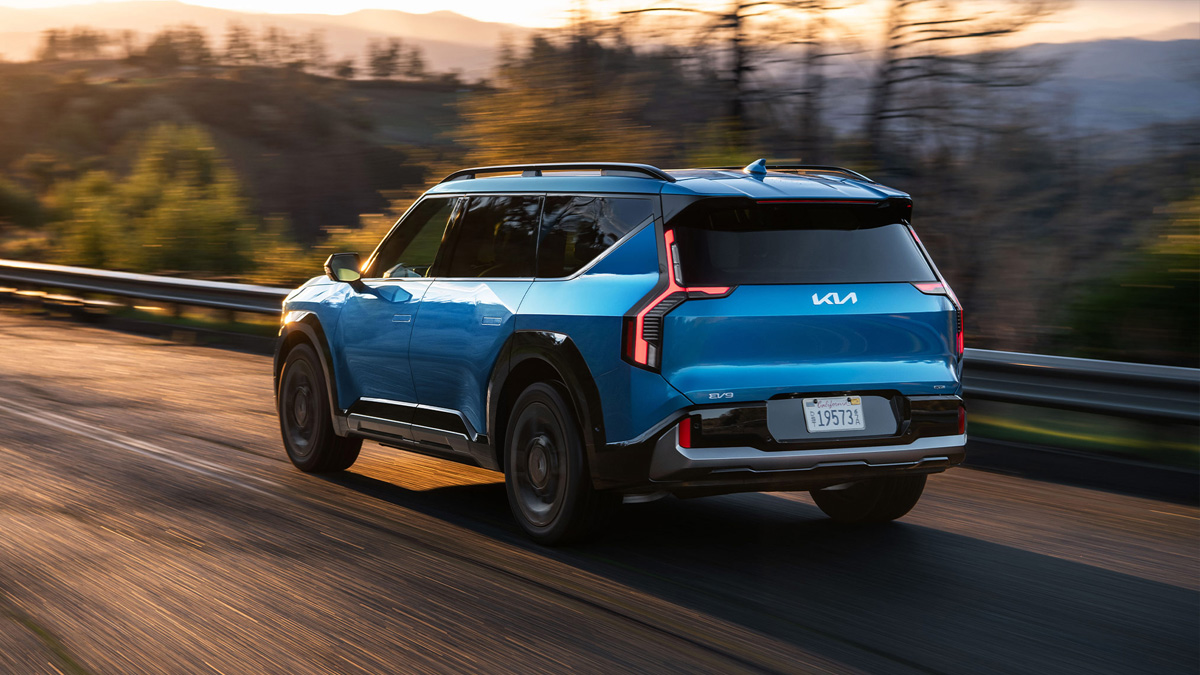
The family car is more than transportation—it’s a rolling sanctuary. It’s the seatbelt tug that keeps toddlers safe, the weekend road trip that turns errands into memories, and the long stretch of highway miles where engine noise should fade into the background. Yet even the most carefully planned life can include unexpected repairs. That’s why the 2025 model year matters for families shopping with foresight: factory warranties can act like an invisible seat cushion, absorbing financial shocks when the unexpected arrives.
Hyundai and Kia have built reputations around value, and their warranty programs are part of that equation. For parents comparing crossovers, sedans, and SUV-sized family options, the best warranty isn’t only about length—it’s also about coverage details, transferability, roadside support, and how smoothly a claim can be handled. Below is a guided tour of what readers can expect when evaluating 2025 Hyundai and Kia family cars with standout factory warranties, including how to interpret warranty language without getting lost in legalese.
Why Factory Warranty Matters More for Families Than for Anyone Else
Families tend to rack up miles differently than solo drivers. Carpool schedules, school drop-offs, grocery runs, and seasonal road trips create a steady cadence of wear and tear. In that context, warranty coverage becomes a practical form of budgeting. It’s not just about avoiding repair bills; it’s about reducing uncertainty—the kind that turns a minor mechanical glitch into a stressful calendar conflict.
A strong warranty also aligns with the way families buy cars. Many shoppers keep vehicles for years, sometimes until the children outgrow the back seat. Warranty longevity therefore affects resale confidence. If the coverage remains transferable (depending on program rules), future buyers may view the vehicle as less risky, which can help preserve value over time.
What “Best Warranty” Actually Means: Duration, Scope, and Conditions
When people say “best factory warranty,” they usually mean the longest time period. But warranty quality is multi-layered. A family car can have a long term yet still fall short for everyday needs if exclusions are aggressive or if coverage tiers are narrow.
Look for three pillars:
1) Bumper-to-bumper coverage: This is the broad safety net for many components during the warranty window. For families, it’s the most immediately relevant because it covers a wide range of potential issues.
2) Powertrain coverage: Engine and drivetrain reliability matter during long commutes and highway travel. Strong powertrain protection can be a relief when a vehicle’s workload rises with family routines.
3) Roadside assistance and corrosion coverage: Flat tires, lockouts, and battery problems are annoyances families can’t always schedule around. Corrosion protection matters too, especially in regions where roads are treated with salt.
Equally important are service requirements. Even a generous warranty can be undermined by missed scheduled maintenance or by using non-compliant parts. The best approach is to read the fine print early—before the first oil change becomes a missed appointment.
Hyundai’s Warranty Philosophy for Family Ownership
Hyundai’s warranty positioning emphasizes peace of mind, and that tends to resonate with family buyers who want predictability. In practice, a warranty that covers more for longer means fewer “decision points” later. Instead of asking, “Should we pay out of pocket or fight for a claim?”, the owner can focus on routine maintenance and safe driving.
Hyundai models often attract families due to a blend of everyday usability—easy ingress and egress, comfortable rear seating, and practical cargo areas—and warranty coverage that strengthens confidence for long-term ownership. That combination is especially relevant for commuters with kids, where the car must be reliable week after week, not just during the first year.
Kia’s Warranty Appeal: Confidence Meets Contemporary Design
Kia tends to build emotional durability around its vehicles, pairing modern styling with ownership programs that aim to reduce financial dread. For families, this can translate into more calm after purchase: fewer worries about “what if” and more room to plan. When a warranty is structured to cover essential systems and common failures, parents are more likely to keep the vehicle through milestones—high school road trips, college moves, and all the awkward packing rituals in between.
Kia’s family lineup frequently includes SUVs designed for visibility, ride comfort, and flexible seating. Combine that with warranty coverage that supports longer ownership, and it becomes easier to treat the car as a home base rather than a temporary asset.
2025 Hyundai Palisade: A Spacious Family Fortress
The 2025 Hyundai Palisade is the kind of SUV that feels like it was designed for family logistics. With three-row seating, it can accommodate growing households without forcing the compromises that often appear when children hit booster years. Cargo space matters too, because backpacks multiply faster than free time.
For warranty-minded shoppers, the Palisade’s appeal is its ability to handle the full spectrum of family life: daily commuting, weather transitions, and weekend excursions. A strong factory warranty can be especially valuable on a vehicle that may carry more weight than a typical compact crossover. More passengers means more variable strain on components—exactly the environment where comprehensive coverage provides leverage.
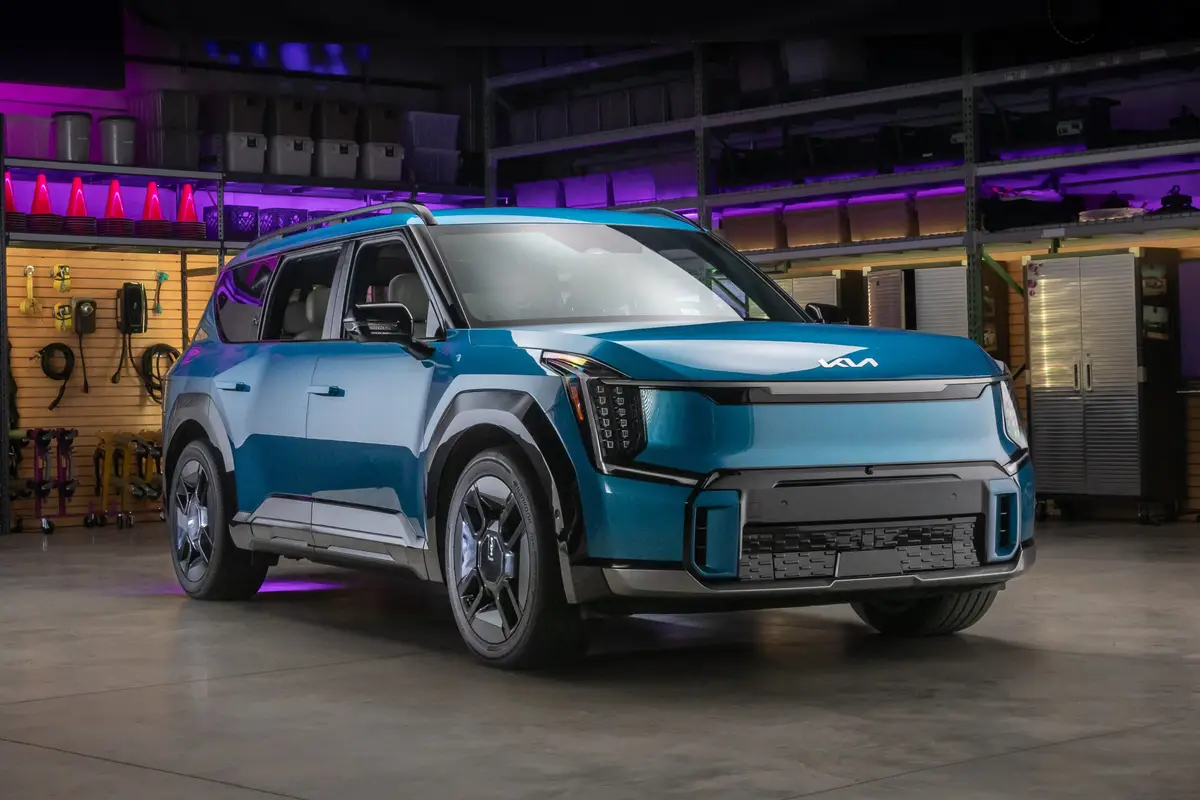
2025 Kia Telluride: Versatility with Warranty-Backed Reassurance
The 2025 Kia Telluride is built for families who want comfort without sacrificing practicality. Its generous cabin space is designed for both everyday rides and longer journeys, and its layout supports the reality that families don’t always travel light. Even the most orderly passengers create chaos—spill-prone drinks, soccer gear, and the occasional mystery snack on the carpet.
A warranty that extends coverage meaningfully can make a difference when the vehicle is used heavily. For families who prioritize keeping one car for years, warranty terms can reduce the temptation to trade early. That can be financially favorable, especially when maintenance is performed on schedule and documented properly.
2025 Hyundai Santa Fe: The Everyday Crossover That Grows Up With You
The 2025 Hyundai Santa Fe often attracts buyers seeking a balanced sweet spot: enough room for family life, without the bulk that can complicate parking and traffic navigation. It’s a practical choice for parents who want comfortable rear seating and a cargo area that can swallow weekly groceries—or a weekend’s worth of sports equipment.
Warranty coverage becomes particularly relevant for crossover owners because daily use can be continuous. These cars are rarely “garage queens.” They’re the default option: drop-offs, pickups, errands, and occasional surprise detours. A dependable warranty helps ensure that the car remains a stable foundation rather than an intermittent source of expense.
2025 Kia Sportage: Compact Confidence with Coverage Considerations
The 2025 Kia Sportage is often the gateway crossover for families entering a more budget-conscious segment. It’s agile enough for everyday commuting while still offering the practicality that families need. The key here is setting expectations correctly. A compact crossover may not match an SUV’s spaciousness, but smart packing and efficient seating layout can close the gap.
Warranty-minded buyers should pay attention to the type of coverage that matters most for this use case: general bumper-to-bumper protection for frequent components and powertrain coverage for long-term reliability. If the warranty program offers robust term lengths, it supports the strategy many families adopt—buy once, keep longer, and let the vehicle’s value work in the background.

How to Read Warranty Details Without Getting Caught in the Maze
Warranty language can feel like an obstacle course, but a systematic approach makes it manageable. Start by finding the coverage window: how many years and miles apply to each warranty tier. Next, look for exclusions—items like wear-and-tear components or adjustments. Then check transfer rules: some programs remain with the vehicle, while others depend on the owner.
Finally, confirm what qualifies as “routine maintenance.” Keep receipts and service records. Not because it’s dramatic—because it’s strategic. A warranty claim is smoother when documentation is organized. Families benefit from processes, and this is one of the simplest.
Family Ownership Tips That Protect Warranty Value
Even the best factory warranty performs best when the vehicle is treated responsibly. Stick to the recommended maintenance schedule, use the specified fluids, and avoid bypassing inspections. Small choices compound over time. If the vehicle’s maintenance history is consistent, warranty claims are easier to justify and resolve.
Roadside assistance can also be a hidden asset. For families, lockouts and tire issues happen at inconvenient times. Knowing how to initiate support can save more than money—it can save a day. Keep warranty and service information accessible, ideally stored in a folder with maintenance records and purchase documents.
What Readers Should Expect After Purchase: Claims, Service, and Peace of Mind
The difference between “a good warranty” and “a great warranty experience” is often the service process. After purchase, familiarize yourself with claim procedures. Determine whether warranty repairs are handled at authorized service centers and how appointments are scheduled. A well-run process reduces the emotional temperature of breakdowns.
Families don’t need more complexity in already busy lives. A smooth warranty pathway means fewer unanswered questions and quicker restoration of normal routines—school runs resumed, soccer practice back on track, and dinner plans surviving the interruption.
Choosing the Right 2025 Hyundai or Kia Based on Warranty Fit
The “best” warranty for a family car isn’t identical for everyone. Some households drive fewer miles and value longer time horizons. Others cover greater annual mileage and need powertrain coverage that remains meaningful well into high-mile years. Still others prioritize roadside support because the inconvenience of being stranded can feel more urgent than the repair itself.
As you compare Hyundai and Kia models, align your choice with your calendar and driving pattern. A family with weekend road trips may weigh long-distance reliability and comprehensive coverage. A city commuter with school-day routes may value frequent maintenance coverage and quick service turnaround. The goal is to match coverage strength to real life.
Conclusion: Warranty Confidence Turns a Car Into a Long-Term Partner
In the 2025 family-car landscape, Hyundai and Kia stand out for shoppers who want more than features—they want reassurance. The right factory warranty can reduce financial volatility, support long-term ownership, and help families maintain momentum instead of pausing for repairs and uncertainty.
When selecting a 2025 Hyundai or Kia, consider not only the length of coverage but the breadth of protection, the practical support around roadside assistance, and the clarity of claim procedures. With that perspective, the purchase becomes less about guessing and more about building a dependable partnership—one that keeps the focus where it belongs: on the people inside the vehicle and the moments ahead.