Choosing a family car in 2025 is like picking the right shelter before a long road trip: it has to feel steady in the wind, practical when the skies darken, and reassuring when the mileage starts to stack up. For many households, the question isn’t only “What’s the best car to drive?” but “What’s the lowest-cost companion over five years?” Ownership cost is the quiet arithmetic behind every school-run and weekend getaway—fuel, maintenance, insurance, depreciation, and those inevitable little expenses that seem to multiply like origami birds.
In this landscape, the most compelling family vehicles aren’t simply the ones that look good in a brochure. They’re the ones that behave like a well-tended calendar: predictable, organized, and quietly efficient. Below is a curated view of the best 2025 family cars engineered to help keep the 5-year ownership cost on the lean side, with a focus on the kind of unique appeal that makes day-to-day life feel easier—rather than more complicated.
What “Lowest 5-Year Ownership Cost” Really Means
Five-year ownership cost is often treated like a single number, but it’s actually a braided rope. Pull one strand and you feel the tension in the others. Depreciation acts like gravity, always working in the background. Maintenance and repairs behave like weather—less dramatic on average, but capable of surprises. Insurance can widen or narrow your monthly budget depending on trim level, safety equipment, and driving profile. Then there’s fuel or electricity, which can be steady drizzle or sudden storms depending on consumption.
To target the lowest-cost zone, focus on cars that pair reliability with efficiency and have parts that are not overly exotic. A practical family car should feel like a modular toolbox: easy to live with, easy to service, and easy to keep running without a parade of unexpected bills.
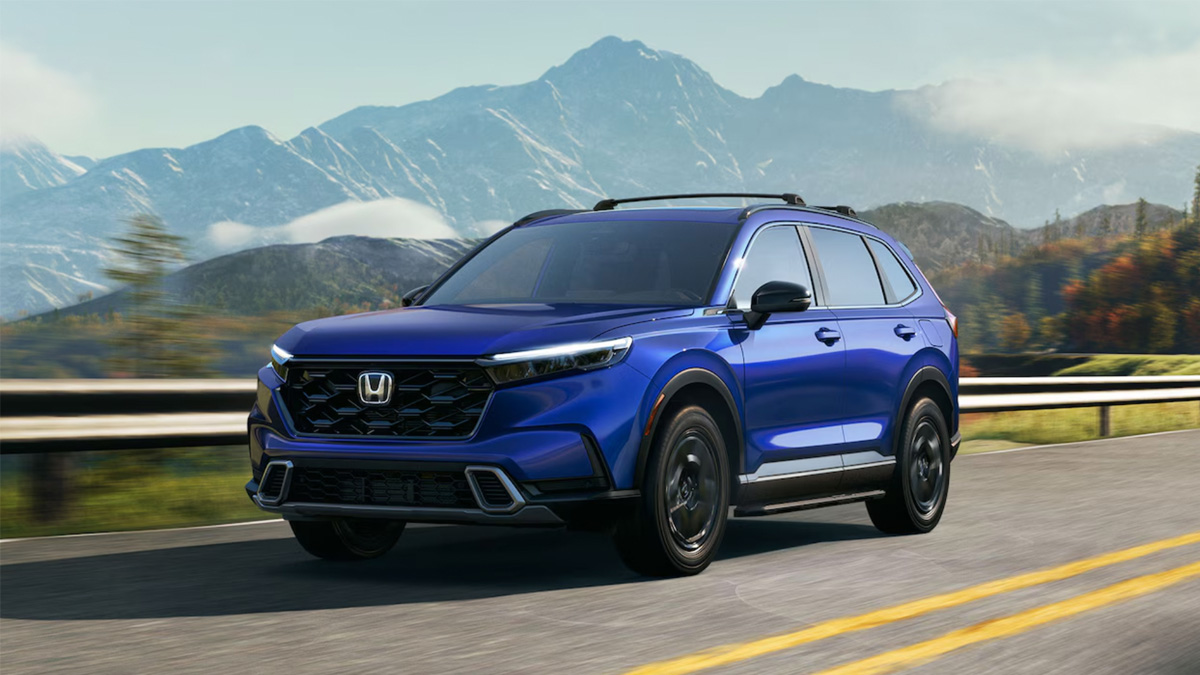
2025 Honda CR-V: The Roomy Compass With Low-Cost Confidence
Some vehicles feel like they’re designed to win arguments at a parking lot. The 2025 Honda CR-V feels like it’s designed to win mornings. Its family-friendly ergonomics—intuitive controls, easy entry, and sensible cargo space—reduce the friction that makes daily driving tiring. When a car is simpler to use, the whole household moves with less fuss.
In terms of ownership cost, the CR-V’s appeal often comes down to a blend: strong resale value, broad service availability, and a reputation for durability that helps smooth the volatility of repairs. It’s the sort of car that doesn’t ask you to learn a new language every time something needs attention. Instead, it reads like a familiar map.
Think of it as a “logistics partner” rather than a status symbol. Kids need snacks, bags, and sudden changes of plans. Adults need clear visibility, a calm ride, and enough space to keep the day from feeling like a jigsaw puzzle. The CR-V’s understated practicality makes it a reliable financial bet as well as a comfortable one.
How the CR-V Helps Keep Costs Predictable
Predictability is where low ownership cost quietly lives. The CR-V’s mainstream popularity generally supports competitive service pricing and readily available parts. That matters because the cost of ownership isn’t only about major events; it’s also about the smaller, routine things that arrive on schedule—tyres, brakes, fluid services, and standard wear items.
Fuel efficiency also plays a role. When a vehicle sips rather than gulps, the math becomes calmer. Over five years, even modest gains can compound into meaningful savings, especially for families who accumulate miles through commutes and weekend excursions.
Finally, resale value acts like a financial shock absorber. If demand stays strong, depreciation can be less punishing. The CR-V tends to benefit from that “steady appetite” in the used market, helping reduce the cost of swapping out later.
2025 Used Family Cars: Why the “Every Budget” Strategy Can Be the Smartest
Brand-new cars often capture the spotlight, but budgets don’t run on headlines. For many families, the lowest ownership cost appears when you buy intelligently—specifically, when you choose a well-regarded used model whose early depreciation has already been paid by someone else.
Used doesn’t mean risky. It can mean you’ve found the sweet spot where the car is still modern enough to meet family needs but no longer carries the steepest depreciation curve. The “every budget” approach is compelling because it acknowledges a hard truth: family life is already expensive. The best move is to avoid unnecessary financial drama.
Imagine owning a good family car as renting a comfortable apartment—except instead of paying inflated monthly rent for the newest unit, you’re stepping into a proven layout that still feels livable. That’s the real magic of targeted used buying.

What to Look for in a Low-Cost Used Family Car (Beyond the Sticker Price)
When chasing lowest 5-year ownership cost, the sticker price is only the first chapter. The next pages matter more. Start with maintenance history—service records can reveal how well the vehicle was cared for and whether preventative work was kept up. Then examine common reliability patterns for the model and engine variant you’re considering. Some engines have smoother long-term behavior than others; choosing wisely can reduce the probability of expensive surprises.
Next, inspect safety equipment and insurance cost drivers. Modern safety features can help reduce accident risk and may positively influence insurance premiums. While insurance is rarely the smallest line item, it’s rarely negligible either. Your ownership cost isn’t only mechanical—it’s also statistical and personal.
Also consider tyre and brake economics. A heavier vehicle with larger wheels might look stylish, but it can raise replacement costs. For families, budgeting is a form of mindfulness. Choose the car whose ongoing expenses won’t tempt you into constant “pause and reconsider” moments.
The Hidden Lever: Reliability-First Ownership Habits
Even the best car can become expensive if it’s neglected. Reliability isn’t just built; it’s maintained. The lowest-cost ownership journeys often share a common philosophy: stay ahead of wear items. Stick to scheduled services. Use quality fluids. Keep tyres properly inflated. Address minor noises quickly. These small actions are like tightening bolts on a bridge—less drama, fewer emergencies.
Long-term savings also come from driving style. Gentle acceleration and consistent braking can stretch brake life and improve efficiency. It’s less about being a cautious driver and more about being a deliberate one—like steering a canoe through calm water rather than fighting waves.
Choosing the Best Fit for Your Family’s Lifestyle
Ownership cost isn’t one-size-fits-all. A city-based family with short trips will experience different wear patterns than a rural household that does long highway runs. A car’s “best value” becomes clear when matched to your routine: commuting distance, typical passenger load, average fuel economy, and how often you carry bulky items.
Before deciding, estimate your annual mileage. Then consider the ratio of city driving to motorway driving. If your life is mostly stop-and-go, you’ll want a model that manages efficiency and heat cycles well. If your life is highway-heavy, you’ll value stable fuel economy and comfortable long-range driving.
Final Thoughts: The Family Car That Pays You Back
The best 2025 family cars with the lowest five-year ownership cost share a quiet philosophy: they reduce friction across time. They keep repairs manageable, help fuel bills feel less intrusive, and offer depreciation that doesn’t feel like a cliff edge. Whether you lean toward a dependable mainstream SUV like the Honda CR-V or pursue a well-chosen used option across budgets, the goal is the same—own a car that supports your family without draining your savings.
Ultimately, the lowest-cost choice isn’t just about numbers. It’s about peace of mind. A practical car can act like an anchor, holding steady when routines shift. In 2025, the most intriguing family vehicles are the ones that feel like a reliable rhythm—something you can count on while life continues, mile after mile.