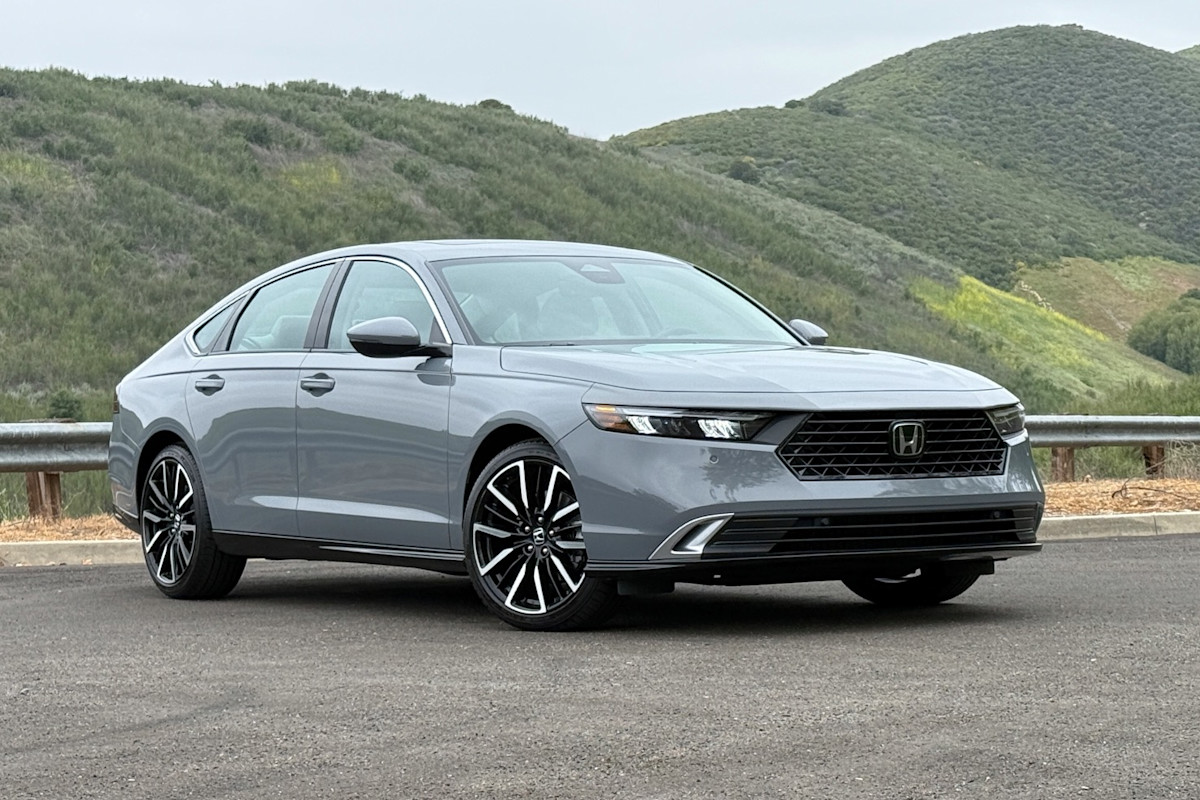
The 2025 Honda Accord arrives with the kind of confidence that feels practiced rather than performative. Under its modern skin, the Hybrid powertrain focuses on one goal with near-obsessive clarity: efficiency without turning the drive into a chore. It’s the rare midsize sedan that aims to satisfy both the commute crowd and the road-trip loyalists—using electrification as a quiet collaborator, not a gimmick.
In this review of the 2025 Honda Accord Hybrid Efficiency, you’ll find what to look for, what to question, and what to expect once you spend real time behind the wheel. From the way the car manages energy to how it behaves when the road starts to climb, the details matter. And the details, in the Accord Hybrid, are surprisingly telling.
Design Philosophy: Aerodynamics as an Efficiency Weapon
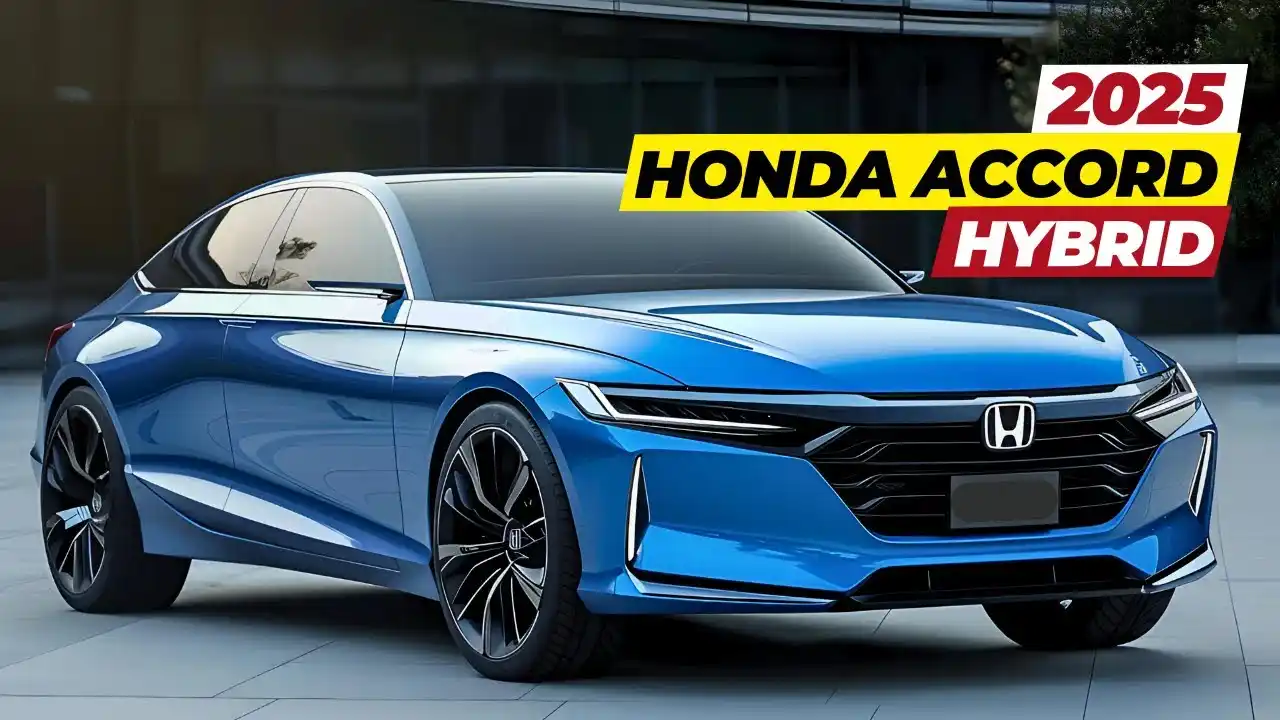
Efficiency doesn’t begin with a battery pack. It starts with how easily air slips past the body. The 2025 Accord’s styling is sleek, but it’s also functional—shaping airflow to reduce drag and improve highway efficiency. Even subtle creases can influence pressure distribution. The result is an exterior that looks streamlined and behaves that way too.
Expect an interior that feels composed rather than crowded, and a cabin that supports effortless driving. Short and long commutes both benefit when the vehicle stays calm—when wind noise doesn’t creep in and fatigue doesn’t show up early.
Hybrid Powertrain Overview: How the Car Finds Efficiency
At the core of the 2025 Accord’s efficiency is a hybrid system designed to orchestrate engine and electric assistance with minimal fuss. The engine doesn’t work harder than necessary, and the electric portion doesn’t simply “boost” for dramatic effect. Instead, it targets the moments where electrification shines: low-speed travel, stop-and-go traffic, and gentle acceleration.
Efficiency is a choreography. The car decides when to rely on the battery, when to engage the engine, and when to blend both. The most noticeable trait is how smoothly the system transitions. Rather than feeling mechanical, it feels deliberate—like the vehicle is always trying to keep momentum without wasting energy.
Real-World Fuel Economy: City Behavior vs. Highway Rhythm
Hybrid efficiency tends to tell two stories: one in town, another on open roads. In urban conditions, regenerative braking and electric assist work overtime. Every stop becomes a chance to recapture energy, and every crawl forward benefits from electric torque.
On highways, the story shifts. Sustained speed introduces different efficiency constraints—engine load, aerodynamic drag, tire rolling resistance, and temperature. The Accord Hybrid is built to remain composed at cruising speeds, which helps it maintain an unhurried pace while the powertrain stays efficient.
Readers should pay attention to how the car’s efficiency changes with driving style. The same vehicle can be astonishingly frugal or only moderately efficient depending on throttle habits. Think of it this way: smoothness is a fuel strategy.
Regenerative Braking: Energy Recapture Without the Jolt
Regenerative braking is often misunderstood as a “green” feature with ambiguous results. In practice, it’s more tangible than that. The 2025 Accord uses regeneration to slow the car while sending energy back to the battery. When calibrated well, it reduces brake wear and improves efficiency at the same time.
The key detail is how naturally it blends with friction braking. If deceleration feels jerky, efficiency gains become hard to enjoy. With the Accord Hybrid, the aim is a predictable deceleration profile—one that makes city driving feel fluid rather than stop-start frantic.
Power Delivery and Driving Feel: Efficient Doesn’t Mean Slow
Hybrid systems sometimes get pigeonholed as commuter-only appliances. The 2025 Accord resists that stereotype. The motor assistance contributes to responsive takeoffs, and the overall torque curve supports confident merging.
Short sentences help the point here: the car feels ready. You don’t have to wait for the engine to “catch up.” At the same time, it doesn’t demand aggressive inputs. It invites steady throttle and rewards restraint with graceful acceleration.
This matters for efficiency because the most economical driving is often the least dramatic. The Accord encourages that rhythm—quiet momentum, minimal wasted motion, and a sense of control.
Battery Management and Thermal Strategy: The Underappreciated Factor
Efficiency is also about keeping the battery operating in the right window. Batteries dislike extremes—too hot, too cold, and performance may be limited. The 2025 Accord’s thermal management system works behind the scenes to maintain battery health while supporting everyday driving.
This is where drivers notice subtle changes. In colder weather, you may see consumption rise simply because the system must heat components. In warmer conditions, cooling demands can influence efficiency too. These shifts don’t necessarily mean the car is “worse.” They mean the car is protecting the hardware while still delivering power when needed.
Technology That Supports Frugality: Navigation, Monitoring, and Feedback
Modern efficiency isn’t only mechanical; it’s informational. The 2025 Accord Hybrid experience includes tools that help drivers understand what the car is doing. Whether through driving screens, energy flow displays, or driver-focused prompts, the goal is clarity.
When feedback is done well, it turns efficiency into a game you can actually win. You begin to notice which habits drain energy and which preserve it. Even small changes—anticipating traffic, easing off earlier, staying mindful of speed—can create compounding benefits across a week of driving.
It’s also where readers may expect different levels of engagement. Some will want high-level summaries. Others will relish granular details like power flow and energy usage trends.
Safety and Efficiency: Confidence That Doesn’t Drain Attention
Efficiency is easiest to sustain when driving remains composed and predictable. The Accord Hybrid’s safety suite supports that calm. Driver-assist technologies reduce the mental overhead of long commutes and busy intersections.
Features like collision mitigation, lane support, and adaptive awareness can help reduce abrupt reactions—those reactions often lead to inefficient acceleration and braking. Safer driving typically aligns with smoother energy use.

Trim Expectations and What Changes the Efficiency Story
Not every Accord Hybrid is optimized in the same way. Trim levels can influence efficiency through wheel size, tire choice, and equipment weight. Larger wheels can look sharp, but they can also slightly increase rolling resistance. Tires, in particular, can create meaningful differences in highway consumption.
Potential buyers should consider trade-offs. If a trim adds features that increase weight or uses less efficiency-oriented tires, that could affect fuel economy. The core hybrid logic remains, but the margin moves.
Readers should also think about intended use. A commuter who lives in stop-and-go traffic may prioritize systems that maximize electric operation. A frequent highway traveler might focus on aerodynamic balance, tire selection, and stable cruising behavior.
Maintenance and Ownership: Keeping the Efficiency Spell Intact
Hybrid efficiency doesn’t stop at purchase. It’s maintained through routine care. Tire pressure checks, alignment, and sensible brake management matter. Regenerative braking reduces friction brake wear, which can lower some maintenance costs over time—though brakes still require inspection.
Fluids, filters, and scheduled service keep the engine running at its optimum condition. The goal is straightforward: ensure the car’s efficiency systems operate as designed rather than being handicapped by neglect.
Who the 2025 Honda Accord Hybrid Fits Best
The 2025 Honda Accord Hybrid is a strong match for drivers who want efficiency without sacrificing everyday comfort. It suits people who navigate congested cities and want a car that doesn’t punish them at every red light. It also works for those who alternate between urban errands and longer highway runs.
If your driving includes frequent starts and stops, the hybrid system becomes almost conversational—quietly helping you recoup energy instead of wasting it. If your driving is mostly highway, it still offers value, just in a different rhythm: steady momentum, composed cruising, and a powertrain that avoids unnecessary engine strain.
Final Thoughts: Efficiency With Character
The 2025 Honda Accord Hybrid Efficiency isn’t built around one headline number. It’s built around consistency—how often the car chooses the right power source, how smoothly it transitions, and how calmly it encourages efficient driving habits. It’s also built around a more subtle achievement: making frugality feel normal.
When the journey is measured in commutes, errands, and occasional escapes, the Accord Hybrid’s efficiency becomes more than a metric. It becomes a routine advantage. And once that advantage shows up in daily driving, it’s hard to go back to vehicles that treat fuel economy as an afterthought.