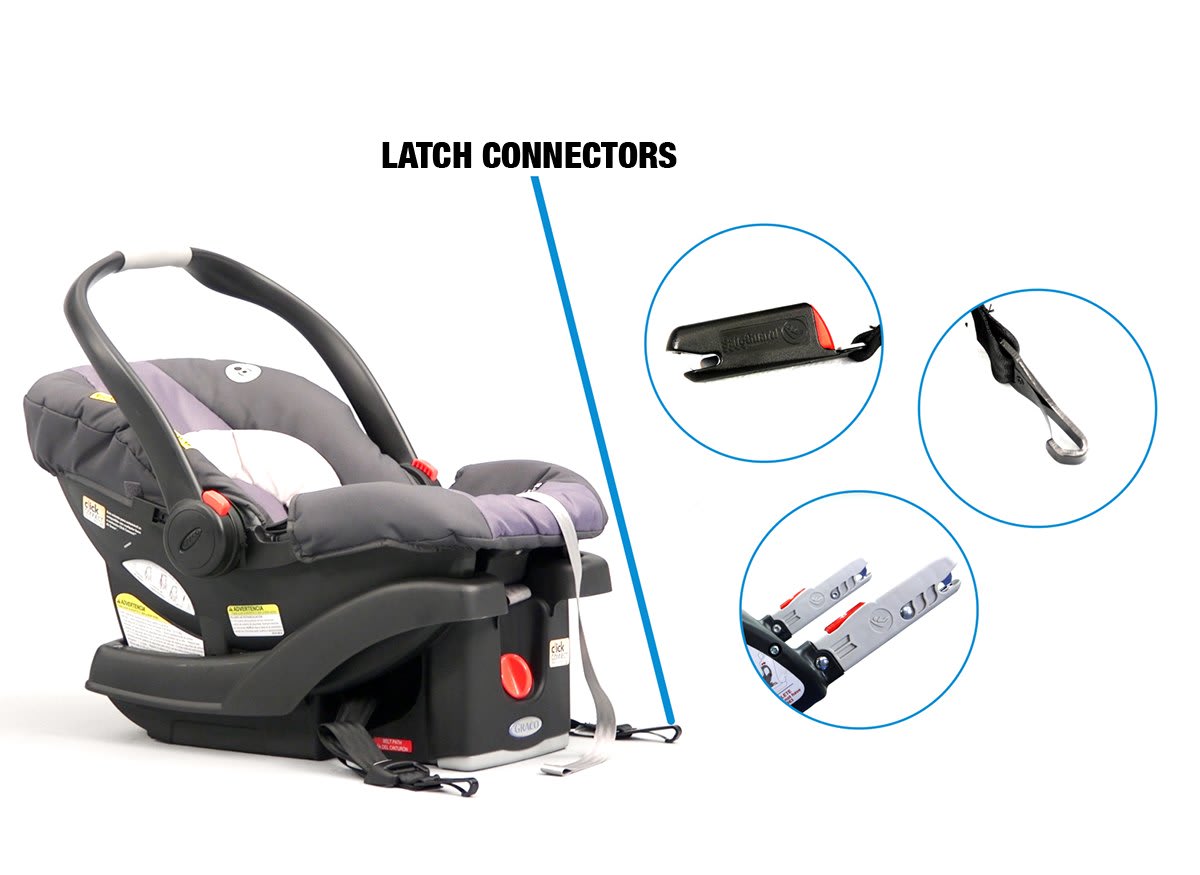
What if your next family road trip hinges on something small—four metal points, a click you can feel, and the quiet certainty that your child’s seat isn’t going anywhere? In the world of child passenger safety, that “something small” often means LATCH anchors. And in 2025, the question becomes even more interesting: which minivan gives you the most cooperative, straightforward LATCH experience when you’re installing car seats, rotating them, or juggling more than one child restraint?
Here’s the playful twist. Imagine you’ve finally found a minivan that feels roomy, comfortable, and delightfully practical. Then you attempt the LATCH install—and suddenly you’re met with an annoying angle, a stubborn belt path, or an anchor layout that seems designed by a mischievous cartographer. It’s a classic scenario: you planned a smooth install, but the vehicle has other ideas.
So let’s tackle the best 2025 minivan for car seats by looking at what actually matters when you’re using LATCH anchors: accessibility, geometry, measurement consistency across seating positions, and how reliably installs can be achieved without turning your living room into a construction zone of car-seat manuals and tangled straps.
Why LATCH Anchors Matter More Than You Think
LATCH (Lower Anchors and Tethers for CHildren) is supposed to simplify installation. In the most ideal scenario, it reduces guesswork and makes it easier to reach a secure fit with fewer variables. But LATCH isn’t only about “having anchors.” The install outcome depends on the spatial relationship between anchors, seat bight, belt path routing, and the car seat’s own requirements.
Even if two minivans both offer LATCH, their anchor positions can produce drastically different results. One vehicle might offer clean access for tightening and a straightforward line to the restraint. Another might hide the anchors in a way that turns tightening into an endurance sport.
When people say “the best minivan for car seats,” they’re rarely talking about aesthetics alone. They’re talking about friction—how quickly you can get a correct fit, and how consistently that fit holds when you revisit it after a seat rotation or a seasonal wardrobe change.
What Makes a Minivan “Car-Seat Friendly” in 2025
In 2025, the best minivan for car seats with LATCH anchors typically earns that title through a combination of practicality and predictability. Practicality means reachable anchor points, understandable installation routes, and seats that don’t punish you for trying. Predictability means the setup works across multiple car-seat sizes and multiple seating positions.
Pay attention to these traits when evaluating any minivan:
- Anchor accessibility: Can you reach the lower anchors and connect the attachments without contorting your shoulders into a knot?
- Anchor spacing and alignment: Are the anchors positioned to reduce twist in the car seat’s belt path area?
- Seat cushion shape: Does the seat contour support the child restraint’s base, or does it encourage slippage?
- Tether usability: Can you route and attach the top tether smoothly, with minimal obstruction?
- Repeatability: Does the install feel similar in the second and third rows, or does each position behave like a separate puzzle?
It’s the repeatability that often separates “nice in theory” from “best in real life.” Families don’t just install once. They reinstall after growth spurts, after travel, and after swapping seats among siblings.
Testing Reality: How LATCH Installs Are Won (or Lost)
Testing isn’t just about whether anchors exist. It’s about whether the system supports a correct install with ordinary effort. A minivan can have LATCH anchors, yet still feel difficult if the lower anchors are awkwardly placed or if the seating geometry makes tightening inconsistent.
In testing environments, the focus tends to include how well the installation performs in passenger-side positions, and whether the outcomes remain stable across seat locations. That’s because real families often load from multiple doors and reposition children as routines change.
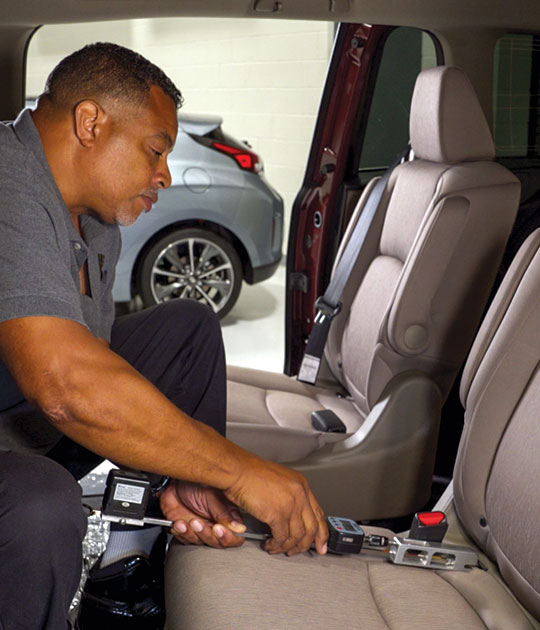
One of the key practical challenges is tightening. You can connect the attachments and still end up with a base that shifts or doesn’t achieve the required tightness. Tightening leverage matters—so do how the car seat’s attachment points interact with the anchor structure.
Passenger-Side Consistency: The Sneaky Make-or-Break Detail
Here’s where the challenge becomes slightly mischievous. Many caregivers instinctively install from the most comfortable side. But children don’t always ride in predictable patterns, and doors don’t magically open at the perfect angle for the perfect installer. If passenger-side LATCH performance is consistently better than other sides, it can reduce installation friction on every commute.
Passenger-side consistency often correlates with overall anchor accessibility and a seat geometry that doesn’t fight the car seat. When the anchors sit in a way that aligns naturally with the restraint’s belt path, tightening tends to feel less like persuasion and more like confirmation.
If you frequently park curbside or do drop-offs on the passenger-side, this detail can become surprisingly important.
The Practical Install Playbook: Setting Up for Success
Even the best minivan can’t rescue an installation if the steps are rushed. Start with a simple rhythm:
- Read the car seat manual first: Confirm where your restraint allows LATCH and tether routing.
- Clear the seatback area: Remove bulky items that can interfere with belt paths and base placement.
- Connect LATCH attachments gently: Avoid forcing components into misaligned angles.
- Tighten with steady leverage: Ensure the belt path or base achieves the required snugness.
- Check for movement: Follow the car-seat rule for acceptable movement at the correct locations.
Yes, this sounds methodical. But methodical can also be liberating. When installs become routine, you stop treating car seats like one-time events and start treating them like secure, repeatable systems.
Tether Anchors: The Quiet Partner to LATCH
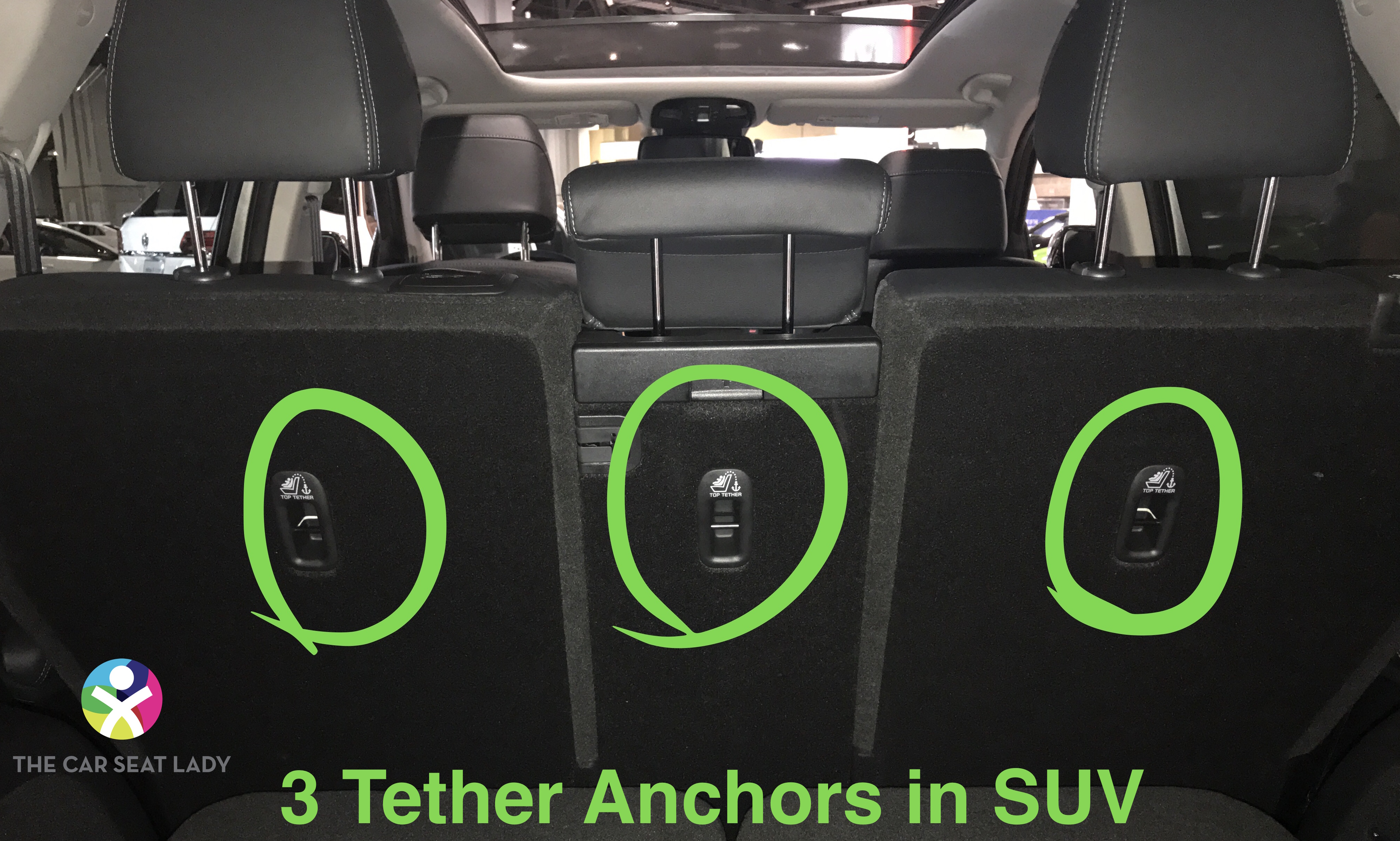
LATCH provides a lower attachment method; the top tether (where required) complements it by reducing forward motion in a crash. Tether points can be easy or evasive depending on vehicle design, headrest geometry, and third-row accessibility.
Many families discover tether challenges during real-world life—like when the top tether location is reachable only with the seat folded a certain way, or when routing requires extra hand coordination. A best-in-class minivan for car seats won’t just make LATCH workable; it will make tether use realistic for busy mornings.
Third-Row and Multi-Seat Logistics: When the Van Becomes a Tetris Board
Minivans shine because they handle multiple seats and multiple needs. But that advantage comes with logistics: multiple LATCH zones, changing access angles, and the frequent need to move between rows without dismantling the entire seating setup.
If your household uses two car seats or combines a car seat with a booster, the “best” minivan becomes the one that doesn’t punish your choreography. Look for easy access to anchors in each relevant row, and consider how the child restraint affects seat access for passengers.
In the end, the car-seat experience isn’t only about installation; it’s about daily usability. Can you buckle children efficiently? Can you reach the tether? Can you safely store items without interfering with seat movement or anchor access?
So, Which 2025 Minivan Leads the Pack?
The best 2025 minivan for car seats is the one that delivers reliable LATCH anchor performance across common seating positions, including passenger-side setups that families actually use. In practice, that means a vehicle that supports secure installs with less wrestling, fewer adjustments, and more confidence that the car seat sits correctly after each tightening cycle.
When you’re comparing candidates, don’t stop at “available LATCH.” Focus on real install outcomes—how smoothly you can connect and tighten, how stable the base feels, and whether the setup remains consistent across the seating positions you’ll use most. That’s where the best minivan earns its reputation.
Final Check: Your Own Install “Win Condition”
Before you commit, do one last verification step: test the install process as if you’re doing it on a Tuesday morning. If it takes heroic effort to reach anchors, if tether routing becomes a contortionist routine, or if the base doesn’t settle predictably, you’re likely facing the exact challenge that every parent tries to avoid.
Choose the minivan that makes LATCH feel less like a technical negotiation and more like a confident click. Because the best seat isn’t the one that looks right at the first try—it’s the one that stays right, installation after installation, mile after mile.