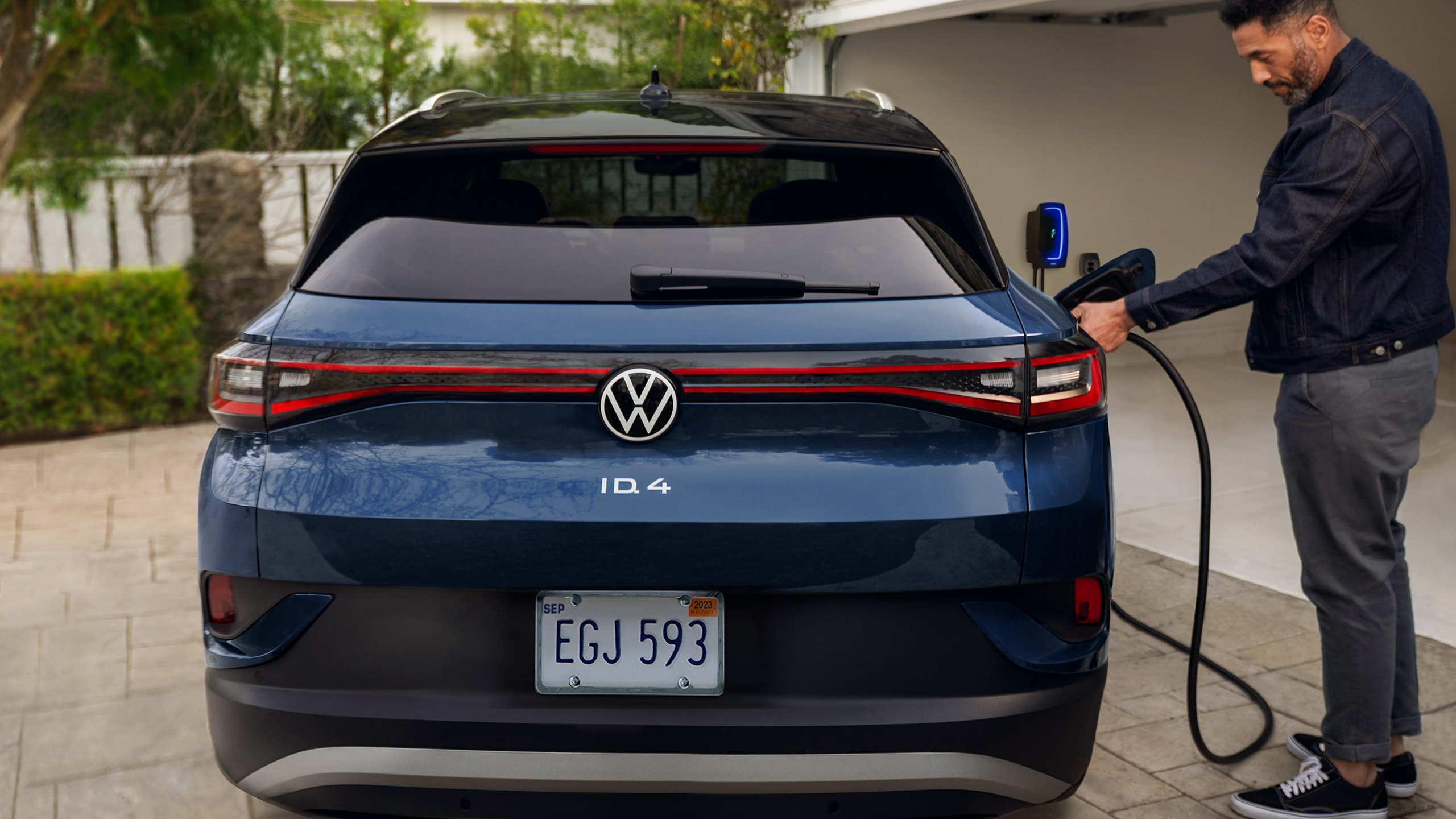
Imagine this: it’s late afternoon, the house smells faintly of dinner, and the car is parked in its usual spot like it’s always belonged there. But instead of thinking about petrol or a late trip to the station, you’re thinking about plug-in time. Volkswagen’s ID.4 is built for that kind of rhythm—calm, predictable, and surprisingly satisfying. Still, there’s a playful question hiding in the background: what happens when your household charging needs are a little… unpredictable? From school schedules to weekend errands, family life has a talent for changing the plan at the last second. And with an EV, the “plan” is often the charging routine.
Let’s talk about the real-world home experience—how the ID.4 fits into daily life, what a family should consider when setting up charging, and how to avoid the common hiccups that can turn a smooth routine into a mildly stressful evening.
Why the ID.4 Fits Family Life So Well
The ID.4 isn’t just a pretty EV silhouette. It’s an everyday machine designed to absorb the chaos of real homes. Families tend to move in waves: one person grabs the keys, another hunts for a charger cable, someone else asks if the car has enough range for “just one stop.” The ID.4 brings structure to that whirlwind.
At home, that structure becomes especially tangible. You can schedule charging overnight, wake up to a ready-to-go battery, and keep the day’s logistics pleasantly simple. There’s a reason EV adoption often starts at the driveway: home charging removes friction and reduces the mental load of “where will we charge next?”
And yet, there’s a potential challenge: a family’s routine is rarely static. One week might be commuting-heavy; the next could be road-trip heavy. So the home charging experience should be flexible enough to handle both.
Home Charging: The Quiet Superpower of Daily EV Ownership
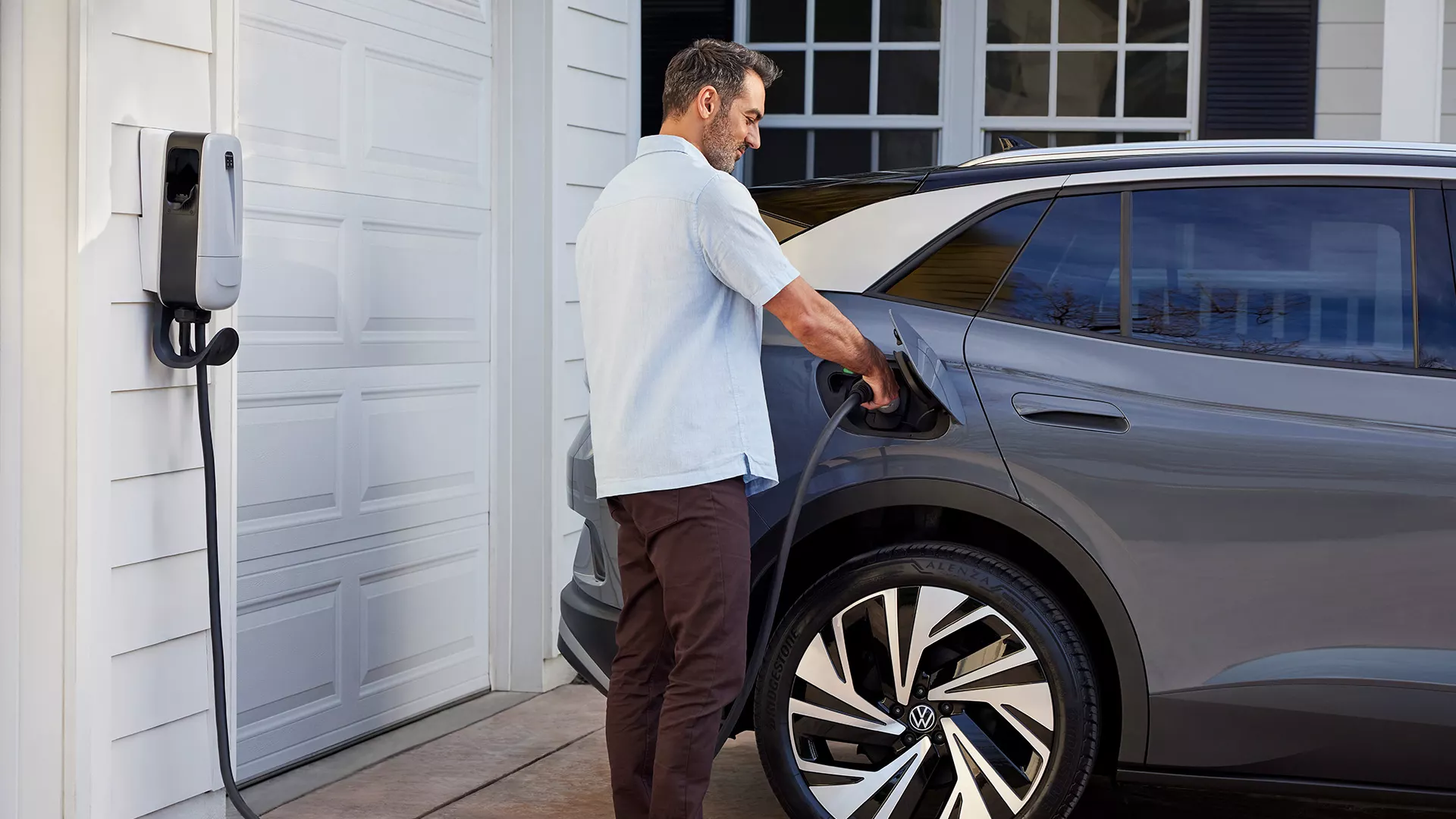
Home charging turns your garage or driveway into a kind of private energy station. When you charge at home, you’re not just replenishing the battery—you’re designing your day. You choose when charging happens, you monitor progress, and you step into the car with the range you expected rather than the range you guessed.
For many households, the biggest benefit is simplicity at scale. A family may drive multiple legs in a day: morning drop-offs, errands, after-school activities, and then the evening commute. Instead of searching for public charging, you maintain a dependable baseline charge.
There’s an often-underestimated detail: charging isn’t merely about filling a battery. It’s also about timing. Overnight charging can coincide with lower rates, and scheduled charging can help prevent peak-time costs. When done well, the ID.4 feels less like a technology project and more like an appliance.
Choosing the Right EV Charger for Your Driveway Setup
Not all home charging setups are created equal. The charger you choose affects charging speed, convenience, and the overall “smoothness” of the experience. For families, the practical question isn’t just “can it charge?” It’s “can it charge in a way that matches our lives?”
A dedicated home EV charger often provides a more predictable experience than relying on slower charging options. It can reduce wait times and help you recover range when the family suddenly decides to extend the day. You want charging that feels like it keeps up, not like it’s always playing catch-up.
Look for a solution that fits your household habits. If your mornings are busy and your evenings are unpredictable, a faster, well-positioned charger can be a quiet lifesaver. And if your home electrical setup needs an upgrade, plan for it early. Nothing dampens the joy of EV ownership like discovering a technical bottleneck right when you need the car most.
Installation Considerations: Distance, Power, and Route Planning
Installation is where good intentions meet physics. Cable length, charger placement, and proximity to the parking spot can make the difference between “easy plug-in” and “contortionist charging.” Families are busy; the best setups eliminate tiny daily annoyances.
Start by mapping the route from the charger to the vehicle’s charging port. Consider how you park, whether you back in, and how the driveway or garage entrance affects cable reach. A charger mounted in the wrong place can quietly turn charging into a daily obstacle course.
Next, evaluate your home’s power capacity. Many chargers require proper electrical planning. That might mean working with an electrician to ensure the system can support the charger safely. This is especially important if you have other high-draw appliances or older electrical infrastructure.
Here’s a playful but real challenge: imagine a hectic school night. If the charger is awkward to access, the family may hesitate to plug in immediately—then range becomes a negotiation instead of a certainty. A thoughtful installation prevents that domino effect.
Scheduling Charging Around Real Household Timelines
EV charging shines when it aligns with your life. Scheduling charging can help you charge when electricity rates are favorable and ensure the car is ready before you need it. The ID.4’s home-charging experience becomes more satisfying when charging happens mostly in the background.
However, scheduling introduces its own twist: what if the plan changes? The family might add an extra activity, detour for groceries, or end up driving longer than expected. Your charging schedule should allow for adjustments without drama.
A good approach is to establish a baseline routine. Charge overnight to a comfortable daily target, then top up when needed. This balances everyday efficiency with flexibility. It’s not about squeezing every mile of range; it’s about keeping the day friction-free.
Daily Habits That Make Home Charging Feel Effortless
Small habits compound. Plugging in consistently, keeping an eye on charge progress, and maintaining the charging area (clean, accessible, dry) helps the whole system feel effortless.
Families benefit from shared routines. If everyone understands that the car is “ready in the morning,” anxiety drops. No one has to wonder whether it’s charged enough for the first departure. A household EV becomes less about checking and more about living.
Consider also how the charging area looks during bad weather. Rain, snow, and muddy driveways complicate access. Planning for a protected cable route or a charger placement that stays manageable in all seasons makes a meaningful difference over time.
Common Challenges—and How to Turn Them Into Non-Issues
Every home charging setup has a learning curve. Maybe the initial target charge wasn’t ideal for your driving pattern. Maybe the cable reach wasn’t quite as convenient as hoped. Maybe you didn’t anticipate how quickly range is used during weekends.
One frequent challenge is underestimating variability. Families often have “normal days” and “event days.” On event days, range demand rises. The solution isn’t perfection; it’s preparedness. Keep your charging plan adaptable, use scheduling intelligently, and consider a charging speed that can recover range without requiring heroic effort.
Another challenge is the emotional side of technology. If charging becomes confusing, people avoid it. Make it simple: establish a consistent process, verify the charger’s status quickly, and ensure that household members know how to plug in without second-guessing.
Making the ID.4 a Connected Part of the Home
Home charging is only part of the story. The ID.4’s value grows when it fits into the household’s rhythm. When charging is predictable, the car becomes less of a novelty and more of a dependable companion.
Many families also appreciate the broader feel of electrification at home. The driveway becomes calmer. The soundscape changes. And the mental math of driving shifts from cost per mile obsession to mindful, planned energy use.
Even when life throws curveballs, a well-thought-out setup helps the ID.4 respond. It’s not merely charging; it’s readiness.
Conclusion: A Family EV Routine Worth Keeping
Volkswagen ID.4 home charging can be a deeply satisfying experience—not because it removes every complication, but because it reduces the everyday ones. When the charger is correctly installed, charging is scheduled thoughtfully, and the routine is tailored to your family’s real driving patterns, home becomes the most convenient “fuel station” you’ll ever have.
So, back to that playful question: what happens when your household charging needs get unpredictable? The best answer is: it adapts. With the right charger setup and a flexible routine, the ID.4 remains ready for the moments you plan—and the moments you didn’t.
In the end, the true goal is simple: less friction, more motion, and mornings that start with confidence instead of guesswork.