Compact cars have always played a particular role in the automotive story: efficient, agreeable, and—quietly—forgettable. But then the plot twists. The Kia K4 arrives as the Forte’s eventual replacement, and it doesn’t simply ask to be considered. It dares you to look again. The K4 isn’t presented as a small evolution; it reads like a deliberate pivot in philosophy. One moment you’re thinking “more of the same,” and the next you’re noticing a new cadence in design language, a reshaped interior mood, and a sense that the brand is trying to change how this segment feels day to day.
What does that mean in real life? It means the K4 aims to turn commuting from a chore into something closer to a ritual—clean interfaces, calmer cabin acoustics, and a driving posture that feels composed rather than merely practical. And yes, there are upgrades. Yet the more interesting question isn’t just what’s new. It’s why the K4 exists now—and why the shift feels almost narrative, like a character stepping out of a familiar story and into a sharper one.
First Impressions: A Design That Refuses to Blend In
Design is where the K4 begins its argument. From the outside, it carries an intent that’s hard to dismiss: sharper angles, a more cohesive surface tension, and a stance that looks ready even when standing still. The grille and lighting details don’t merely decorate; they choreograph the vehicle’s front presence, making it feel more “forward motion” than “transportation.”
Even the silhouette suggests a new perspective. Where some compact sedans look like they’ve been optimized for minimalism, the K4 seems built for visual momentum. The proportions feel calculated—neither bulky nor timid—striking a balance between aerodynamic discipline and youthful expressiveness.
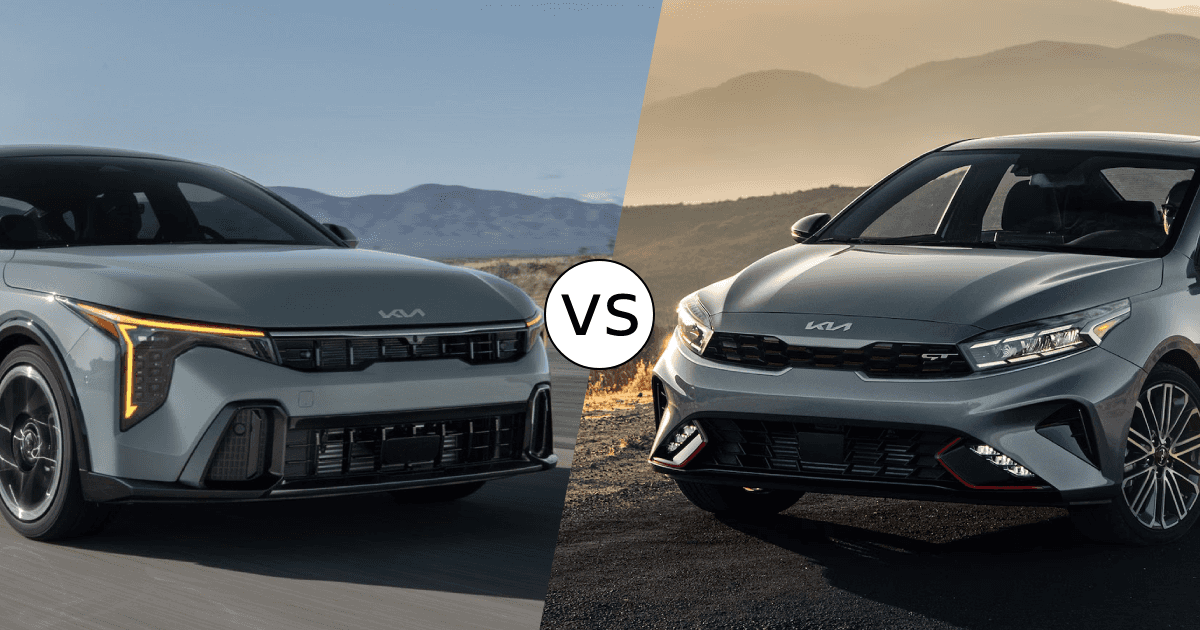
Look longer and the differences become more pronounced. The K4 doesn’t just replace the Forte; it reframes it. It’s as if the same segment is being offered a new costume—and a revised personality.
Cabin Atmosphere: Comfort Meets a More Purposeful Layout
Step inside and the K4 tries something subtle: it turns ergonomics into ambience. The cabin layout feels cleaner, with a driver-focused orientation that helps reduce mental friction. Shortcuts and shortcuts again—buttons within easy reach, screens positioned to be glanced at rather than hunted.
Material choices and finishing details aim for a more deliberate, upscale feel. The vibe is not loud. Instead, it’s confident—almost methodical. That matters, because comfort is rarely about the biggest screen or the flashiest trim. It’s about how quickly the cabin “fits” you, how naturally your hands locate controls, and how the space supports long stretches of road.
There’s also a quiet promise embedded in the design: this car expects you to live in it. Whether that means weekdays spent shuttling kids, late errands, or weekend drives that begin as errands and end as stories, the K4 positions itself as a companion rather than a tool.
Technology and Infotainment: Designed for Glances, Not Distractions
Modern dashboards can sometimes feel like portals overloaded with information. The Kia K4’s approach is more grounded. The infotainment experience is arranged to encourage smooth interaction—quick to read, easier to navigate, and less likely to pull focus at the wrong moment.
Expect a user experience that prioritizes clarity. Menus feel structured instead of chaotic. Controls feel intuitive, and the overall system rhythm suggests Kia listened to a simple truth: drivers don’t want to perform complicated rituals while moving down the road. They want effortless access—music, navigation, calls, and settings—without the cognitive tax.
Short and long drives both benefit from this. Short drives demand speed; long drives demand calm. The K4 seems built for both, with technology that supports without commandeering attention.
Performance Character: More Composure, More Confidence
Under the hood, the K4 is guided by a philosophy of balance. The objective isn’t merely to be fast in the abstract—it’s to feel responsive without becoming twitchy. In everyday motion, that translates into smoother acceleration, a more natural throttle response, and a driving rhythm that doesn’t require constant correction.
Steering and suspension tuning aim for poise. The car should track predictably through routine turns and stay composed over imperfect pavement. That kind of stability isn’t glamorous, but it’s precious. It reduces fatigue. It helps you arrive with your attention intact.
Even when you press a little harder, the K4’s character remains coherent. It feels like a compact sedan that understands its mission: to deliver practical performance with the restraint of good manners—and the occasional spark for the moments you want to feel something.
Ride Quality and Quietness: The Unexpected Upgrade
Some upgrades are easy to spot: larger screens, new styling cues, updated tech. Others are harder to notice until they’re absent. Kia seems to be chasing the latter. The K4’s ride quality goals point toward improved refinement—less harshness, reduced vibration intrusion, and a cabin that holds onto a quieter soundscape.
That quietness has a halo effect. When road noise is better managed and the cabin feels more insulated, music sounds better. Conversations flow more naturally. Even silence becomes comfortable. It’s the kind of improvement that doesn’t announce itself. It just quietly changes your daily perception of the car.
In a segment where many competitors treat refinement as optional, the K4 appears to treat it as essential.
Safety and Driver Assistance: Confidence Through Control
Safety features are often described in checklists. But in practice, they shape the emotional tone of driving. The K4’s driver-assistance suite is designed to support awareness and reduce surprise. Think of it as an extra layer of vigilance—there when you need it, unobtrusive when you don’t.
From forward-looking systems to monitoring features that watch over lane behavior and potential hazards, the aim is clear: fewer moments of “Did that just happen?” and more moments of “It’s handled.”
That matters especially in urban traffic, when attention gets sliced into smaller pieces. The K4 seeks to keep the driver’s workload reasonable—so the drive stays enjoyable rather than constantly managed.
Space and Practicality: The Forte’s Legacy, Recast
The Forte built credibility through practicality—space that made sense, utility that didn’t feel like compromise. The K4 inherits that intent but refines the execution. Rear-seat comfort, trunk usability, and overall storage logic are treated as part of the K4’s personality.
It’s not about chasing maximum numbers. It’s about how the space behaves. Can you fit everyday gear without wrestling it into place? Can passengers settle in without feeling cramped? Does the trunk swallow grocery runs and weekend bags with equal ease?
These are the questions that define a compact car’s real value. The K4’s aim seems to be making daily life simpler—and doing it in a way that feels thoughtfully engineered.
Trims, Customization, and Value: Choosing Your Identity
One of the most compelling parts of a new model launch is the chance to choose a personality. The K4’s trim structure invites drivers to pick what matters: more equipment where it enhances comfort, more tech where it supports convenience, and sportier cues where aesthetics align with ambition.
Value isn’t only about price. It’s about what you receive for what you pay—features that become habits, comfort upgrades that reduce fatigue, and safety tech that changes how you drive.
If the K4 is trying to shift perspective, trims are part of that narrative. They allow the car to feel different depending on who’s behind the wheel, turning a standardized commute into a more personal experience.
The Shift in Perspective: Why the K4 Feels Like a New Era
The most intriguing aspect of the Kia K4 isn’t a single spec. It’s the overall demeanor. This compact sedan appears designed to make the driver reconsider expectations—about what compact means, about what “replacement” can accomplish, and about what a daily car should feel like.
The Forte was a steady presence. The K4 wants to be a more memorable one. It leans into design that holds attention, an interior that encourages comfort, technology that supports without overwhelming, and a driving feel tuned for everyday confidence.
It’s a reframing, not a handoff. And once you notice that, the K4 becomes more than a next step. It becomes a question: what if the compact segment could feel more intentional—more alive—without losing practicality?
Final Thoughts: A Compact Sedan With a Purposeful Edge
The Kia K4 (Forte replacement) sets out to do something rare in the compact world: it tries to change your mental script. The styling feels purposeful. The cabin feels more composed. The driving character seems tuned for confidence rather than compromise. Safety technology supports without drama. And the practicality feels refined, not merely repeated.
If the Forte was about reliability and sensible utility, the K4 is about evolution—an all-new compact with the ambition to be noticed, the discipline to be comfortable, and the restraint to remain genuinely livable. The future of compact Kia isn’t just coming. It’s already arriving with a sharper perspective.