There’s a peculiar kind of romance to a compact car when you’re in college. It isn’t the flashy kind—no red-carpet glamour, no orchestral horns at stoplights. Instead, it’s the quieter fascination of something that fits the moment: tight parking lots, last-minute detours to the library, and grocery runs that somehow still feel like an expedition. In 2025, compact cars have become the sweet spot for students who want affordable reliability without surrendering the ability to move when schedules implode.
People often observe that compact cars are “good on gas” and “easy to park.” Those are true, but they’re also surface-level. The deeper reason for the enduring pull is psychological: compact cars remove friction. Less friction means fewer stressful errands. Fewer stressful errands means more bandwidth for classes, part-time jobs, and the small adventures that become memories. Below is a guided tour through the best compact cars for college students in 2025—built for budgets, designed for day-to-day sanity, and engineered with an emphasis on keeping you mobile.
Why Compact Cars Still Win the College Formula
The appeal of compact cars isn’t only economic, though the numbers matter. Tuition bills, textbooks, and surprise fees can make every monthly expense feel like a weight in the backpack. Compact vehicles tend to deliver a favorable blend of purchase price, insurance costs, and fuel efficiency. But the real magic is how that blend changes your routine.
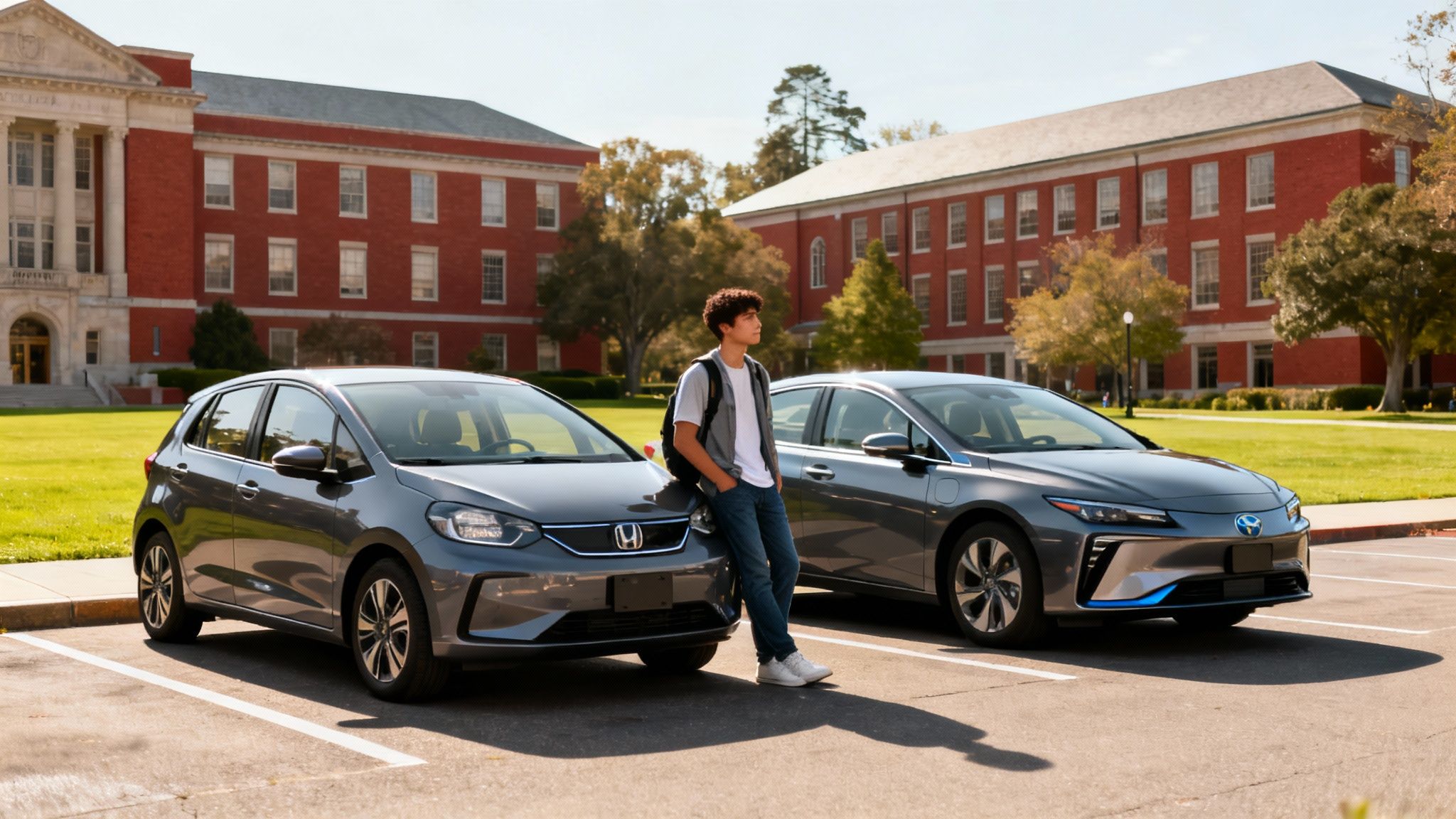
Consider the campus ecosystem. You’re often navigating crowded lots, narrow lanes, and sudden construction zones. A compact car responds quickly and tucks neatly into spaces that would swallow a larger vehicle. That maneuverability reduces “micro-stress”—those tiny moments of tension that accumulate across a semester.
Then there’s maintenance. Many compact models in 2025 are engineered with durability-first thinking, and their parts availability is typically strong. This means fewer extended downtime windows when something minor needs service. For students, time is a resource just as valuable as money.
The 2025 Compact Car Checklist: What to Look For
Not every compact car is automatically “college-friendly.” The trick is to evaluate characteristics that map directly to real student life. Start with fuel economy, but don’t stop there.
Reliability track record: Look for brands and models known for longevity. A car that consistently starts in winter and survives stop-and-go commutes reduces the odds of humiliating breakdowns.
Safety equipment: In 2025, advanced driver-assistance features are increasingly common. Collision warning, automatic emergency braking, and lane-keeping can act like extra vigilance during those long study nights when attention feels fractionally thinner.
Maintenance friendliness: Easy-to-service components, strong dealer networks, and predictable scheduling matter more than people expect. It’s not glamorous, but it’s essential.
Interior versatility: You’ll haul textbooks, a laptop cart of doom, gym gear, and groceries. Foldable rear seats and usable cargo space make your vehicle feel like a second set of hands.
Technology that doesn’t distract: A good infotainment system is intuitive. It should reduce cognitive load while you drive, not increase it.
Top Picks in 2025: Affordable & Reliable Compact Cars
Compact car choices usually fall into a few categories: efficient sedans, agile hatchbacks, and small crossovers with compact-like dimensions. Since college life includes both short local trips and occasional road bursts, variety is useful. The best picks share a core theme: they feel dependable and practical without becoming joyless.
1) The Compact Sedan That Feels Like a Daily Partner
A compact sedan in 2025 often offers calm highway manners and straightforward ergonomics. The appeal is subtle: a stable ride with an interior that doesn’t feel claustrophobic. Sedans also tend to provide better trunk usability for boxes, bedding, and bulky semester cargo.
2) The Hatchback for the “Everything Must Fit” Lifestyle
Hatchbacks are the chaos-friendly option. A rear door that opens upward helps with loading, and the shape of the cargo area supports items that refuse to lie flat. If your schedule includes volunteering days, weekend trips, and impromptu moves between dorms, the hatch’s practicality can feel like a superpower.
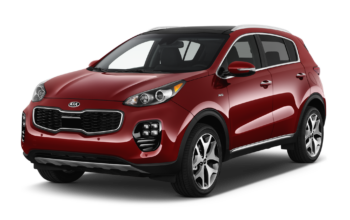
3) The Compact Crossover Without the Oversized Compromises
Some compact crossovers in 2025 bring slightly higher ride height and a more commanding view. That can help with visibility in parking garages and snowy lots. They may cost a bit more than the smallest sedans, but many deliver strong value through comfort and flexibility.
Fuel Economy: Savings That Compound Over a Semester
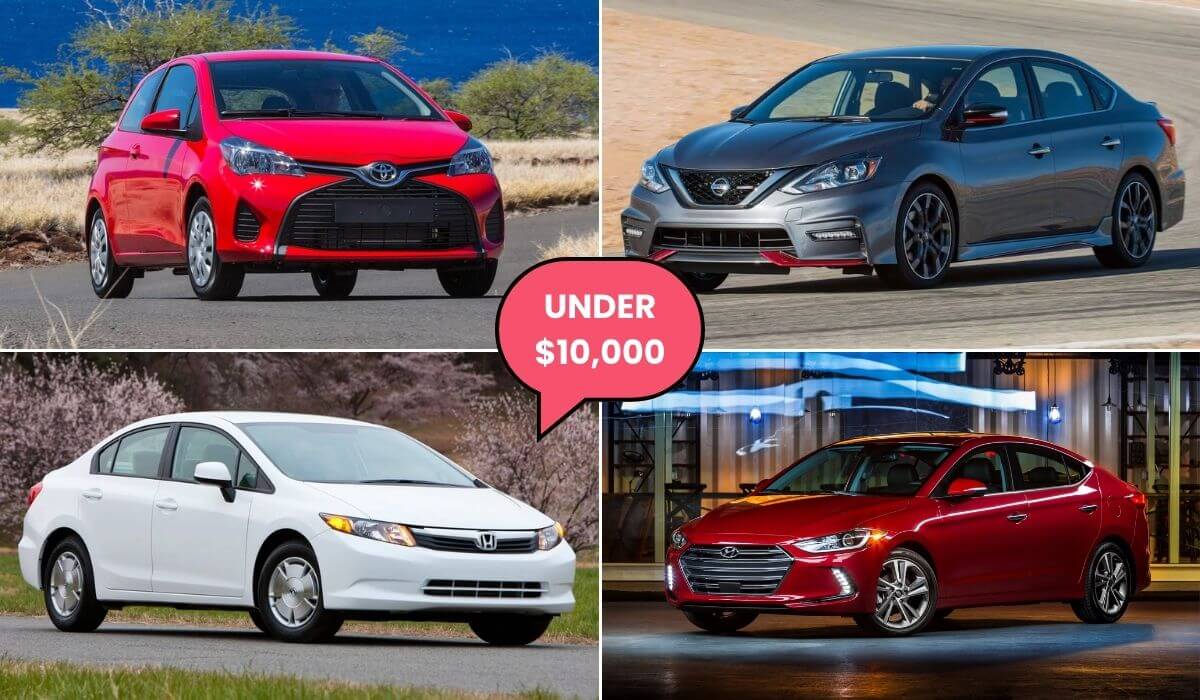
Students rarely drive like robots, but their driving patterns often create predictable efficiency. Short commutes, errand detours, and stop-and-go traffic influence consumption. The best 2025 compact cars balance engine performance with restraint. That means you can spend less at the pump and more on food, rent, and the occasional “reward treat” you won’t admit you need.
Look beyond raw MPG numbers. Real-world driving matters. A car that maintains efficiency in mixed conditions—city streets plus highway stretches—keeps costs stable. Stability is underrated. When finances are tight, predictable spending reduces anxiety.
Insurance and Ownership Costs: The Invisible Budget Levers
Many students calculate car budgets by focusing on the sticker price, but insurance and ownership costs are often the true deciding factors. Compact cars frequently earn better insurance rates than larger vehicles, partly due to vehicle class and crash-avoidance profiles.
Also consider ownership friction. Easy-to-find parts, broad repair knowledge, and reasonable labor costs can turn a potential crisis into a manageable appointment. That matters because you’ll still have midterms. A car shouldn’t steal your focus at the worst time.
Reliability in Practice: What “Reliable” Actually Means
Reliability isn’t simply “nothing breaks.” Real reliability is the absence of expensive surprises, the durability of common components, and the consistency of starting and driving without drama. In 2025, many compact cars are designed with improved quality control and better long-term consistency.
Start with the basics: engine health, transmission smoothness, and brake durability. Then check for comfort-related reliability—things like infotainment stability, sensor accuracy, and the persistence of interior materials that resist wear from daily use.
If you want a deeper sign of reliability, examine how the car behaves when you stop caring about it. A dependable compact vehicle feels the same at 8,000 miles as it did at 800. That calm familiarity is the hallmark.
Safety Features That Matter for Student Schedules
College students drive in high-variance conditions: dusk commutes after late labs, rain-soaked parking lots, and the occasional surprise cyclist crossing. Advanced safety systems can help compensate for fatigue and split-second distraction.
Lane-keeping assist can reduce drift during long drives. Automatic emergency braking can help when traffic compresses unexpectedly. Blind-spot monitoring adds another layer of situational awareness, especially in crowded urban campus areas where lanes feel more theoretical than real.
Safety systems aren’t a replacement for attention. They’re an extra set of eyes—quietly vigilant.
Comfort and Usability: The “Liveability” Edge
A compact car that’s reliable but uncomfortable won’t feel like a good investment. College life is not a showroom demonstration. It’s shoulder-to-shoulder seats, awkward loading angles, and long days that end with the same question: “Can I get comfortable fast?”
Look for supportive seats, sensible cabin layout, and visibility that reduces blind spots. Heated seats can be a small luxury that becomes unforgettable during winter morning classes. And if you bike to campus sometimes, rear cargo space matters more than you’d think—helmets, racks, and bags all need a home.
Technology should be simple. A responsive screen and fast Bluetooth pairing prevent the daily “why won’t it connect?” ritual.
Choosing the Right Compact Car for Your Campus Life
Two students can live in the same city and want radically different cars. One student may prioritize the lowest fuel costs and maximum trunk space. Another may value ground clearance for snow days and comfort for longer drives to internships.
Start by mapping your driving. How far do you commute? How often do you park in tight spaces? How frequently do you haul gear? Then match the car category: sedan for predictable comfort, hatchback for flexible cargo, crossover for visibility and versatility.
Finally, consider how you’ll use the car during peak chaos—move-in weekend, exam season, and holiday visits. A compact vehicle shines when it can handle the mess without complaint.
Practical Tips Before You Buy in 2025
Even the best compact cars benefit from smart shopping habits. Verify maintenance history if buying used. Inspect tire condition and brake wear. Confirm that safety features function correctly. Test drive at low speeds and highway speeds to gauge steering feel and braking response.
If you’re financing, compare total cost—not just monthly payments. A slightly higher sticker price with better fuel economy and reliability can end up cheaper over time. Look at the whole picture: your semesters are finite, but your car payments can stretch.
Outro: The Compact Car as a Confidence Machine
In 2025, the best compact cars for college students are more than transportation. They’re a confidence machine—quietly converting stress into momentum. They help you arrive on time. They keep your budget steady. They make parking less of a battlefield and daily errands feel less like chores.
And maybe that’s why the fascination persists. A compact car doesn’t demand attention. It gives you back the time and energy you need to become someone new between lectures, late-night conversations, and the surprising adventures that happen when you say yes to the weekend plan.