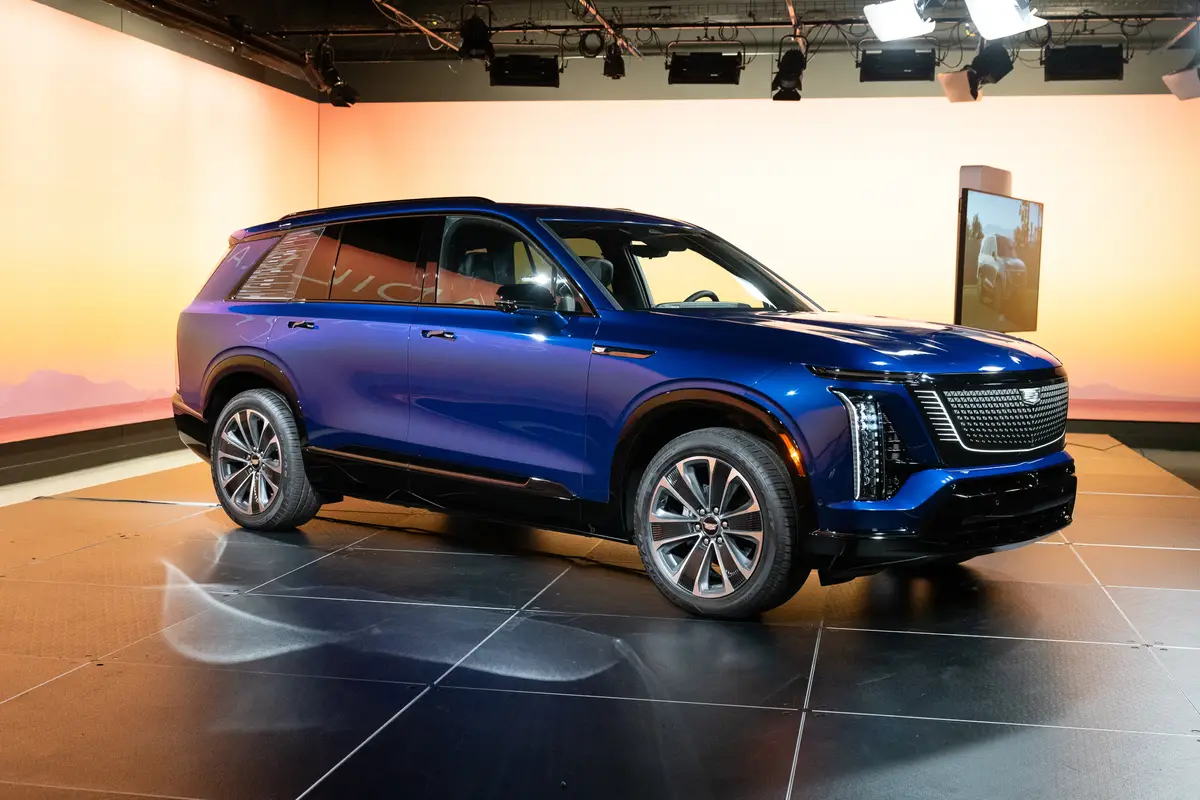
In 2026, luxury car customization has stopped being a simple matter of swapping out a steering wheel cover. It has become a quiet form of self-authorship—an act of translating taste into materials, software, and atmosphere. Many drivers still begin with the familiar question: “How do I make it look like me?” Yet the deeper allure lies elsewhere. The fascination with personalization often starts at the surface—shimmering paint, tailored leather, signature lighting—but it continues because the ride becomes an extension of identity. A well-customized cabin doesn’t just impress. It responds. It anticipates mood, choreographs comfort, and turns everyday commutes into ritual.
That is why the best customization plans in 2026 are holistic. They treat the vehicle like a living canvas, balancing aesthetics with engineering discipline. The result is not mere decoration. It’s intentionality—down to the way sound behaves at 70 mph, how ambient light settles over the dashboard, and how the tactile feel of a surface can change your posture and attention.
Start with the Right Premise: Personalization Is More Than Styling
A common observation is that customization trends chase visuals first. Wheels, body kits, paint codes—these are the headlines, and they’re compelling. But the more enduring satisfaction usually comes from what can’t be photographed easily. Consider how your car’s interior acoustics influence focus, or how an ergonomic seat contour can reshape fatigue after a long drive. A luxury vehicle is already refined. Customization adds a layer of meaning.
Begin by asking what you want to feel when you open the door. Calm? Confidence? Playfulness? The “right” modifications follow those emotions like a well-trained navigator. Then the choices become easier: surfaces that feel warm to the touch on cold mornings, lighting temperatures that flatter the cabin rather than glare it, and software settings that remember how you like your drive to begin.
The 2026 Palette: Paint, Finish, and Visual Theater
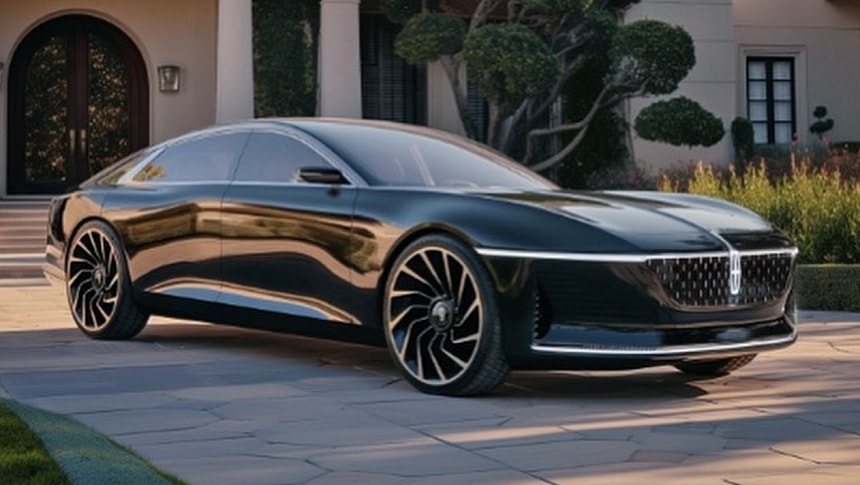
Paint is still a powerful starting point, but 2026 offers a more nuanced menu. Drivers increasingly choose finishes that change character under different lighting—pearlescent glazes, deep metallics, and subtle color-shifting effects that look almost liquid. These aren’t just aesthetic flourishes. They create a perception of depth, making the body lines appear sharper and the car feel more sculpted.
Beyond color, consider protective coatings as part of personalization. A finish that resists staining and oxidation keeps the visual “story” intact over time. Many owners also explore micro-textured clear coats that reduce swirl marks and enhance gloss. The result is an appearance that remains pristine without constant polishing—a practical luxury.
Cabin Craft: Leather, Suede, Wood, and the Language of Touch
The interior is where personalization becomes intimate. In 2026, custom cabins are less about one dramatic material and more about material harmony. A leather selection might be paired with micro-perforation for breathability and a specific grain for visual tone. Suede inserts can soften reflections, while premium textile blends can dampen resonance in the cabin.
Wood trim is also evolving. Owners increasingly choose grain patterns that match the color temperature of ambient lighting. The goal is cohesion—surfaces that don’t fight each other. Even the stitching becomes a design statement. Contrast stitching can add rhythm along the dashboard and doors, while tonal stitching can create a more stealthy, gallery-like finish.
Don’t overlook tactile details: custom seat contours, armrest materials, and tactile switches with improved feedback. Comfort isn’t only softness. It’s how the interior “speaks” through vibration, alignment, and pressure distribution. A cabin built this way tends to make drivers sit differently—more naturally, more confidently.
Lighting Design: Ambient Atmosphere as a Daily Ritual
In 2026, lighting is no longer an afterthought. Ambient illumination is treated like mood design. Instead of harsh accent strips, many builds use layered diffusion—indirect light that spreads across surfaces, creating a calmer visual field. Color temperatures can be tuned to mimic late-afternoon warmth, evening coolness, or a neutral showroom glow.
Some owners go further with programmable “scenes.” The car can shift ambiance based on the driving mode or even the time of day. In a subtle way, this becomes a behavioral cue. Your mind associates certain lighting patterns with specific emotional states: winding down, focusing, celebrating, or simply arriving.

Wheels and Stance: The Precision of Proportion
Wheels are the quickest visual transformation, yet the most satisfying builds treat them like geometry, not decoration. In 2026, owners pay close attention to offset, tire profile, and overall diameter because these variables influence more than appearance. They affect ride comfort, steering feel, and how the car absorbs road texture.
A “balanced stance” can make a vehicle look intentional—like it belongs in motion even while parked. But the deeper reason many owners are drawn to stance customization is psychological. It signals a personal signature. The car stops looking generic. It becomes unmistakably yours, recognizable even in peripheral vision.
Performance and Drive Feel: Personalization Through Engineering
Not every luxury modification needs to chase speed. Many drivers customize the driving experience through suspension tuning, steering calibration, and braking response. In 2026, there is increasing demand for setups that preserve composure rather than amplify harshness. Comfort remains the headline, but the tuning details create the sensation of control.
Consider adaptive suspension configurations that tailor damping characteristics to road conditions. This allows the cabin to feel settled while keeping the chassis responsive. Likewise, brake upgrades can improve pedal modulation—making slowing feel smooth and confident instead of abrupt.
Engineers understand that “feel” is a system outcome. It emerges from alignment, tire compound, and thermal management. When customization respects that system, the car doesn’t just look bespoke. It drives bespoke.
Sound and Silence: Audio Tuning as an Emotional Index
Luxury cars are already adept at noise management, but personalization expands the soundscape. Some owners choose premium audio systems, while others focus on cabin acoustics—sound deadening in strategic zones, improved sealing, and speaker placement refinements.
The goal in 2026 is fidelity without fatigue. Bass should feel present, not domineering. Vocals should remain intelligible at highway speeds. A tuned system can make long drives feel shorter, almost cinematic. The deeper fascination is straightforward: humans anchor memories to music. When your vehicle’s audio aligns with your taste, it becomes a mobile archive of emotion.
Software and Personal Profiles: The Rise of Tailored Behavior
Modern customization isn’t only physical. It’s behavioral. In 2026, drivers are using deeper personalization in vehicle software—profiles that adjust steering weight, throttle response, climate logic, and even driver-assist sensitivity. The fascination here isn’t novelty. It’s convenience with character.
Imagine the car preparing itself before you fully arrive: seats warmed to the level you prefer, mirror positions saved, ambient lighting dimmed to a calming intensity, and navigation suggested in a tone that matches your habits. This “pre-ritual” is a form of care. It turns technology into hospitality.
Exclusivity Options: Limited-Edition Details and Bespoke Signatures
Some drivers want their customization to be unmistakably rare. In 2026, bespoke approaches include custom badging, embroidered headrests, serial-numbered trim elements, and handcrafted interior accents. The appeal isn’t only scarcity. It’s the promise that no two cars will share the same signature configuration.
Even subtle customization—like a unique stitching pattern, a personalized plaque, or a tailored seam alignment—creates a sense of authorship. The vehicle becomes a narrative object, one with a chapter devoted entirely to personal taste.
Choosing a Builder: Quality, Fitment, and Long-Term Integrity
Customization is only as good as the execution. In 2026, the best work is meticulous: proper fitment, clean wiring runs, correct adhesion protocols, and documentation of what was changed. Ask about warranty coverage for installed components, and how they handle software integration or calibration after hardware alterations.
Long-term integrity matters. Great craftsmanship isn’t just visible on day one; it looks right months later when materials settle and surfaces reveal their true tone under different sunlight. A professional builder will anticipate that evolution rather than treat customization as a one-time makeover.
Maintenance and Preservation: Keeping Personalization Beautiful
Personalization deserves maintenance. Special finishes, custom upholstery, and protective coatings need care that respects their materials. In 2026, owners increasingly use coating-specific cleaning agents and avoid harsh products that dull gloss or compromise protective layers. Leather treatments are selected based on grain type and finish, not generic recommendations.
Small routines become part of the experience. A car that remains beautiful reinforces the emotional connection. Over time, the customized details feel more like heritage than novelty.
Conclusion: Your Ride as a Living Signature
Luxury car customization in 2026 is fascinating because it reaches beyond aesthetics. It addresses comfort, emotion, identity, and daily experience. The common observation—“I want it to look better”—is only the first layer. The deeper reason people keep customizing is that the car becomes responsive to their lives. It reflects who they are, how they move, and what they value when the world speeds up.
Whether your personalization leans toward paint theater, cabin craft, lighting atmospheres, or engineered drive feel, the guiding principle remains the same: choose modifications that create coherence. When every detail aligns, the vehicle stops being a product and becomes a statement—quiet, personal, and unmistakably yours.