What happens when two automotive siblings, born from the very same platform, line up for a head-to-head duel in the bustling crossover segment? The 2026 Hyundai Tucson Hybrid and the Kia Sportage Hybrid are precisely those contenders, sharing DNA yet staking their claim with distinct personalities. Both vehicles embrace hybrid technology, promising efficiency and performance, but the question remains: can they truly differentiate themselves, or does their shared underpinnings tether them too closely together? Let’s embark on an expedition through design, technology, performance, and value to unravel this fascinating comparison.
Design and Aesthetic Appeal: Subtle Siblings or Bold Individualists?
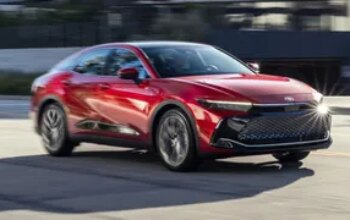
At first glance, the Hyundai Tucson Hybrid and Kia Sportage Hybrid may whisper of their shared roots, yet each exudes its own unique flair. Hyundai’s Tucson strikes a harmonious balance between geometric sharpness and aerodynamic fluidity, boasting a bold front grille wrapped in sleek LED lighting that commands attention without screaming. The exterior language feels futuristic yet approachable—a refined visual overture that attracts a discerning audience.
Meanwhile, the Kia Sportage Hybrid opts for an athletic silhouette punctuated by aggressive lines and a grittier stance. The “tiger nose” grille trademark emerges more assertively, complimented with muscular contours that suggest dynamism. The overall persona leans towards youthful exuberance, inviting those craving spirited aesthetics without sacrificing practicality.
Interior and Comfort: A Tale of Two Cabins
Step inside, and the narrative shifts from external boldness to internal sophistication. Both SUVs leverage their shared platform to maximize space and ergonomics, but their interior philosophies diverge intriguingly.
The Hyundai Tucson Hybrid embraces minimalism with its expansive dashboard layout, digital clusters seamlessly blended with a floating infotainment screen. The materials reach into the premium tier, offering soft-touch surfaces, plush seating, and ambient lighting that soothe as much as they impress. The cabin feels like a sanctuary, a thoughtful cocoon tailored for comfort on long journeys.
Conversely, the Kia Sportage Hybrid injects sportiness and functionality into its interior. Ergonomic seats envelop occupants snugly while tech controls are laid out intuitively for quick access. The cabin demonstrates versatility with clever storage solutions and configurable features, catering perfectly to adventurous souls who might trade a hint of reserved elegance for rugged usability.
Powertrain Performance and Efficiency: Hybrid Harmony or Competitive Friction?
Both the Tucson Hybrid and Sportage Hybrid harness the prowess of advanced hybrid powertrains, marrying internal combustion with electric assistance to optimize fuel economy and reduce emissions. Their shared platform here reveals its sophisticated engineering pedigree.
The Tucson Hybrid boasts a compelling power output coupled with responsive acceleration, delivering a smooth and whisper-quiet ride. Its intelligently calibrated system adapts seamlessly to varying driving conditions, whether darting through urban jungles or cruising suburban lanes. Fuel economy figures remain impressive without compromising the spirited drive enthusiasts expect.
Similarly, the Sportage Hybrid emphasizes agility and driver engagement. Its tuning favors dynamic handling, with brisk throttle responses and confident cornering capabilities. While marginally favoring performance over absolute efficiency, it still delivers commendable fuel savings, making it a balanced choice for those unwilling to sacrifice excitement for economy.
Technology and Connectivity: Bridging the Future
In the arena of technology, the two hybrids exhibit an arsenal of sophisticated features, reflecting the modern driver’s insatiable desire for connectivity, safety, and convenience.
The Hyundai Tucson Hybrid offers an array of cutting-edge driver-assist systems, including adaptive cruise control, lane-keeping assist, and blind-spot detection, all seamlessly integrated through a user-friendly digital interface. Its infotainment system supports both Apple CarPlay and Android Auto, with crisp graphics and responsive touch controls enhancing the overall experience.
Kia’s Sportage Hybrid counters with an equally robust tech suite, prioritizing ergonomics and interaction fluidity. The touchscreen is slightly more driver-centric, paired with tactile buttons and knobs to reduce distraction. Its advanced telematics system provides smart navigation, real-time traffic insights, and over-the-air updates, ensuring the vehicle evolves alongside technological advancements.
Safety Ratings and Features: Guardians on the Road
Anything less than top-tier safety would be untenable in this segment, and both competitors rise to the challenge with comprehensive safety arsenals.
Hyundai integrates a host of active and passive safety features that culminate in impressive crash test ratings. The Tucson Hybrid comes equipped with automatic emergency braking, pedestrian detection, and rear cross-traffic alert, which collectively act as digital guardians to mitigate risks on congested roads.
The Kia Sportage Hybrid keeps pace with an equivalent safety roster, including driver attention warning and smart rearview mirror technology that enhances rearward visibility. Its structural integrity emphasizes resilience, constructed with high-strength materials designed to absorb impact and protect occupants under severe conditions.
Pricing and Value Proposition: Investment or Indulgence?
Cost inevitably influences consumer decisions, and here lies an intriguing battleground. Both vehicles straddle a competitive price range that offers exceptional value given their hybrid technology and feature sets.
The Hyundai Tucson Hybrid leans towards delivering a well-rounded package with generous standard equipment, often positioning itself as the pragmatic yet stylish option. Available trims allow for customization without overwhelming the buyer with unnecessary extras, enhancing affordability without feeling sparse.
The Kia Sportage Hybrid, on the other hand, often introduces bundles and packages that appeal to tech-savvy and adventurous buyers. It dares to tempt customers with sportier trims and distinctive styling cues, potentially nudging the price upwards but promising a more personalized driving experience.
Ultimately, both the 2026 Hyundai Tucson Hybrid and Kia Sportage Hybrid wield impressive arsenals drawn from the same engineering blueprint, yet exhibit nuanced identities that resonate with different drivers. Whether one prefers the refined serenity of the Tucson or the energetic vibes of the Sportage, the shared platform lays a robust foundation of reliability, safety, and efficiency. The playful challenge remains in choosing which sibling fits your lifestyle and personality more harmoniously. So, will you opt for the elegant strategist, or the dynamic trailblazer? The road awaits your verdict.