There are vehicles you drive, and then there are vehicles that seem to drive your expectations instead. The Toyota Land Cruiser, returning with renewed intent, arrives less like a simple refresh and more like a deliberate change in point of view. It asks a quiet question: what if “capability” were not a marketing word, but a lifestyle of preparation, patience, and long-haul confidence? In US-spec form, the Land Cruiser doesn’t just attempt to satisfy the demand for robustness—it reframes it, widening the lens from weekend excursions to the kind of travel that rewards composure.
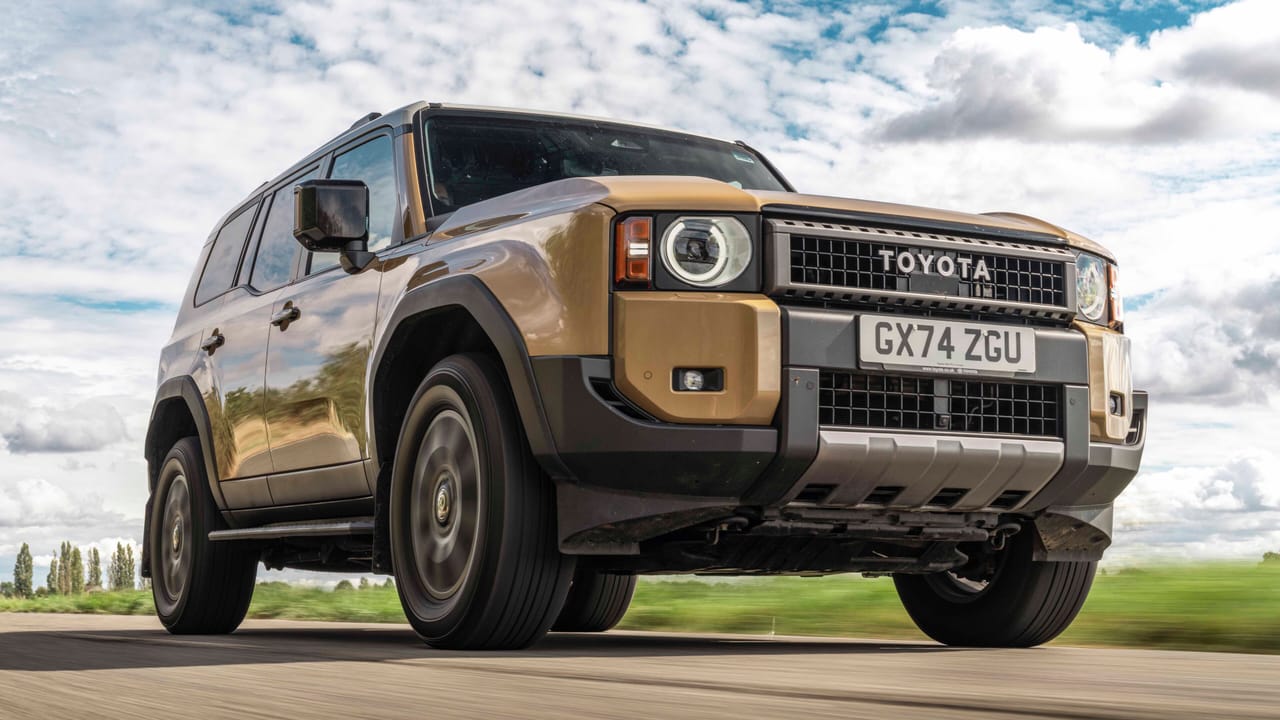
Before any spreadsheet of specs can convince you, you feel the posture of the vehicle. The stance looks composed, almost ceremonial. The body language suggests a readiness to outlast conditions—heat, cold, road grime, and the creeping uncertainty that settles in when a route stops behaving like a route. That impression isn’t merely aesthetic. It’s the first promise: this Land Cruiser returns with the mindset of a dependable cornerstone rather than a disposable novelty.
First Impressions: The Return That Doesn’t Apologize
The Land Cruiser’s “return” carries a particular cadence. It doesn’t arrive timidly, tiptoeing toward trends. Instead, it leans into familiarity while tightening the edges. The front end is more than a face—it’s a compact argument about stability. There’s a broad, confident sweep, with lighting elements that look prepared for long stretches of darkness.
Up close, details feel engineered for reality. Materials and panel alignments suggest durability over ornamentation. Even the sense of bulk feels purposeful, not bloated. Short lines, upright geometry, and the overall symmetry create a visual equilibrium that reads as trustworthy.

Design Philosophy: Familiar Shape, Sharper Intent
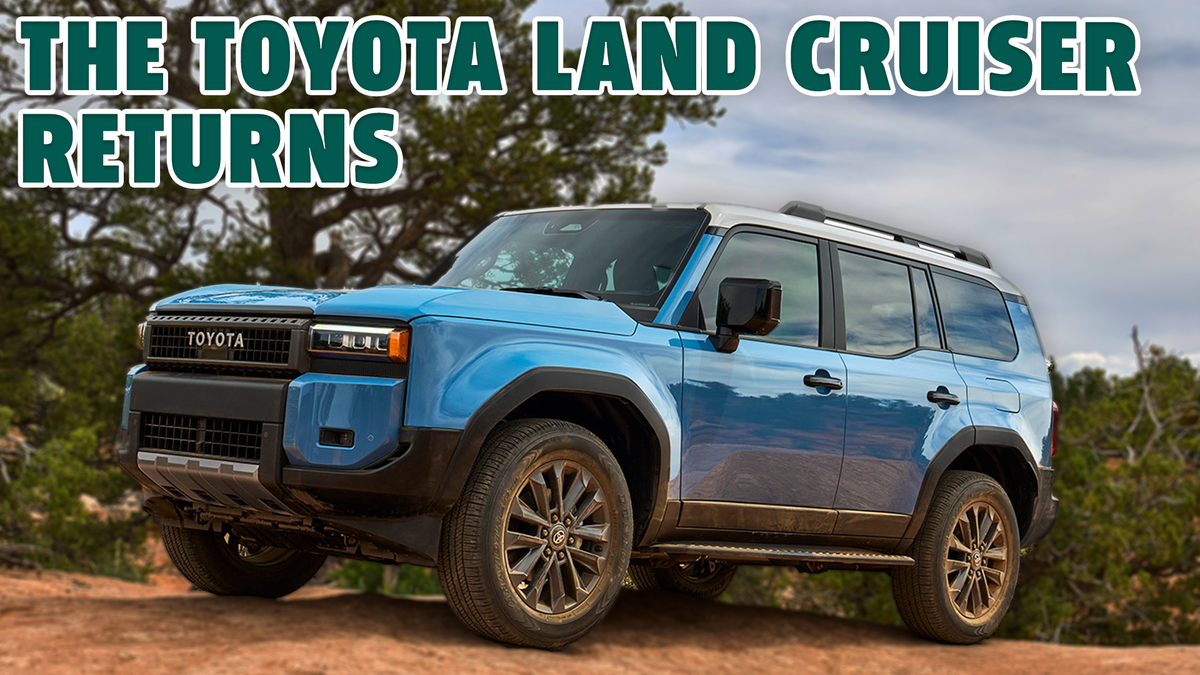
A Land Cruiser has a style vocabulary that’s hard to replace. It’s the kind of exterior language learned over years: strong proportions, practical surfaces, and a silhouette that doesn’t beg to be noticed. Yet the return invites a subtle recalibration. The vehicle appears more sculpted in the way it transitions from grille to fenders, like it’s been tuned for both wind and visibility.
Move around the body and you begin to notice the emphasis on function. Clearances look intentional. Overhangs and angles signal an understanding of how vehicles actually behave when the pavement ends. The impression is that the Land Cruiser is designed to remain calm when you’re not. It’s a capable machine that treats the world with seriousness, not bravado.
Interior Ambience: Commanding Comfort, Not Sofa Luxury
Step inside and the tone shifts from exterior toughness to interior assurance. The cabin isn’t trying to impersonate a minimalist lounge. It feels built for everyday use, for long drives, and for the quiet fatigue that comes from living on the road. That’s a rare skill: to be comfortable without becoming indulgent.
Seating positions are not merely ergonomic—they’re observational. The driver’s viewpoint encourages scanning, anticipation, and decision-making. Controls feel logically arranged, reducing friction between thought and action. Short journeys become easier, and long ones become less taxing.
There’s also an air of “ready-to-work” practicality. Storage compartments and surfaces don’t look like they’re there just to fill space. They appear to be designed for the reality of travel: water bottles, tools, chargers, maps, and the occasional surprise necessity.
Powertrain Character: Strength That Feels Measured
Power in a Land Cruiser is rarely about theatrical acceleration. It’s about tractability—how smoothly the vehicle can move from one kind of terrain to the next without drama. The returning US-spec Land Cruiser keeps that ethos, favoring steady delivery over frantic surges.
Think of it as a motor that prefers continuity. On the highway, it maintains composure as wind and grades attempt to rewrite your pace. Off-road, it behaves like a helper rather than a showman, allowing the driver to manage throttle with confidence. That’s where capability truly begins: not in peak numbers, but in predictable response.
Chassis and Suspension: A Philosophy of Stability
Underneath, the Land Cruiser is built around the idea that stability should be a default setting. The suspension works to preserve contact with the road surface, smoothing harsh impacts while protecting occupants from the worst of the jolts. Even when the route deteriorates, the ride tries to remain coherent.
This matters more than many realize. A vehicle that feels stable in motion reduces mental overhead. It lets you concentrate on navigation, terrain assessment, and the choreography of traction—not just on holding the vehicle together with your hands.
On-Road Dynamics: Confident Straight Lines, Controlled Motion
On pavement, the Land Cruiser is designed to deliver a kind of effortless authority. Steering feel communicates resistance clearly, without turning the drive into a wrestling match. Braking is consistent, and the vehicle’s mass feels purposeful rather than cumbersome.
It’s not the kind of SUV that begs for canyon-day theatrics. Instead, it’s the kind that makes the journey feel longer in the best way—like you have time, like distance is something you’re negotiating rather than escaping. The cabin remains composed, and wind noise stays within the range of tolerable monotony.
Off-Road Readiness: The Return of True Confidence
When the trail changes character, the Land Cruiser’s design philosophy becomes most visible. It’s built to handle uneven surfaces, unpredictable traction, and the sudden need for traction management. The vehicle’s approach is methodical: you don’t just escape the pavement—you translate it.
What stands out is how the systems seem to encourage a calm driving rhythm. Traction management supports progress without erasing the driver’s authority. Climbing and descending feel orchestrated, with predictable control that reduces the sensation of improvisation.
In short, the Land Cruiser’s return isn’t only about going places. It’s about going there without surrendering your composure.
Technology and Safety: The Quiet Net Beneath the Experience
Modern vehicles often add technology like garnish. The Land Cruiser treats it like infrastructure. Driver-assistance features—where equipped—aim to reduce workload on long journeys. They can help monitor surrounding traffic, support lane awareness, and smooth transitions during variable driving conditions.
Meanwhile, infotainment and connectivity options keep the cabin modern without pulling attention away from the road. Navigation support, audio comfort, and system responsiveness work together to make travel feel frictionless. The result is a vehicle that can remain adventurous while still functioning as a daily driver, a home base, and a mobile command post.
Fuel, Efficiency, and Real-World Expectations
A capable SUV rarely promises miracles in consumption, and the Land Cruiser avoids that trap. Instead, it encourages realistic expectation-setting. What it offers is value in the broader sense: reliability potential, durability-minded engineering, and the ability to travel with fewer anxieties about whether the next leg is feasible.
Over long distances, the Land Cruiser’s efficiency becomes less about maximizing every mile and more about maintaining steady progress. The vehicle feels like it’s designed for the kind of trip where refueling stops are moments of reset—not interruptions.
Ownership Outlook: Built for Longevity, Not Loneliness
Perhaps the most compelling aspect of a Land Cruiser return is the underlying confidence it suggests about long-term ownership. These vehicles carry reputations for endurance, and the latest US-spec approach feels aligned with that heritage. The materials, the mechanical sensibility, and the insistence on stability all point toward a machine meant to be kept.
There’s also a less tangible promise: the sense that the vehicle will remain relevant. Trends fade, but preparedness does not. A Land Cruiser feels like something you can hand down to your future self—the person who will need dependable space, honest capability, and a ride that stays faithful to its mission.
Why It Matters: A Shift in Perspective
The Land Cruiser’s return isn’t solely a product launch. It’s a reminder that the best travel often happens when the vehicle’s character reduces doubt. It’s an antidote to disposable thinking. The Land Cruiser asks you to consider a different definition of progress—one measured by continuity, restraint, and the quiet strength to handle uncertainty.
In a world that rewards quick novelty, this Land Cruiser returns with a patient kind of conviction. And once you notice that, it’s hard to unsee it.
Final Verdict: The Land Cruiser That Brings You Back to Basics
The Toyota Land Cruiser (Return) in US-spec form feels like a thoughtful re-entry into a category that deserves seriousness. It blends commanding comfort with expedition-ready confidence, delivering stability on road and courage off it. More importantly, it reshapes the way you think about capability—less as a flashy trait, more as a daily assurance.
If you’ve been waiting for a vehicle that doesn’t merely promise adventure but supports it with composure, the Land Cruiser’s return lands exactly where it should. It doesn’t ask you to want the horizon; it helps you reach it—while keeping the drive calm, capable, and undeniably assured.