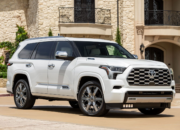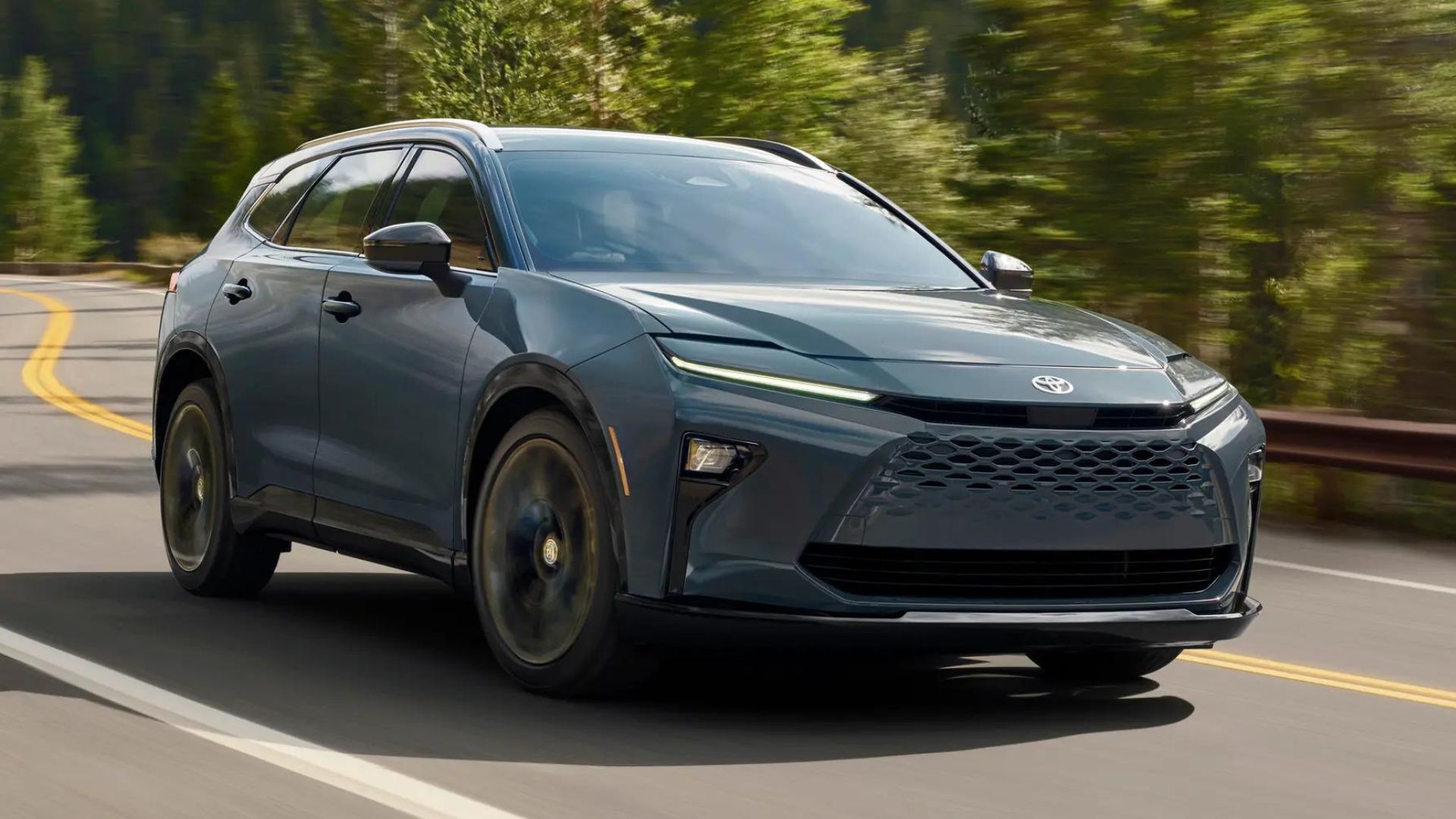
The Toyota Crown Wagon—once a symbol of Japanese automotive refinement—now lingers in the collective memory like a vintage postcard from a bygone era. But what if this storied wagon could make a triumphant return to American soil? The question isn’t just whimsical; it’s a tantalizing challenge that pits nostalgia against practicality, tradition against innovation. Could the Crown Wagon, with its blend of executive elegance and rugged versatility, carve out a niche in a market dominated by SUVs and crossovers? Let’s embark on a journey through time, design, and market dynamics to explore whether this Japanese icon has a future in the United States.
The Crown’s Legacy: A Wagon of Distinction
The Toyota Crown Wagon isn’t just a vehicle; it’s a rolling testament to Japan’s post-war automotive ambition. Debuting in the 1950s, the Crown line evolved from a humble sedan into a full-fledged wagon that catered to families, executives, and adventurers alike. Its boxy silhouette, reminiscent of mid-century American land yachts, concealed a surprisingly nimble chassis and Toyota’s signature reliability. The wagon variant, in particular, became a favorite among those who prized cargo space without sacrificing the Crown’s hallmark refinement.
Imagine cruising down a Pacific Coast Highway in a Crown Wagon, its woodgrain paneling gleaming under the California sun, the six-cylinder engine purring with the quiet confidence of a well-oiled machine. This wasn’t just transportation; it was a statement. A statement that said, “I value space, comfort, and durability—and I refuse to be boxed into the one-size-fits-all mentality of the SUV boom.” Yet, as the 1990s gave way to the SUV’s relentless ascent, the Crown Wagon faded into obscurity, a relic of a time when wagons ruled the roads.
Why Bring the Crown Wagon Back? The Case for a Transpacific Revival
The modern American market is a paradox: consumers crave spaciousness but are increasingly wedded to the commanding driving position and perceived safety of SUVs. Enter the Crown Wagon—a vehicle that offers the best of both worlds. Its elongated roofline and expansive cargo hold could appeal to families, road-trippers, and even small business owners who need to haul equipment without sacrificing ride comfort. Picture a CrossFit gym’s fleet of Crown Wagons, their rear hatches swallowing yoga mats and protein shakers with ease, or a retiree’s daily driver, its plush seats cradling passengers on cross-country odysseys.
But the Crown Wagon’s appeal isn’t just practical; it’s emotional. In an era where automotive design often feels homogenised, the Crown’s retro-futuristic aesthetic—think the 1995 model’s sharp creases and chrome accents—could stand out like a bespoke suit in a sea of fast-fashion hoodies. Toyota could market it as a “neo-retro” masterpiece, blending vintage charm with modern hybrid powertrains or even hydrogen fuel cell technology. The challenge? Convincing American buyers that a wagon can be both aspirational and utilitarian.
The Roadblocks: Why the Crown Wagon Might Struggle Stateside
Of course, nostalgia alone won’t sell cars. The Crown Wagon faces several formidable hurdles in the U.S. market. First, there’s the perception problem: wagons have been relegated to the “minivan” stigma, a category associated with practicality over passion. Toyota would need to rebrand the Crown Wagon as a premium, lifestyle-oriented vehicle—perhaps positioning it as a “grand tourer” for the discerning driver. Second, the logistics of importing and adapting the Crown for American tastes could be daunting. Would it need to meet stringent emissions standards? Could it compete on price with domestically produced crossovers?
Then there’s the elephant in the room: the Crown’s size. While the wagon’s dimensions might feel just right in Japan’s compact cities, American roads and parking spaces are designed for larger vehicles. A Crown Wagon could feel dwarfed in a Walmart parking lot or struggle to merge onto a highway packed with F-150s and Teslas. Toyota would need to engineer a version tailored to U.S. tastes—perhaps with a slightly longer wheelbase or adaptive suspension to handle the country’s varied terrain.
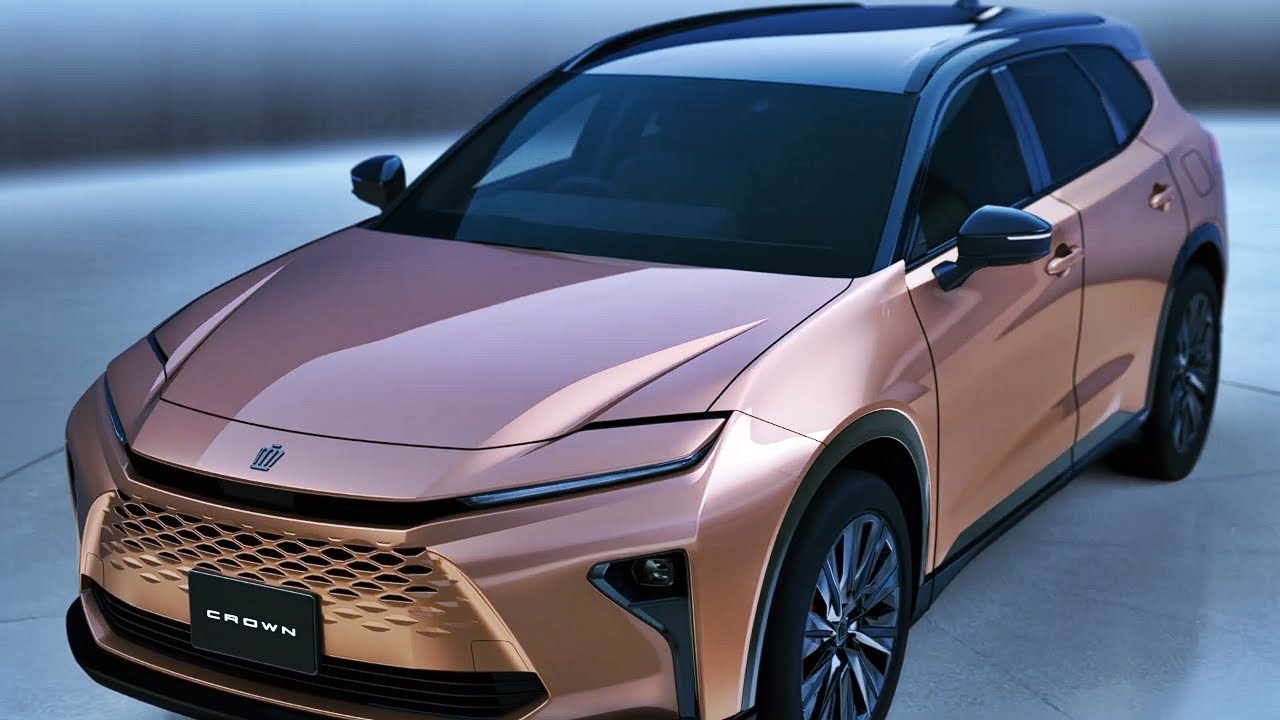
Design Evolution: Marrying Tradition with Modernity
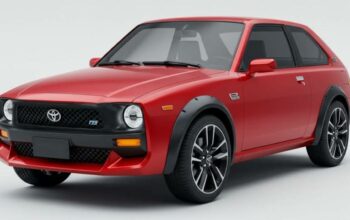
If Toyota were to revive the Crown Wagon for the U.S., the design would need to walk a tightrope between homage and innovation. The 1995 model’s angular lines and chrome detailing could serve as inspiration, but the modern iteration would require sleeker aerodynamics to meet today’s efficiency standards. Imagine a wagon with the grille of a modern Lexus, paired with the roofline of a classic Crown—subtle nods to the past, but with a contemporary twist. The interior could blend traditional woodgrain accents with digital interfaces, creating a space that feels both timeless and cutting-edge.
One potential game-changer? Hybrid powertrains. A Crown Wagon equipped with Toyota’s hybrid technology could offer the best of both worlds: the torque of a V6 engine for towing, paired with the fuel efficiency of an electric motor for city driving. And let’s not forget the possibility of all-wheel drive—a feature that could make the Crown Wagon a formidable contender in snowy climates or off-road adventures. The key would be ensuring that the hybrid system doesn’t compromise the wagon’s legendary reliability.
Target Audience: Who Would Buy a Crown Wagon in 2024?
The Crown Wagon’s ideal customer isn’t the suburban soccer mom or the urban hipster—it’s the enthusiast who values substance over trends. Think of the collector who restores vintage Crown Wagons, or the young professional who wants a daily driver that stands out from the SUV crowd. It could also appeal to niche markets: outdoor enthusiasts who need a rugged yet refined vehicle for camping trips, or small business owners who require a blend of cargo space and prestige.
Toyota could even explore limited-edition models, such as a Crown Wagon “Heritage Edition” with retro-inspired badging and period-correct interior materials. Alternatively, a high-performance variant—perhaps with a turbocharged engine and sport-tuned suspension—could attract driving enthusiasts who crave both practicality and performance. The message would be clear: this isn’t just a wagon; it’s a statement.
The Competition: Can the Crown Wagon Outmaneuver the SUV Onslaught?
In a market dominated by the Toyota Highlander, Subaru Outback, and Tesla Model Y, the Crown Wagon would need a compelling value proposition. The Highlander offers three rows of seating and a more commanding driving position, while the Outback combines wagon-like proportions with all-wheel-drive ruggedness. The Model Y, meanwhile, delivers futuristic tech and instant torque. So, how could the Crown Wagon compete?
The answer lies in differentiation. The Crown Wagon could position itself as the anti-SUV: a vehicle that prioritizes comfort, efficiency, and understated luxury over brute force and flashy styling. It could target buyers who are tired of the SUV arms race and yearn for something more refined. Toyota’s marketing could lean into the Crown’s heritage, framing it as a “grown-up’s wagon” for those who refuse to compromise on quality or character.
Conclusion: A Wagon Worth Reviving?
The Toyota Crown Wagon’s potential return to the U.S. market is more than just a nostalgic fantasy—it’s a bold challenge to the status quo. In a world where SUVs reign supreme, the Crown Wagon offers a refreshing alternative: a vehicle that values space, efficiency, and elegance without sacrificing capability. The road to revival won’t be easy, but the rewards could be substantial—a loyal customer base, a unique niche in the market, and a chance to redefine what a modern wagon can be.
So, could the Crown Wagon make a comeback in America? Absolutely. But it would require Toyota to do more than dust off an old blueprint—it would need to craft a vision that resonates with drivers who crave something different. The Crown Wagon isn’t just a vehicle; it’s an idea. And ideas, when executed with passion, have a way of defying expectations.