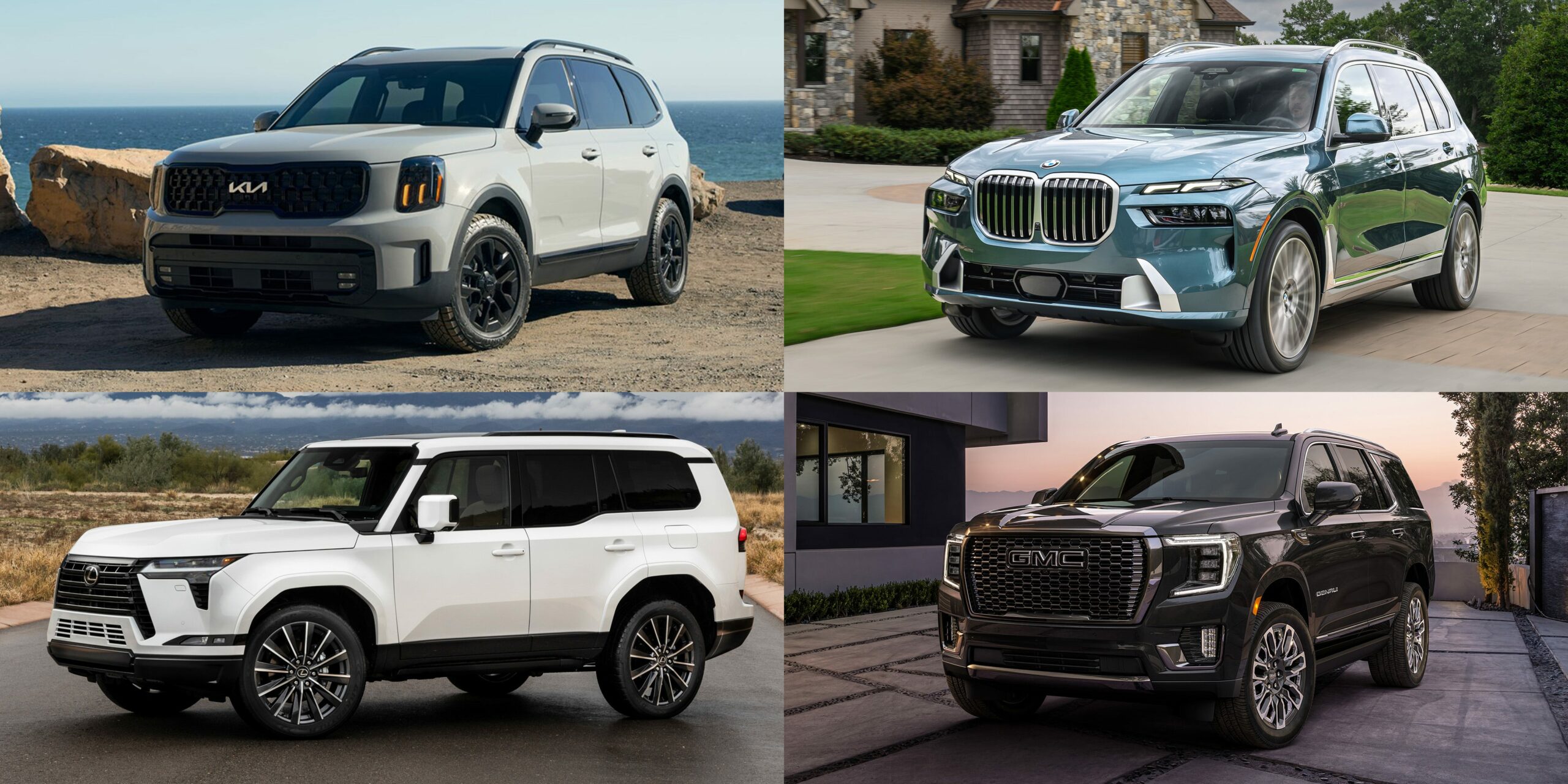
When families choose a three-row SUV, safety is rarely a checkbox—it’s the quiet architecture behind every commute, school run, and weekend getaway. In 2026, the landscape of large family haulers continues to evolve with sharper crash-compatibility engineering, more comprehensive driver-assistance suites, and better-rated structures designed to safeguard occupants in a variety of real-world scenarios. The Insurance Institute for Highway Safety (IIHS) has become a trusted beacon for readers who want evidence-based reassurance rather than marketing fog.
This guide narrows the spotlight to the Top 5 Safest 2026 Three-Row SUVs (IIHS), weaving together what you can expect in day-to-day life, what test-based performance tends to reveal, and how to interpret the alphabet soup of ratings. Along the way, you’ll find practical pointers—so the final decision feels less like a gamble and more like a well-lit driveway inspection.
How IIHS Safety Ratings Translate to Real Life
Before ranking any models, it helps to understand what IIHS is actually measuring. IIHS evaluates crashworthiness through a set of structured tests that look at both vehicle integrity and how well occupant compartments resist intrusion. Ratings also scrutinize injury risks such as head and neck trauma, restraint performance, and the behavior of key components during impact.
But safety is also more than a collision event. IIHS emphasizes measures like front crash prevention, which can reduce the frequency and severity of forward collisions. That matters because many “accidents” begin as near-misses—slippery conditions, distracted seconds, or sudden braking that arrives too late.
Think of IIHS scores as a composite portrait. One vehicle may excel in structural outcomes; another may look particularly strong in crash-avoidance technologies. The safest choices typically combine both, producing a more cohesive safety “stack.”
Criteria for “Safest” in a Three-Row Context
Three-row SUVs are complex environments. You have more seats, more occupant interactions, and more opportunities for compromised visibility or uneven weight distribution. Therefore, the safest 2026 models are often those with strong performance across front, side, and rear-impact categories, along with consistent occupant protection across seating positions.
Equally important is how safety systems behave under stress. In a real scenario, a driver rarely has time to interpret dashboards, and sensors can be confounded by fog, glare, or roadside clutter. Vehicles that earn high IIHS marks generally show well-calibrated sensors and robust integration of active safety features.
Finally, consider practical safety: LATCH anchors, seatbelts that fit various body types, child-seat compatibility, and the ease of accessing third-row belts. A model can “rate high” and still frustrate real household usage. The best picks minimize friction.
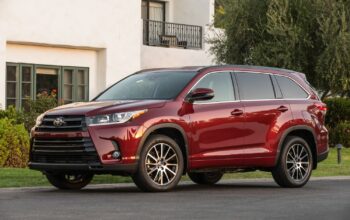
1) 2026 Toyota Highlander (Three-Row Safety Standout)
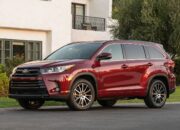
The 2026 Toyota Highlander occupies a familiar place in family conversations: dependable, widely available, and engineered with a conservative confidence. In the safety conversation, it tends to be praised for how thoroughly its restraint systems and structural design work together to protect occupants during collisions.
For many readers, the appeal is not just crash performance; it’s the way a vehicle feels composed at speed and predictable during braking. That predictable behavior supports driver confidence, which is often the difference between an avoided incident and a late reaction.
In a three-row layout, visibility and seat access matter. The Highlander’s third row is designed for practical use rather than decorative seating. Combined with intuitive belt geometry, it becomes easier to buckle passengers securely—an underrated form of safety.
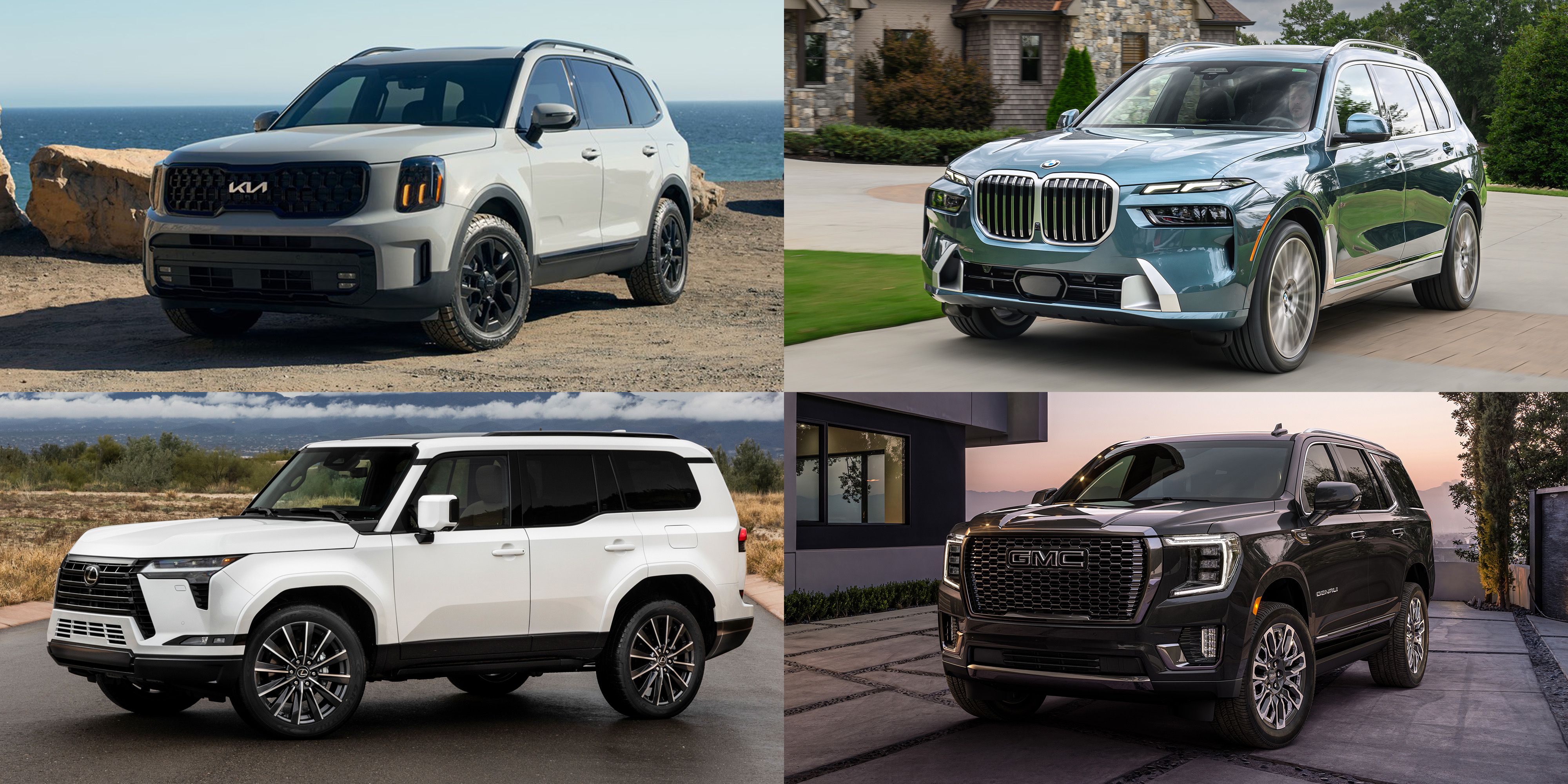
2) 2026 Honda Pilot (Balanced Protection and Crash-Prevention Tech)
The 2026 Honda Pilot often earns attention for its ability to blend strong structural design with an increasingly capable safety suite. When IIHS emphasizes crashworthiness, it’s usually the quiet aspects—how the vehicle distributes forces, how airbags manage trajectory, and how the cabin resists deformation—that separate good from exceptional.
The Pilot’s safety narrative also tends to include forward-focused prevention features. Collision-avoidance technology can help when attention drifts, when traffic compresses unexpectedly, or when a pedestrian or vehicle appears with little warning. Even when drivers remain fully engaged, such systems can add a valuable buffer against the unpredictable.
On the practical side, the Pilot’s cabin layout supports daily realism: straightforward switchgear, easy-to-use child-seat anchors, and third-row ergonomics that reduce the “second thought” factor at pickup time.
3) 2026 Kia Telluride (Strong IIHS Performance with Family-Friendly Design)
For families seeking an inviting interior without compromising on protective engineering, the 2026 Kia Telluride is a frequent contender. Safety in a three-row SUV often hinges on how well front and rear structures communicate during impacts—how beams, pillars, and reinforcement points cooperate to keep the occupant area stable.
Where the Telluride usually shines is in its overall cohesion: it’s not merely a car that passes tests, but one that feels deliberately configured to support safer everyday behavior. The driver-assistance suite (as evaluated by IIHS categories) plays a meaningful role in reducing forward collision risk and mitigating common urban hazards.
The third row matters most when schedules get tight. The Telluride’s approach tends to prioritize usability—access, belt reach, and comfortable seating for longer trips. These are “quiet safety” elements because secure buckling and comfortable positioning improve compliance and reduce the temptation to rush.
4) 2026 Subaru Ascent (Confidence in Adverse Conditions)
The Subaru Ascent brings an outdoorsy credibility to the safety conversation. While IIHS ratings focus on measurable outcomes, safety in the broader sense includes how a vehicle behaves in less-than-ideal environments. Roads get slick. Weather arrives without negotiation. Visibility can degrade quickly.
Subaru’s safety identity often aligns with the idea of controlled stability—features that help keep the vehicle on a sensible trajectory when grip is inconsistent. That’s especially relevant for three-row families who may travel with luggage, groceries, and shifting passenger weights.
During crashes, occupant protection must remain consistent across seating positions, including the third row. The Ascent’s cabin design generally aims for secure restraint geometry and a sturdy passenger compartment, helping passengers remain protected even when the event dynamics are complicated.
For readers planning road trips, Ascent’s character is reassuring: it supports a calm, methodical driving experience—an emotional layer of safety that pairs well with test-based evidence.
5) 2026 Kia EV9 (Electrified Safety and IIHS-Aware Design)
The 2026 Kia EV9 steps into the three-row spotlight as an electrified alternative for families who want efficiency without sacrificing protective rigor. Electric vehicles introduce new engineering considerations—battery packaging, weight distribution, and structural reinforcement around high-voltage components. The important question is whether the cabin and crash structures still behave predictably under IIHS testing.
In the best-rated EVs, safety isn’t treated as an afterthought. It’s baked into the design logic: crumple zones, occupant compartment integrity, and restraint systems are tuned so that the presence of batteries does not undermine traditional collision outcomes. When IIHS ratings align positively, it signals that the vehicle’s architecture supports robust occupant protection.
The EV9’s family-focused experience also includes advanced driver-assistance capabilities that can support hazard management in stop-and-go traffic and during everyday commuting. Short, frequent trips become less stressful when systems help monitor the roadway continuously—even if a driver is already vigilant.
Beyond crash testing, consider charging safety planning, too. While it’s not an IIHS category, a safer home routine matters: secure charging locations, clear cable management, and awareness of charging hardware. Families that plan well reduce the likelihood of avoidable mishaps.
What to Look For When Comparing These Five Models
Even among top-rated vehicles, readers should compare beyond the headline rating. Look for:
1) Consistency across seating rows: A strong overall score should be supported by meaningful protection for front and rear occupants.
2) Forward collision prevention capability: IIHS values systems that can prevent or mitigate impacts before they become full-speed events.
3) Child-seat usability: LATCH anchors, seatbelt behavior, and third-row practicality can change how safe the vehicle feels during real life.
4) Driver-assistance transparency: Systems that are well-calibrated and predictable are easier to trust, which improves decision-making.
5) Ease of access and visibility: Seat access affects buckling speed and correctness; visibility affects early hazard detection.
Short sentences can be powerful here: trust is built by repetition. If a vehicle is reliable in the moments that matter, the numbers feel more meaningful.
How to Choose the Safest Fit for Your Family
The “safest” SUV is the one your household can use correctly every day. A model that’s rated highly but is awkward to buckle third-row seats may create safety tradeoffs through rushed behavior. Conversely, a vehicle with a slightly narrower comfort envelope can still be a top safety choice if restraint access and child-seat integration are excellent.
Start with your routine. Commute length. Weather exposure. Parking style. How often the third row is actually used. Then cross-check those habits against how each SUV’s interior supports secure seating.
If possible, test-buckle a child seat. Try every belt position. Sit in the third row yourself. Bring a backpack and imagine where it goes. Safety is physical, not theoretical.
Final Thoughts: A Safer 2026 Three-Row Journey
Choosing from the top 5 safest 2026 three-row SUVs (IIHS) is ultimately a decision about peace of mind. These vehicles represent a convergence of structural protection and collision-avoidance intelligence—two pillars that matter when the unexpected arrives.
As you compare them, remember that the goal is not simply to own a highly rated SUV. The goal is to create a vehicle environment where protection systems are effective, occupants are secure, and everyday usage doesn’t sabotage best intentions.
Drive carefully. Buckle correctly. And let the reassurance of strong IIHS-backed safety design turn every journey—ordinary or extraordinary—into something calmer, steadier, and unmistakably safer.