What if your next weekend escape didn’t come with a clandestine checklist of “hope it holds together”? Picture the trail as a living ribbon—mud slicks like spilled ink, rocks that look harmless until they aren’t, and rutted roads that demand patience. Now, here’s the playful question: can an off-road SUV be both rugged and reliably boring in the best way? Reliability is the unglamorous hero. It’s the reason you roll forward with confidence when everyone else is negotiating for a tow strap. But there’s a potential challenge lurking at the edges: 2026 off-road SUVs aren’t all built to survive the same kind of punishment. Some are superb at sandy romps, others at rock-crawling theatrics, and many are “capable” only in commercials. So this guide focuses on the top reliable off-road SUVs for 2026—vehicles that aim to stay dependable while still delivering the thrill of going where the pavement ends.
Before the countdown begins, keep one thought in mind. Reliability isn’t only about the engine. It’s also about cooling systems, drivetrain behavior, corrosion resistance, and the quiet competence of electronics that manage traction, locking differentials, and driver-assistance systems. Off-road work is a long-form test. It reveals flaws that highway driving can hide.
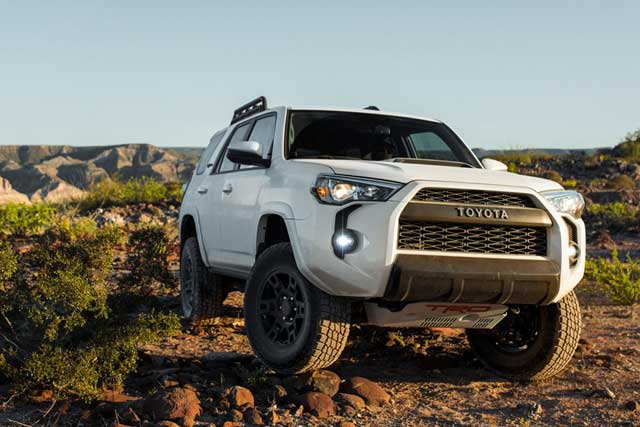
1) Toyota 4Runner TRD Off-Road (2026): The Steady Trail Companion
The 4Runner has a reputation that travels faster than radio range. In 2026, the TRD Off-Road trim remains a compelling choice for drivers who want ruggedness without the drama. Its strength lies in an old-school approach that feels mechanically frank. You get a chassis designed to take abuse, an off-road stance that looks ready even when it’s parked, and drivetrain components known for longevity.
Think about reliability like a good campfire: it doesn’t need constant tinkering to keep burning. The 4Runner’s ecosystem—engine and transmission calibration, cooling strategy, and underbody protection—tends to behave with reassuring regularity. Off-road, that matters. Heat-soak after repeated climbs, vibration from rough sections, and repeated wheel articulation can turn small weaknesses into major headaches.
Why it’s a reliability standout: durable platform engineering, proven trail readiness, and a design philosophy that favors mechanical robustness over fragile novelty.
2) Toyota Tacoma TRD Pro (2026): Not an SUV, But a Reliability Benchmark
Because reliability worshippers sometimes need to be honest with themselves, it’s worth acknowledging the elephant in the parking lot: the Tacoma. While it’s a truck rather than an SUV, its 2026 off-road credentials are so dependably engineered that it functions like a benchmark. If your definition of “off-road SUV” is really “the same spirit, more ground presence,” the Tacoma is a meaningful alternative.
Why bring it up in an SUV list? Because the logic is similar: strong drivetrain fundamentals, durable suspension behavior, and an ability to keep going when roads become character-building. Trucks endure off-road work in a way that mirrors what many families expect from SUVs—daily utility layered with weekend freedom.
Potential challenge (and how to solve it): carrying passengers and gear can be less seamless than with a typical SUV cabin. The workaround is planning—use the bed creatively and choose family-friendly setups like quality tonneau covers and organized storage.
In short: if reliability is the primary goal and you don’t mind a different silhouette, the Tacoma TRD Pro offers a pragmatic, long-term off-road mindset.
3) Jeep Wrangler (2026): The Reliable Adventurer With a Twist
Wrangler ownership has always carried a sense of folklore. But in 2026, the question becomes less about whether it can tackle rough terrain and more about whether it can do so with dependable consistency. The Wrangler’s durability is often tied to its simple mechanical architecture and the culture of repairability around it. When a vehicle is supported by a huge service ecosystem, reliability becomes less stressful—even when you’re miles away from civilization.
Off-road, the Wrangler’s strengths tend to show up in articulation and traction control behavior. It’s the kind of SUV that invites experimentation: axle-first obstacles, shallow water crossings, and tight trail geometry. Yet the real reliability win is less glamorous: components that tolerate vibration, heat, and frequent use without constant worry.
Playful question: Are you the type who enjoys tinkering, or the type who prefers everything just works?
If you’re in the “just works” camp, stick to well-supported trim choices and keep up with maintenance schedules. Reliability is a collaboration between machine and driver.
4) Ford Bronco (2026): Capability That Aims to Behave
The Bronco has always promised adventure, but 2026 aims to add something rarer: calm confidence during repeated off-road sessions. Reliability in modern vehicles isn’t only about mechanical endurance; it also includes electronic stability—systems that manage torque distribution, traction modes, and durability of sensors exposed to dust and moisture.
The Bronco’s off-road reputation is built on a suspension and drivetrain setup designed for uneven terrain. When you’re frequently bouncing over washboard roads, the vehicle’s ability to maintain alignment and keep driveline wear in check becomes critical. A well-sorted suspension doesn’t just improve comfort—it reduces harsh stress on mounts and joints.
Potential challenge: electronic complexity can be a double-edged sword if components aren’t protected from harsh conditions.
The remedy is straightforward: consider underbody protection, keep sensors clean, and pay attention to battery health—off-road use can strain electrical systems in subtle ways.
5) Nissan X-Trail / Pathfinder (2026 Off-Road Variants): Practical Power for Long Hauls
Some reliability stories don’t arrive wearing a crown. They arrive carrying a checklist, a steady warranty mindset, and an expectation of long-term ownership. Depending on market availability and trim configurations, Nissan’s 2026 off-road-capable models—especially those with traction-focused features and rugged duty cycles—can fit drivers who want dependable exploration more than extreme rock-crawling theater.
Reliability here is about the balance: drivetrain consistency, corrosion resistance diligence, and a cabin designed for endurance. When the trail turns into an extended highway detour, you want a vehicle that doesn’t punish you with fatigue. Smoothness at speed and predictable behavior during temperature swings are reliability traits too.
Why it belongs in the top five: it targets the “go farther, worry less” crowd—drivers who measure success by how many trips end with the SUV still ready for the next one.
What Actually Makes an SUV “Reliable” Off-Road?
Reliability is more than brand mythology. Here are the factors that decide whether your 2026 off-road SUV stays dependable after the novelty fades:
Cooling and heat management: Climbing repeatedly heats everything. A robust cooling setup helps prevent performance degradation and long-term wear.
Drivetrain integrity under load: Torque delivery, shifting logic, and differential behavior matter. Consistent driveline operation reduces mechanical stress.
Corrosion resistance: Salt, mud, and grit are relentless. Protective coatings and good underbody sealing extend life.
Suspension and mount durability: Off-road vibration breaks weak components. Strong bushings and durable joints are quiet champions.
Electrical competence: Traction sensors, cameras, and infotainment modules must survive dust and moisture. Reliability includes sensors that keep communicating correctly.
Want to turn this into a challenge you can actually measure? Before the next trip, check tire condition, brake health, fluid levels, and ensure your maintenance schedule is not merely “on paper.” Then drive with intention: smooth throttle inputs reduce shock loads and preserve driveline components.
How to Choose Your 2026 Reliable Off-Road SUV
Choosing isn’t just comparing specs. It’s matching the vehicle to your terrain and your lifestyle. If you mostly tackle gravel, look for predictable traction and stable suspension tuning. If you chase rocks and steep grades, prioritize robust underbody protection and strong low-speed control behavior. If you frequently transport family and gear, reliability also means comfortable packaging—space, storage, and easy cabin access.
Finally, decide what “reliability” means to you: fewer visits to the service bay, consistent off-road performance, or long-term ownership confidence. The best SUV is the one that aligns with your definition of peace of mind.
Final Thoughts: Pick the SUV That Doesn’t Steal Your Joy
So, which 2026 off-road SUVs earn the title of reliable without sacrificing the fun? The answer is a blend of engineering steadiness, drivetrain confidence, and real-world durability under messy conditions. The Toyota 4Runner TRD Off-Road stands out as a dependable trail stalwart. The Wrangler brings rugged simplicity and a massive support ecosystem. The Bronco combines capability with an increasingly disciplined approach to behavior and electronics. And Nissan’s off-road-oriented options offer a practical, long-haul mindset.
Now for one last playful nudge: when the next muddy trail appears on the horizon, will your SUV feel like a trusted co-pilot—or a risky bet? Choose the one that feels boring in the best way. Then let the adventure do the rest.