The electric vehicle revolution isn’t just about reducing tailpipe emissions—it’s a financial reckoning for drivers who’ve long accepted the hidden costs of gasoline cars. For decades, the true price of ownership was buried beneath oil changes, transmission fluid top-ups, and the inevitable depreciation of internal combustion engines. But today, the arithmetic is shifting. A Tesla Model 3 and a Toyota Camry, two stalwarts of their respective domains, now face off in a battle not of horsepower or prestige, but of long-term economics. Over five years, the numbers don’t just tell a story—they rewrite one. And it begins with a question most drivers have never paused to ask: What does it really cost to own a car?
The Upfront Gambit: Sticker Shock vs. Silent Discounts
At the dealership, the Tesla Model 3’s premium sticker price looms large—often $10,000 to $15,000 more than a comparably equipped Camry. This isn’t mere markup; it’s the cost of innovation, of a battery pack that doubles as a structural backbone, of software that updates like a smartphone. Yet this initial outlay is a mirage. The Camry’s lower purchase price is a siren song, luring buyers into a cycle of recurring expenses that compound silently over time. Tax credits, state incentives, and manufacturer rebates can shave $7,500 off the Model 3’s cost, effectively slicing the premium in half before the first charge is ever plugged in. Meanwhile, the Camry’s depreciation curve is steep—new cars lose 20% of their value in the first year alone, a financial hemorrhage that the Tesla sidesteps with its cult-like resale demand. The upfront disparity, then, is less a barrier than a red herring, a distraction from the long game.

Energy Expenditure: The Kilowatt vs. the Gallon
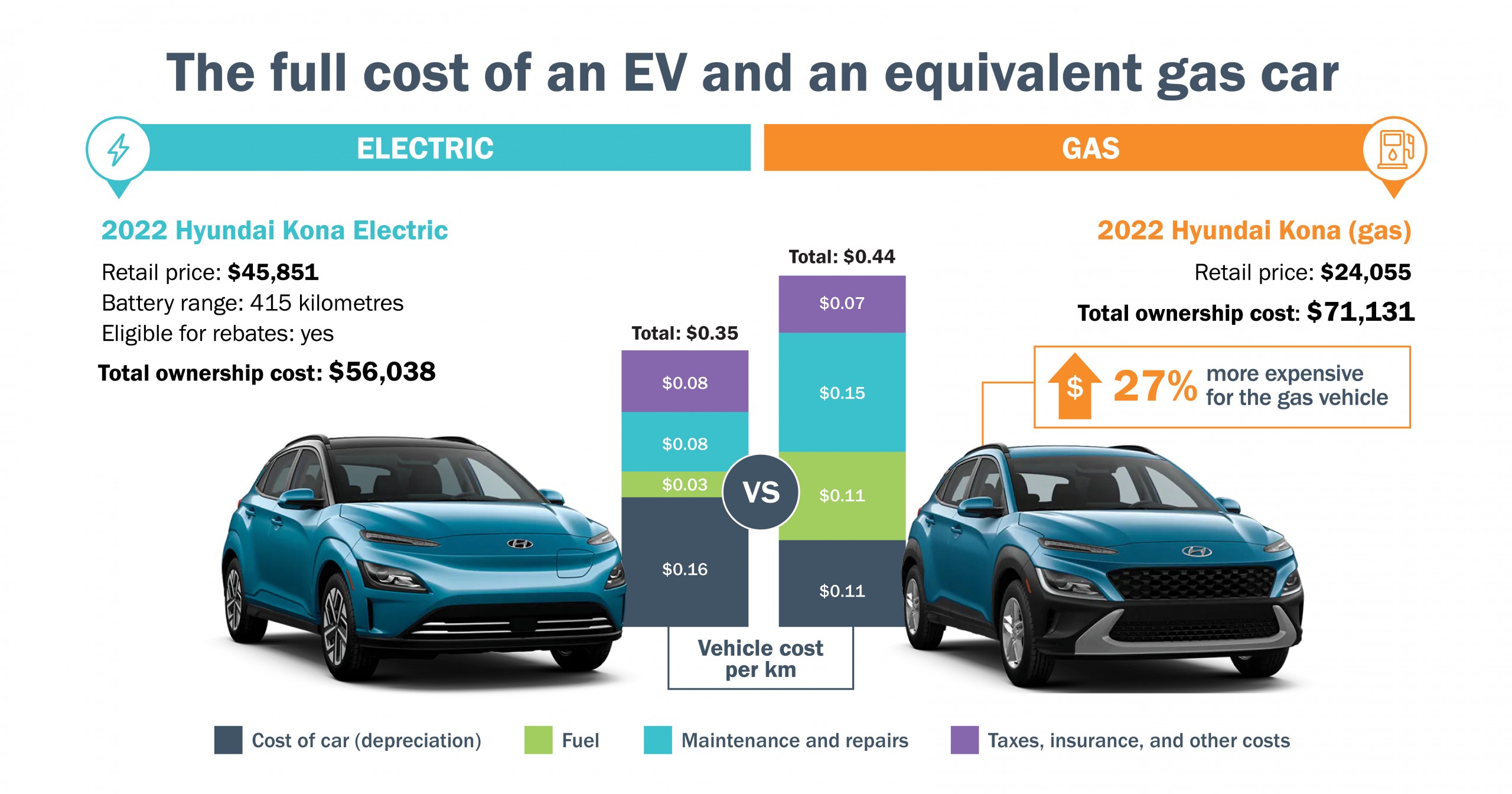
Fuel costs are the silent titans of car ownership, and here, the Tesla’s advantage is not just numerical—it’s existential. A gallon of gasoline is a volatile commodity, its price dictated by geopolitical tremors and refining margins, while electricity is a steady, predictable current. Over five years, a Camry owner might spend $8,000 to $10,000 on fuel, assuming 15,000 miles annually and an average gas price of $3.50 per gallon. The Model 3? A mere $3,000 to $4,000, even at a residential electricity rate of $0.15 per kWh. But the real magic lies in the disparity of efficiency. The Camry’s 32 MPG combined rating is respectable, yet it pales beside the Model 3’s equivalent of 132 MPGe—a figure that renders the internal combustion engine a relic of inefficiency. Charging at home further amplifies savings; public DC fast-charging, while pricier, still undercuts gasoline by a factor of three. The Tesla doesn’t just sip energy—it devours it, leaving the Camry choking on fumes and receipts.
Maintenance: The Tyranny of Moving Parts
Internal combustion engines are marvels of engineering, but they are also machines of exquisite fragility. A Camry’s maintenance schedule is a litany of rituals: oil changes every 5,000 miles, transmission fluid flushes, spark plug replacements, timing belt overhauls. Over five years, these services can cost $2,500 to $3,500, not including the occasional $1,200 brake job or $800 suspension repair. The Tesla, by contrast, is a study in minimalism. With no oil to change, no spark plugs to foul, and regenerative braking that spares the brake pads, the Model 3’s maintenance costs plummet to $500 to $1,000 over the same period. Tires and wiper blades are the primary culprits, and even those are optional upgrades in the early years. The Camry’s complexity is its Achilles’ heel; the Tesla’s simplicity is its superpower. In an era where time is currency, the Model 3 doesn’t just save money—it saves hours, anxiety, and the dreaded trip to the mechanic.
Depreciation: The Phantom Menace of Resale Value
Few expenses are as insidious as depreciation, the slow bleed of a car’s value as it ages. The Camry, a paragon of reliability, still loses 50% of its worth in five years—a $15,000 hit on a $30,000 purchase. The Model 3, meanwhile, defies the odds. Tesla’s brand loyalty and battery longevity mean its resale value hovers around 60% after five years, a figure that shrinks the Camry’s depreciation penalty by nearly $5,000. This isn’t just about recouping costs; it’s about financial flexibility. A Tesla owner can trade in their vehicle with equity intact, while a Camry owner often rolls negative equity into their next loan. The used car market is a graveyard of depreciated assets, but the Tesla’s desirability turns it into a treasure trove. Depreciation isn’t just a cost—it’s a gamble, and the Camry is the riskier bet.
Insurance and Financing: The Hidden Levers of Cost
Insurance premiums for a Tesla Model 3 are typically 20% to 30% higher than for a Camry, a reflection of repair costs and the vehicle’s tech-laden complexity. Yet this disparity narrows over time, especially as Tesla’s over-the-air updates reduce the need for dealership visits. Financing, too, plays a role. A Camry’s loan might carry a 4% interest rate, while a Model 3’s could hit 6%—but the Tesla’s lower operating costs often offset the difference within the first two years. Some buyers opt for leasing, where the Model 3’s residual value becomes a selling point, locking in savings without the long-term commitment. The financial ecosystem surrounding EVs is evolving, and while the upfront numbers may seem daunting, the long-term calculus favors the Tesla when all variables are accounted for.
The Intangibles: Beyond the Spreadsheet
Numbers tell one story, but experience tells another. The Tesla Model 3 offers something the Camry never will: the thrill of instant torque, the quiet hum of an electric motor, the satisfaction of charging at home while the Camry owner queues at the pump. There’s the environmental dividend—zero tailpipe emissions, a smaller carbon footprint over the vehicle’s lifecycle. There’s the social cachet of driving a car that’s as much a statement as a machine. And then there’s the peace of mind, the knowledge that you’re insulated from the volatility of oil markets and the whims of OPEC. The Camry is a workhorse; the Model 3 is a disruptor. One fulfills a need; the other redefines it.
The five-year cost of ownership isn’t just a ledger—it’s a manifesto. It challenges the notion that cars must be expensive to run, that efficiency is a compromise, that the future is a distant abstraction. The Tesla Model 3 and Toyota Camry are more than vehicles; they are proxies for two competing visions of mobility. One clings to the past, its costs buried in plain sight. The other embraces the future, its savings as tangible as the electrons powering its wheels. The choice isn’t just about dollars and cents. It’s about what kind of driver you want to be: a prisoner of tradition, or an architect of change. The numbers have spoken. The question is whether you’re ready to listen.