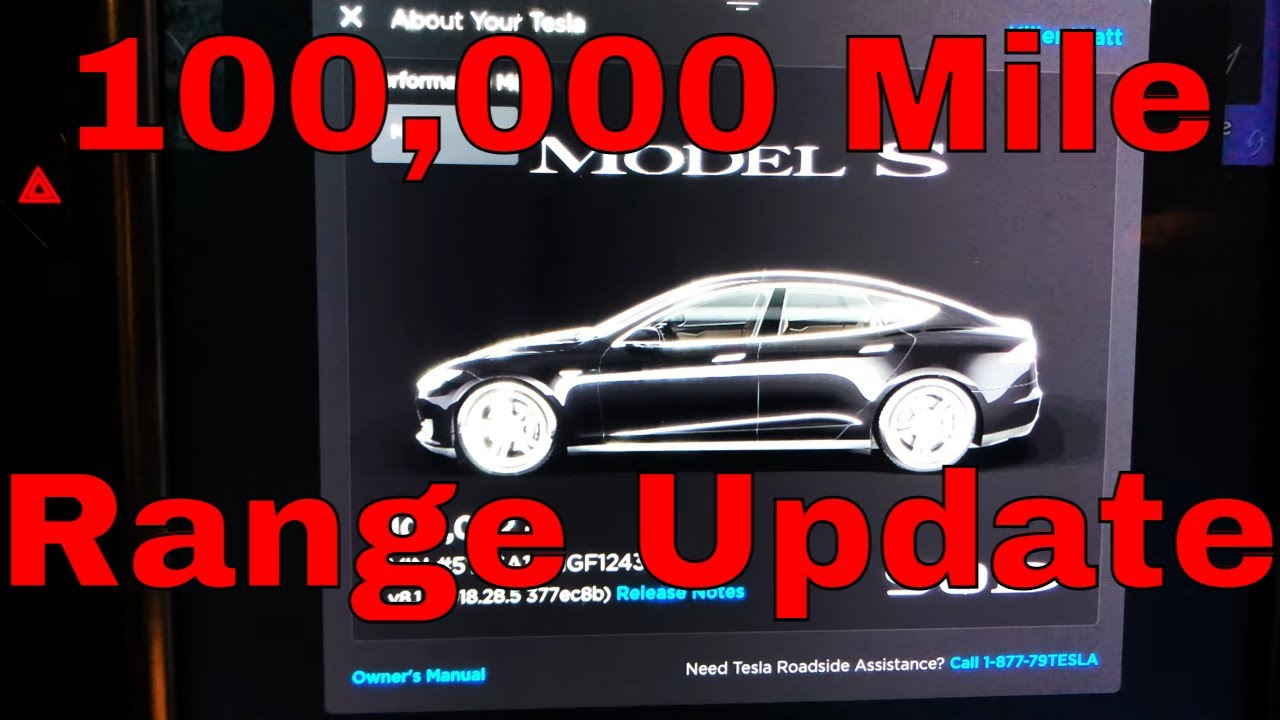
The Tesla Model S has long been the benchmark for electric vehicle excellence, blending cutting-edge technology with a driving experience that feels almost futuristic. But beyond its headline-grabbing acceleration and sleek design, what happens when the odometer ticks past the 100,000-mile mark? For many drivers, this milestone represents a critical juncture—one where the true mettle of an EV is tested. Does the Model S maintain its poise under sustained use, or do the stresses of high-mileage ownership reveal hidden vulnerabilities? This long-term reliability report dives deep into the realities of owning a Tesla Model S with six figures on the clock, examining everything from battery degradation to software resilience, and offering insights for prospective buyers and current owners alike.
For those considering a high-mileage Tesla Model S, understanding the nuances of its long-term performance is essential. This report explores the key areas where the Model S excels—and where it may fall short—after 100,000 miles of real-world use. From the robustness of its electric powertrain to the quirks of its over-the-air updates, we dissect the factors that define the ownership experience over time. Whether you’re a skeptic questioning the viability of high-mileage EVs or an enthusiast eager to push your Model S to its limits, this analysis provides the clarity needed to make informed decisions.
The Electric Heart: Battery Degradation and Range Retention
At the core of any electric vehicle’s longevity lies its battery pack, and the Tesla Model S is no exception. Unlike internal combustion engines, which degrade gradually through mechanical wear, EV batteries face a more insidious form of attrition: chemical degradation. Over time, lithium-ion cells lose their ability to hold a charge, a phenomenon influenced by factors such as charging habits, temperature extremes, and the frequency of deep discharges. For Model S owners, the critical question is whether the battery’s degradation curve remains gentle enough to preserve usable range after 100,000 miles.
Tesla’s battery management system (BMS) is engineered to mitigate degradation through sophisticated thermal management and charging algorithms. The Model S’s liquid-cooled battery pack helps maintain optimal temperatures, reducing stress on the cells during both fast charging and high-speed driving. Real-world data suggests that, under typical usage patterns, a Model S can retain around 90% of its original range after 100,000 miles. This figure is particularly impressive when compared to early-generation EVs, where battery degradation was a more pronounced concern.
However, range retention isn’t uniform across all driving conditions. Owners who frequently subject their Model S to DC fast charging—especially at high power levels—may observe slightly accelerated degradation. Similarly, extreme cold climates can temporarily sap range, though Tesla’s pre-conditioning features help mitigate this effect. For those planning to keep their Model S beyond the 100,000-mile threshold, proactive measures such as avoiding frequent 100% charges and utilizing Tesla’s scheduled departure feature can further prolong battery health.

Powertrain Resilience: Motors, Drivetrain, and Mechanical Longevity
The Tesla Model S’s dual-motor all-wheel-drive system is a marvel of electric propulsion, delivering instantaneous torque and a driving experience that feels impervious to time. Unlike traditional vehicles, which rely on complex transmissions and exhaust systems, the Model S’s powertrain is refreshingly simple—comprising two electric motors, a single-speed gearbox, and minimal moving parts. This simplicity is a key advantage in terms of longevity, as there are fewer components susceptible to wear and tear.
Over 100,000 miles, the most common powertrain-related issues reported by owners are minor and often tied to software or firmware rather than mechanical failure. For instance, some drivers have noted occasional instances of regenerative braking inconsistency, where the system momentarily disengages during spirited driving. Tesla’s over-the-air updates frequently address such quirks, demonstrating the brand’s commitment to refining the driving experience through continuous improvement. Mechanical failures, such as motor or inverter issues, are exceedingly rare and typically covered under warranty if they occur within the vehicle’s lifespan.
The Model S’s drivetrain also benefits from the absence of a traditional transmission, eliminating the need for fluid changes or clutch replacements. The single-speed gearbox operates with remarkable reliability, though some owners have reported slight whirring noises at high speeds, a phenomenon often attributed to the gear reduction unit. While these sounds are generally innocuous, they underscore the importance of regular software updates, which can fine-tune the drivetrain’s behavior to minimize such occurrences.
Software and Connectivity: The Invisible Backbone of Longevity
In the world of EVs, software is as critical as hardware, and Tesla’s approach to continuous over-the-air (OTA) updates has redefined the concept of vehicle longevity. Unlike traditional automakers, which release updates sporadically via dealership visits, Tesla pushes improvements directly to its fleet, addressing everything from battery management to autopilot performance. For a Model S with 100,000 miles on the clock, this means the car can evolve alongside advancements in technology, effectively staying relevant long after its initial purchase.
One of the most significant advantages of Tesla’s software ecosystem is its ability to optimize energy consumption and charging efficiency. Features like preconditioning, which prepares the battery for fast charging by warming it to an optimal temperature, can significantly reduce charging times and mitigate degradation. Additionally, Tesla’s fleet-wide data collection allows the company to identify and rectify issues before they become widespread problems, a level of responsiveness that traditional automakers struggle to match.
However, the reliance on software also introduces potential vulnerabilities. Some owners have reported instances where OTA updates introduced new bugs or temporarily disrupted features like sentry mode or autopilot. While these issues are usually resolved in subsequent updates, they highlight the trade-offs of a purely digital ownership experience. For those who prioritize stability over cutting-edge features, it may be prudent to delay installing updates until they’ve been vetted by the broader Tesla community.
Interior and Exterior Durability: Materials That Withstand the Test of Time
The Tesla Model S’s cabin is a study in minimalist elegance, with materials that prioritize aesthetics and functionality over opulence. After 100,000 miles, the most common wear-and-tear issues reported by owners are concentrated in high-contact areas, such as the steering wheel, seat bolsters, and touchscreen. The steering wheel, particularly in earlier Model S variants, tends to develop a polished sheen from repeated use, while the Alcantara or synthetic leather upholstery may show signs of fraying or discoloration.
Exterior durability is another area where the Model S excels. The car’s paint finish, when properly maintained, resists chipping and fading remarkably well, though owners in regions with harsh winters may need to contend with road salt damage. The panoramic glass roof, a hallmark of the Model S, remains impressively scratch-resistant, though bird droppings and tree sap can etch the surface if not promptly cleaned. Tesla’s use of ultra-high-strength steel in the body structure also ensures that the vehicle remains structurally sound, even after years of use.
One area that may require attention is the falcon-wing doors, which, while iconic, are more complex than conventional hinges. Owners have reported occasional issues with door alignment or motor wear, though these problems are typically resolved through Tesla service centers. Regular lubrication of the door mechanisms can help prevent premature wear, ensuring that the doors continue to operate smoothly for years to come.

Cost of Ownership: Maintenance, Repairs, and Depreciation
Owning a Tesla Model S beyond 100,000 miles is not just a testament to its reliability but also a reflection of its cost-effectiveness compared to internal combustion engine vehicles. The absence of traditional maintenance items—such as oil changes, spark plugs, or timing belts—translates to significant long-term savings. Tesla’s recommended service intervals are minimal, with most owners only needing to rotate tires and replace cabin air filters at regular intervals.
However, the cost of ownership isn’t solely determined by maintenance. Tesla’s parts and labor rates, while competitive for an EV, can still be higher than those of mass-market brands. Battery replacements, though rare at the 100,000-mile mark, remain one of the most expensive potential expenses, with costs ranging from $12,000 to $20,000 depending on the battery size and labor rates. Fortunately, Tesla’s battery warranty—covering 70% capacity retention for eight years or 120,000 miles—provides a safety net for most owners.
Depreciation is another critical factor in the long-term cost equation. While the Model S retains its value exceptionally well compared to other luxury vehicles, high-mileage examples may see accelerated depreciation, particularly if they exhibit signs of wear or outdated software. Prospective buyers should weigh the trade-offs between purchasing a used Model S with high mileage and the potential savings versus the risks of unforeseen repairs or outdated technology.
Real-World Testimonials: Owners Share Their Experiences
The true measure of the Tesla Model S’s long-term reliability lies in the experiences of those who’ve driven it for 100,000 miles or more. Owners consistently praise the vehicle’s ability to deliver consistent performance without major mechanical issues, though some note the occasional quirks of software updates or minor electrical gremlins. One owner, who reached the milestone in a 2016 Model S 90D, reported that the car’s range had decreased by approximately 15% over 100,000 miles—a figure that aligns with Tesla’s degradation estimates.
Another owner, who daily-drives a 2014 Model S P85, highlighted the car’s resilience in extreme conditions, including subzero temperatures and highway speeds exceeding 100 mph. Despite the demanding usage, the vehicle required only routine maintenance, such as tire rotations and a cabin air filter replacement. These testimonials underscore the Model S’s ability to thrive in a variety of environments, provided owners adhere to Tesla’s recommended care guidelines.
Of course, not all experiences are uniformly positive. Some owners have encountered issues with the car’s infotainment system freezing or the touchscreen becoming unresponsive, problems that often resolve with a hard reboot or software update. Others have reported premature wear on components like the door handles or window regulators, though these issues are typically isolated and not indicative of systemic flaws.
The Verdict: Is a 100,000-Mile Tesla Model S Worth It?
After 100,000 miles, the Tesla Model S stands as a paragon of electric vehicle longevity, offering a blend of performance, technology, and reliability that few competitors can match. Its battery pack, though subject to gradual degradation, remains robust enough to deliver usable range for most daily driving needs. The powertrain, devoid of the complexities of internal combustion engines, demonstrates remarkable resilience, with few mechanical issues reported by high-mileage owners. Software updates ensure that the car evolves alongside advancements in technology, while the cabin and exterior materials withstand the rigors of time with minimal degradation.
For prospective buyers, a 100,000-mile Tesla Model S represents an opportunity to own a premium EV at a fraction of its original price, provided they conduct thorough due diligence. A pre-purchase inspection, ideally by a Tesla-certified technician, can identify potential issues before they become costly problems. Additionally, reviewing the vehicle’s service history and ensuring that all software updates have been installed can provide peace of mind.
Ultimately, the Tesla Model S’s long-term reliability is a testament to the brand’s commitment to innovation and continuous improvement. While no vehicle is immune to the effects of time, the Model S’s ability to adapt, evolve, and deliver consistent performance makes it a compelling choice for those seeking a high-mileage EV. Whether you’re a first-time buyer or a seasoned Tesla enthusiast, the 100,000-mile milestone is not an endpoint but a testament to the enduring appeal of electric mobility.