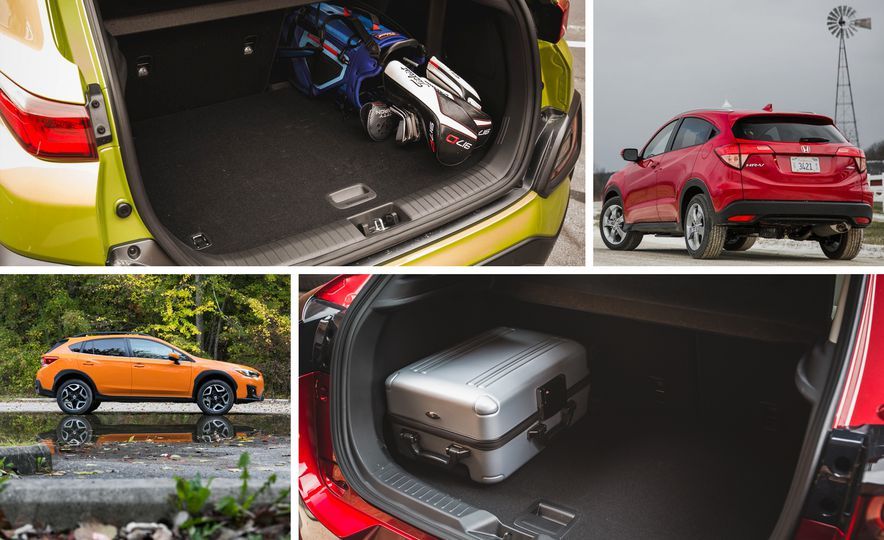
There’s a moment many drivers recognize immediately: you slide into the hatchback, toss in a grocery bag, and suddenly the rear opening feels less like an afterthought and more like a stage prop. A hatchback seems to promise practicality without sacrificing personality. Yet the question that keeps bubbling up in conversations—often at the exact moment someone says, “It’ll fit, right?”—is whether a subcompact hatchback truly matches the cargo-minded confidence of a compact one.
At first glance, the difference looks simple: bigger categories, bigger numbers. But cargo space isn’t just a spreadsheet value. It’s an experience stitched together from shape, access, shelf height, and the subtle choreography of seats folding. The fascination with hatchbacks, especially the subcompact vs. compact showdown, is partly rational—and partly magnetic. It’s the feeling that you can make room for life, even when life is overflowing.
Why Hatchbacks Feel Different From the Start
Hatchbacks don’t merely store items; they invite them. The rear opening’s geometry changes how you perceive distance and volume. You’re not wrestling a trunk lid or doing a contortionist act to reach into a deep compartment. Instead, the opening swings wide and the cargo area reads like an extension of the cabin.
That perception matters. People often confuse “usable space” with “total space.” A subcompact hatchback can win the practical argument because it’s easier to load quickly, especially when you’re tired, rushing, or juggling multiple tasks. Compact hatchbacks, meanwhile, tend to offer a more generous ceiling for longer road trips, bulky objects, and the inevitable box that doesn’t behave politely.
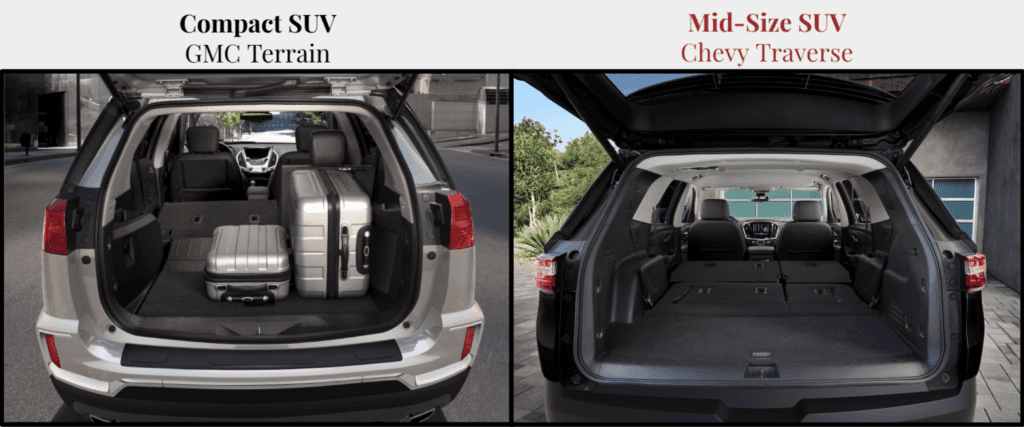
Subcompact Hatchback Cargo Space: The Surprising Power of “Small”
Subcompact hatchbacks are often underestimated because the word “subcompact” sounds like an apology. But the reality is more interesting. These vehicles tend to excel at short, frequent loading: groceries, school gear, gym bags, and weekend essentials.
Why? A few deeper reasons tend to appear:
1) Accessibility: Lower lift-over height can make loading less of a chore. When you don’t have to hoist items, you’re more likely to actually use the space.
2) Versatile seating arrangements: Rear seatbacks that fold flat can transform the cargo area into a surprisingly continuous footprint. That continuity reduces wasted corners and makes awkward items less awkward.
3) Efficient packaging: Subcompact designs often prioritize practicality around the wheel wells and cargo floor. It’s not “more volume” so much as “smarter volume.”
In day-to-day life, smarter usually beats bigger. A subcompact hatchback can make you feel like a logistics specialist—because you learn the exact angles and stacking patterns that maximize room.
Compact Hatchback Cargo Space: More Room, More Flex, More Options
Compact hatchbacks enter the conversation when the lifestyle expands. You might start hauling larger bags, occasional furniture, or gear that has sharp edges, odd dimensions, and a stubborn refusal to fit neatly.
Compact hatchbacks often deliver advantages that go beyond raw capacity:
1) Greater volume across the cargo bay: More space is helpful, but the bigger story is how that space distributes. Items feel less crowded, which reduces the need to “perform” with your loading technique.
2) Better accommodation for bulky shapes: Larger hatch openings and more accommodating cargo floor dimensions make it easier to fit tall items and wide bags without awkward compromises.
3) Potential for deeper storage pockets: Depending on trim, you may find more thoughtful cubbies, tie-down locations, or cargo organizers that keep everything from migrating mid-drive.
Where a subcompact hatchback can feel like a clever puzzle, a compact hatchback often feels like a comfortable toolbox. You don’t need to obsess over the order of operations—you simply have more margin.
Usable Cargo Space vs. The “Big Number” Myth
One of the most common observations in this segment is: “The numbers say X, so I’ll have X space.” Yet the “big number” frequently ignores human behavior and geometric reality.
Usable cargo space depends on at least four factors:
Lift-over height: If loading requires excessive lifting, the effective utility drops.
Hatch opening width: A wider opening reduces friction when sliding bags in or out.
Cargo floor design: Raised thresholds, uneven surfaces, or tight corners can steal volume even when measurements appear generous.
Seat-fold configuration: Some systems create flatter floors than others. A flatter floor doesn’t just increase comfort—it simplifies stacking.
So, subcompact hatchbacks may appear “smaller” on paper, but they can deliver comparable usability for everyday errands. Compact hatchbacks can translate extra dimensions into genuine practicality, particularly when the cargo includes awkward items or irregular shapes.

How Loading Feel Changes: The Real-World Test
Try the same items in both classes—bags of groceries, a folded stroller, a weekend cooler, or a tote packed with documents. You’ll likely notice that loading isn’t only about space; it’s also about flow.
Subcompact hatchbacks tend to reward efficiency. You’ll instinctively place items with care, angle bags into corners, and optimize height placement. That careful choreography can be oddly satisfying. It’s fascination disguised as necessity.
Compact hatchbacks offer a different kind of satisfaction. They reduce friction. The items glide in more easily, and the cargo area accommodates a less meticulous stacking strategy. This can feel like relief—especially after a long day.
Seatbacks, Flat-Folding, and the Myth of “Close Enough”
Seat folding is where enthusiasts and practical shoppers both get a little obsessive. Not all flat-fold systems create the same outcome. Even a subtle step in the cargo floor can turn a smooth loading moment into a repeated re-aiming of boxes.
Subcompact hatchbacks may still fold effectively enough for most routines. But if you frequently transport longer items or gear that needs stable placement, compact hatchbacks may provide more confident alignment. The deeper reasons are structural and design-focused: space distribution around the rear suspension, the wheel well shape, and how the trunk line tapers toward the hatch.
That’s why two cars with similar “folded” descriptions can behave differently once you actually load them. Geometry becomes emotion.
Everyday Scenarios: Which Class Fits Which Life?
Imagine five common moments:
1) Weekly groceries: Both work well, but subcompact hatchbacks can be surprisingly capable when cargo access is easy.
2) Weekend errands and small deliveries: Compact hatchbacks typically provide more margin for multi-bag loads and longer items.
3) Sports gear: Subcompacts can fit smaller kits, while compacts better handle bulky equipment and irregular shapes.
4) Road trips: Compact hatchbacks often shine because extended storage routines require more staging space.
5) Moving-lite tasks: If you regularly transport boxes or furniture pieces, compact cargo versatility tends to feel like a cheat code.
In other words, subcompact hatchbacks are frequently optimized for repeatability, while compact hatchbacks excel at variety. Both are fascinating. They simply serve different rhythms.
Choosing the Right Fit: A Quick Decision Framework
Before focusing on measurements, list your typical cargo reality:
• Frequency: Do you load daily or only occasionally?
• Dimensions: Are your items tall, wide, or long?
• Access habits: Do you care more about fast loading or maximizing total volume?
• Flexibility: Do you need to carry mixed items often, or do you keep cargo type consistent?
If your life is mostly errand-based and you value ease of access, a subcompact hatchback can feel like an elegant solution. If your life includes frequent varied cargo and longer trips, compact space can translate directly into reduced compromise.
Conclusion: The Cargo Space Story Isn’t Over—It’s Personal
Subcompact vs. compact hatchback cargo space is less a battle of bigger versus smaller and more a negotiation between usability, geometry, and the way you live. Subcompact hatchbacks can be champions of practical loading, turning limited space into a clever system that feels almost intuitive. Compact hatchbacks often expand that system into something more forgiving—especially for bulky, irregular, or long-haul cargo.
And that’s where the fascination comes from. You’re not just choosing a measurement. You’re choosing the emotional feel of your daily routines—how easily the rear opening becomes a gateway, how smoothly items settle into place, and how often you’ll think, with genuine satisfaction, “Yeah… that fits.”