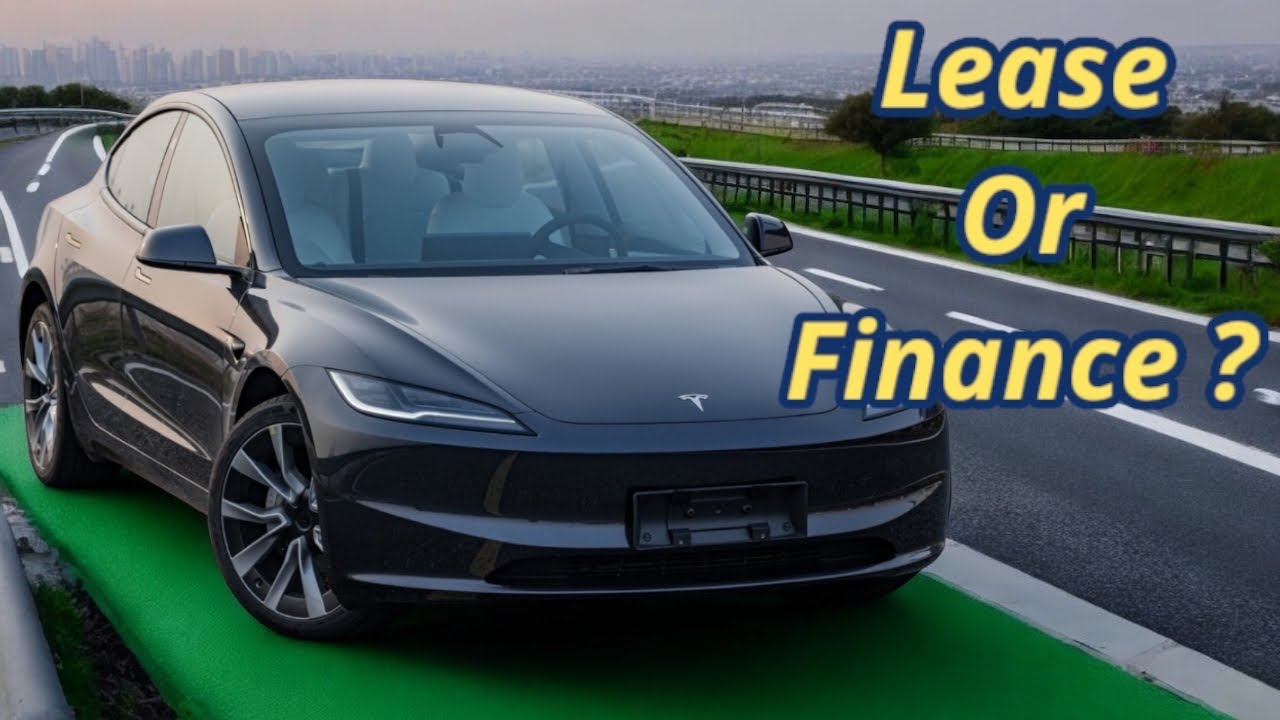
The Tesla Model 3 isn’t just a car—it’s a financial chameleon, shifting between the roles of an asset and a liability with the flicker of a touchscreen. In a world where ownership often feels like a golden cage, leasing emerges as the sleek, untamed alternative, whispering promises of lower monthly payments and the thrill of driving a new machine every few years. But is leasing truly the smarter path, or does buying the Model 3 weave a more enduring tapestry of value? The answer lies not in a single ledger line but in the alchemy of numbers, lifestyle, and the electric hum of innovation itself.
Imagine your wallet as a garden. Buying a Tesla Model 3 is like planting an oak tree—its roots dig deep into your finances today, but over time, it grows into a towering asset, casting shade on future expenses and bearing the fruit of resale value. Leasing, on the other hand, is akin to cultivating a bed of seasonal flowers: vibrant, ever-changing, and requiring less upfront investment, but never quite taking root. The choice between the two isn’t merely about dollars and cents; it’s about how you wish to dance with your money—whether you prefer the slow, steady waltz of ownership or the nimble tango of flexibility.
The Upfront Investment: A Tale of Two Ledgers
Buying a Tesla Model 3 demands a hefty initial outlay. The down payment, sales tax, and registration fees can easily swallow thousands of dollars before you’ve even turned the key. For many, this is a non-starter—a financial Everest that requires careful acclimatization. The Model 3’s base price, though competitive for a luxury sedan, still hovers around the mid-$40,000 mark, and that’s before the optional upgrades like Full Self-Driving or the Premium Interior package. The sticker shock is real, and for those without deep pockets, it can feel like signing a contract with a bank rather than purchasing a car.
Leasing, by contrast, is the financial equivalent of a backstage pass. The upfront costs are minimal—often just the first month’s payment, a security deposit, and acquisition fees. Suddenly, the Model 3 isn’t a distant dream but an immediate reality. The monthly payments, while still substantial, are typically 30-50% lower than loan payments for a purchase. This is the magic of leasing: it turns a luxury car into an accessible indulgence, allowing drivers to experience the pinnacle of electric innovation without the weight of long-term commitment.
Yet, this convenience comes with a caveat. Leasing is a lease, not a loan. You’re not building equity in the vehicle; you’re renting it for a predetermined period, usually 2-4 years. At the end of the term, you hand the keys back and walk away—unless, of course, you’re seduced by the allure of another lease or the promise of a new Model 3. The upfront savings are undeniable, but they come at the cost of perpetual payment, a financial treadmill that never quite lets you off.
The Monthly Rhythm: Cash Flow vs. Long-Term Commitment
For those who prioritize liquidity, leasing is a symphony of manageable monthly payments. The Model 3 glides into your life like a well-rehearsed ballet, its costs predictable and contained. There’s no need to worry about depreciation, maintenance beyond the warranty, or the sudden plummet in value that plagues new car owners. Tesla’s warranty covers the battery and drivetrain for up to 8 years or 120,000 miles, whichever comes first, and most leases include this protection, shielding lessees from the financial sting of unexpected repairs.
But the rhythm of leasing is a fleeting one. Each month, you’re paying for the privilege of driving a car that will never truly be yours. It’s a transactional relationship, one that ends the moment the lease does. For those who crave novelty, this is a feature, not a bug. The Model 3 you lease today will be replaced by a newer, shinier model in a few years, complete with the latest software updates and performance tweaks. The cycle of renewal is intoxicating—a perpetual upgrade path that keeps you at the cutting edge of automotive technology.
Buying, on the other hand, is a marathon. The monthly payments may be higher, but they’re a step toward ownership, a slow climb toward financial freedom. Once the loan is paid off, the Model 3 becomes yours in every sense of the word. No more payments, no more restrictions—just a silent, electric companion that’s paid for in full. The long-term savings can be substantial, especially if you hold onto the car for a decade or more. Depreciation, the silent thief of automotive value, still takes its toll, but the pain is softened by the absence of monthly obligations.
Yet, ownership isn’t without its own cadence. The Model 3’s value depreciates rapidly in the first few years, particularly in the used market. A three-year-old Model 3 might fetch only 50-60% of its original price, a harsh reality for those who dream of recouping their investment. The resale market is a fickle beast, and Tesla’s rapid iteration cycle means that newer models often overshadow their predecessors, further eroding value. For buyers, this depreciation is a silent partner, a reminder that the car’s worth is as transient as the latest software update.
The Hidden Costs: Warranties, Wear, and the Electric Enigma
Leasing shields you from many of the hidden costs of ownership. Tesla’s warranty covers the battery and drivetrain, and most leases include routine maintenance, freeing you from the tyranny of unexpected repair bills. The only real variable is excess wear and tear—those scuffed alloy wheels or the mysterious dent that appears overnight. At the end of the lease, you’re assessed for these damages, and the bill can be a sobering reminder that even the most meticulous drivers aren’t immune to life’s little mishaps.
Buying, however, is a gamble on the unknown. The Model 3’s electric heart is robust, but it’s not invincible. Battery degradation, though minimal in the early years, is an inevitable companion to ownership. Tesla’s battery warranty guarantees 70% capacity retention after 8 years or 120,000 miles, but beyond that, the cost of replacement looms like a storm cloud. The average cost of a Tesla battery replacement hovers around $15,000-$20,000, a figure that can dwarf the savings of buying outright. For those who plan to keep their Model 3 for the long haul, this is a critical consideration—a ticking clock that demands attention.
Then there’s the matter of insurance. Leasing often requires higher coverage limits, as the lender retains a vested interest in the vehicle’s well-being. Buyers, meanwhile, can opt for lower premiums once the loan is paid off, though the Model 3’s high repair costs mean that comprehensive coverage is still a wise choice. The insurance premiums for a leased Model 3 can add hundreds of dollars to the monthly budget, a hidden tax on the convenience of leasing.
The Psychological Equation: Freedom vs. Obligation
Beyond the numbers, there’s the intangible calculus of desire. Leasing is liberation in a four-door package. It’s the freedom to walk away from a car that no longer sparks joy, to upgrade to the latest features without the guilt of a trade-in, to embrace the transient thrill of newness. For those who view cars as tools rather than treasures, leasing is a guilt-free indulgence—a way to savor the Tesla experience without the chains of long-term commitment.
Buying, conversely, is a declaration of devotion. It’s the choice to plant your flag in the ground, to commit to a machine that will carry you through countless miles and memories. The Model 3 becomes more than a car; it’s a partner in your daily life, a silent witness to your routines and adventures. The pride of ownership is a powerful motivator, a tangible reward for the patience and discipline required to see the loan through to its end.
Yet, ownership is also a burden. The responsibility of maintenance, the anxiety of depreciation, the looming specter of future repairs—these are the shadows that lurk behind the gleaming exterior. For some, the peace of mind that comes with owning outright outweighs the financial strain. For others, the flexibility of leasing is worth the cost, a small price to pay for the ability to adapt and evolve.
The Final Verdict: A Matter of Perspective
So, which path saves you money? The answer, as with most things in life, is that it depends. Leasing shines for those who prioritize flexibility, lower monthly payments, and the ability to drive a new Model 3 every few years. It’s the choice for the restless, the curious, the drivers who see cars as temporary companions rather than lifelong partners. The savings are immediate, the risks minimal, and the rewards—new technology, fresh designs, and the thrill of the latest features—are intoxicating.
Buying, on the other hand, is a long-term play. It’s for those who value stability, who dream of a future where their car is paid for and their only payment is the occasional pit stop at a charging station. The savings compound over time, the depreciation curve flattens, and the Model 3 becomes a silent testament to your foresight. The upfront cost is steep, but the payoff is a sense of ownership that leasing can never replicate.
In the end, the Tesla Model 3 isn’t just a car—it’s a mirror. It reflects your priorities, your fears, and your dreams. Whether you choose to lease or buy, the decision is a personal one, a blend of numbers and emotions, logic and intuition. The Model 3 will serve you faithfully either way, its electric heart beating in time with your own. The question isn’t which path is better, but which path aligns with the life you wish to live.
The road ahead is yours to choose. Will you dance with the wind, or will you plant your roots and watch your investment grow?