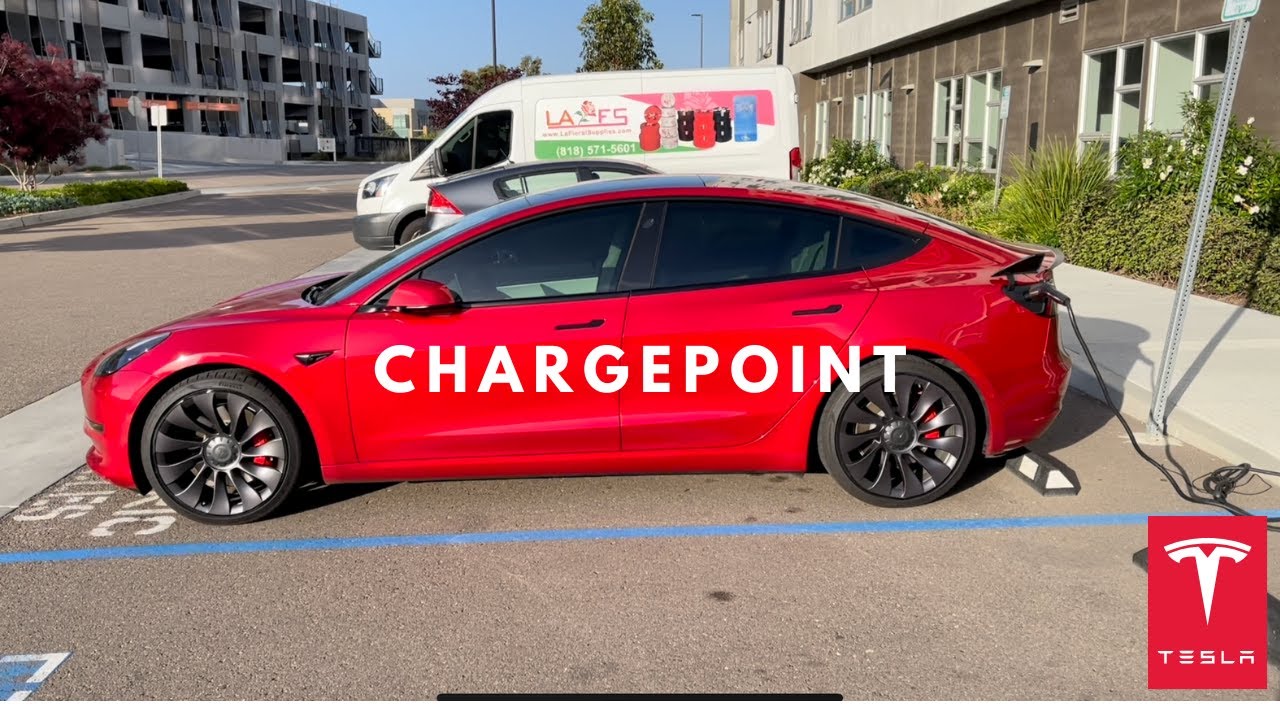
The Tesla Model 3 has redefined what it means to travel long distances in an electric vehicle. With its sleek design, cutting-edge technology, and impressive range, it’s no wonder that drivers are increasingly choosing this sedan for cross-country journeys. Yet, one of the most common observations among Tesla owners is the ease with which they can navigate the I-95 corridor—a 1,925-mile stretch from Miami to Houlton, Maine—thanks to the meticulously placed Supercharger network. But what makes these charging stops so seamless? And how do they reflect a deeper shift in the way we perceive electric mobility?
The Evolution of the I-95 Supercharger Network
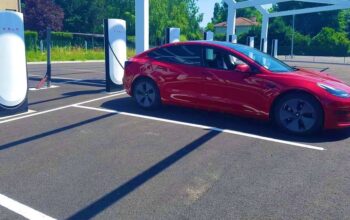
The I-95 corridor, often referred to as the spine of the East Coast, is a critical artery for commerce, tourism, and daily commuting. For Tesla, it represents a proving ground where the brand’s charging infrastructure has matured from a novelty to a near-ubiquitous convenience. The Supercharger network along this route has evolved from sparse, isolated stations to a well-orchestrated ecosystem of high-power chargers, strategically positioned every 100 to 150 miles. This density isn’t accidental; it’s the result of years of data analysis, customer feedback, and a commitment to eliminating range anxiety.
What’s fascinating is how these stations have become more than just pit stops—they’re now social hubs. Drivers linger longer, not just to charge, but to share stories, troubleshoot software glitches, or simply marvel at the latest over-the-air updates. The Supercharger experience has transcended its utilitarian purpose, embedding itself into the rhythm of road trips. It’s a subtle but profound shift: charging is no longer an interruption but an integral part of the journey.
Top Tesla Model 3 Charging Stops on I-95: A Curated Guide
Navigating the I-95 with a Tesla Model 3 is a study in efficiency, but not all charging stops are created equal. Some stand out for their amenities, others for their scenic backdrops, and a few for their sheer convenience. Here’s a curated selection of the best Supercharger locations along the route, each offering something unique.
The Savannah, Georgia Supercharger: A Southern Oasis
Nestled just off I-95 in Savannah, this station is a testament to Tesla’s ability to blend functionality with charm. Surrounded by historic oak trees draped in Spanish moss, the Savannah Supercharger offers a serene respite from the highway’s relentless pace. Drivers can stretch their legs in nearby Forsyth Park or grab a coffee at a local café while their Model 3 recharges. The station’s proximity to downtown means it’s easy to explore the city’s cobblestone streets and antebellum architecture—a rare opportunity to combine charging with cultural enrichment.
The Wilmington, Delaware Supercharger: Urban Convenience Meets Coastal Charm
For those traveling north, the Wilmington Supercharger is a model of urban integration. Located near the Christina River, this station is just minutes from downtown Wilmington, offering easy access to restaurants, shops, and the Delaware Art Museum. The charging bays are spacious, with ample shade, and the area is well-lit at night. What’s particularly noteworthy is the station’s role as a gateway to the Brandywine Valley, a region synonymous with DuPont’s legacy and picturesque landscapes. It’s a reminder that even in the midst of a highway corridor, Tesla’s charging network can serve as a bridge to local experiences.
The Portland, Maine Supercharger: The Northernmost Frontier
Reaching the end of the I-95 in Houlton, Maine, might feel like the end of the road, but the Portland Supercharger ensures that the journey’s final leg is anything but anticlimactic. This station, located near the Portland Head Light, offers breathtaking views of the Atlantic Ocean. Drivers can take a post-charge stroll along the rugged coastline or visit the iconic lighthouse, a symbol of New England’s maritime heritage. The station itself is a marvel of modern engineering, with V3 Superchargers capable of replenishing up to 200 miles of range in just 15 minutes. It’s a fitting finale to a route that has, in many ways, redefined what it means to travel sustainably.
The Psychology of Charging: Why These Stops Feel Like More Than Just Refueling
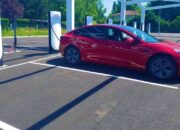
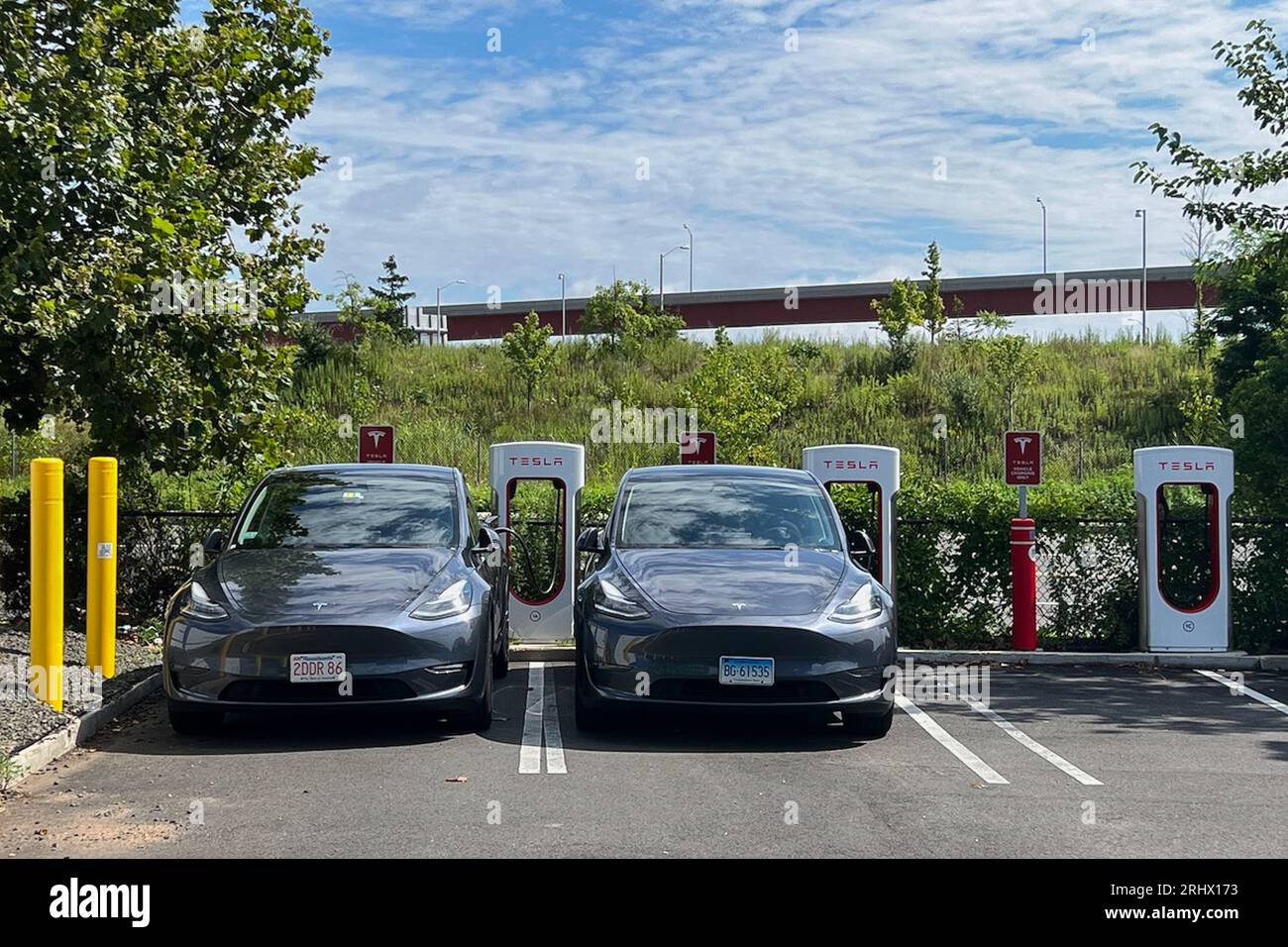
There’s an intangible quality to Tesla’s Supercharger network that goes beyond mere functionality. It’s the psychology of the experience—the way a well-placed charging stop can transform a grueling road trip into a series of memorable moments. For many drivers, the act of plugging in their Model 3 is no longer a chore but a ritual, a pause in the journey that allows them to reconnect with the world around them.
Consider the phenomenon of “charging tourism.” Drivers often plan their routes around Supercharger stops, choosing locations that offer more than just electricity. Whether it’s a coastal town in Maine, a historic district in Delaware, or a bustling square in Savannah, these stops become destinations in their own right. They encourage exploration, foster a sense of community among Tesla owners, and even inspire loyalty to the brand. It’s a subtle form of marketing, one that relies on creating emotional connections rather than hard-selling features.
Moreover, the Supercharger experience reflects a broader cultural shift. As electric vehicles become more mainstream, the act of charging is shedding its association with inconvenience. Instead, it’s being reimagined as an opportunity—a chance to recharge not just the battery, but the driver’s spirit. In this context, the I-95 corridor serves as a microcosm of the electric revolution, a proving ground where technology, infrastructure, and human behavior intersect in unexpected ways.
Practical Tips for Tesla Model 3 Drivers on I-95
While the Supercharger network is designed to be user-friendly, a few strategic tips can enhance the experience for Tesla Model 3 drivers traversing the I-95.
Plan Ahead, But Stay Flexible: Use the Tesla navigation system to plot your route, but be prepared to deviate based on real-time conditions. Traffic, weather, and unexpected detours can all impact your charging needs. The Model 3’s range estimator is remarkably accurate, but it’s always wise to have a backup plan.
Leverage the Tesla App: The app provides real-time updates on charger availability, stall occupancy, and even estimated wait times. It’s an invaluable tool for minimizing downtime and ensuring a smooth journey. Additionally, the app allows you to pre-condition your battery, optimizing charging efficiency upon arrival.
Explore Beyond the Charger: Many Supercharger locations are near local attractions, parks, or dining options. Take advantage of these opportunities to stretch your legs, grab a meal, or simply enjoy the scenery. The I-95 corridor is rich with hidden gems, from coastal towns to historic sites.
Monitor Your Charging Habits: While it’s tempting to top off at every opportunity, the Model 3’s battery management system is designed to optimize charging cycles. Aim to charge to 80% for daily use and reserve 100% for longer trips. This approach not only preserves battery health but also reduces wait times at busy stations.
The Future of Charging on I-95: What’s Next?
The Supercharger network is far from static. Tesla continues to expand and upgrade its infrastructure, with a focus on increasing charging speeds, improving reliability, and enhancing the overall user experience. The introduction of V4 Superchargers, capable of delivering up to 350 kW, promises to further reduce charging times, making long-distance travel even more seamless.
But the future of charging on I-95 isn’t just about technology—it’s about integration. As more automakers adopt the NACS (North American Charging Standard), the Supercharger network could become a universal hub for all electric vehicles, fostering a sense of shared infrastructure. This evolution would not only benefit drivers but also accelerate the transition to sustainable mobility.
There’s also the question of sustainability itself. Tesla’s commitment to using renewable energy for its Supercharger stations is a step toward reducing the carbon footprint of electric travel. Imagine a future where every Supercharger is powered by solar or wind energy, creating a closed-loop system that aligns with the values of eco-conscious drivers.
The I-95 corridor, with its Supercharger network, is more than just a route—it’s a testament to the progress of electric mobility. It’s a reminder that innovation isn’t just about the vehicles we drive, but the ecosystems that support them. As Tesla continues to refine its charging infrastructure, the act of traveling along I-95 will become not just a journey, but an experience—one that’s as enriching as it is efficient.