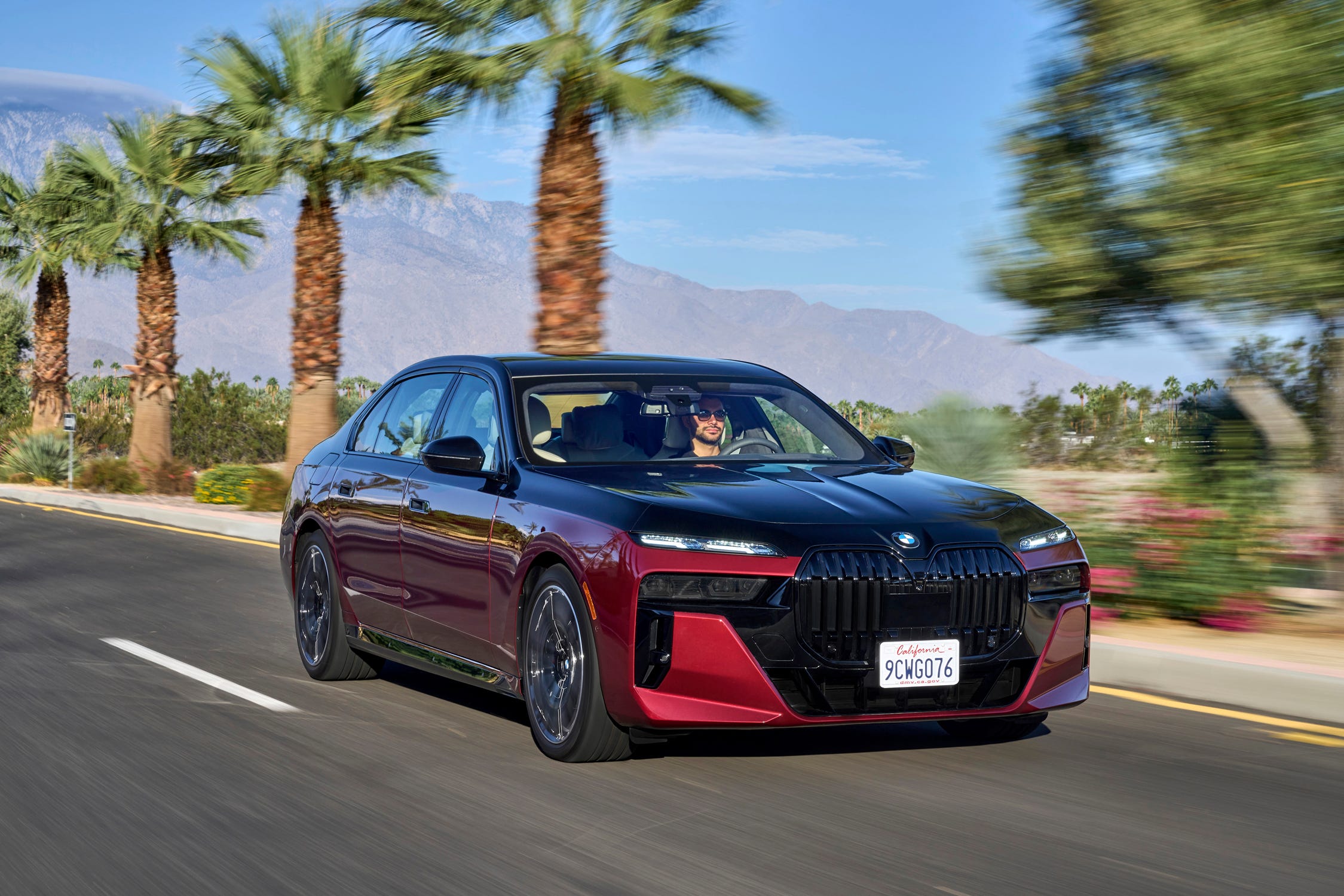
In 2026, the sedans in driveways and on highways are becoming less like machines you simply operate and more like partners you collaborate with. The common observation is easy to state: “Cars are smarter now.” Yet anyone who has watched a modern sedan hold lane precision on a breezy overpass or coast through a near-miss of traffic congestion knows there’s more going on than convenience. The fascination runs deeper. It’s not only the technology; it’s the subtle sensation that the vehicle is anticipating you—measuring risk, predicting intent, and quietly reducing the number of decisions you have to make in the next ten seconds.
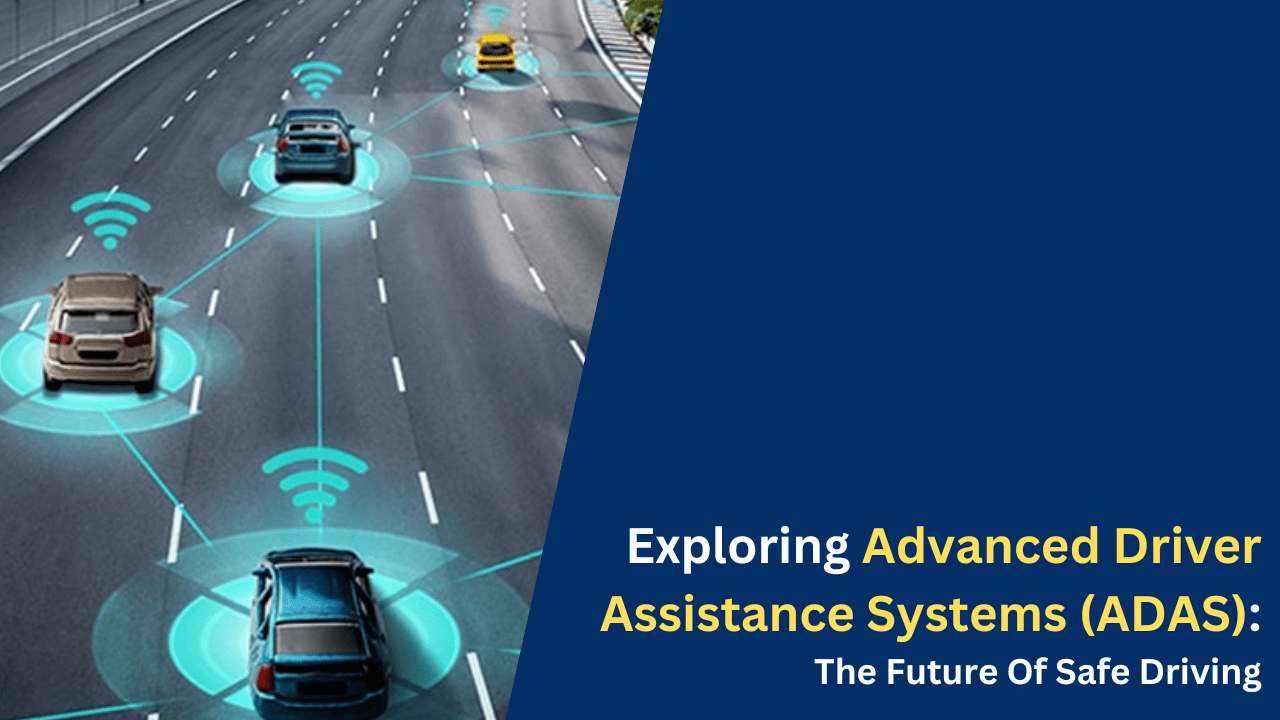
Consider the new generation of advanced driver-assistance systems (ADAS) appearing across 2026 sedans. These aren’t gimmicks. They are an orchestration of sensors, prediction models, and control logic, tuned for everyday roads where lane markings fade, signage is partially obscured, and human behavior refuses to follow tidy patterns. The result is a driving experience that feels both calmer and more accountable.
Why “Most Advanced” Feels Different in 2026
Many drivers notice improvements in comfort first. The steering feels steadier. Braking feels smoother. Acceleration is less abrupt. But the deeper shift is behavioral: the sedan is learning the context of your drive, not just your speed. In 2026, “advanced” means the system can interpret a moving environment with a higher tolerance for ambiguity.

That tolerance is where the fascination lives. A human driver can be generous with assumptions—“that cyclist will keep straight,” “that car will merge later.” The most capable ADAS systems are forced to make similar assumptions, but they do so continuously, at machine speed. When the predictions align, you feel like the car is reading the road’s subtext. When they don’t, you still benefit from mitigation features that buy you time.
Perception: The Sedan’s Eyes, Ears, and Nervous System
Advanced ADAS begins with perception. In many 2026 sedans, the sensor suite is increasingly redundant by design. Redundancy matters because weather, glare, and occlusion are not edge cases—they are daily realities. Multi-camera setups help interpret lane geometry and vehicle position. Radar refines tracking of relative motion, especially where visual contrast is poor. Ultrasonic sensors may still appear for low-speed maneuvers, parking, and close-quarters detection.
Some models now handle detection with a wider net: pedestrians, cyclists, and even stalled vehicles near traffic lanes. The most advanced systems also differentiate between “object exists” and “object behaves in a way that implies risk.” That nuance reduces unnecessary interventions, improving both safety and driver confidence.
Adaptive Cruise Control That Actually Adapts
Adaptive cruise control in 2026 is less about keeping distance in a vacuum and more about managing a living tapestry of traffic. The best systems adjust not only to the car ahead but also to the curvature of the road, the presence of cut-in vehicles, and the rhythm of stop-and-go flows.
A common observation is that cruise control feels “too cautious” or “too optimistic.” The deeper reason that these feelings persist is that early versions of ADAS were trained primarily on straightforward scenarios. By 2026, more advanced models employ richer prediction logic—forecasting how surrounding vehicles are likely to move, rather than merely tracking what they do right now.
Equally important: seamless re-acceleration and braking calibration. A strong ADAS behaves like a careful co-driver, not an aggressive auditor. The goal is to reduce longitudinal jerk—those uncomfortable surges in speed and brake application that can make drivers unconsciously tense.
Lane Centering and Lane Keeping: Precision with Personality
Lane keeping used to feel like a set of guardrails. In 2026, many systems behave more like a steady hand on the wheel—damping small deviations and guiding the car along the center of the lane rather than simply warning you when you drift. Lane centering often combines camera-based lane boundary detection with steering control that smooths micro-corrections.
But roads are messy. Construction zones, worn paint, and split lanes create uncertainty. The most advanced 2026 sedans respond with graceful degradation. They may reduce confidence, request more active supervision, or temporarily rely more heavily on map context and motion estimation rather than forcing brittle lane-locking.
This “personality” is why the experience feels different. The system isn’t trying to be perfect. It’s trying to be consistent—consistent enough that you learn its limits and trust its behavior.
Automatic Emergency Braking and Collision Avoidance
Automatic emergency braking (AEB) remains a cornerstone of ADAS credibility. In 2026 sedans, the improvements typically concentrate on detection range, object classification, and staged response. AEB is not only about braking late. It’s about recognizing hazard type—vehicle, pedestrian, cyclist—and applying preemptive measures that can include warning, partial braking, and then full braking if needed.
The fascinating part is the attempt to minimize conflict between driver intention and system intervention. When the driver is attentive, the system can often prompt earlier through clear visual or haptic cues. When the driver is distracted, it shifts toward protective authority—while still striving to avoid sudden, confusing behavior.
Collision avoidance features also extend beyond AEB. Some platforms incorporate evasive steering assistance or intersection-related mitigation, depending on the sensor configuration and computing capability.
Intersection Assistance: The Hardest Stage of Any Drive
Intersections are where driving becomes theatrical. Humans judge speed, distance, and intention using cues—eye contact, vehicle posture, and the subtle hesitation before movement. Machines must replace those cues with measurable inputs.
In 2026 sedans, intersection assistance typically includes cross-traffic alerts, turn-assist braking logic, and detection of vehicles approaching from side streets. Lane centering around intersections and complex maneuvers is harder than highway driving, so the most advanced sedans use layered prediction to estimate whether a vehicle is likely to cut into your path.
When it works, you feel a mild reduction in stress. Not because danger disappears, but because the system helps compress reaction time—turning a “maybe” into a “handled.” That’s where the fascination deepens: the technology doesn’t remove human responsibility; it recalibrates it.
Blind Spot Monitoring and Rear Cross-Traffic Awareness
Blind spot monitoring in 2026 continues to mature from a warning tool into a more context-aware safeguard. Advanced systems can detect vehicles in adjacent lanes and, in some setups, also identify hazards during lane changes or backing maneuvers.
Rear cross-traffic alerts are especially valuable in urban environments where visibility is compromised by pillars, hedges, and parked cars. The best systems combine detection with timing—issuing warnings early enough to matter, but not so often that they become background noise.
It’s the difference between vigilance and annoyance. The more intelligent the system, the more it seems to understand when to speak and when to remain silent.
Highway and Traffic Jam Assist: The “Second Brain” Effect
Traffic jam assist and highway automation features have gained attention because they change the feel of commuting. In 2026, the strongest systems coordinate adaptive cruise control with lane centering, using maps and real-time sensor fusion to maintain lane position and speed.
Here, the system’s deeper goal emerges: reducing cognitive load. Driving in stop-and-go traffic can become a repetitive mental loop—accelerate, brake, re-accelerate, scan mirrors, manage gaps. Advanced ADAS aims to smooth that loop, turning micro-drama into controlled motion.
Drivers still need to supervise, of course. Yet the best designs reduce suddenness. Instead of abrupt corrections, they use gradual adjustments—so the sedan feels like it’s “thinking ahead” rather than reacting late.
Driver Monitoring: Safety Beyond the Road
One common misunderstanding is that ADAS is solely about external detection. In 2026, driver monitoring becomes central to credibility. Steering patterns, camera-based attention estimation, and intermittent prompts help ensure the system remains a tool, not a substitute.
The deeper reason this is fascinating is emotional. Humans want reassurance that the car is watching both the world and the driver’s state. When prompts are timed thoughtfully—clear, not patronizing—the system feels like a safety net rather than a nagging coach.
The Urban Sedanscape: Parking, Maneuvering, and Tight Spaces
In dense cities, advanced driver assistance often reveals its value in slow-speed choreography. Automated parking assistance, surround-view cameras, and refined low-speed braking can reduce the risk of curbs, collisions, and confusing cross-traffic.
These features aren’t only for convenience. They address a specific kind of human error: misjudging distances while moving at walking speed. A sedan with better spatial awareness can turn a stressful parking moment into something more procedural and controlled.

What To Look For When Shopping a 2026 Sedan
When comparing models, focus on how the systems behave under imperfect conditions: faded lanes, heavy glare, and unpredictable cut-ins. Look for comprehensive sensor suites, robust AEB with pedestrian and cyclist detection, and lane centering that remains stable in real-world road geometry.
Pay attention to integration quality. Does the vehicle communicate its intent clearly during warnings and interventions? Does adaptive cruise respond smoothly to varying traffic patterns? Are intersection alerts specific rather than generic? The most advanced sedans often excel less in a single highlight feature and more in the harmony among systems.
Outro: The Quiet Art of Safer Motion
Most advanced driver assistance in 2026 sedans isn’t merely a list of features. It’s an emerging philosophy of motion: predict, perceive, mitigate, and communicate—without stealing the driver’s authority. The fascination persists because the car feels like it’s compressing uncertainty into calm action.
When ADAS is done well, it doesn’t make driving feel robotic. It makes it feel deliberate. And that is the real magic: a modern sedan turning complicated streets into a smoother narrative of safety.