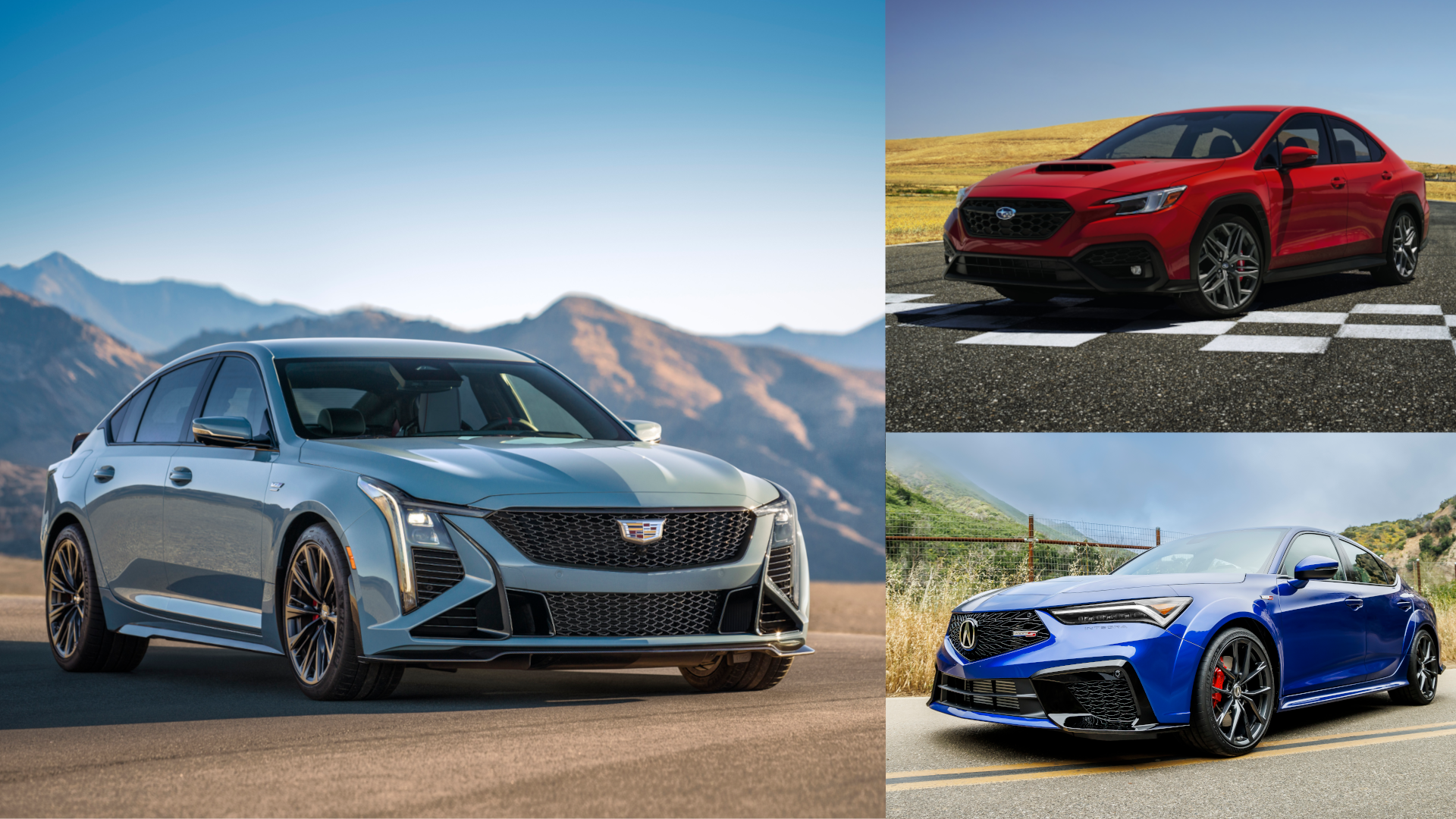
The first time you row through the gates of a manual transmission, something subtle happens to your day. The car stops being a device you operate and becomes a conversation you participate in. You feel the cadence of the engine, the choreography of the clutch, the tiny physics of leverage in your fingertips. And after a few spirited miles, a promise emerges—one that refuses to live on spec sheets or press releases: driving can still be an event.
That promise is what draws people toward sport sedans with manual transmissions. Not because manuals are fashionable, but because they are inherently honest. They do not hide the connection between your decision and the car’s response. They insist you be present. In an era of buttoned-up everything, choosing a stick becomes a small rebellion with a surprisingly large emotional payload.
Consider the scene: a quiet streetlight flicker, a rising temperature in the exhaust note, the brief pause before selecting the next gear. The world narrows to a handful of sensory facts. Throttle position. Road texture. Flywheel momentum. The lever’s travel—measured, tactile, real.
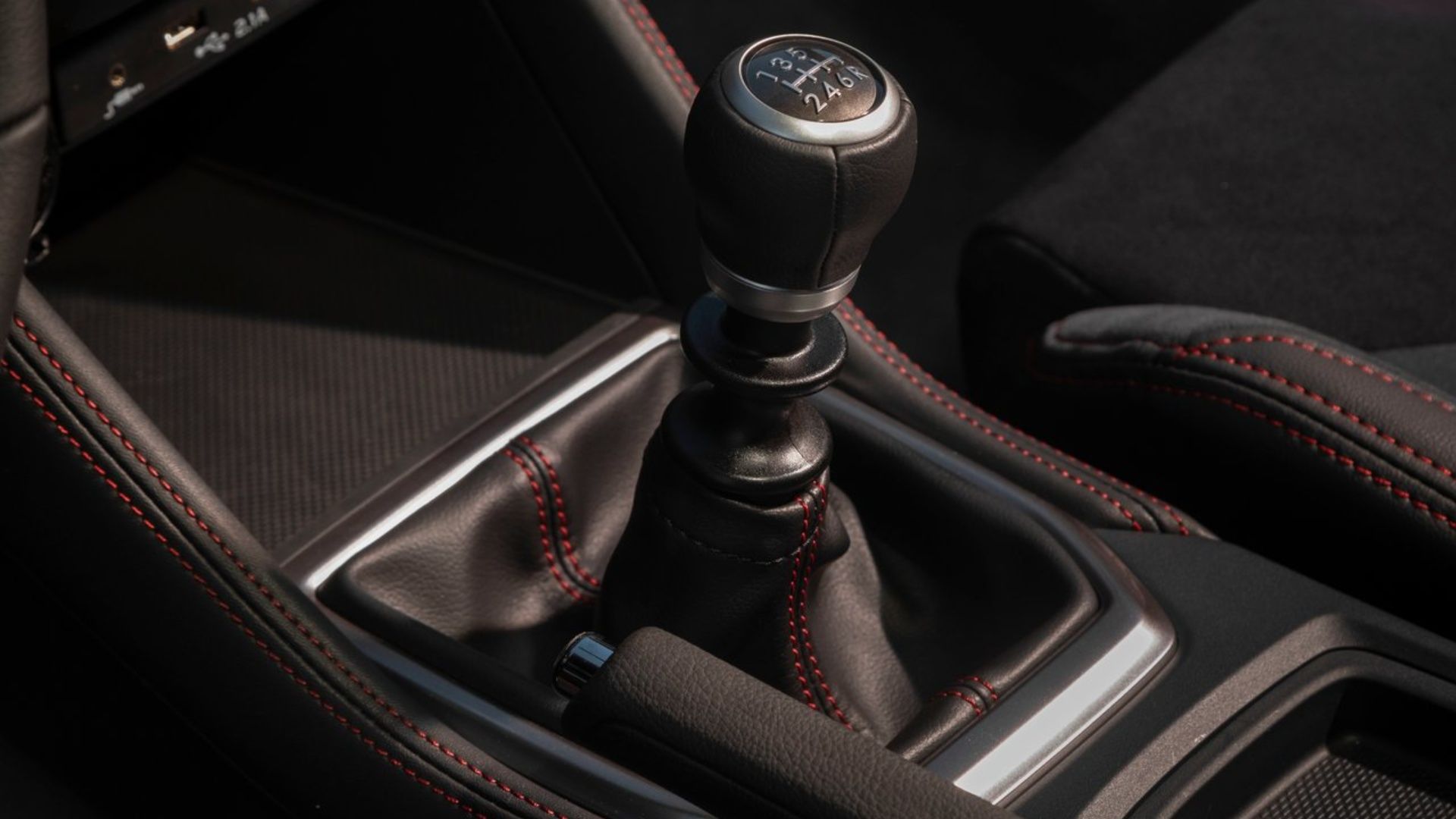
Now imagine that same sensation packaged inside a sport sedan—an everyday silhouette with weekend intentions. This is where curiosity becomes traction. Not everyone is ready to drive a manual, but almost everyone can sense the question hiding underneath: What does this car feel like when it knows you’re listening?
The Stick as a Philosophy, Not a Specification
Automatic transmissions often reduce driving to anticipation: you press, the car decides. Manuals reverse that dynamic. They require a kind of attentive authorship. The throttle is not simply “on”—it’s an invitation. The clutch pedal is not a chore—it’s a metronome.
There is also a deeper, slightly uncommon satisfaction to the entire act. Double-checking your shift timing. Learning how the engine breathes at different load levels. Feeling when the transmission synchronizers agree you’re ready. Even the smallest imperfections can become information instead of frustration.
When people say “the car feels alive,” they often mean responsiveness. But with a manual, aliveness includes agency. You are not steering a system; you are collaborating with it.
Why Sport Sedans Are the Perfect Stage
Sport sedans have long tried to balance two moods: composure and confidence. They look like grown-up transportation while offering the undercurrent of performance. A manual transmission suits that duality, turning the sedan into something more deliberate.
In a coupe or a dedicated track toy, the stick can feel expected. In a sedan, it becomes intriguing—almost paradoxical. You get four doors for practicality, yet you still have to manage momentum like a craftsman. That contrast piques curiosity. It suggests there’s intention behind the design, not just convenience.
And because sedans typically offer better visibility than some smaller platforms, the driver’s interaction with the road becomes more nuanced. You can read traffic flow earlier, anticipate gaps, and plan your shifts with calmer precision.
Instant Feedback: The Sensory Loop That Changes Everything
One of the most persuasive reasons to “save the stick” is the feedback loop. It’s not theoretical. It’s mechanical.
When you lift the throttle, the engine’s rotational speed changes—there’s a small, audible and tactile truth in that transition. When you press the clutch, you feel the resistance and timing. When you select the next gear, the car’s behavior alters immediately. This immediacy is addictive, because it makes the vehicle’s state legible.
Automatics can be quick. Manuals can be precise. But the real difference is that a manual gives you interpretation. You learn the car through your hands and feet, and then you begin to anticipate it.
That’s why even a short drive can feel like a lesson, not in theory, but in bodily memory. You leave the seat knowing how the car would react before it fully happens—because you felt the conditions form.

Mastery Without Pretension: Learning the Rhythm
There’s a common myth that manual transmissions are too difficult. The truth is more interesting: they are difficult only in the same way learning a musical instrument is difficult. The beginning feels awkward. The repetition builds rhythm. The reward arrives when your inputs become smooth enough that the car and driver move as one.
Start with low-stakes environments. Low speeds. Gentle acceleration. Purposefully slow shift engagement. The goal isn’t perfection. It’s familiarity. Once that familiarity forms, the car stops resisting your intentions and starts harmonizing with them.
Then the sedan’s practicality becomes a benefit. You can practice daily. You can commute with curiosity. A manual transforms the mundane—traffic, errands, short distances—into a training ground for feel.
And as your skill grows, your shifting style begins to acquire personality. Some drivers become decisive and brisk. Others become buttery and patient. The stick doesn’t judge; it responds.
Performance You Can Explain to Yourself
Sport sedans with manual transmissions offer performance that can be understood, not just measured. Acceleration becomes a sequence of actions rather than a single demand.
Overtaking? Manual gearing lets you set the engine where you want it before the sprint begins. Downshifting? It’s no longer automatic magic. You control the engine speed match and therefore influence the character of the deceleration-to-acceleration transition.
Cornering also changes. Smooth clutch modulation can help manage weight transfer and keep the car’s composure during transitional moments. Even at the limit, a manual can feel like a more transparent instrument—one that reveals the truth of your inputs instead of masking them behind algorithms.
In other words, you don’t just drive faster. You drive with narrative coherence: you can look back at what happened and understand why.
Fuel Economy, Actually, Comes Down to You
Manual transmissions are sometimes treated like a nostalgic badge. Yet their efficiency can be deeply driver-dependent. With a stick, you manage engine speed with intention. You choose when to upshift and how long to keep the engine in its most cooperative range.
This doesn’t mean every manual sedan magically out-saves every automatic. But it does mean the path to efficiency is within your control. You can reduce unnecessary revs, avoid lugging, and anticipate traffic instead of reacting late.
Efficiency becomes less of a statistic and more of a habit—a quiet win that compounds across weeks.
The Market Shift: Why This Choice Feels Urgent
Manual transmissions are disappearing from many sport models, and the disappearance is more than a product change. It’s a cultural narrowing. Each removed stick reduces the number of people who can experience that tactile partnership.
So the phrase “save the stick” is not only a plea for availability. It’s a pledge to keep driving skills from becoming museum artifacts. When manuals vanish, a particular kind of mechanical literacy fades: the ability to interpret the car through direct input.
That’s why ownership decisions matter. Buying a manual sport sedan isn’t just about enjoying it today. It’s about preserving a future where this driving language remains spoken.
Ownership Experience: Maintenance, Respect, and Longevity
Every enthusiast knows that a manual transmission tends to invite maintenance attention. It rewards respect. Clutch wear isn’t accidental—it’s shaped by how you slip the pedal, how you launch, and how smoothly you engage gear synchronization.
That can feel like a burden, until it becomes a relationship. You start noticing the car’s health through behavior. The shift becomes not just a mechanic action, but a diagnostic signal. The steering tells stories. The brakes whisper. The transmission responds to your habits.
In return, the car can feel coherent over time. Manuals often develop a kind of trust between driver and machine, especially when the vehicle is treated as a partner rather than a service.
Curiosity Test: Should You Try It?
If manual driving still feels intimidating, try a different way of thinking. Don’t treat it as a test of talent. Treat it as a quest for perspective.
Find a safe, low-speed environment. Start with the basics: smooth clutch engagement, gentle throttle, deliberate shifting. Notice how quickly the fear dissipates when your movements become predictable.
Then pay attention to the moment you realize you’re no longer “learning.” You’re driving. That’s the threshold where manual sedans become unforgettable. The stick stops being a novelty and becomes your preferred method of meaning-making on the road.
Outro: Keep the Conversation Going
Sport sedans with manual transmissions offer more than performance or nostalgia. They deliver a shift in perspective—away from passive interaction and toward active collaboration. They transform driving into a sequence of choices you can feel, hear, and understand.
Every time someone chooses a stick, the road stays wider. The experience stays vivid. The car remains a dialogue rather than a command. So the next time you hear the quiet insistence of a manual engine note, consider the invitation behind it: drive like you’re part of the machine’s story.