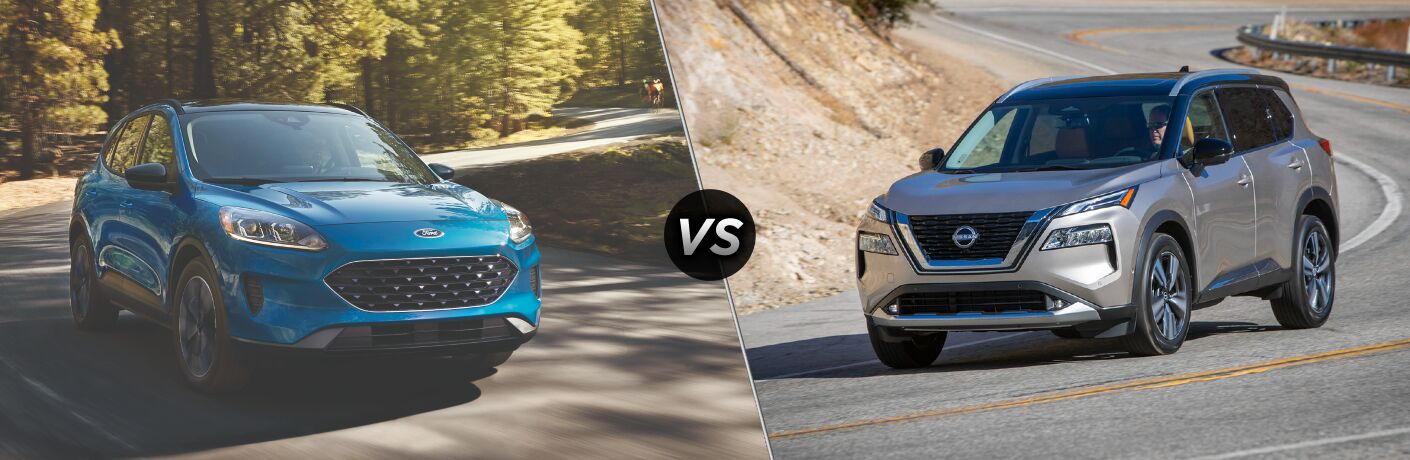
Choosing a family compact SUV is rarely a simple decision. It’s the long commute in the morning, the school drop-off sprint at the end of the day, the weekend grocery run stacked with bags that seem heavier than you remember. In that churn of daily life, the 2025 Nissan Rogue and the 2025 Ford Escape often arrive on the short list—two vehicles with the same assignment: deliver space, comfort, and confidence without turning every trip into a financial aftershock.
Yet “compact” doesn’t mean “cookie-cutter.” Each SUV has its own personality—how it handles traffic, how it uses interior space, how it treats driver assistance, and how it feels when you’re merging onto a highway with your kids’ backpacks fighting for balance in the back seat. This duel isn’t just about specs. It’s about what families actually notice.
First impressions: the vibe inside the cabin
Before you even touch the infotainment screen, your body registers the cabin atmosphere. The Rogue tends to emphasize a welcoming, cocoon-like sense of calm. The layout aims to reduce clutter and make frequently used controls feel intuitive—like the vehicle is learning your routine rather than forcing you to adapt.
The Escape, by contrast, often feels a bit more designed around visibility and driver orientation. It can feel nimble in day-to-day driving, with a cockpit approach that invites you to stay engaged behind the wheel. Families may notice the difference most during hectic pickups—when quick glances matter more than deep reading of menus.
In both cases, expect materials and seat design intended for real-life use: spills, sticky fingers, and the unpredictable choreography of child safety seats. But the experience isn’t identical. The Rogue’s interior flow frequently aims for comfort and ease, while the Escape leans toward a more energised, “ready-to-go” feel.
Space that works: rear seating and cargo reality
Family life is asymmetric. Some days are all about legroom; other days are about cargo volume. That’s where the Rogue and Escape can surprise you—because “enough room” isn’t a static number. It depends on how you load, fold, and stow.
The Rogue generally prioritizes practical usability: rear seat access, storage pockets, and a cargo area shaped for everyday routines. It’s the kind of setup that makes you think, “Yes, I can fit this.” From a stroller to a cooler, the Rogue often tries to reduce the friction between intention and execution.
The Escape also aims for flexible cargo management, designed to handle the regular rhythm of family errands. Its rear layout can feel particularly convenient for quick transitions—moving from passenger mode to hauling mode without making the trunk feel like a puzzle box.
Look for the details that matter: fold-flat performance, the ease of lifting and accessing cargo, and whether child seat installation leaves enough space for the other passenger to enter and exit comfortably. In real households, the best SUV is the one that makes those moments painless.
Driving feel: steering, ride comfort, and everyday confidence
Compact SUVs can vary dramatically in how they absorb road imperfections. A family vehicle doesn’t need to feel like a sports car, but it should feel composed—especially over patchy pavement, speed bumps, and highway expansion joints.
The Rogue often targets ride comfort, aiming to mute harshness and keep occupants shielded from the constant micro-impacts of urban roads. The result can be a smoother sensation, especially when passengers are tired or the kids are finally winding down.
The Escape tends to focus on responsiveness, delivering a confident steering feel that can make commuting feel less tedious. It can provide a slightly more engaging driving experience, particularly on winding routes or when you’re maneuvering through tight parking structures.
Both SUVs should handle daily driving with ease, but their temperaments differ. The Rogue may feel more like a steady companion; the Escape may feel more like a capable partner that encourages decisive driving.
Power and efficiency: what matters when the schedule is tight
Power in a family SUV should be measured by more than acceleration charts. It’s about passing confidence, hill starts, and the ability to merge without drama when you’re already late.
The Rogue is designed to balance everyday driveability with efficiency-minded performance. Families typically appreciate the blend of smoothness and practicality, particularly during stop-and-go commuting where frequent throttle changes happen.
The Escape is engineered to keep driving effortless, supporting quick adjustments when the moment calls for it—like entering traffic with a cautious gap or powering through a loaded stretch of road.
Efficiency isn’t only about fuel economy figures. It also affects how often you’ll stop for gas and how planning changes when distances expand. For many families, that operational convenience becomes a quiet advantage.
Technology and infotainment: screens are only the beginning
Modern compact SUVs treat technology like an extension of daily life. The question is whether the tech reduces stress or becomes another obstacle.
The Rogue’s infotainment approach typically aims for usability—navigation, media controls, and smartphone integration designed to be reachable when you’re juggling a conversation and a playlist selection. The experience can feel more intuitive during short, repeated trips.
The Escape emphasizes connectivity too, often delivering a streamlined interface that supports quick access to common functions. If your family rotates drivers often, you’ll want systems that remember preferences and keep settings consistent.
Regardless of brand, pay attention to: screen clarity, the speed of response, the number of taps required to reach the features you actually use, and how easily the system works with voice commands. In a family vehicle, “quick” is not a luxury—it’s a safety feature in disguise.
Driver assistance: reducing anxiety in real traffic
For families, driver assistance isn’t about replacing human judgment. It’s about reducing workload when attention is already stretched.
The Rogue and Escape both offer suites of safety and driver-assistance technologies. Look for features like adaptive cruise behavior, lane-centering support, and collision-mitigation systems that help when you’re focused on the road and not constantly auditing the surroundings.
Pay special attention to blind-spot monitoring and rear cross-traffic alerts. These are the features that show up at the worst time—in crowded parking lots—when you’re backing up while a child is excitedly pointing somewhere you can’t see.
The goal isn’t to feel “hands-free.” It’s to feel supported. When assistance is well calibrated, it can make driving less mentally expensive.
Family logistics: child comfort, accessibility, and daily usability
A compact SUV becomes a family logistics hub. That means seat comfort during long drives, climate control that doesn’t swing wildly in temperature, and storage areas that don’t vanish into awkward corners.
The Rogue often appeals to families who value comfortable seating and a calm cabin environment—especially for passengers in the back row. If your rides include evening commutes or weekend road trips, comfort consistency matters more than you’d think.
The Escape may resonate with families who prioritize convenient access and an overall sense of straightforwardness in getting kids in and out. Loading a car seat, securing items, and moving between rows should feel manageable—even when your timeline is tight.
Think about the little things: cupholders that hold without chaos, door pockets that actually fit standard bottles, and lighting that helps you see what you’re doing at night.
Ownership experience: costs, service rhythms, and long-term peace
Buying a vehicle is only the opening act. Ownership is where families decide if a choice was truly wise.
Both the Rogue and Escape are built to handle typical commuting patterns and routine maintenance schedules. The most meaningful ownership variables are practical ones: fuel costs, service intervals, parts availability, and how smoothly the dealership experience works when you need support.
Consider how long you plan to keep the SUV and what your family lifestyle looks like—commuting mileage, road conditions, and whether you’ll need consistent tech support over the years. A vehicle that feels confident today should still feel dependable tomorrow.
Choosing your winner: which family fits which SUV?
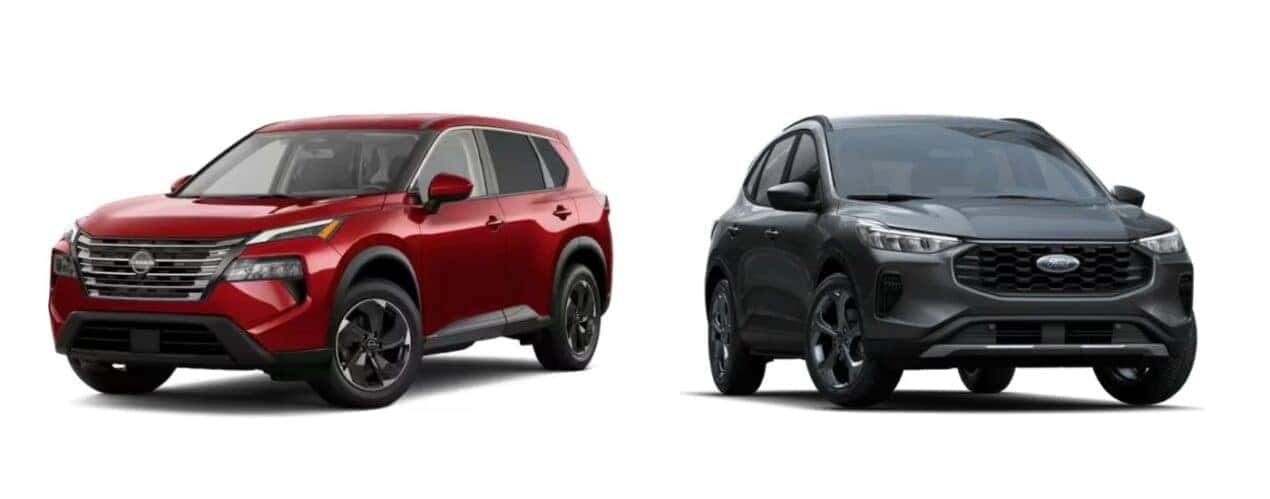
The Nissan Rogue vs. Ford Escape comparison often comes down to lifestyle alignment. The Rogue can be the better match for families who want a comfortable, soothing cabin and a practical cargo experience that feels effortless. Its personality tends to lean toward calm utility.
The Escape can be the better match for families who value responsive driving feel and a driver-focused setup. Its personality tends to lean toward energetic capability.
Neither choice is wrong. The right one is the one that makes your daily routine smoother—when you’re switching lanes, loading groceries, and trying to keep everyone comfortable without turning the drive into a negotiation.
Final thoughts: the family compact duel, resolved in your hands
In the end, the Rogue and Escape are both built for the family commute and the weekend mission. They’re compact SUVs that understand the stakes of everyday driving: comfort when the day has been long, practicality when the car is full, and safety support when attention is divided.
If you want a calm, accommodating ride with a cabin that feels like it’s designed for your routine, the Rogue can feel like a natural fit. If you want a more engaged drive experience and a technology-forward cockpit that stays ready for action, the Escape may win your heart.
Test drive both with your family’s normal rhythm in mind. Bring the mindset you’ll actually use—parking, loading, and paying attention to the details you’ll live with. Then the duel won’t be a debate. It’ll be a decision.