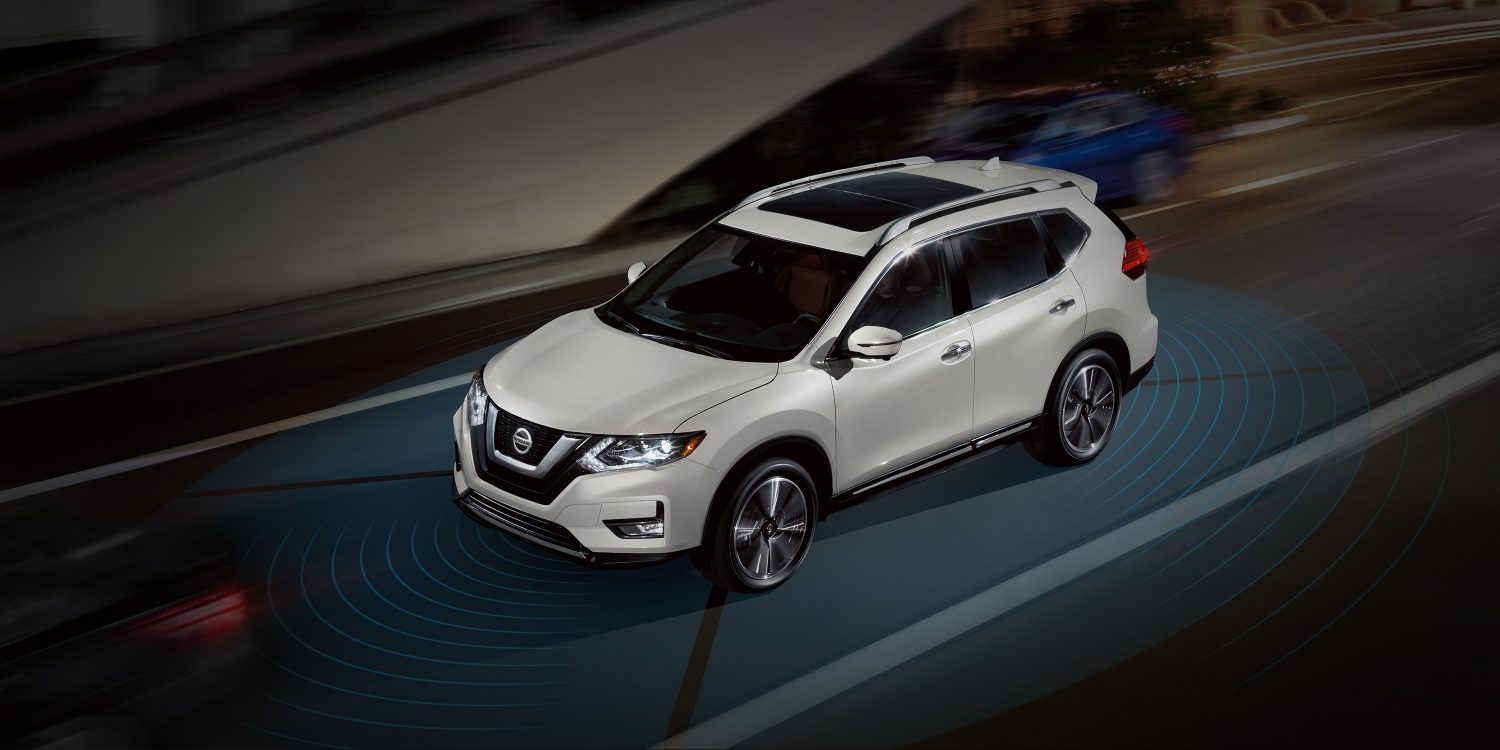
The Nissan Rogue has always carried itself like a practical compromise—capable enough for errands, composed enough for long drives, and friendly in the way it invites drivers to settle in quickly. Yet this time, the story feels subtly different. With ProPILOT Assist tested on the kind of roads where attention can be a precious resource rather than a constant strain, the Rogue begins to promise a shift in perspective. Not a transformation into a self-driving fantasy. Something more human: a quieter workload, a steadier rhythm, and the sense that the vehicle is willing to help you think less about the next second and more about the journey ahead.
Take one step closer and the Rogue’s demeanor becomes noticeably more deliberate. It’s as if the cabin is tuned to anticipation. The road stretches out. Lane markings appear like guidelines for trust. And when ProPILOT Assist wakes up, it doesn’t feel like a gimmick. It feels like a practiced companion—an assistant that knows when to hold the line, when to modulate speed, and when to give the driver the final authority.
What follows is a review of how that promise plays out in real use—how it behaves in daily traffic, how it handles curvature and changes in pace, and how the system’s confidence translates into driver comfort. Because the question isn’t simply whether ProPILOT Assist works. The question is whether it changes the way you experience time behind the wheel.
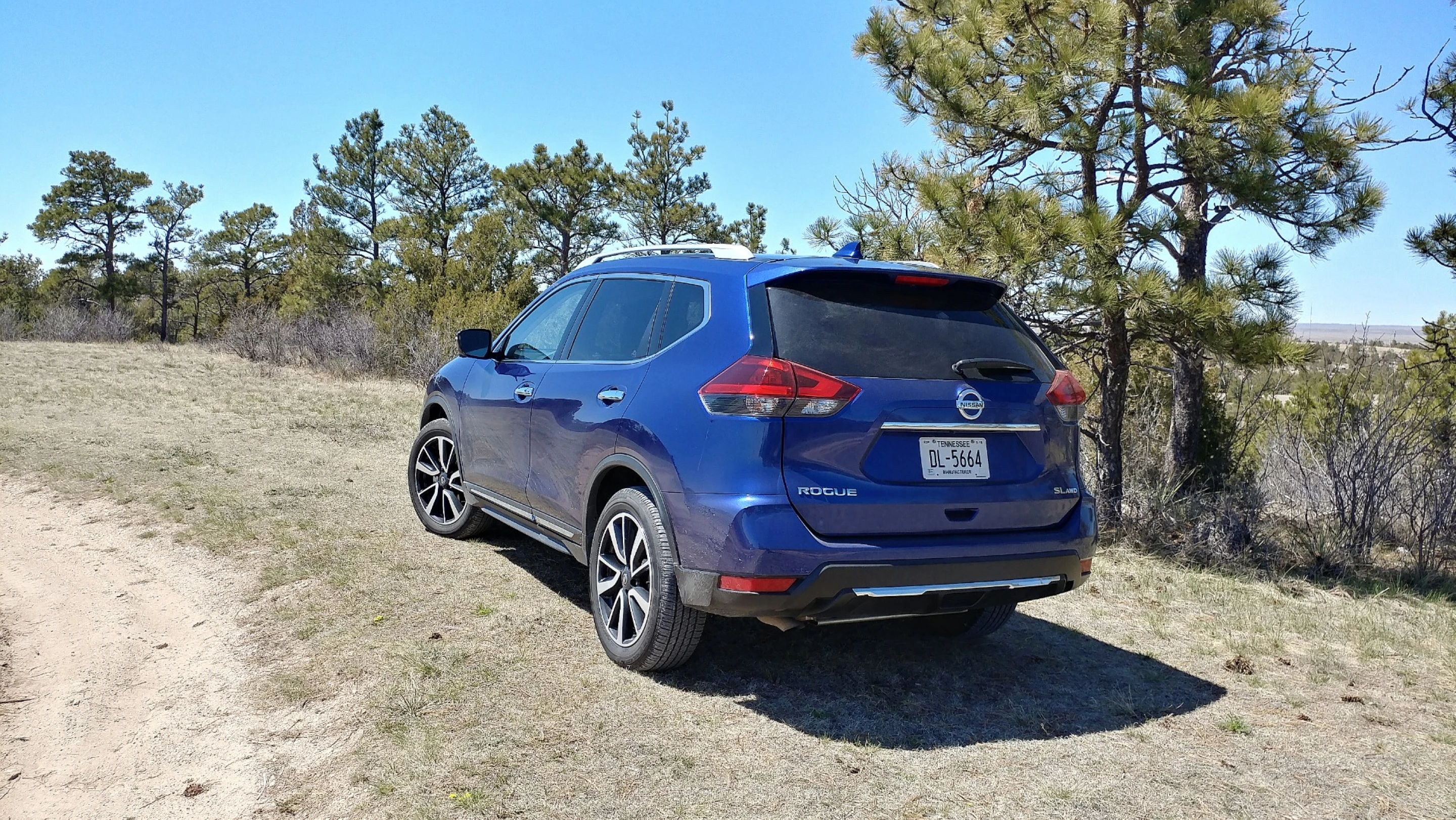
Design Intent: A Calm Cabin for a Busy World
Before ProPILOT Assist even matters, the Rogue’s layout sets the tone. Controls fall into place with sensible ergonomics. Visibility feels broad and forgiving. The seating position places you at a vantage point where the dashboard doesn’t demand constant interpretation. Instead, it offers a steady feed of information—speed, lane awareness, and driver prompts—that read like a conversation rather than an interrogation.
Here’s where a shift in perspective begins. Driving fatigue isn’t just about time. It’s about micro-decisions accumulating like static. The Rogue’s cabin reduces that static. It makes the act of staying attentive feel less like labor and more like stewardship. And when ProPILOT Assist enters the scene, the cabin’s calm temperament helps the system’s interventions feel less abrupt—and more integrated.
Understanding ProPILOT Assist: The Promise in Plain Sight
ProPILOT Assist isn’t designed to replace driving. It’s engineered to support it, often in the moments where your attention naturally narrows—such as highway commutes, steady-flow interstates, and long stretches where the road begins to resemble repetition.
In broad terms, the system aims to manage two fundamental tasks: maintaining lane position and regulating speed in relation to traffic ahead. It uses sensors and cameras to detect lane boundaries and vehicles. Then it coordinates steering and acceleration/braking support so the Rogue can remain composed at a set pace.
The intriguing part is not the feature list—it’s the psychological effect. When ProPILOT Assist behaves smoothly, the driver doesn’t feel relieved of responsibility. Instead, responsibility feels more manageable. The Rogue becomes less a source of constant vigilance and more a partner in maintaining continuity.
Highway Behavior: Where Confidence Takes Shape
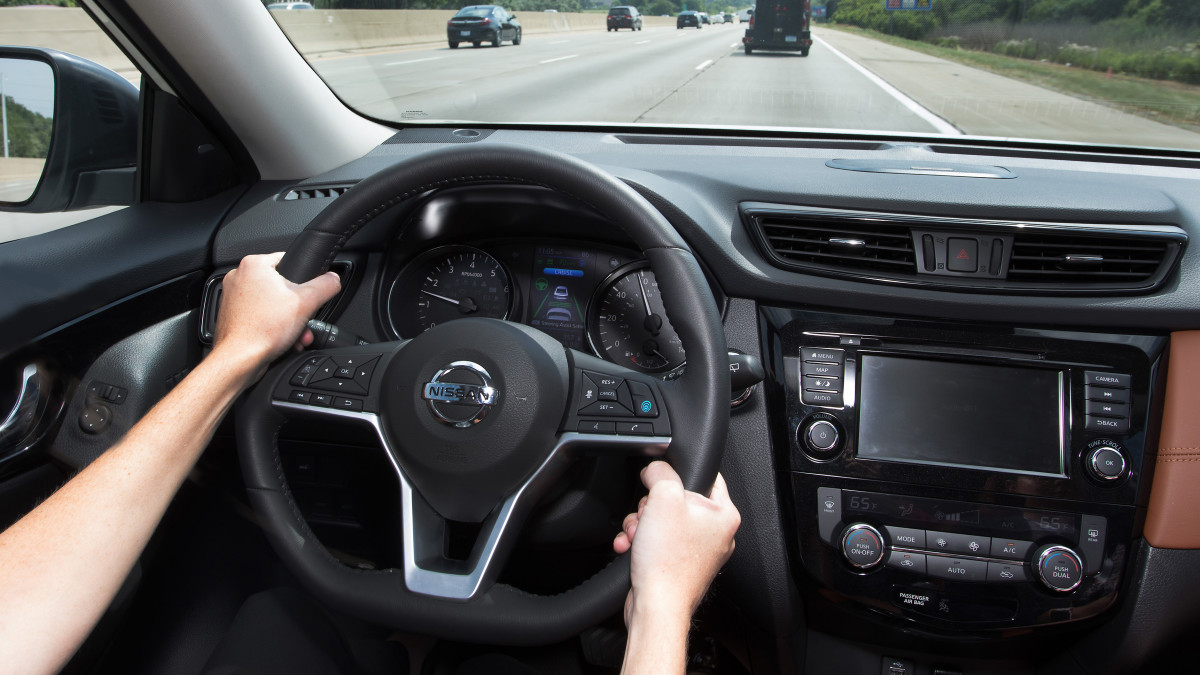
Engage ProPILOT Assist on open highways and the Rogue’s intentions become clear. Lane centering is the cornerstone. The system tracks lane lines and applies gentle steering corrections to keep the vehicle aligned. When road paint is crisp and lighting is predictable, the experience can feel eerily natural, as though the Rogue is simply “staying home” in its lane.
Speed control adds a second layer of composure. When traffic slows, the Rogue can reduce speed to maintain a safe following distance. When the road opens, acceleration back toward the set speed is typically measured rather than aggressive. This restraint matters. It prevents the system from feeling like it’s chasing the flow instead of participating in it.
Even so, curiosity remains warranted. Any driver wonders: Will it overcorrect? Will it hesitate? Will it behave oddly when the lane markings get patchy? In practice, the best moments come with clean signage and consistent lane delineation. The system’s smoothness is strongly tied to the clarity of the environment.
City and Suburban Realities: Where the Assistant Learns Boundaries
ProPILOT Assist shines most in conditions that resemble the system’s strengths—consistent roads with reliable lane visibility and traffic patterns that aren’t constantly chaotic. In more complex urban settings, the experience turns more conditional.
In stop-and-go conditions, the Rogue’s ability to modulate speed can be helpful, especially when traffic queues maintain structure. Yet city driving introduces more variables: frequent lane changes from surrounding vehicles, temporary lane markers, and glare from storefronts or overhead signals.
The key is not whether the system works everywhere—it won’t. The key is how it communicates its limits. When the system is unsure, it prompts the driver to resume active control. Those prompts become a kind of boundary-setting. They remind you that ProPILOT Assist is guidance, not destiny.
And that reminder can be reassuring. A helpful assistant still needs a human supervisor. The Rogue’s approach respects that partnership.
Response and Steering Feel: Smoothness with Personality
Steering input is where many driver-assist systems reveal their character. ProPILOT Assist generally aims for moderation—corrections that feel neither twitchy nor heavy-handed. When the Rogue shifts laterally to recenter itself, the motion tends to be subtle, almost like a slow breath.
There’s also a practical benefit to that smoothness. When steering corrections are predictable, drivers can relax their shoulders and keep their hands steady without micro-adjusting constantly. Long drives don’t just test your attention—they test your posture.
However, the Rogue still feels like a vehicle with a driver at the controls. If you choose to override or steer into a new path, the system responds according to the established logic. That responsiveness is important. It preserves the feeling that the driver isn’t fighting the car. The car assists, and you decide.
Driver Monitoring and Trust: The Human Factor
Driver-assist technology doesn’t reach maturity until it manages trust well. ProPILOT Assist’s prompts and monitoring are a reminder that the system expects active supervision. The point isn’t to nag. It’s to ensure that attention remains present—even when the drive feels easier.
When the system is engaged correctly, the prompts appear as gentle checkpoints rather than interruptions. That distinction matters because it influences how the driver’s mental model changes. Instead of constantly wondering what the vehicle is doing, you begin to anticipate how it will behave in typical scenarios.
Over time, the result can be a subtle recalibration of driving effort. The Rogue becomes less of a task and more of a ritual.
Safety Integration: Comfort That Doesn’t Forget Consequences
The most compelling aspect of ProPILOT Assist isn’t the sensation of “hands-free.” It’s the disciplined approach to staying within safe parameters. Lane centering and speed regulation reduce the probability of small, unintentional errors—those drifting moments when attention slips.
That said, safety is a system property, not a feature property. The Rogue’s supporting technologies—visibility aids, collision prevention strategies, and sensor-based awareness—contribute to a broader protective net. ProPILOT Assist feels like a thread woven into that net rather than a standalone rope you grab only when convenient.
In other words, the Rogue’s assist strategy is more coherent than theatrical. It’s designed to prevent the mundane from becoming catastrophic.
Practical Use: Which Trips Benefit Most
Think about the drives that consume your focus: interstate commutes, road trips with repetitive stretches, and days when weather is calm and lane markings are consistent. Those are the situations where ProPILOT Assist feels most meaningful.
For long-distance travel, the ability to maintain lane position while smoothing speed changes can reduce fatigue over hours. Short commutes can still benefit, but the value is less pronounced because the drive is over before the mental economy of assistance really compounds.
The Rogue encourages a particular kind of driver mindset. Instead of battling the road every second, you guide the vehicle through phases—settle, flow, adjust. That phase-based approach makes driving feel like navigation rather than reaction.
What to Watch For: Reality Checks That Keep It Honest
Even with strong performance, curiosity should remain active. Watch how the system handles faded lane lines. Notice how it reacts near construction zones or temporary barriers. Pay attention to how the Rogue behaves when traffic patterns become erratic—such as sudden cut-ins or frequent lane swaps.
These moments aren’t failures. They’re reminders that the assistant depends on inputs. When inputs are clean, the experience improves. When inputs degrade, the Rogue transitions responsibility back to you.
A well-designed assistant doesn’t pretend uncertainty doesn’t exist. It acknowledges it through behavior—smoother when confident, more cautious when conditions shift.
Verdict: A Shift in Perspective, Not a Departure from Reality
Nissan Rogue ProPILOT Assist-tested doesn’t aim to rewrite the rules of driving. It aims to soften the burden of staying within them. The system’s best moments arrive when lane markings are clear, roads are predictable, and traffic flows with a recognizable cadence. In those conditions, the Rogue delivers something surprisingly valuable: a reduction in mental friction.
That shift in perspective is subtle but profound. Driving begins to feel less like constant monitoring and more like guided continuity. You still steer. You still decide. But the Rogue helps keep the car where it belongs and the speed where it should be—so your attention can expand outward, toward the road ahead and the experience beyond it.
And if you’ve ever wondered what it would feel like to arrive without feeling wrung out, ProPILOT Assist offers a compelling preview. Not of a future where cars do everything. But of a present where technology can make the act of driving feel humanly lighter.