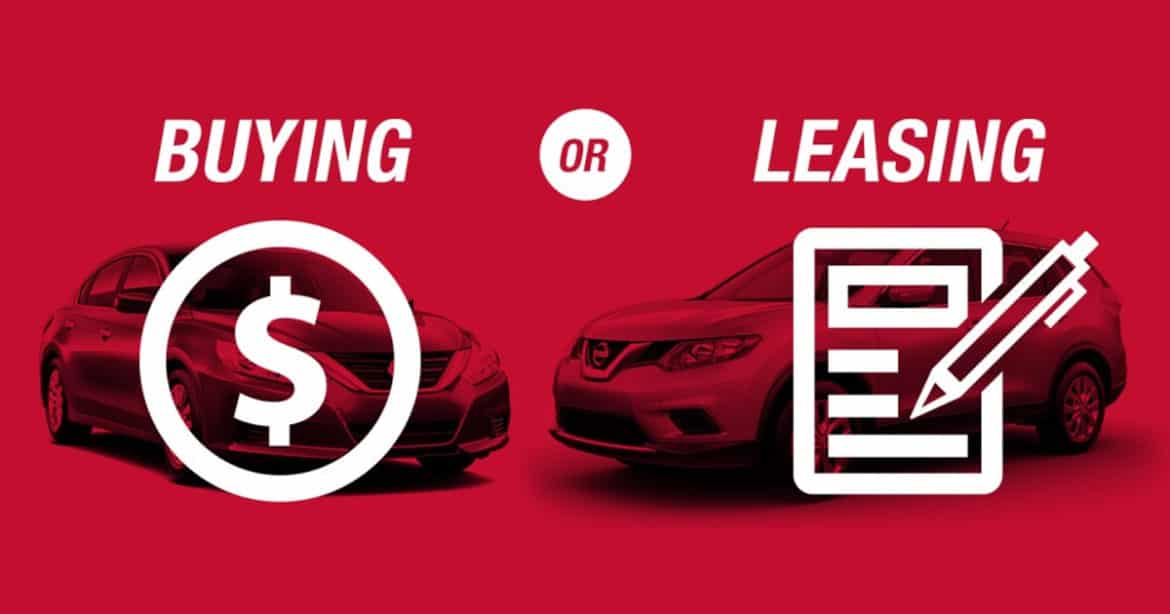
In the labyrinth of automotive decision-making, one question echoes louder than the roar of a freshly tuned engine: lease or buy? It’s a dilemma that splits driveways like a fault line, cleaving families into factions of fiscal purists and automotive romantics. Some swear by the liberation of ownership, while others revel in the sleek, ever-changing carousel of leased rides. But beneath the glossy brochures and the siren call of zero-down deals lies a deeper current—one that tugs at our collective fascination with freedom versus commitment, novelty versus permanence. Let’s peel back the layers of this modern motoring conundrum and steer toward clarity.
The Allure of the New: Why Leasing Feels Like a Never-Ending Honeymoon
Picture this: the intoxicating scent of a brand-new car’s interior, the way sunlight glints off a paint job so pristine it looks like it was airbrushed by angels. Leasing offers this euphoria on a silver platter, with the added bonus of never having to haggle over trade-in values or endure the soul-crushing depreciation of a three-year-old set of wheels. For the chronically indecisive or the serial upgraders, leasing is the automotive equivalent of a subscription box—always fresh, always exciting, and mercifully free of long-term entanglements.
But the magic of leasing isn’t just in the new-car smell. It’s in the flexibility. Need a rugged SUV for your weekend mountain escapades but a compact hybrid for your urban commute? Swap them out every two or three years like a fashionista trading seasons. Leasing allows you to dance with the latest tech—adaptive cruise control, heads-up displays, and AI-powered infotainment—without the guilt of obsolescence. It’s a playground for those who view cars as experiences rather than investments, where the thrill of the drive outweighs the burden of ownership.
Yet, this freedom comes with caveats. Mileage limits are the silent assassins of leasing dreams. Exceed them, and you’ll pay dearly—sometimes to the tune of pennies per mile, but those pennies add up faster than a lead foot on a highway. Wear-and-tear fees lurk like potholes, ready to ambush the unwary lessee who thought a few coffee stains on the upholstery were harmless. And let’s not forget the psychological cost: the nagging sense that you’re perpetually renting, never truly having the keys to your own kingdom.
The Weight of Ownership: When the Keys Feel Like Shackles
To buy a car is to plant a flag in the ground. It’s a declaration of independence, a middle finger to the revolving door of dealerships and the tyranny of monthly payments that never seem to end. When you buy, every mile you drive is yours—no limits, no restrictions, no landlord (the finance company) breathing down your neck. The resale value becomes a secondary character in your financial narrative, a plot twist that could either reward your patience or leave you nursing a bitter loss.
But ownership isn’t all sunshine and open roads. The moment you drive off the lot, your shiny new (or new-to-you) car begins its inexorable descent into depreciation purgatory. A new Nissan loses nearly a third of its value in the first year alone—a fact that haunts every proud owner who later wonders why their $35,000 investment is now worth $24,000. Maintenance costs, too, become a less predictable companion. A leased car might be covered under warranty for its entire term, but an owned vehicle? That’s a ticking time bomb of oil changes, brake jobs, and the occasional transmission rebuild that could rival a small country’s GDP.
Then there’s the opportunity cost. The money tied up in a down payment or monthly loan installments could be earning dividends in a high-yield savings account or fueling other ambitions—home renovations, travel, or even another car, if you’re the type who likes to diversify their fleet. Ownership demands discipline, a willingness to stare into the abyss of long-term financial commitment while resisting the siren call of the next shiny model.
The Hidden Currents: Taxes, Fees, and the Fine Print Tidal Wave
Beneath the surface of every lease or purchase agreement lies a labyrinth of fees, taxes, and clauses that could sink even the most buoyant financial ship. Leasing, for instance, often lures buyers with the promise of lower monthly payments, only to bury them in acquisition fees, disposition fees, and the dreaded money factor—a convoluted interest rate disguised as a decimal. Buy a car, and you’ll grapple with sales tax, registration fees, and the ever-present specter of gap insurance, which protects you if your car is totaled and you owe more than it’s worth.
And let’s not overlook the opportunity cost of equity. When you lease, you’re essentially renting the depreciation of the car. Every payment is a sunk cost, with no residual value to show for it at the end. Buy, and you’re building equity—even if it’s negative equity in the early years. That equity becomes a bargaining chip when it’s time to trade in or sell, a financial cushion that leasing simply doesn’t offer.
For the financially astute, the decision often hinges on the total cost of ownership—a metric that accounts for depreciation, interest, taxes, insurance, and maintenance over the life of the vehicle. Run the numbers, and you might discover that buying, despite the higher upfront costs, could save you thousands in the long run. Or you might find that leasing, with its lower monthly outlays, frees up cash for investments that outperform the car’s depreciation. The key is to look beyond the sticker price and into the crystal ball of your financial future.
The Emotional Equation: Freedom vs. Permanence
At its core, the lease vs. buy debate is less about spreadsheets and more about identity. Leasing appeals to the eternal optimist, the person who sees life as a series of chapters and refuses to be shackled to any one story. It’s for the dreamer who envisions themselves behind the wheel of a different car for every season—convertible for summer, SUV for winter, sedan for the daily grind. Leasing is the automotive equivalent of a timeshare in paradise: you get the highlights without the hassle of ownership.
Buying, on the other hand, speaks to the architect, the individual who values stability and legacy. It’s for the parent who wants to teach their child the value of a dollar by involving them in the car-buying process. It’s for the retiree who sees their vehicle as a companion for the road ahead, a reliable steed that won’t abandon them at the first sign of a scratch or a high-mileage year. Ownership is a commitment, a vow to see the relationship through the highs of road trips and the lows of breakdowns.
But here’s the twist: the emotional pull of leasing or buying often masks deeper desires. The leaser might secretly crave the security of ownership but fears the responsibility. The buyer might yearn for the thrill of novelty but clings to the illusion of control. Our choices on the car lot are microcosms of our broader life philosophies—experiments in how we navigate freedom and commitment, risk and reward.
Crunching the Numbers: A Reality Check for the Romantic
Let’s dispense with the romance for a moment and dive into the cold, hard math. Suppose you’re eyeing a Nissan with a sticker price of $30,000. If you lease it for three years with $2,000 down and $300 monthly payments, you’ll pay $12,800 over the term—plus any excess mileage or wear fees. At the end of the lease, you walk away with nothing but the memories (and possibly a dent in your wallet).
If you buy the same car with a 5% interest rate and $3,000 down, your monthly payment might hover around $500. Over five years, you’ll have paid roughly $33,000—but you’ll own the car outright. Sell it for $15,000 at the end of the loan, and your net cost drops to $18,000. Suddenly, the lease doesn’t look so appealing.
Of course, these numbers are fluid. Gas prices fluctuate. Interest rates rise and fall like tides. Life throws curveballs—job changes, family expansions, sudden moves. The “right” choice today might feel like a straitjacket tomorrow. That’s why it’s crucial to run multiple scenarios, factoring in your driving habits, financial goals, and tolerance for risk. Tools like lease vs. buy calculators can be your crystal ball, offering a glimpse into the financial futures you’re considering.
The Final Gear Shift: Making the Choice Your Own
So, lease or buy? The answer isn’t etched in stone—it’s written in the fine print of your life. If you value flexibility, crave the latest tech, and can stomach the idea of never truly owning your ride, leasing might be your calling. If you dream of a car that’s truly yours, warts and all, and you’re willing to weather the storms of depreciation and maintenance, buying could be your path.
But here’s the secret: the decision doesn’t have to be binary. Some drivers split the difference, buying a used car with cash and leasing a luxury vehicle for special occasions. Others opt for a lease-to-own arrangement, testing the waters before diving into ownership. The automotive world is your oyster—just be sure to shuck it with your eyes wide open.
Whichever route you choose, remember that the best car isn’t the one with the flashiest rims or the lowest monthly payment. It’s the one that aligns with your values, your lifestyle, and your future. So take a test drive—not just of the car, but of your own priorities. The open road awaits, and the perfect ride is out there, waiting for you to claim it.