In the sprawling landscape of family vehicles, where SUVs often steal the spotlight with their rugged allure and sporty silhouettes, there exists a quiet titan of comfort and practicality: the minivan. For parents of tall teenagers—or anyone who has ever endured a cramped rear seat on a long journey—minivans aren’t just a mode of transport; they’re a sanctuary of space, a bastion of legroom where knees no longer rebel against the front seatbacks. The quest for the best rear legroom in a minivan isn’t merely about fitting in; it’s about reclaiming dignity, ensuring that the backseat passenger doesn’t emerge from a two-hour drive resembling a contortionist who’s lost a bet.
Why does this matter? Because the teenage years are a crucible of growth—not just emotionally, but physically. A 6’2” teen who’s just discovered the joy of basketball isn’t going to appreciate being folded into a sedan like a lawn chair. And let’s be honest: no one wants to explain to a sullen adolescent why their legs are now permanently etched into the shape of a pretzel. Minivans with generous rear legroom don’t just accommodate; they elevate the entire family road trip experience, transforming what could be a claustrophobic endurance test into a journey where everyone—driver and passenger alike—can stretch out, relax, and maybe even enjoy the scenery.
The Science of Seatback Spacing: Why Legroom Isn’t Just a Luxury
At first glance, rear legroom might seem like a trivial metric—a number on a spec sheet that pales in comparison to horsepower or towing capacity. But for those who’ve spent hours in the backseat of a compact crossover, it’s a revelation. The magic of minivan legroom lies in its deliberate engineering. Unlike SUVs, which often prioritize cargo space or a commanding driving position, minivans are designed with the rear passenger in mind. The sliding doors, a hallmark of minivan innovation, aren’t just a convenience; they’re a spatial hack, allowing manufacturers to maximize cabin width without sacrificing entry ease.
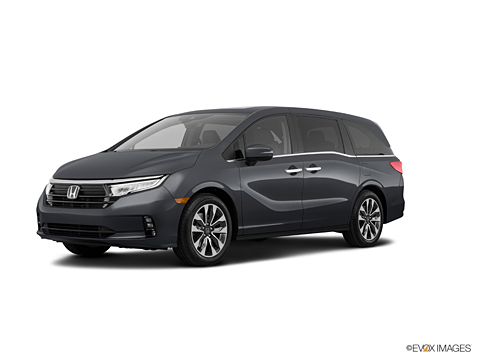
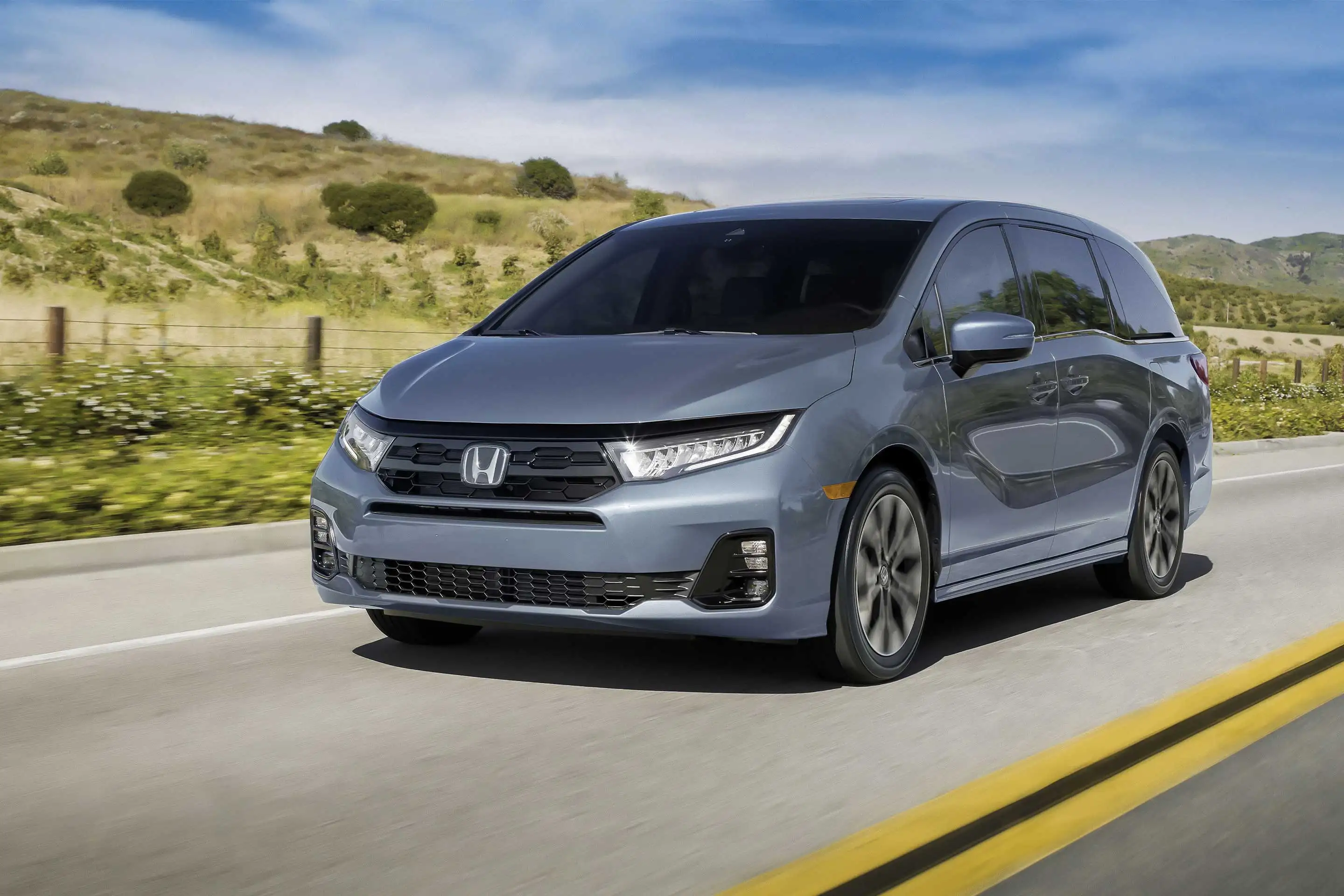
Consider the Honda Odyssey, a minivan that has long been a benchmark for rear comfort. With up to 40.9 inches of rear legroom (when the front passenger seat is slid forward), it doesn’t just meet the needs of tall teens—it anticipates them. The Odyssey’s “Magic Slide” second-row seats can be adjusted fore or aft, ensuring that even the longest-limbed passengers can find their sweet spot. But why stop at raw measurements? The real genius lies in the thoughtful details: the lack of intrusive seatbacks, the flat floor that eliminates the dreaded hump, and the optional rear entertainment systems that distract from the passage of time. It’s not just about space; it’s about reclaiming the joy of travel.
The Tall Teen Litmus Test: Real-World Comfort or Just Marketing Hype?
Every parent knows the drill: you take the minivan for a test drive, and your teen—who has spent the last year complaining about everything from the school lunch to the Wi-Fi speed—suddenly perks up. “This is actually pretty cool,” they might say, which, coming from a teenager, is the automotive equivalent of a standing ovation. But how do you separate genuine comfort from clever marketing? The answer lies in the knee-to-seatback gap, a metric often overlooked in favor of total legroom. A minivan might boast impressive numbers, but if the front seatback intrudes into your teen’s personal space, it’s all for naught.
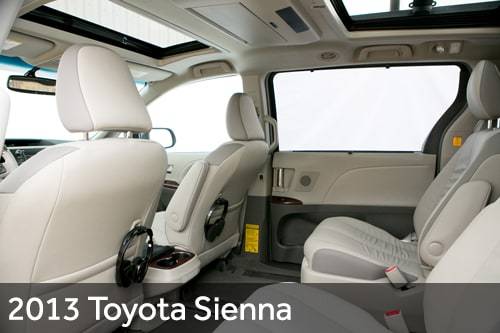
Enter the Toyota Sienna, a hybrid-powered contender that marries eco-friendliness with surprising rear comfort. With up to 39.9 inches of rear legroom, it may not dethrone the Odyssey in raw measurements, but its hybrid system frees up space by eliminating the need for a bulky transmission tunnel. The result? A flat, obstruction-free floor where even the most vertically gifted passengers can recline without fear of impaling themselves on the seat in front. And let’s not forget the Sienna’s available captain’s chairs in the second row, which offer adjustable recline and even footrests—a feature that turns the backseat into a first-class lounge.
Beyond the Numbers: The Subtle Art of Minivan Ergonomics
Legroom is only part of the equation. True rear-seat comfort is a symphony of factors, from seat cushion depth to headrest positioning. A minivan with cavernous legroom is useless if the seats themselves are as supportive as a pile of pancakes. That’s where models like the Chrysler Pacifica shine. Its “Stow ‘n Go” seating system isn’t just about flexibility; it’s about creating a rear cabin that adapts to the passenger, not the other way around. Need more legroom? Slide the second-row seats all the way back. Want to haul a mountain bike? Fold the seats flat in seconds. The Pacifica’s genius lies in its refusal to be boxed in by rigid configurations.
But ergonomics extend beyond mere adjustability. The Kia Carnival, often dismissed as a budget-friendly alternative, packs a surprising punch with its VIP Lounge Second Row. This isn’t your average bench seat; it’s a pair of captain’s chairs with power adjustments, heating, and even a console with cupholders and storage. For a tall teen, the ability to recline the seat or adjust the lumbar support isn’t just a nicety—it’s a necessity. And let’s not overlook the Carnival’s panoramic sunroof, which bathes the rear cabin in natural light, making even the longest drives feel less like a chore and more like a first-class experience.
The Unspoken Perks: Why Minivans Are the Ultimate Family Time Machines
There’s a deeper reason why minivans with superior rear legroom resonate with families: they’re not just vehicles; they’re time machines. They transport you back to an era when road trips were adventures, not endurance tests. When your teen can sprawl across the backseat with a tablet, a snack, and a playlist, they’re not just avoiding the dreaded “Are we there yet?” Instead, they’re creating memories—memories that don’t involve a parent’s elbow in their ribs or a sibling’s foot in their face.
Consider the Volkswagen ID. Buzz, an electric minivan that reimagines the classic VW bus for the modern era. With its retro-futuristic design and spacious interior, it’s a rolling testament to the idea that family travel doesn’t have to be a compromise. The ID. Buzz’s sliding doors and flat floor aren’t just nods to the past; they’re a promise for the future—a future where no one has to choose between comfort and style.

The Bottom Line: Investing in Peace of Mind (and Fewer Sibling Fights)
At the end of the day, choosing a minivan with the best rear legroom isn’t just about satisfying a tall teen’s need for space—it’s about investing in harmony. It’s about reducing the friction that arises when one child claims the window seat and the other suddenly discovers the laws of physics no longer apply to their knees. It’s about ensuring that when your family piles into the car for a weekend getaway, the only complaints you hear are about the snacks, not the seating.
So, if you’re in the market for a minivan, don’t just look at the cargo capacity or the infotainment system. Dig into the rear legroom numbers. Test the seat comfort. Ask your teen to take the backseat for a spin—preferably on a long drive where their comfort (or lack thereof) will become glaringly apparent. Because in the grand tapestry of family life, a minivan with generous rear legroom isn’t just a vehicle; it’s a peace offering, a silent promise that no one will have to endure another cramped journey in silence.
After all, the best family memories aren’t made in the front seat. They’re made in the back—where there’s room to breathe, to relax, and to just be.