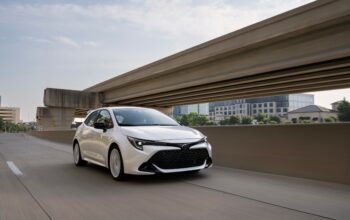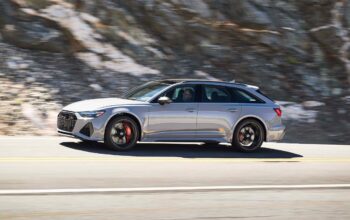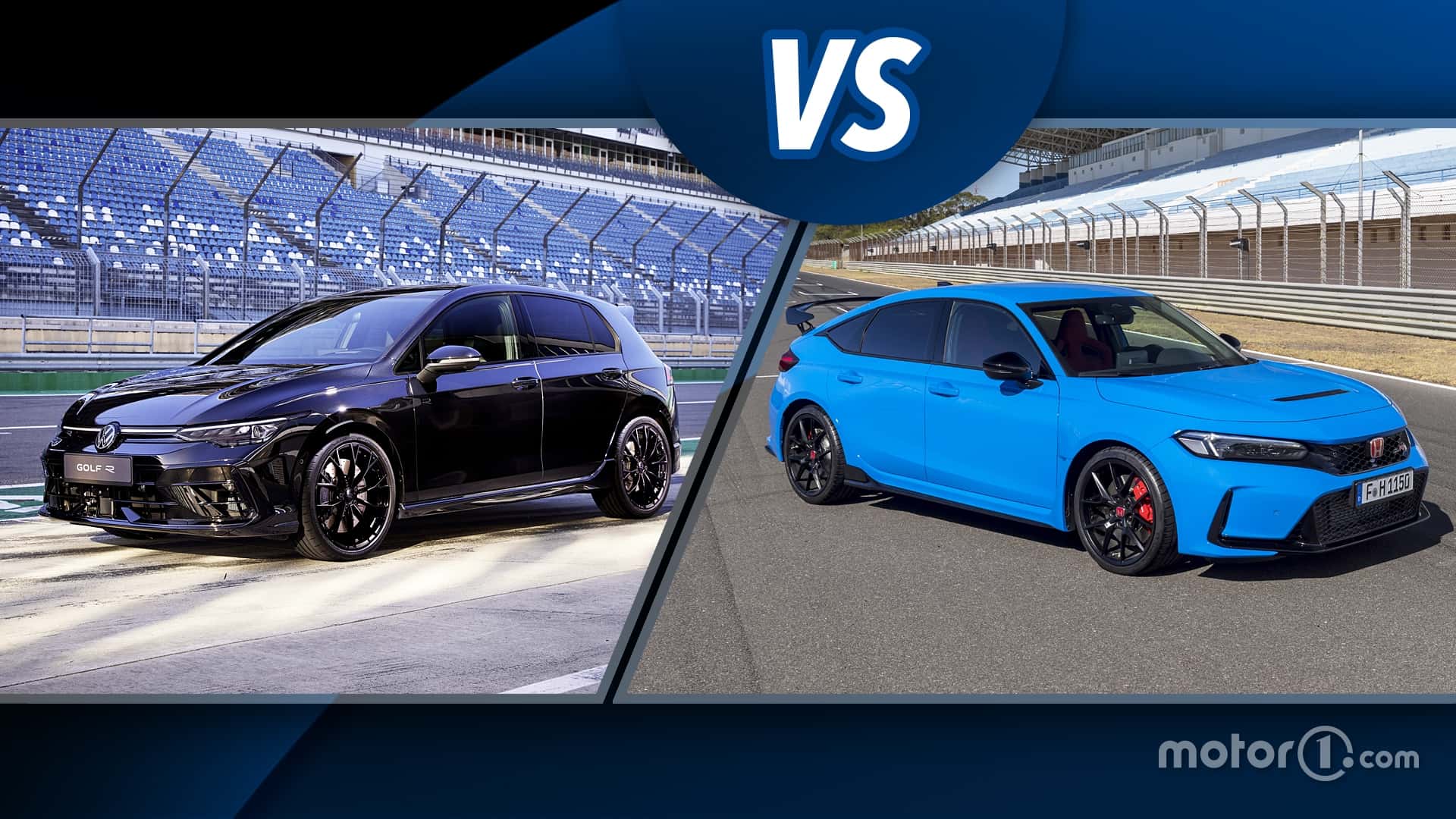
The 2026 Volkswagen Golf R and the 2026 Honda Civic Type R are the kind of machines that don’t just promise performance—they invite you to chase it. Yet beneath the familiar hatchback silhouette lies a fundamental philosophical split. One leans into engineering symmetry and traction confidence with all-wheel drive (AWD). The other embraces a sharper, lighter front-driven character with front-wheel drive (FWD). That difference isn’t just a drivetrain footnote; it changes how the cars feel at the steering wheel, how they behave mid-corner, and even what kind of “fun” they deliver when the pavement turns moody.
In this face-off—AWD vs FWD, German precision versus Japanese intensity—there’s plenty to unpack. Expect a tour through handling personality, power delivery, braking drama, real-world usability, and the emotional pull of each badge. And because modern performance cars are rarely just about straight-line numbers, you’ll also find what to look for in daily driving, tire wear, and long-term ownership. Let’s get into it.
Drivetrain DNA: Why AWD and FWD Change Everything
Start with the drivetrain, because it’s the hidden architect of your experience. The Golf R’s AWD system is designed to manage torque distribution with a degree of composure that can feel almost surgical. When traction drops—wet roads, patchy asphalt, or an on-ramp with questionable surface—AWD tends to provide earlier grip and a steadier acceleration trajectory.

The Civic Type R, by contrast, is a devoted FWD hot hatch. That’s not a compromise in the usual sense; it’s a deliberate choice to sharpen feedback. FWD naturally weights the front axle with more responsibility during hard launches and corner exits. The steering can feel more communicative, but traction is also more sensitive to tire temperature and surface conditions. In practice, the Type R can feel more “alive” when pushed, with a certain inevitable tension under load.
In short: the Golf R often offers repeatable speed, while the Type R often offers engaged speed. Both are quick. They just chase quickness differently.

Power Delivery: Throttle Response, Traction Mapping, and Feel
Both cars sit in that coveted modern performance zone where power arrives in a way that feels usable. But their delivery styles diverge the moment you demand torque.
The Golf R’s AWD setup can translate power into motion with a more controlled onset. You may notice fewer “wait—then-go” moments, and more immediate traction under acceleration. The car’s traction management can smooth out the chaos, particularly when you’re applying throttle mid-corner or exiting onto a damp stretch of roadway.
The Civic Type R’s FWD character means the front tires do more work. On a clean, grippy day, the response can feel crisp and urgent. On less forgiving surfaces, the driver often becomes more involved—modulating throttle, managing wheelspin, and reading the tires like a second steering wheel.
Long story short: the Golf R can feel like it’s grasping traction with confidence; the Type R feels like it’s arguing for traction—and asking you to help it win.
Cornering Behavior: Mid-Corner Balance and Exit Dynamics
Cornering is where AWD and FWD personalities announce themselves. The Golf R typically enjoys a more stable platform during quick direction changes. With power delivered across both axles, the car can maintain composure when the chassis is loaded and your inputs aren’t perfectly textbook.
That said, stability doesn’t automatically mean boring. The Golf R’s balance often feels mature: the nose may feel precise, the body control confident, and the exit behavior predictably quick. It can make you feel like a momentum accountant—every corner contributes to a clean, repeatable lap rhythm.
The Civic Type R is a different kind of instrument. Under hard cornering, the front-driven architecture can create a more pronounced shift in load at the front axle. This can bring a sense of theatre: the car reacts, communicates, and sometimes demands finesse. If you’re the type who enjoys weight transfer and steering nuance, the Type R can feel rewarding in a way that’s harder to quantify.
Think of it this way: the Golf R rewards confidence. The Civic Type R rewards craft.
Steering and Chassis Tuning: Feedback vs Isolation
Steering is emotion in mechanical form. The Civic Type R tends to emphasize a tactile relationship between driver and front tires. The feedback can be vivid, sometimes even sharp. Over rough pavement, the front axle’s workload can produce a more noticeable texture through the wheel, which enthusiasts often interpret as honesty.
The Golf R, with AWD and its broader stability strategy, often feels slightly more buffered. It can deliver a composed sensation even when the surface is chaotic. The steering may feel less “raw,” but that often translates into confidence at the limit—especially when you’re experimenting with braking points or corner entry speed.
Neither approach is objectively better. One is sensory, the other is steadfast. Your preference will likely reflect how you like to drive when no one’s watching.
Braking Performance: Pedal Logic and Confidence Under Heat
Hard braking tests more than stopping distance; it tests system endurance. In spirited use, brakes must manage heat, maintain pedal feel, and avoid fade-induced anxiety.
The Golf R’s overall traction advantage can influence brake confidence too. With AWD helping keep the car planted under deceleration and throttle transition, many drivers experience a smoother feel from braking into corner entry. That can reduce the mental load when you’re pushing repeatedly.
The Civic Type R can also be extremely capable, but because it’s FWD, brake-to-rotation behavior can feel more dramatic. The front tires are doing more than braking—they’re also setting the stage for turn-in. When everything is in the right temperature window, that drama becomes delight.
Expect both cars to deliver enthusiast-grade stopping power. The nuance is in how quickly you trust them when you’re stacking multiple aggressive runs.
Ride Quality and Daily Usability: Two Kinds of Comfort
Performance doesn’t live only on track days. It lives in potholes, commuting traffic, and the subtle fatigue you feel after a long drive.
The Golf R typically aims for an everyday-friendly performance balance. Even with sport-oriented tuning, its chassis may feel more composed over uneven surfaces. That can make it feel like a “go anywhere” hot hatch—equally capable of lively city bursts and highway cruising.
The Civic Type R often feels taut in a way that enthusiasts either love instantly or find a bit uncompromising. The ride can be firm, and you may notice more road texture at speed. That’s not always bad; it can keep you alert and connected. But if comfort is a priority, it helps to test-drive over real-world road imperfections.
Daily usability isn’t just about softness. It’s about how quickly you settle into the car’s rhythm.
Technology and Driver Experience: Infotainment, Assist Features, and Controls
Modern performance cars come with an increasingly layered cockpit. Driver-assistance tech can reduce fatigue on commutes, while performance-focused modes help transform the character of throttle response, steering weight, and traction behavior.
Both the Golf R and Civic Type R bring an enthusiast-first mindset to the interior, but the experience may feel different. The Golf R often emphasizes a polished, multifunction-driven approach—controls that make it easy to switch between daily normality and spirited intent. The Civic Type R tends to feel more direct, with an environment built to support aggressive driving habits and clear driver communication.
Look for details like button placement, responsiveness of infotainment, and whether the cabin encourages confident, quick input. A great hot hatch should feel like an extension of your timing, not a separate system you have to manage.
Tires, Wear, and Operating Costs: The Unsexy Truth
When you buy a performance car, you also buy a relationship with tires. The AWD Golf R may use tires differently because torque distribution and traction management can change how load is applied. The Civic Type R’s FWD setup often translates to front tires doing more work, especially when you frequently accelerate hard or drive spiritedly in cooler weather.
Both cars are sensitive to tire choice. A performance tire can sharpen grip and reduce wheelspin drama, while a worn or mismatched set can turn confidence into correction. If you’re the kind of driver who enjoys the edge, budgeting for tires sooner than a family sedan is smart.
Fuel economy will vary widely with your enthusiasm. Drive them gently and you’ll be pleasantly surprised. Attack every on-ramp and the numbers will surrender quickly.
Ownership and Longevity: Reliability, Maintenance Rhythm, and Resale Logic
Ownership is where emotion meets practicality. Performance cars invite more stress cycles: higher thermal loads, frequent hard acceleration, and brake and tire usage that outpaces commuter norms.
To judge longevity, consider maintenance intervals, availability of parts, and the quality of dealer support in your area. Both brands generally have solid reputations, but the experience depends on how the car is cared for, not just how it’s built.
Resale value often follows desirability and brand momentum. Hot hatches with strong community followings tend to retain interest. The trick is choosing the car that matches your driving habits so you’ll maintain it properly and enjoy it long enough to maximize its value in your life.
So, Which One Should You Choose? A Clear Decision Framework
If you crave traction confidence, predictable acceleration on imperfect surfaces, and a composed sense of stability—especially for mixed weather driving—the Volkswagen Golf R AWD is an easy argument. It’s built for drivers who want speed with less drama, repeatability with fewer surprises.
If you want a more intimate driving relationship, steering feedback that feels sharp, and the kind of front-driven engagement that rewards timing and throttle discipline, the Honda Civic Type R FWD is likely the more satisfying companion. It’s for drivers who enjoy shaping the car rather than simply directing it.
Think of it like this: choose the Golf R if you want confident momentum. Choose the Civic Type R if you want tactile involvement.
Final Thoughts: The Joy of Choosing Your Kind of Fast
The 2026 Golf R and Civic Type R represent two competing definitions of performance. One uses AWD to tame uncertainty and magnify grip. The other uses FWD to sharpen engagement and amplify driver responsibility. Neither approach is merely theoretical; both are felt every time you turn in, modulate throttle, and decide whether to be cautious—or boldly theatrical.
After you drive them back-to-back, you’ll probably stop thinking in acronyms. You’ll start thinking in sensations: how the tires talk, how the chassis settles, and how the car makes you feel when the road opens up. That’s the real reason these hot hatches matter. They don’t just transport you—they transform the way you experience speed.