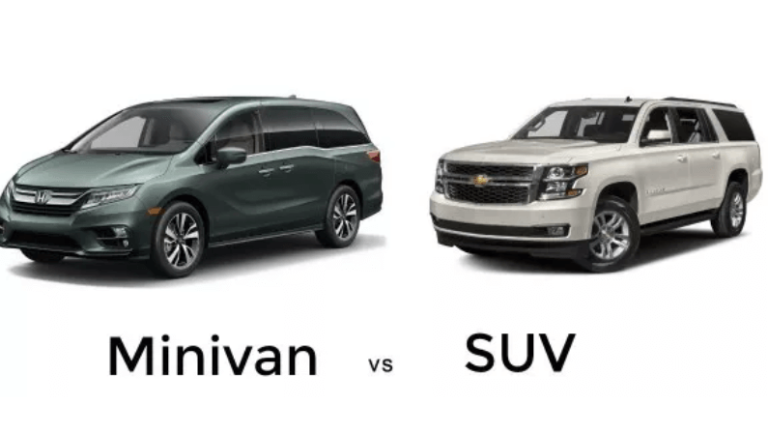
Picture this: You’re standing in a parking lot, keys in hand, staring at two titans of the road—one a sleek, towering SUV with a commanding presence, the other a humble minivan, its sliding doors whispering promises of effortless family logistics. The question isn’t just about which vehicle turns heads; it’s about which one actually *delivers*—literally. When the rubber meets the road, and the backseat is stacked with camping gear, sports equipment, or a week’s worth of groceries for a family of six, which of these automotive juggernauts truly reigns supreme in the cargo-hauling arena? The answer might surprise you. Forget the stereotypes. This isn’t just about space—it’s about versatility, efficiency, and the unspoken art of maximizing every cubic inch of your vehicle’s potential. Let’s dive into the heart of the matter: Minivan vs. Full-Size SUV—Which Hauls More?
The Great Cargo Showdown: Raw Numbers Don’t Lie
At first glance, the numbers seem to favor the full-size SUV. With cavernous cabins and cavernous cargo bays, models like the Chevrolet Tahoe or Ford Expedition boast up to 120 cubic feet of space behind the second row. That’s enough to swallow a small refrigerator—or three. But here’s where the plot thickens: those numbers often assume the rear seats are folded flat, a configuration that’s about as practical as a screen door on a submarine when you’re schlepping kids to soccer practice every weekend. Enter the minivan, the unsung hero of family logistics. A well-designed minivan like the Toyota Sienna or Honda Odyssey offers up to 101 cubic feet of cargo room with the seats folded, but its genius lies in its adaptability. Sliding doors open wide, rear seats fold flat with a flick of a lever, and the floor is often lower, making it easier to slide heavy items in and out. The result? A vehicle that can transform from a people-mover to a cargo beast in seconds, often with less fuss than wrestling a sofa into a hatchback.
But wait—there’s more. Consider the usable space. SUVs often have high load floors, which means lifting a 50-pound cooler onto the cargo deck requires the agility of an Olympic athlete. Minivans, with their lower floors, turn this Herculean task into a simple bend-and-lift operation. And let’s not forget the sliding doors. In tight parking spots or crowded driveways, those doors are a game-changer, eliminating the need to perform a three-point turn just to access the back. The numbers might favor the SUV on paper, but in the real world, the minivan’s design often makes it the more practical choice for everyday hauling.
Beyond the Cubic Feet: The Hidden Dimensions of Hauling
Cargo capacity is just one piece of the puzzle. What about the shape of that space? A full-size SUV’s cargo area is typically a tall, rectangular box—ideal for bulky items like skis or a towering stack of moving boxes. But try fitting a stroller, a car seat, and a week’s worth of groceries in there, and suddenly, the SUV’s cavernous void feels less like a storage unit and more like a black hole. Minivans, with their lower, wider cargo bays, are designed with family life in mind. The floor is often flat, the side walls are vertical, and the sliding doors create a wide, unobstructed entry point. This means you can load a double stroller, a cooler, and a duffel bag of soccer gear without having to disassemble anything. It’s the difference between playing Tetris in a gymnasium versus playing it in a well-organized closet.
Then there’s the matter of accessibility. Ever tried loading a bike into the back of an SUV? Unless you’re a contortionist or own a roof rack, it’s a two-person job involving grunts, groans, and the occasional curse word. Minivans, with their low floors and wide openings, turn this chore into a one-person operation. The same goes for groceries. A full cart of bags from the supermarket? No problem. A minivan’s sliding doors and low lift height make it a breeze. SUVs, with their higher load floors and narrower openings, often require a second trip—or a gym membership to compensate for the extra effort.
The Weight of the Matter: Payload and Towing Prowess
If your hauling needs extend beyond the backseat, the full-size SUV suddenly becomes the more compelling option. Need to tow a camper trailer, a boat, or a trailer full of ATVs? A Tahoe or Expedition can handle payloads of up to 1,800 pounds and tow up to 9,000 pounds when properly equipped. Minivans, while not slouches in the towing department (the Toyota Sienna can tow up to 3,500 pounds), are generally limited by their lower power outputs and smaller frames. But here’s the catch: most families don’t need to tow a horse trailer on a weekly basis. For the average parent ferrying kids to school, sports, and playdates, the minivan’s payload capacity—typically around 1,500 pounds—is more than sufficient. The real question isn’t about maximum towing; it’s about what you’ll actually use. And for most people, the minivan’s balance of space, efficiency, and ease of use outweighs the SUV’s brute-force capabilities.
Fuel economy is another factor where the minivan often outshines its taller cousin. A full-size SUV’s V8 engine might deliver impressive towing power, but it also guzzles gas like a teenager at an all-you-can-eat buffet. The minivan, with its more efficient powertrains (especially in hybrid models like the Chrysler Pacifica Hybrid), sips fuel while still offering ample space. Over the course of a year, that difference can translate to hundreds of dollars saved at the pump—and a lighter footprint on the planet.
The Unspoken Perks: Comfort, Convenience, and the Art of Effortless Living
Let’s talk about the experience of hauling. Loading and unloading a minivan is a study in ergonomic bliss. The low floor, wide doors, and thoughtful storage compartments mean you’re not wrestling with a mountain of gear every time you open the back. SUVs, with their higher floors and narrower openings, turn this simple task into a workout. And don’t underestimate the psychological impact of sliding doors. In a minivan, you’re not performing a parkour routine just to access the rear seats. The doors glide open with a gentle push, and the space inside is designed to accommodate real-life scenarios—think car seats, strollers, and grocery bags—without requiring a PhD in spatial reasoning.
Then there’s the matter of versatility. A minivan isn’t just a people-hauler; it’s a chameleon. Need to transport a wheelchair? The lowered floor and wide openings make it a breeze. Hauling a week’s worth of costumes for a school play? The minivan’s interior is easily reconfigured to fit oddly shaped items. SUVs, while spacious, often lack this level of adaptability. Their cargo areas are designed for bulk, not nuance. The minivan, by contrast, is the Swiss Army knife of vehicles—equally adept at ferrying kids to soccer practice, hauling a load of mulch for the garden, or serving as a mobile office during a road trip.
Breaking the Stereotypes: Why the Minivan Might Be Your Secret Weapon
Society has a way of pigeonholing vehicles into rigid categories, and minivans have long suffered from an unfair reputation. They’re the butt of jokes, the punchline in sitcoms, the vehicle that screams “I’ve given up on life.” But here’s the truth: the modern minivan is a marvel of engineering, blending space, efficiency, and comfort in ways that few other vehicles can match. The Honda Odyssey, for example, features a “Magic Slide” second-row seating system that allows you to adjust the seats for optimal cargo space or passenger comfort. The Toyota Sienna offers available all-wheel drive, making it a capable choice for families in snowy climates. And the Chrysler Pacifica? It comes with a built-in vacuum cleaner—a feature that turns the act of cleaning up after a road trip from a chore into a luxury.
Meanwhile, the full-size SUV, for all its brawn, often feels like overkill for the average family’s needs. It’s the automotive equivalent of wearing a tuxedo to a barbecue—impressive, but not entirely practical. The minivan, on the other hand, is the unsung hero of the car world. It’s the vehicle that makes life easier, not harder. It’s the one that doesn’t require a crane to load a bike rack or a degree in engineering to fold down the seats. And in a world where time and convenience are the ultimate luxuries, that’s a game-changer.
The Final Verdict: Which Vehicle Truly Hauls More?
So, which vehicle emerges victorious in the battle of cargo capacity? The answer depends on what you value most. If you’re a weekend warrior who needs to tow a camper trailer or haul a fleet of ATVs, the full-size SUV is your best bet. Its raw power and towing capacity are unmatched. But if your hauling needs are more pedestrian—think groceries, sports equipment, and the occasional furniture run—the minivan is the clear winner. Its adaptability, ease of use, and thoughtful design make it the more practical choice for everyday life. It’s the vehicle that doesn’t just haul cargo; it hauls your life with grace and efficiency.
Perhaps the real question isn’t which vehicle hauls more, but which one makes your life easier. The minivan might not turn heads on the highway, but it’ll save you time, energy, and headaches every time you open its sliding doors. And in the end, isn’t that what truly matters?
Next time you find yourself standing in a parking lot, keys in hand, staring at two automotive titans, remember this: the vehicle that hauls more isn’t just the one with the bigger numbers. It’s the one that fits seamlessly into your life, transforming the mundane into the manageable and the chaotic into the controlled. Choose wisely—and may your cargo always fit on the first try.