There’s a peculiar little moment that happens every time someone watches a modern car “drive itself” for a stretch of road. You see it in the eyes first—then in the questions. Can it do that in a hatchback? The common observation is simple: hatchbacks are everywhere, practical and affordable, yet the headline-grabbing technology seems to arrive first in luxury sedans and larger SUVs. But that assumption only scratches the surface. The deeper story is about cost architecture, sensing strategies, regulatory choreography, and—perhaps most intriguingly—why people feel so irresistibly drawn to the idea of hands-free motion in everyday cars.
So let’s linger here. Are there hatchbacks with hands-free driving? The answer is more nuanced than a quick yes or no. And the nuance reveals why this topic has such magnetic appeal.
Why hatchbacks feel “left out” of the hands-free conversation
Hatchbacks sit in a fascinating design pocket. They prioritize agility, visibility, and packaging efficiency. Manufacturers tune them for daily life: tight parking, errands, school drop-offs, and commutes that never fully switch off. Meanwhile, hands-free driving systems are sensor-heavy and compute-demanding—requirements that can conflict with the “compact cost” mindset.
In many lineups, the earliest advanced driver assistance packages debut on higher-margin trims, often in flagship or near-flagship models. Those vehicles can justify a wider range of hardware—more robust radar placements, enhanced camera modules, and additional processing. A hatchback may eventually get the same software capability, but it often arrives later, sometimes as a carefully selected option rather than a default offering.
That delay can create the impression that hatchbacks “can’t” do it. Yet what’s really happening is a phased roll-out. Car companies don’t just build features; they manage supply chains and validate safety performance. Hands-free driving is not a party trick—it’s an engineering commitment that demands patience.
“Hands-free” doesn’t mean “no involvement”: a reality check
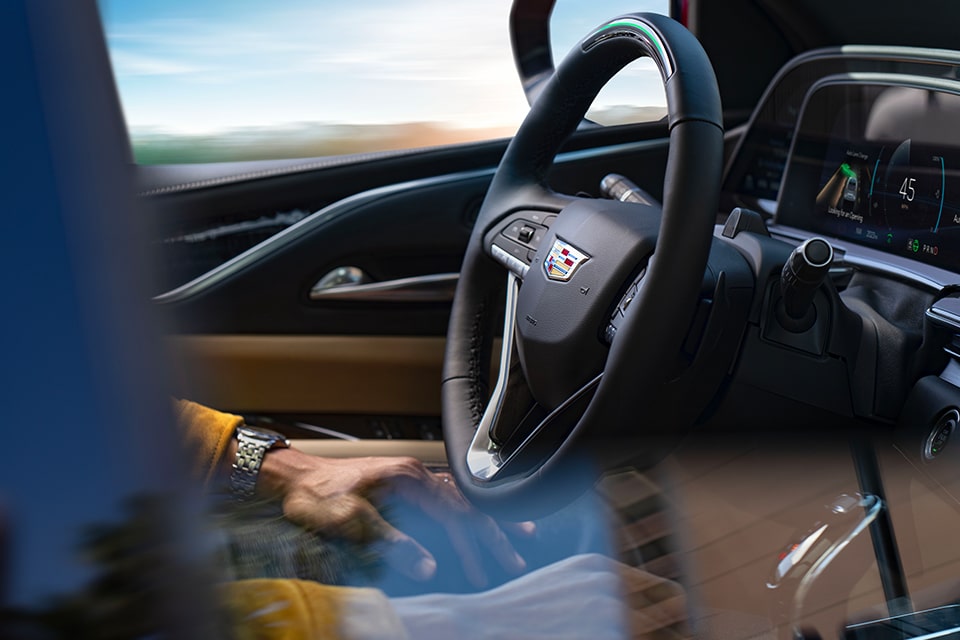
One reason fascination persists is that people hear “hands-free” and imagine a fully autonomous bubble. But hands-free driving is usually framed as driver-assist, not driver replacement. In practical terms, the car can manage steering and lane centering under specific conditions while the driver remains responsible. Many systems require intermittent steering wheel torque, attention monitoring, or confirmation prompts.
That means a hatchback with hands-free features isn’t turning into a sci-fi chariot. It’s more like a vigilant co-pilot with a strong sense of lane geometry. The experience can still feel astonishing. A long highway stretch becomes calmer. You can stretch your shoulders. You can stop wrestling the wheel every moment. But your awareness stays engaged—like an orchestra conductor who still listens for cues.
Where hands-free systems show up first: highways, not backroads
Another common observation is that people rarely see hands-free behavior in dense cities or complex streets. That’s not because the concept is flawed; it’s because the environment is chaotic. Hands-free systems tend to shine on mapped, well-marked routes: multi-lane highways, consistent lane markings, predictable traffic flows, and limited sudden behavior from surrounding vehicles.
Hatchbacks often spend more time in urban environments, which is exactly where sensor interpretation becomes harder. Poor lighting, temporary construction zones, confusing lane paint, and erratic pedestrian movement reduce the “confidence” margin. Most manufacturers therefore deploy hands-free capability conservatively—starting with highway conditions where performance can be validated repeatedly.
Still, the obsession deepens when you realize what people want is not only autonomy, but reduction of workload. When that workload drops on a highway commute, the technology feels like liberation even if it’s not universal everywhere.
Hatchbacks that may offer hands-free driving: what to look for
Not every hatchback with advanced driver assistance is a hands-free candidate. The key is to identify the specific capability package rather than relying on general features like “adaptive cruise control” alone. Look for wording such as:
• Lane-centering with driver monitoring (the car maintains lane position without constant steering input).
• Hands-free highway driving support (often explicitly tied to highway or limited-access roads).
• Attention and disengagement logic (the system watches for the driver’s readiness to take over).
In many markets, the distinction is subtle but crucial. Adaptive cruise control may manage speed; lane centering may smooth steering. Hands-free is typically the combination of these with additional logic—and with steering wheel torque or camera-based monitoring to keep humans in the loop.
Because feature naming differs by brand and region, buyers often need to compare “trim + package” specifics. The practical advice: verify whether the system supports hands-free operation, not just “cruise control” or “lane assist.” That one difference turns a novelty into a genuine lifestyle improvement.
The deeper reasons hatchback owners want it anyway
Here’s the fascination under the fascination: hatchbacks represent everyday independence. They’re the car you can afford to use freely. They’re the car that doesn’t require a luxury budget to feel like you have momentum. When hands-free driving appears in this segment, it signals a democratization of comfort and safety.
There’s also a psychological angle. Many people experience modern driving as cognitive load: scanning mirrors, judging gaps, watching for brake lights, and anticipating unpredictable behavior. Hands-free systems—when they work—reduce that load. The driver can shift from frantic micromanagement to calmer situational awareness. Even if the car still demands attention, the rhythm changes. And rhythm is addictive.
Hatchbacks amplify that emotional payoff. Their compact maneuverability already reduces stress in parking lots and narrow streets. Pair that with highway easing, and the car starts to feel like an ergonomic tool rather than a mechanical chore.
How tech gets into smaller cars: sensor placement and cost trade-offs
Why don’t all hatchbacks launch with the same sophistication? Because hardware placement is not a simple “install part, done” situation. Smaller vehicles constrain space. Cameras and radar need clean lines of sight, stable mounting points, and calibration allowances for different bumpers and trim variations.
There are also cost trade-offs. A company might choose fewer sensors at first, relying on software improvements and careful calibration. Over time, that strategy can mature into broader capability. But early models may offer “assist” rather than full hands-free authority.
Think of it like cooking. You can have the best ingredients, but if the oven is smaller, you adjust the recipe. Manufacturers similarly adjust system architecture to fit the vehicle’s dimensions, styling, and pricing strategy.
Regulations and market differences: why “hands-free” is not one universal feature
The word “hands-free” is a magnet term, but legal definitions vary by region. Some markets emphasize driver responsibility with stricter monitoring requirements. Others may allow more permissive behavior on specific roadway types. That means a hatchback could offer strong driver-assistance capability in one country and more limited functionality elsewhere.
So when someone claims “there are no hands-free hatchbacks,” they may be speaking from a narrower definition—or from a specific region’s product lineup. The truth is distributed across regulations, packaging decisions, and rollout timelines.
What to expect in day-to-day use: comfort, confidence, and boundaries
A hands-free hatchback experience is often described as soothing. Long stretches feel smoother, less tiring. But every driver quickly learns the boundaries. Construction zones. Heavy rain. Snow glare. Lane markings that fade into uncertainty. Sudden merges. All of these can lead to disengagement or prompt the driver to retake full control sooner than expected.
In the best systems, the transition is graceful. The car gently reminds you it’s time to steer again. In less optimized deployments, you may feel abrupt braking or quick disengagement. That’s why the “hands-free” label should always be evaluated with attention to its behavior under real conditions.
One more reality: hands-free driving works best when you drive in a way that supports prediction. Calm following distance helps. Clear signaling helps. Avoiding erratic lane changes helps. The car can only do what the environment allows it to interpret.

Should you buy a hatchback expecting full autonomy?
No—at least not yet. But you can absolutely buy with reasonable expectations of assisted ease. The right question isn’t “Will it replace me?” It’s “Will it reduce my workload on the roads I actually drive?” If your commute features long highway segments with reliable lane paint, hands-free behavior can feel transformative.
When shopping, focus on:
• Verified hands-free operation (not just lane keeping).
• Driver monitoring quality and alert style.
• Road type compatibility (highway vs city limits).
• Software maturity via updates and reputation.
That approach keeps fascination anchored in practical reality. You’ll enjoy the novelty without being misled by marketing language.
Final verdict: are there hatchbacks with hands-free driving?
Yes, hands-free driving has begun to seep into the hatchback world, though it often appears selectively—through certain trims, packages, and road-condition limits. The fascination you feel is not accidental. It’s tied to the promise that advanced safety and comfort can live in the same vehicle category as your everyday life.
Hands-free features in a hatchback don’t just represent a technological upgrade. They represent a cultural shift: the idea that the future doesn’t only arrive in expensive silhouettes. It can arrive in compact practicality—quietly, confidently, and with the kind of charm that makes you want to keep watching the road, not fighting the wheel.