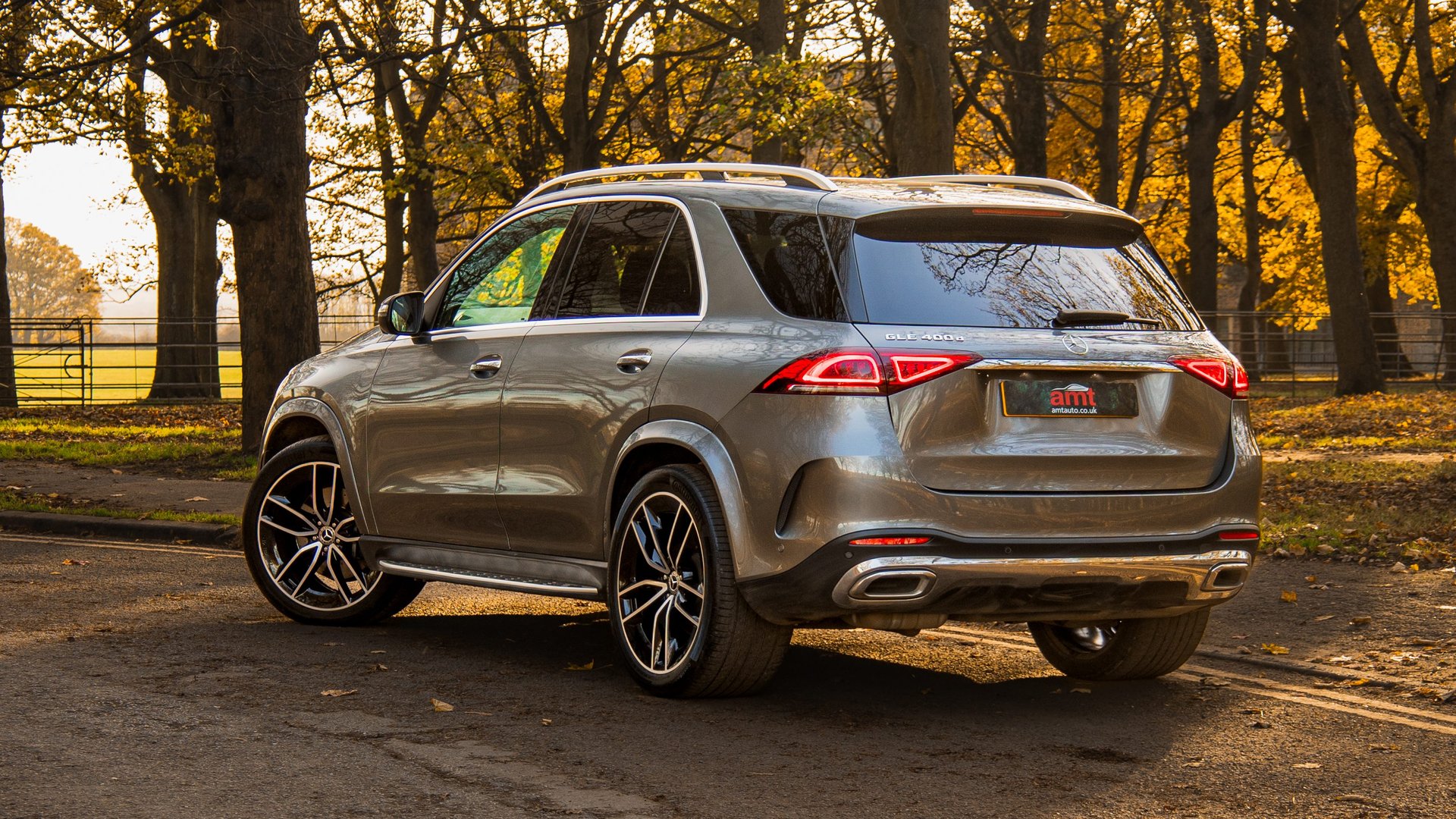
The Mercedes-Benz GLE has never been content with simply arriving. It glides in—confident, composed, and unmistakably engineered for drivers who want both presence and poise. In this review, the emphasis falls on two themes that define the GLE’s personality: its technology that feels quietly omniscient, and its comfort that manages to remain serene even when roads begin to misbehave. From the first press of the start button to the final miles of a long trip, the GLE cultivates a sense of effortless control.
What makes the GLE especially compelling is not only what it offers, but how it offers it. Interfaces are refined rather than loud. Seats are supportive without feeling rigid. Even the vehicle’s responsiveness—particularly in everyday driving—reads as deliberate. The result is a luxury SUV that doesn’t merely impress during showroom moments; it stays impressive once the mundane resumes.
First Impressions: A Cabin That Feels Like a Sanctuary
Step inside and the atmosphere shifts immediately. The GLE’s cabin is designed to reduce friction—between driver and information, between road noise and your focus, between long distances and fatigue. Materials tend to look rich and feel purposeful. Surfaces catch light in a way that feels intentional rather than decorative. There’s a subtle emphasis on tactile satisfaction, from switchgear to trim details that look as though they were chosen with an eye for longevity.
Ergonomics play a starring role. Controls are reachable without contortions, and the driving posture encourages a steady, relaxed stance. Even short trips feel curated; longer journeys feel engineered. The cabin’s layout keeps attention where it belongs—on the road—while technology handles the rest with minimal fuss.
Tech Suite Overview: Intuitive, Connected, and Habit-Forming
Modern Mercedes-Benz systems can be dazzling, but the most successful ones are those that fade into the background. The GLE’s tech does exactly that. Its interface approach is designed around clarity and speed of comprehension. Menus don’t feel like puzzles. They feel like tools.
Depending on configuration, the GLE typically features a sophisticated infotainment setup with an emphasis on navigation, media control, and driver assistance visualization. The screen presence is bold, yet the user experience stays calm. You’ll notice that the system supports both touch and physical controls—an important detail for drivers who prefer precision or who simply don’t want to hunt through layers while traveling at speed.

Navigation, Media, and Voice Interaction: The Art of Less Effort
Routing and media playback can turn into a distraction—unless the system anticipates needs. The GLE’s navigation experience is structured to minimize interruptions. You can glance, absorb, and continue. The map presentation typically emphasizes legibility, and turn-by-turn guidance feels timed to your reality rather than to a generic template.
Media control is equally straightforward. Streaming, playlists, and audio settings typically remain accessible without a prolonged descent into submenus. Even if the vehicle’s connectivity is still “learning” your preferences, the experience remains coherent rather than chaotic.
Voice interaction (when equipped) adds a layer of convenience that feels genuinely useful. Instead of tapping through screens, you can speak naturally to manage destinations, media, and basic functions. The system’s responsiveness—quick acknowledgements and sensible execution—helps keep the driver’s attention intact.
Driver Assistance and Safety Tech: Confidence Through Foresight
Technology in the GLE isn’t only entertainment; it’s an extension of awareness. Driver assistance features often include adaptive systems that support braking, steering inputs, and situational awareness. The vehicle’s sensors and cameras work like a vigilant second set of eyes—subtle when things are calm, decisive when conditions shift.
Lane-related assistance and distance monitoring can be especially valuable on long highway segments. They reduce mental overhead, allowing concentration to remain where it matters: on the flow of traffic and your own judgment. A good driver-assist system doesn’t take control in a way that feels alarming. It supports the driver, then steps back again.
At night and in variable weather, sensor-driven awareness becomes more than a feature. It becomes a quiet reassurance. You feel the car “looking” farther than you might, and that changes the tone of commuting from tense to measured.
Comfort Engineering: Suspension Behavior and Cabin Quietness
Comfort is a holistic discipline in the GLE. It’s not only about soft seats; it’s about how the SUV manages impact, controls body motions, and protects the cabin from intrusive noise. On uneven pavement, the suspension typically aims to smooth rather than bounce. Movements settle quickly, preventing the disorienting oscillation that can undermine confidence.
Noise insulation plays a central role too. Wind and road noise are moderated so that conversation remains easy and your thoughts remain organized. The GLE’s cabin quietness doesn’t require you to raise your voice or adjust your tone. That’s a luxury you feel after a while—when the trip stretches from “in-town” to “end-of-day.”
Seating and Practical Luxury: Support for Real Life
The GLE’s seating design leans toward supportive comfort rather than indulgent softness. Cushions and bolsters tend to encourage proper posture, helping reduce fatigue across hours. Adjustability—whether for steering position, seat position, or climate control—adds to the sense that the vehicle adapts to the driver rather than forcing the driver to adapt to the vehicle.
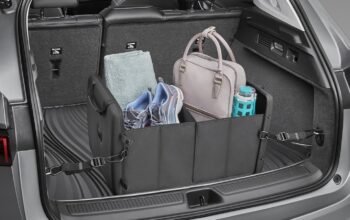
For family use and everyday errands, practicality joins the comfort equation. Door openings, storage spaces, and rear-seat usability shape the experience. The SUV’s proportions support a sense of openness without sacrificing an intimate cockpit feeling.
Climate and Atmosphere: Temperature Control Without Drama
In luxury vehicles, climate control can either be effortless or irritating. The GLE aims for effortless. Temperature regulation feels responsive, and the cabin tends to reach desired conditions without a drawn-out struggle. Whether it’s brisk mornings or humid afternoons, the system works in a steady manner that doesn’t demand constant adjustments.
Lighting and interior ambience—when configured—further refine comfort. Long drives become less about endurance and more about enjoyment. Short commutes benefit too, because the cabin feels “ready” rather than transitional.
Tech Meets Travel: How the GLE Handles Long-Distance Living
A tech-forward cabin is only valuable if it stays coherent under real travel pressure. The GLE tends to perform well in this regard: navigation remains readable, audio stays controllable, and driver-assist cues provide support without overwhelming the dashboard.
Long-distance comfort is also influenced by how the SUV reduces strain. Smooth suspension behavior, controlled cabin vibrations, and responsive braking contribute to an experience that feels planted. When the road bends, the vehicle’s demeanor often feels composed rather than nervous—an important psychological detail that keeps fatigue from creeping in.
Conclusion: A Luxury SUV That Thrives on Quiet Excellence
The Mercedes-Benz GLE earns its reputation through a careful balance of technology and comfort. It doesn’t rely on spectacle for its appeal. Instead, it uses refinement—interfaces that clarify, assistance systems that support, and a cabin that treats every mile as part of the same serene story.
Whether the GLE becomes a daily companion or a long-haul partner, its personality stays consistent: calm confidence, intelligent connectivity, and comfort that feels engineered rather than merely advertised. In a segment crowded with bold claims, the GLE’s quiet excellence stands out—one smooth drive at a time.