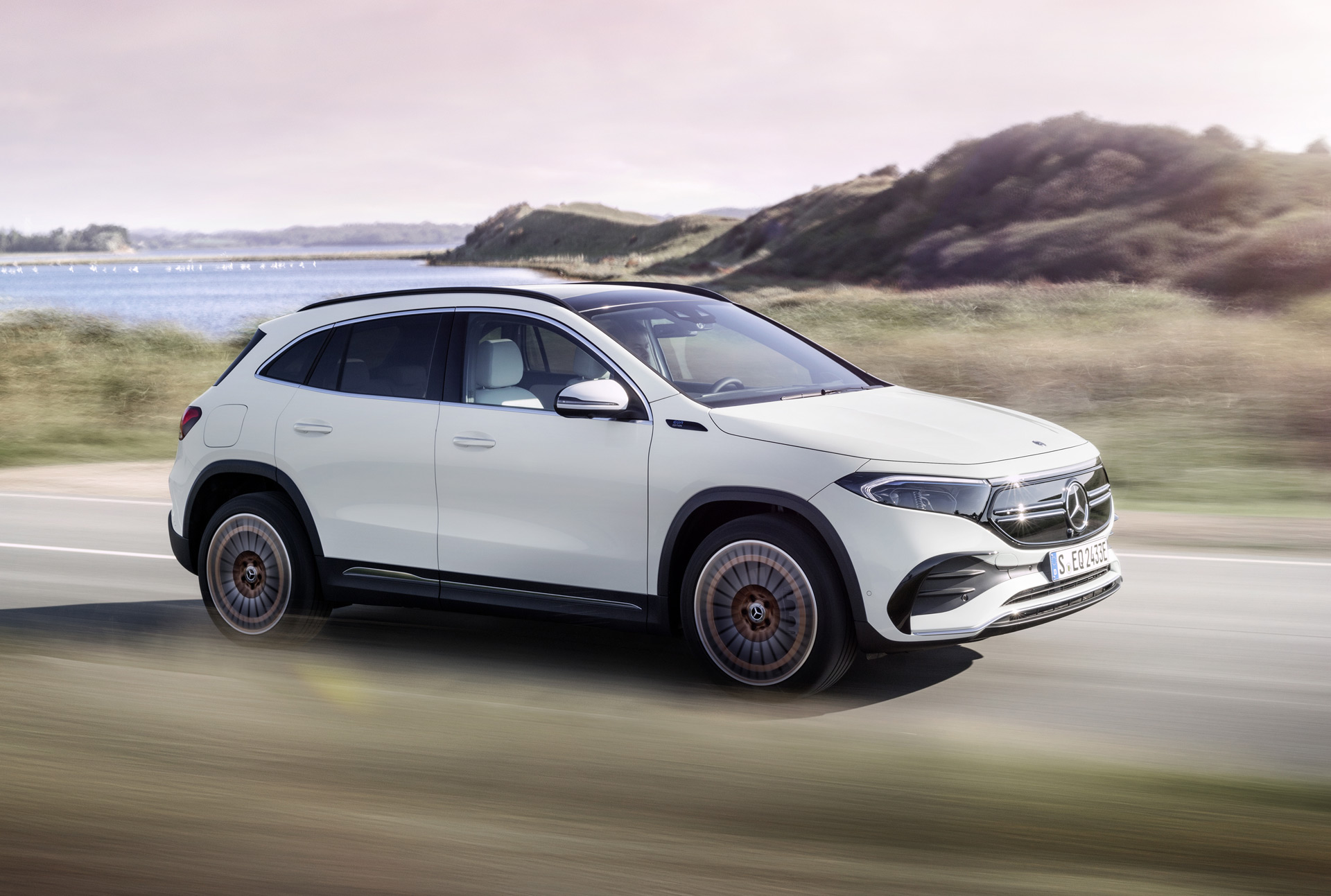
The idea of a Mercedes-Benz electric future has long carried a certain gravitas—sleek styling, the quiet confidence of efficiency, and the unmistakable sense that technology can feel like luxury. Now there’s a smaller, sharper question floating through the market: could the Mercedes-Benz EQA be the doorway for Americans who want an electric SUV without the bloat of bigger batteries and bigger dimensions? The answer isn’t a simple yes-or-no. It’s more like a perspective shift—one that begins with everyday errands and ends with the way a driver thinks about power, sound, and space.
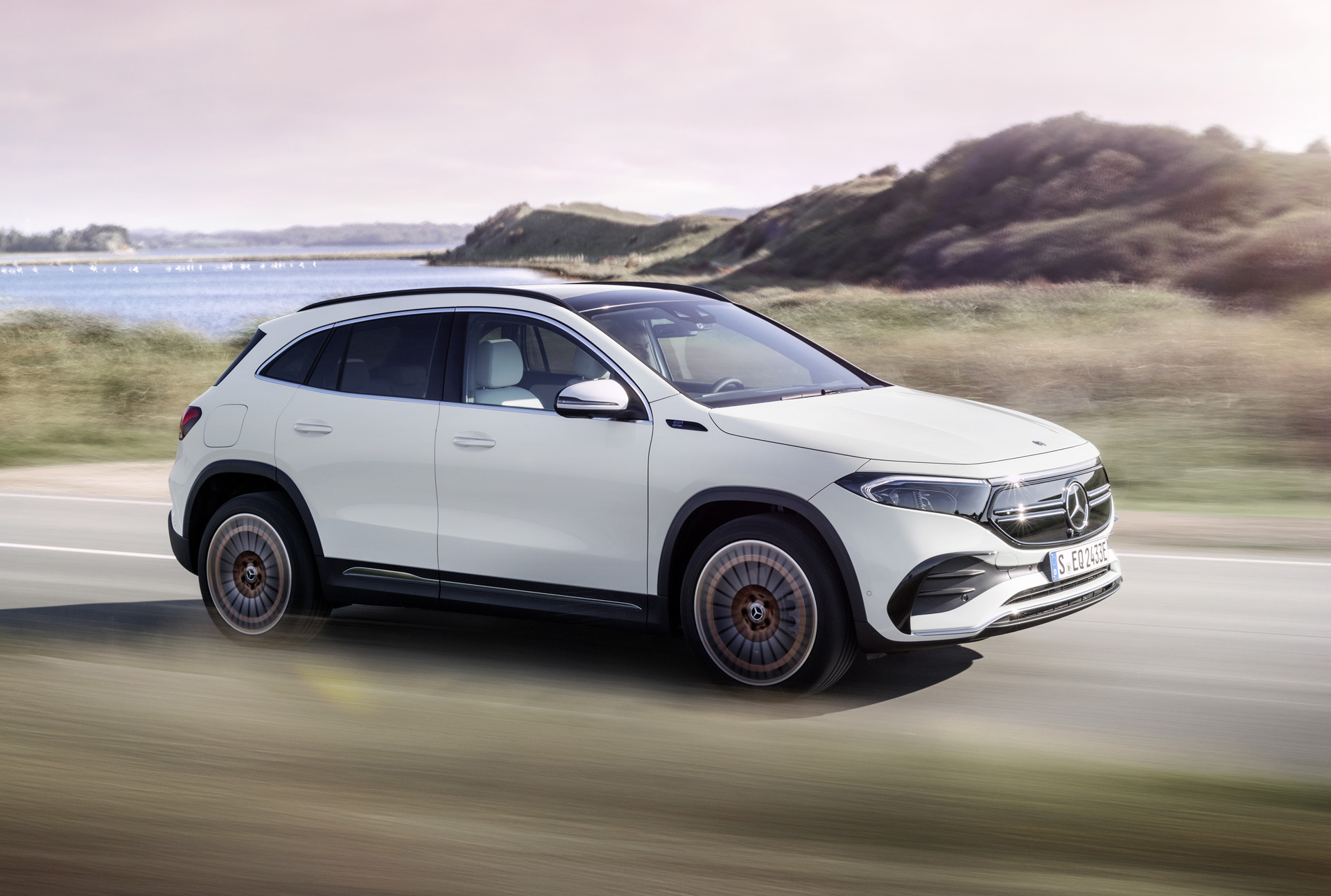
Consider the EQA as a subcompact electric SUV poised on the edge of curiosity. It doesn’t demand attention with theatrical size. Instead, it invites it with proportion, restraint, and the subtle promise that you can step into electrification without abandoning your sense of practicality. And once you start noticing the details—charging considerations, range expectations, driving character—questions start multiplying. What does “Mercedes feel” mean when the engine note is gone? How does a compact EV handle real life? And what would it signify if this model became a more common sight on US streets?
A Subcompact Made to Reframe Expectations
Many electric vehicles arrive with a sense of mission, as if they’re trying to convert drivers through sheer novelty. The EQA takes a different approach. It frames electric motoring as a lifestyle upgrade rather than a dramatic departure. That’s important in the US, where driving patterns can be diverse—urban commutes, suburban errands, occasional cross-state trips, and everything in between.
“Subcompact” can sound like a compromise. In practice, it can also mean agility—easier parking, quicker maneuvering, and a cabin that feels less like a rolling showroom and more like a tailored workspace. The EQA’s proportions suggest a vehicle designed for frequent stops and daily rhythm. Yet it still carries the recognizable Mercedes-Benz design language: a confident stance, crisp lighting signatures, and an interior that aims to feel composed rather than sterile.
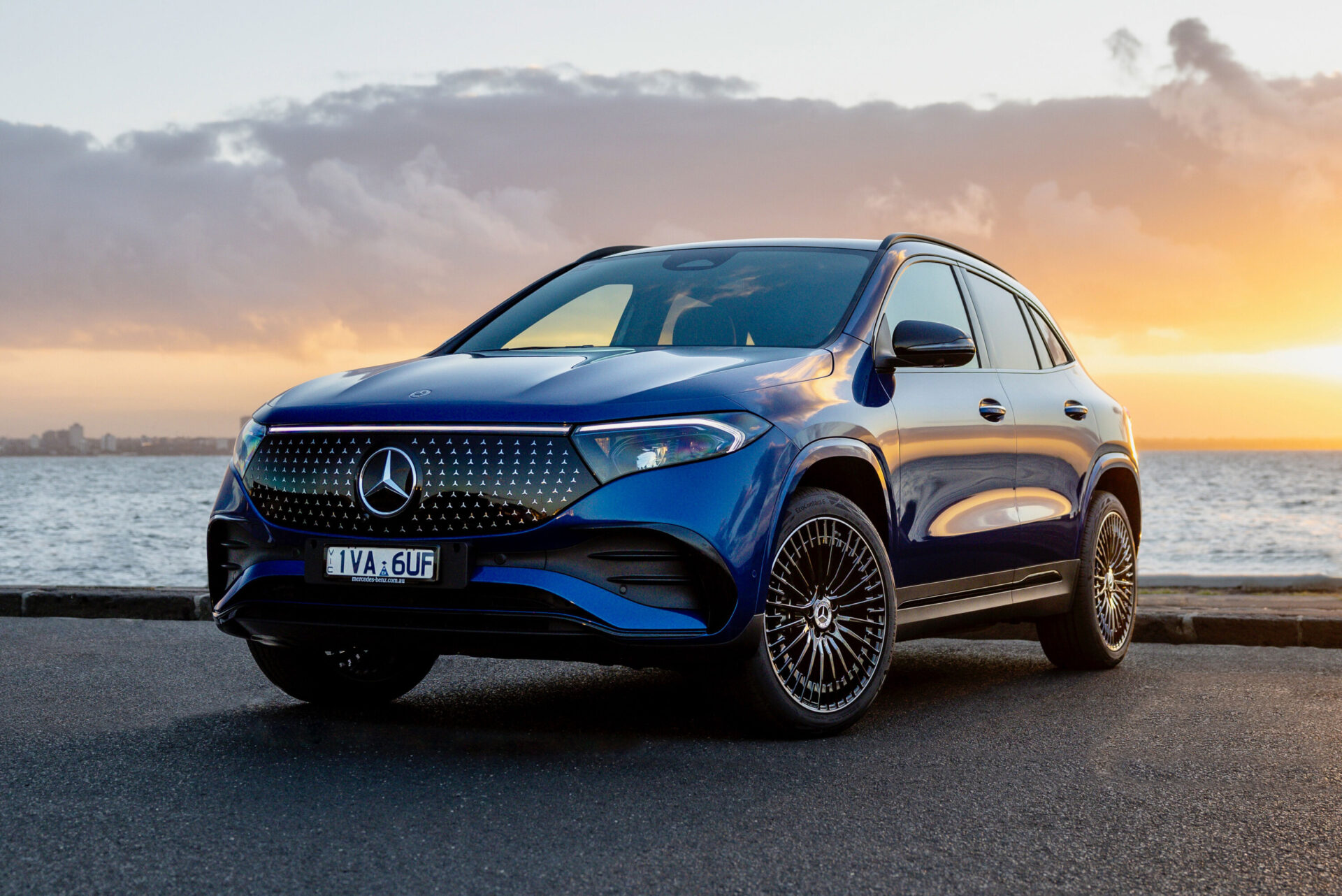
Why the EQA’s Arrival Would Matter in the US
The United States has a particular relationship with vehicles: people don’t just buy transportation, they buy identity. A subcompact SUV can be a paradoxical choice, because it sits in the sweet spot between versatility and affordability—at least in perception. If Mercedes-Benz were to strengthen its presence with the EQA in the US market, it would signal a broader commitment to electrification that doesn’t rely on large, premium-battery halo models.
And there’s another layer. US buyers often ask one question more than any other: Can I live with it? The EQA’s relevance would hinge on how convincingly it aligns with everyday US driving—city density, highway cruising, seasonal temperature swings, and the reality of charging infrastructure that varies dramatically by region.
Electrification already changes behavior, even before it changes routines. You start thinking in terms of planning, not just spontaneity. Yet that planning can become effortless when the vehicle communicates clearly and the charging story is friendly. This is where the EQA’s promise begins to feel less theoretical.
Range: The Promise That Needs Context
Range is both the headline and the battleground. For an electric SUV, it’s the number that shapes expectations—and expectations shape satisfaction. But range doesn’t exist in isolation. It’s influenced by speed, terrain, climate, tire choice, and even driving style. That means a credible promise is one that acknowledges context rather than treating range like an absolute decree.
For many drivers, the EQA’s subcompact nature suggests a practical target: cover daily life comfortably, with charging on a schedule that feels manageable. The more consistent your driving patterns, the more range becomes a dependable background detail instead of a constant calculation. For road trips, the question becomes whether charging opportunities are plentiful enough to make the vehicle feel like an ally rather than an obstacle.
In other words: the EQA’s range promise would matter most when it’s paired with a sensible charging ecosystem—home charging if possible, predictable public options if not, and smart navigation that reduces uncertainty.
Charging: Where Confidence Is Built
Electric vehicles earn trust through their charging experience. It’s not only about how fast a vehicle can charge; it’s also about how calmly it guides the driver. The best systems communicate progress and availability without drama. They help you plan without forcing you to become an energy analyst.
In a US context, charging confidence has to cover multiple scenarios. Home charging is often the ideal baseline, because it turns electricity into routine—overnight replenishment, morning readiness. But not every driver has garage access. Some rely on workplace charging. Others depend on public chargers that can be busy, variable, or inconsistently spaced.
The EQA’s value proposition would rise if it made charging feel intuitive: clear route planning, transparent charge-stop recommendations, and an experience that prevents “range anxiety” from metastasizing into range dread. A subcompact electric SUV is most compelling when it doesn’t turn charging into a second job.
Driving Feel: Mercedes, But Quiet
What makes a Mercedes-Benz “feel” like a Mercedes-Benz? It’s often the tuning—how the chassis settles, how the steering communicates, how the suspension filters imperfections without dulling purpose. With electric power comes a different kind of immediacy. The acceleration can be seamless and effortless, delivering torque without waiting for the right engine speed.
Yet quietness changes the sensory landscape. You hear tires. You notice wind. You feel the cadence of regen braking. For some drivers, that’s liberation. For others, it’s a reminder that the vehicle must be engineered to deliver comfort, not merely silence.
The EQA’s driving character would likely appeal to those who want calm control rather than aggressive theatrics. Electric SUVs can feel either composed or oddly numb, depending on tuning and drivetrain calibration. If Mercedes-Benz delivers the expected refinement, the EQA could make city driving feel almost weightless—without sacrificing composure at highway speeds.
Interior Life: Compact Doesn’t Mean Compromised
Inside, the EQA’s subcompact size can become a design advantage. A well-designed compact cabin can feel like a cockpit—efficient, intuitive, and tailored to daily usage. The key is usability: controls within easy reach, visibility that supports urban maneuvers, and storage that accommodates real-world objects.
Electric vehicles also shift the meaning of “space.” With fewer mechanical components under the hood, designers have more freedom to shape packaging. That freedom can translate into a cabin that feels cleaner, more organized, and more deliberate.
If Mercedes-Benz leans into technology thoughtfully, the EQA could reward the driver with a sense of continuity—navigation, charging status, vehicle settings, and driver assistance working together instead of demanding attention one screen at a time.
The Cultural Twist: From Novelty to Normal
At a certain point, electric vehicles stop being curiosities and start becoming ordinary. That transition is more cultural than mechanical. The EQA’s arrival in the US—if it strengthens enough to become widely available—would be part of that shift. It would say electrification isn’t just for tech enthusiasts or early adopters. It belongs to people who want competence, comfort, and everyday ease.
A subcompact electric SUV also challenges the notion that sustainability must feel severe. There’s room here for aesthetics, comfort, and brand identity. It’s not just about reducing emissions; it’s about upgrading the experience of ownership.
What to Watch Next
If you’re curious about whether the EQA deserves a place in the US conversation, watch for the details that translate marketing into reality. Pricing and trim availability will matter, of course. So will charging compatibility and the clarity of charging guidance in navigation systems. Battery and range figures matter, but equally important is how consistently those figures hold up in real driving.
Also pay attention to incentives, warranties, and service support. In the US, ownership confidence isn’t only about the vehicle—it’s about the infrastructure behind it: dealership readiness, software updates, and the ability to resolve issues without friction.
Finally, consider the driving niche. The EQA is likely to shine for those who value efficiency and agility over maximal cargo capacity. It’s a vehicle for drivers who prefer nimble convenience and a refined electric character—someone who wants a Mercedes feel without needing a full-size SUV presence.
Closing Thoughts: A Small SUV with a Big Psychological Edge
So, is the Mercedes-Benz EQA a subcompact electric SUV for the US? The most honest answer is that it’s less about geography and more about fit. It’s about whether its promises—range practicality, charging confidence, quiet refinement, and compact usability—align with the routines that define American driving.
If the EQA can convincingly turn electrification into a daily norm, it would do more than add another model to the lineup. It would shift perspective. Electricity would stop feeling like a detour and start feeling like the road you’ve been taking all along—calm, competent, and ready when you are.