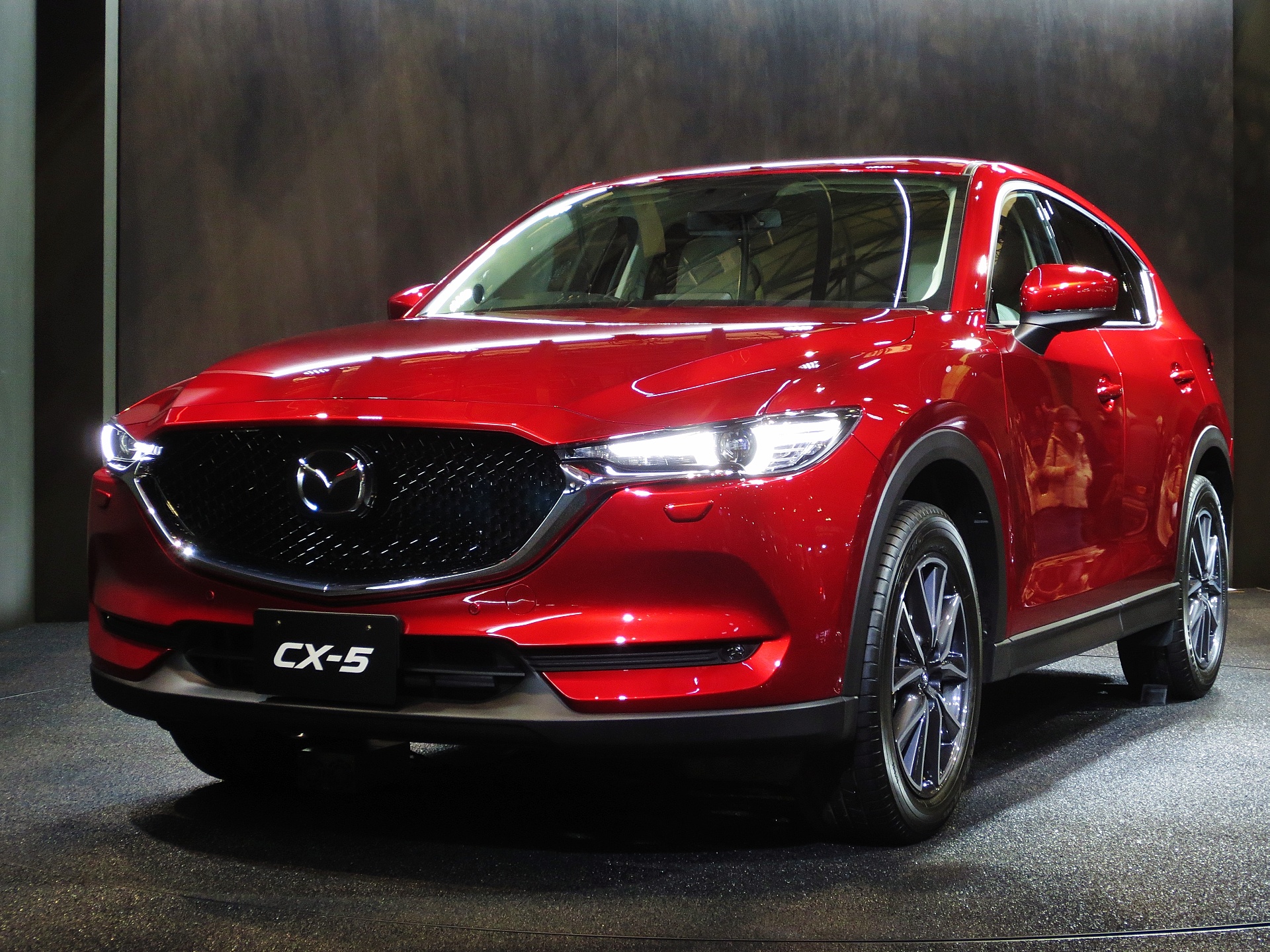
The rumor has been circling for years, like a spectral rotor spinning in the dark. It starts as a whisper in online forums, then gains momentum as industry insiders trade “could be” for “might be.” And suddenly, the question sounds less like idle speculation and more like a held breath: Is the Mazda RX-9 Rotary finally coming?
Rotary engines have always carried a strange gravity. They don’t merely move a car—they seem to tug at the imagination. If conventional pistons are clockwork and gears, the rotary is more like weather: a swirling, impulsive phenomenon that refuses to behave like anything else. The RX-9, if it arrives, would not just be another model. It would feel like a cinematic door opening into a new act.
And yet, the rotary’s appeal has never been purely nostalgic. It’s technical, yes. But it’s also emotional. It’s the kind of engineering that suggests Mazda believes cars can still surprise us, even after we’ve convinced ourselves everything has already been invented.
So let’s step closer—past the myths, past the marketing fog, and into the fascinating question of timing, technology, and the unique magnetism of a rotary comeback.
Why the RX-9 Rumor Won’t Die
Some automotive legends are sustained by sales figures. Others are fueled by the loudness of fan communities. The RX-9 sits in a rarer category: it’s sustained by potential. It’s the idea that a platform of rotary expertise—refined over decades—could be reborn with modern materials and modern emissions strategies.
There’s a metaphor that keeps surfacing in rotary discussions: a bird that migrates every season, not because it must, but because it remembers. The rotary community feels that same memory. Even when an RX model disappears from the spotlight, the idea of one more turn lingers, persistent and oddly patient.
Rumors also thrive because Mazda has a history of teasing the future indirectly. The company has a talent for leaving just enough evidence of intent to make enthusiasts do mental gymnastics. The RX-9, then, becomes a kind of narrative magnet. People aren’t only asking if—they’re asking when, how, and what form the rotary revival might take.
Rotary Character: The Engine That Feels Like Motion Itself
To talk about the RX-9 is to talk about character. Rotary engines aren’t simply a different method of combustion; they produce a different sensation of acceleration. Power delivery has a fluidity that many piston engines struggle to mimic. The rotary’s nature is centrifugal, almost graceful, like a dancer turning through the air rather than stepping on a stage.
Enthusiasts often describe rotary throttle response as quick and eager—less like a switch and more like a spark. That’s not just romance. It’s the result of how the engine breathes: combustion events unfold with a rhythm that feels simultaneously smooth and urgent.
And then there’s the sound—an auditory fingerprint. A rotary has a higher-pitched intensity, a sort of mechanical singing that makes you glance back even when you weren’t planning to. The RX-9, if it arrives, would likely aim to preserve that signature while meeting the expectations of today’s world.
What “Finally Coming” Might Actually Mean
“Finally coming” can mean several things, and each interpretation changes the story.
First, it could mean the RX-9 is no longer a hypothetical. It’s a real product with a structured roadmap: development completed, compliance figured out, assembly planning underway. That would be the most straightforward reading.
Second, it could mean a public debut—prototypes, show cars, and targeted testing. Rotary projects historically travel through a labyrinth of secrecy and refinement before they emerge. A “coming” moment may arrive long before mass production does.
Third, it could mean a spirit-first RX. Not necessarily a full-on classic RX layout, but something with rotary identity at its core. That might look like range-extending technology, a hybrid arrangement, or a drivetrain strategy designed to neutralize rotary weaknesses such as thermal management and efficiency at certain operating points.
In that scenario, the rotary would be less of a pure throwback and more of a myth rewritten for the present.
Modern Compliance: The Real Puzzle Piece
It’s easy to romanticize engineering and forget the modern gatekeepers: emissions targets, fuel economy expectations, durability requirements, and the bureaucratic arithmetic of regulations. The RX-9 has to pass through all those doors. The rotary doesn’t get a pass simply because it’s iconic.
Here’s the intriguing part. Mazda wouldn’t need to redesign everything from zero; instead, it could evolve the rotary concept with contemporary technologies. Better materials could address heat stress. Advanced coatings may reduce friction. Improved sealing strategies can help stability. Sophisticated engine control systems can optimize combustion in a way that feels almost surgical.
Think of it like restoring an antique painting. The artistry is preserved, but the varnish is replaced, the canvas reinforced, and the pigments protected against fading. The RX-9 would be the rotary preserved—yet shielded by modern craftsmanship.
Design Expectations: A Rotary Without a Visual Story Would Feel Incomplete
Fans don’t just want the engine; they want the vehicle to announce the engine’s philosophy. Mazda’s design language has moved toward dynamic elegance—shapes that look poised even at a stoplight. If the RX-9 is real, it likely won’t arrive as a mere mechanical update. It would likely arrive as a statement.
Expectations for the RX-9’s styling would probably orbit around two ideas: aerodynamic intent and emotional clarity. Rotary engines have always been associated with a certain swagger—an insistence that the machine should feel alive. So the bodywork should probably read as purposeful rather than decorative.
In the best case, the RX-9’s silhouette would look like motion frozen mid-sprint. Every curve would seem to have a reason. Every line would behave like a sentence in a language you can feel, not just read.
Performance Philosophy: Not Just Fast—Intentionally Alive
Rotary fans often value the engine’s way of delivering energy more than raw numbers alone. The RX-9, therefore, would need to hit a balance: modern acceleration and controllability, wrapped in the rotary’s signature smoothness.
This could mean refined torque characteristics that stay usable in real driving, not only on a dyno. It could mean improved thermal stability so the car doesn’t lose its personality after repeated runs. It could also mean a drivetrain that respects the rotary’s strengths—possibly with hybrid assistance or sophisticated gearing strategies to keep the engine in its most compelling zones.
Performance, in this sense, would be less like a sledgehammer and more like a violin bow. The goal would be to make speed feel expressive.
Durability and Ownership Reality: The Unromantic Side That Matters
Every enthusiast knows the uncomfortable truth: iconic engines have to survive daily life. A rotary doesn’t just have to be impressive when new—it must remain trustworthy as years stack up.
That’s where the RX-9 narrative either becomes legendary or merely interesting. Durability expectations are unforgiving: heat cycles, lubrication demands, rebuild intervals, and the availability of service knowledge all shape the ownership experience.
If Mazda is bringing the RX-9 now, it’s plausible that the company has done extensive work to make the engine more resilient. Modern supply chains, improved inspection processes, and better thermal engineering all help. And a well-designed customer experience—clear maintenance guidance and strong service support—could make the rotary feel less like a gamble and more like a commitment.
In metaphor terms: it’s one thing to build a flame. It’s another thing to build a lantern that keeps lighting your road.
The Cultural Magnetism: Why Fans Keep Believing
The RX-9 rumor persists because rotary engines occupy a symbolic position in car culture. They represent divergence—the refusal to follow the most obvious path. In a world where many performance cars feel like variations on a theme, rotary engineering feels like a deliberate anomaly.
That’s why the RX-9 question is more than a spec sheet inquiry. It’s a referendum on whether automotive history will be allowed to evolve without being erased. Rotary enthusiasts see the RX-9 as a chance for Mazda to prove that innovation can still be unconventional, even after decades of industrial standardization.
Belief, here, is not irrational. It’s a kind of hope with a logic behind it: Mazda has the expertise, the motive, and the brand mystique. The rotary is a thread in the company’s identity, and threads don’t vanish—they wait for the right moment to be woven into a new pattern.
So—Is It Finally Coming?
“Coming” remains an open question, but the narrative intensity has never been this well-aligned. Rotary engineering in the modern era is not impossible; it’s challenging. And the fact that Mazda is still associated with rotary potential suggests that the company understands both the technical hurdles and the cultural responsibility.
If the RX-9 arrives, it will likely do so not as a nostalgic relic, but as a carefully modernized instrument—one that honors the rotary’s oddball rhythm while adapting to contemporary reality. It would be the automotive equivalent of taking an old poem and translating it without losing its heartbeat.
The most exciting part is that the RX-9 doesn’t just promise performance. It promises meaning. It suggests a future where engineering risk can still be celebrated, where a car can feel like a living idea rather than a predictable product.
Final Turn: The Waiting Feels Worth It
There’s something compelling about watching a rotary story unfold. It’s like standing near a track as a train approaches—hearing the distant signal, feeling the vibration in the air, and sensing that whatever arrives will carry more than one purpose.
Whether the Mazda RX-9 Rotary is finally coming or still turning through development, the possibility itself has value. It keeps a distinctive kind of automotive imagination alive. And if Mazda does pull the rotor into the spotlight again, it won’t just be launching a vehicle. It will be completing a long-spinning circle—one more turn, one more crescendo, one more reminder that car culture can still surprise us.