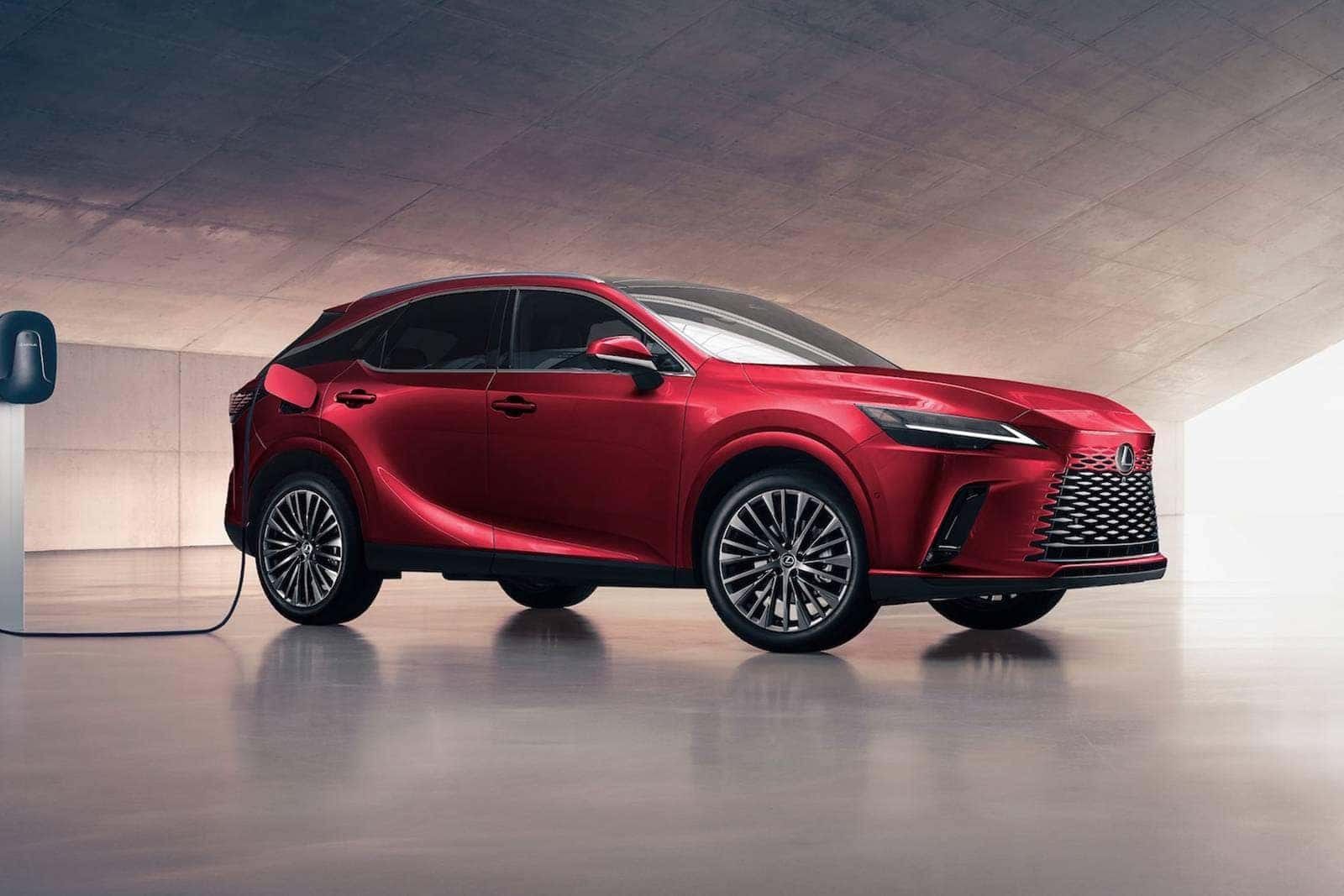
What if your daily drive felt lighter—quieter, smoother, and just a touch more deliberate—without asking you to surrender the joy of motion? That’s the premise behind the Lexus RX, a nameplate that has long mastered the art of making crossover life feel curated rather than merely convenient. Now, with hybrid and plug-in hybrid options in the RX lineup, the question becomes playful and practical at the same time: can you actually make electrified capability feel effortless, or will the reality of charging schedules and fuel habits turn the whole experience into a chore?
Let’s walk through the Lexus RX review through the lens of real-world rhythm—acceleration when you want it, refinement when you need it, and the electrification choices that shape everything from efficiency to everyday confidence. Consider this an expedition through the RX’s most important territories: how hybrid and plug-in systems behave, what the driving experience truly delivers, and where prospective owners should pay attention before they commit.
Hybrid vs. Plug-In: The RX’s Two Paths to Efficiency
The RX has always been about comfort with purpose, and its electrified variants keep that promise—just with a different operating philosophy. In a hybrid setup, the vehicle intelligently blends an internal combustion engine with electric assistance. The result is a seamless workflow: power arrives when you request it, and energy management happens behind the scenes, almost like a discreet conductor adjusting tempo between instruments.
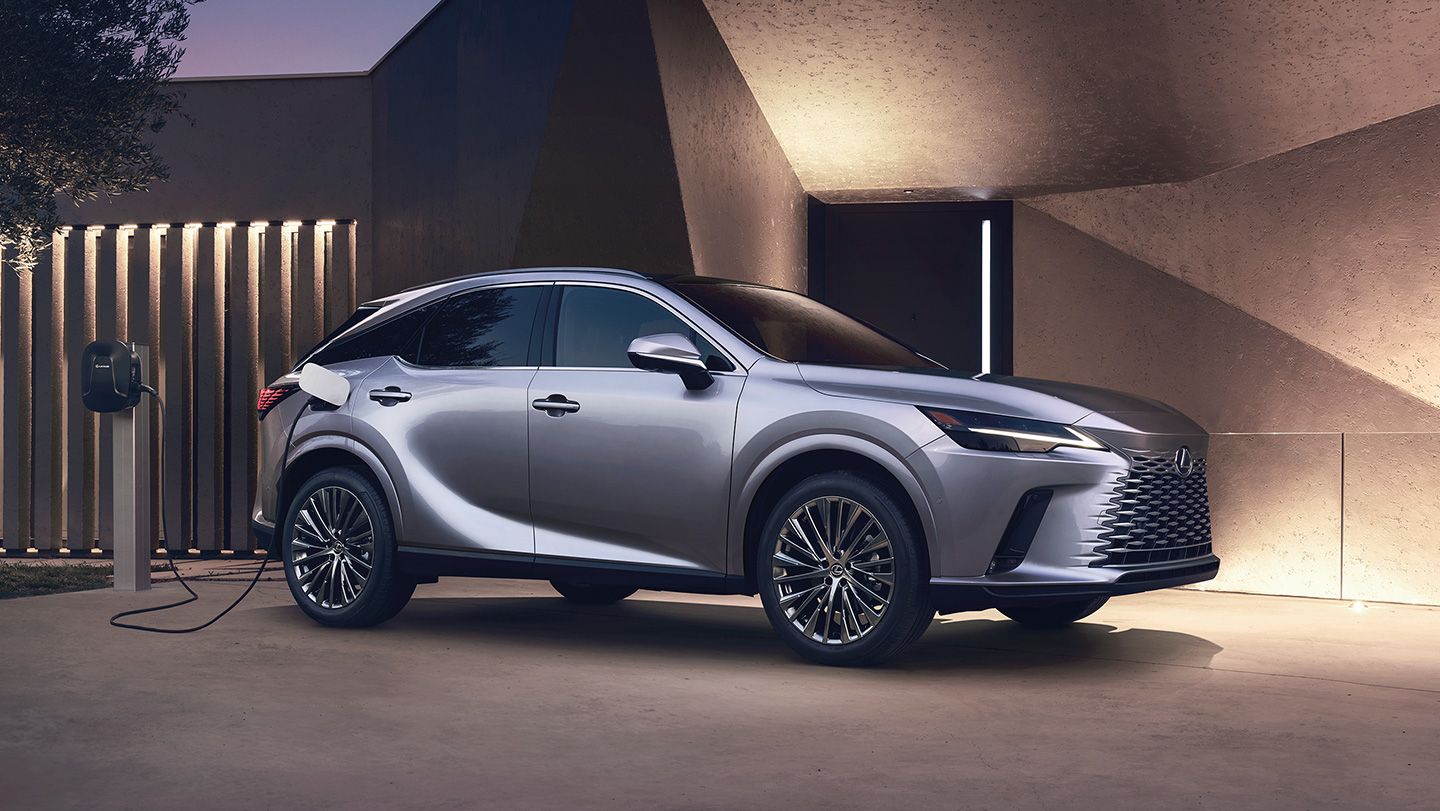
A plug-in hybrid, however, adds another layer of possibility. It can take advantage of external electricity, allowing a larger portion of short trips to be handled in electric-only mode depending on charge levels and driving conditions. This can feel surprisingly liberating. You start the day with a silent nudge forward, then transition into blended operation when the route expands.
Here’s the potential challenge: a plug-in hybrid works best when you can realistically plug it in with consistency. Without that routine, it still functions effectively as a hybrid, but the most dramatic “electric advantage” may never fully materialize. In other words, the RX plug-in doesn’t demand you become an energy manager—but it does reward you if you’re willing to adopt a small habit.
Driving Feel: Smoothness as a Feature, Not a Fluke
Step into the RX and you’re greeted by a calm that seems engineered. The suspension tuning tends to absorb imperfections rather than broadcast them. Even at city speeds, the vehicle encourages a relaxed cadence. Steering effort is typically well judged—responsive enough to feel connected, yet not so sensitive that it turns ordinary driving into a constant micro-correction.
When the electrified powertrain activates, the experience often feels less about “switching modes” and more about continuously modulating performance. Electric assistance can sharpen initial response, especially during stop-and-go motion where the RX has a chance to express its efficiency without demanding theatrics.
One long sentence deserves honesty here: whether hybrid or plug-in, the RX aims for a refined, linear delivery rather than abrupt surges. That philosophy matches the RX’s identity. It wants you to arrive comfortably, not dramatically.
Acceleration and Power Delivery: Confidence Without the Jolt
Power in an RX is typically presented as confidence rather than volatility. You press the accelerator and the vehicle responds with controlled momentum. In hybrid operation, the system coordinates engine load and electric torque to maintain smooth transitions. In plug-in mode, the upfront electric behavior can make everyday merging feel less laborious—particularly when you’re joining traffic from a standstill.
The “uncommon” part of this driving story is how the RX manages energy without turning it into a lesson. The car’s logic tries to keep you moving fluidly, which can make the powertrain feel almost intuitive. You don’t notice the engineering as much as you feel the result: fewer dramatic shifts, fewer moments of hesitancy.
Still, conditions matter. Temperature, road grade, speed, and battery state can influence how often you’ll experience electric-only behavior. This is where the playful question returns: are you prepared for the possibility that your most efficient drives won’t always look like everyone else’s?
Fuel Economy and Energy Use: What You Can Expect in Practice
Fuel economy in the RX is less about chasing a single number and more about understanding how your routine shapes outcomes. Hybrid models often excel by converting kinetic energy and optimizing engine operation. That means city driving can be particularly beneficial. Even highway travel can remain efficient, especially when driving style is steady and the vehicle isn’t constantly working to recover speed from repeated slowdowns.
For plug-in hybrids, the story changes. If you charge at home—or at work—your daily efficiency can improve markedly, at least for the miles you cover with available battery charge. But if your charging rhythm is inconsistent, the vehicle may spend more time in blended or engine-dominant operation. The RX will still do its job, but it won’t fulfill the promise of “electric-first” living.
A practical challenge emerges: can you predict your schedule with enough reliability to plug in? If your life is unpredictable, consider how quickly “small lapses” might influence your expectations. The best match is often found when a charger is available where you already park.
Charging Considerations: Plug-In Ownership Reality Check
Charging convenience is the make-or-break factor for the plug-in RX experience. If you can install a Level 2 charger, daily top-ups become almost effortless. With Level 1 charging, it can still work—just with less margin for error and more attention to how long you’ll be parked.
There’s also the matter of planning. Many owners discover that their car becomes a gentle prompt: charge when you can, drive when you want, and let the powertrain do the rest. The RX doesn’t require obsessive monitoring, but it does respond to being prepared.
On colder days, battery performance may adjust, and the system may prioritize maintaining cabin comfort and power reserves. This can slightly alter the frequency of electric-only miles. It’s not a flaw; it’s a reminder that physics still has a vote.
Interior and Comfort: The RX’s Signature Calm
The interior of the RX is designed to feel like a retreat. Seating position, visibility, and material choices collectively aim for a “settle in” sensation. Long drives rarely feel like a test of endurance. Short drives often feel unexpectedly luxurious.
Road noise is generally well managed, letting your thoughts stay your own. Climate control typically performs with confidence, and storage practicality suits daily routines—grocery runs, work bags, and the occasional spontaneous detour.
In a hybrid or plug-in, this matters even more. Because the powertrain is quieter in electric mode, the cabin’s calm becomes more noticeable. The car feels less like a machine and more like an environment.
Technology and Driver Assistance: Smooth Interaction, Smart Guidance
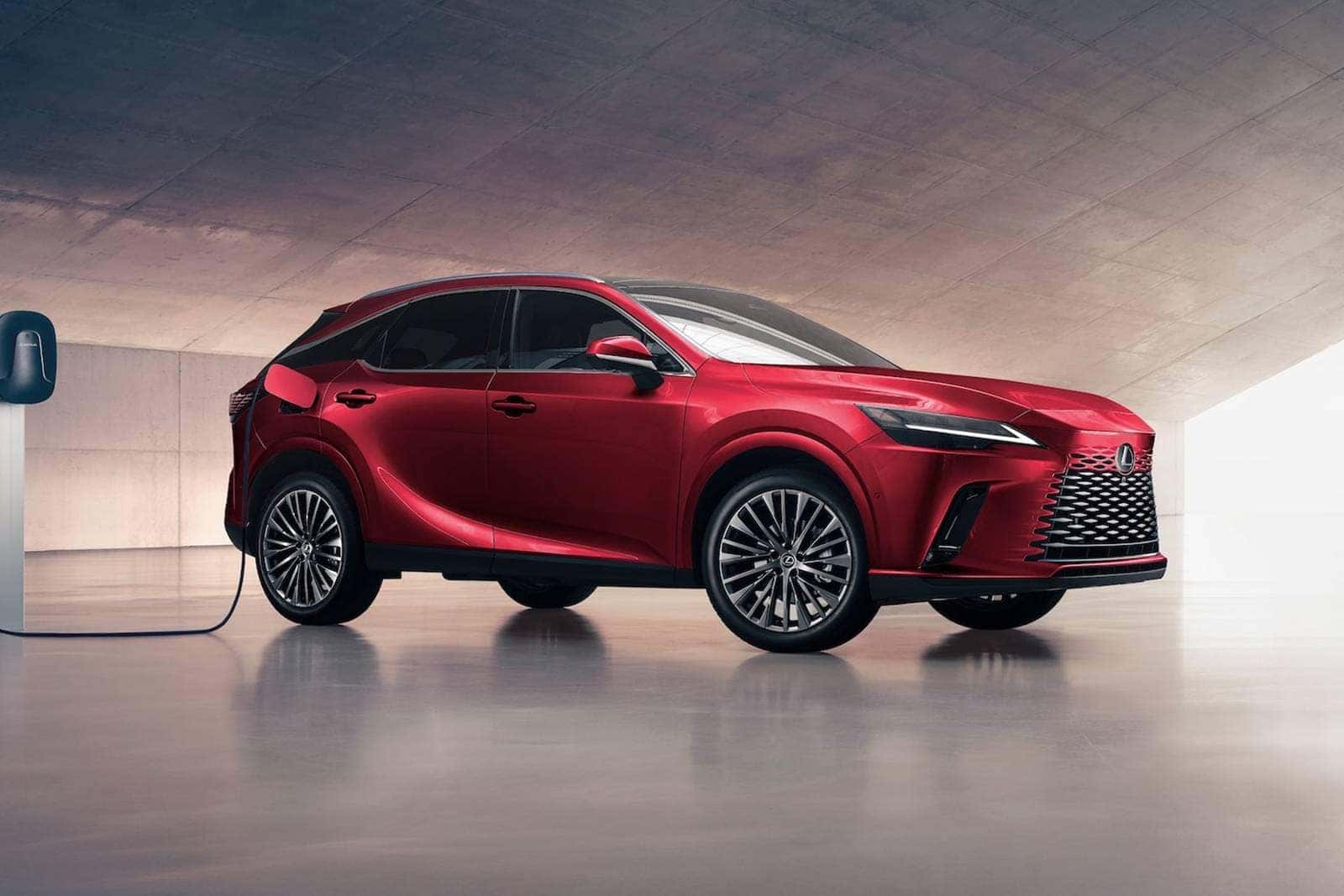
Lexus tends to approach driver assistance with a focus on predictability. Systems are meant to support rather than overwhelm. The goal is clarity—alerts that are understandable, controls that don’t require a manual of their own, and interfaces that don’t fight you.
Connectivity features often bring navigation, media, and vehicle status into one accessible rhythm. For plug-in owners, this can be especially useful for checking charging status and planning routes based on energy availability.
Here’s a subtle nuance: the best technology feels like it disappears. The RX’s approach is to keep it present when you need it, then quietly step back.
Ownership Considerations: Choosing the RX That Fits Your Life
The decision between hybrid and plug-in isn’t only technical—it’s lifestyle arithmetic. If your driving is frequent, short, and mostly within a practical “plug-in radius,” a plug-in RX can feel like a near-magical upgrade. It can turn errands into low-friction, low-emission outings.
If you prefer spontaneity—long weekends, unpredictable schedules, minimal charging—then a hybrid RX may be the more effortless choice. It offers electrified efficiency without expecting you to plug in every day.
Before choosing, consider your typical commute length, whether you can charge at home, and how often you’d realistically return to a charger. The “potential challenge” is not whether the vehicle can perform. It’s whether your life can support the pattern that electrification rewards.
Verdict: The RX Hybrid and Plug-In Story in One Breath
The Lexus RX excels at making driving feel composed. Its hybrid and plug-in options extend that calm into the realm of efficiency and electrified capability. The hybrid path is often the “set it and forget it” option—excellent when charging logistics aren’t part of your routine. The plug-in path is the more ambitious companion—one that can transform your daily miles into quieter, cleaner travel when you can charge consistently.
So, which RX is right for you? Start with your willingness to adopt a charging habit, then weigh it against your everyday driving pattern. If you’re ready for that small ritual, the plug-in RX can feel like a rewarding upgrade. If you want maximum simplicity, the hybrid RX keeps the experience effortlessly refined.
Either way, the RX remains what it has always been: a crossover that doesn’t just transport you—it gently elevates the journey.