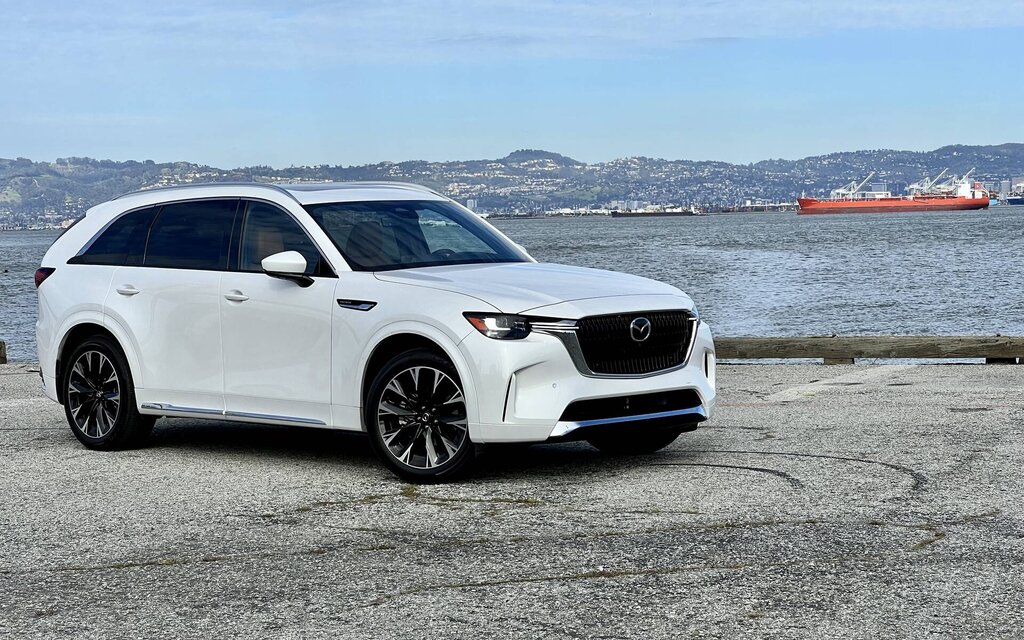
The 3-row SUV has always promised a particular kind of romance: wide-open roads, shared playlists, and the quiet confidence that everyone fits—comfortably, not just technically. The Mazda CX-90 arrives with a different proposition. It doesn’t feel like it was designed solely to maximize seats and cargo volume. Instead, it aims to deliver something rarer in the family segment: driving joy with a sense of ceremony. From the first roll-out, the CX-90 tries to turn daily errands into small adventures, and long trips into something closer to a ritual.
In this review, readers will find a thorough walkthrough of what the CX-90 does well across multiple fronts: how it behaves behind the wheel, how it treats passengers in every row, what the cabin experience feels like, and which details are likely to matter most depending on your lifestyle. Along the way, you’ll also get clear expectations about ride quality, practicality, and ownership considerations—so the final impression isn’t just emotional, but grounded.

First Impressions: A Family SUV with a Driver’s Posture
There’s a moment when you settle into the driver’s seat and notice that the CX-90 doesn’t have that typical “big box” demeanor. It feels composed, with a front-end stance that suggests intent. The steering wheel sits at a reachable angle, the controls appear logically placed, and the seating position encourages engagement rather than recline-and-cope. The cabin’s visual rhythm—clean surfaces, tasteful contrasts, and an overall sense of restraint—keeps the atmosphere from tipping into clutter.
Short drives reveal quickly whether the CX-90’s promises translate into practice. It does. The vehicle responds with a more deliberate cadence than you might expect from a three-row platform. Even when you’re simply merging or navigating a neighborhood loop, there’s an undercurrent of confidence. The kind that makes you glance at the road, not the dashboard.
Driving Dynamics: Steering Feel, Stability, and Intent
Driving joy is rarely a single feature; it’s a composite impression—steering feedback, body control, and how the suspension reconciles comfort with composure. The CX-90 leans toward the idea that family hauling shouldn’t require sacrificing personality. In everyday traffic, the vehicle feels willing. It doesn’t behave like a heavy chore. It behaves like a vehicle with a plan.
Over uneven pavement, the suspension works to filter harshness without flattening the sensation of the road. Long-wave impacts are handled with maturity, and sharper edges tend to be absorbed rather than broadcast. The result is a ride that feels steady, even when the terrain tries to interrupt your flow. That steadiness matters on road trips, when fatigue creeps in and you want the car to remain predictable.
Acceleration and pedal modulation create their own kind of satisfaction. Power delivery—especially during on-ramp situations—helps you merge without the typical “pause and wait” feeling. The chassis stays composed under load changes, so the vehicle doesn’t feel like it’s improvising. It feels like it’s responding.
For drivers who prefer a more engaging commute, the CX-90’s driving posture supports confident lane changes and smoother corner entries. For drivers who simply want serenity, it offers that too—quiet enough to let conversation happen, stable enough to make fast adjustments feel calm rather than frantic.
Passenger Experience: Row One Comfort, Row Two Freedom
Most three-row SUVs win praise for their first two rows in advertisements, then disappoint in real life. The CX-90 aims to avoid that trap. In the front, the seat cushioning feels supportive rather than overly soft. Long hours are better tolerated because the body can maintain alignment instead of sinking into fatigue. Visibility is another quiet advantage—windows feel properly sized, and the hood line communicates where the vehicle sits.
Row Two is where the CX-90 earns goodwill. The layout invites passengers to settle in. There’s enough shoulder space for conversation, and the seating position strikes a balance between elevated comfort and a sense of connection to the outside world. For families, the second row becomes the “default” zone on trips—where kids play, adults watch scenery, and everyone fights less over armrests and cupholders.
In short, Row One and Row Two feel like they were designed for human comfort first, and for packaging afterward. That design hierarchy is often hard to see—but it becomes obvious over time.

Third-Row Reality Check: Seating That Doesn’t Feel Like an Afterthought
Third rows are notorious for being “good for occasional use.” The CX-90 tries to blur that line. Access is the first test: the doors open wide enough to avoid the contortion dance that can make third-row seating feel like a penalty. Once inside, the experience depends on the configuration and how much adjustment is possible, but the CX-90’s approach is generally more humane than many rivals.
For children, the third row becomes a credible place to ride, especially on errands, school schedules, or shorter vacations. For adults, comfort improves when the front seats are set thoughtfully. The best scenario is when the cabin is tuned for practicality—keeping passengers from feeling crammed even when the vehicle is fully occupied.
Importantly, the third row isn’t just about space. It’s also about noise management and airflow. Road hum doesn’t dominate the cabin, and the ride remains controlled. That matters for passengers who are more sensitive to motion or who prefer calmer environments during longer stretches.
Cabin Craftsmanship: Materials, Atmosphere, and Controls
Mazda has long emphasized design integrity, and the CX-90 continues that tradition with an atmosphere that feels intentional. Surfaces look refined, textures feel purposeful, and the cabin communicates “quality” without resorting to visual theatrics. Even if you’re not typically impressed by interior styling, the CX-90 can still pull you in through coherence—the way everything seems to fit together.
Controls are arranged to reduce cognitive friction. Toggle points are easy to find, and the overall interface layout encourages familiarity quickly. In practical terms: you spend less time fumbling and more time driving.
Technology and Connectivity: Useful, Not Distracting
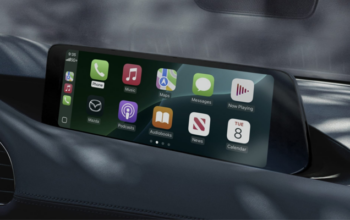
Modern SUVs can become a cockpit of interruptions—menus, pop-ups, and systems that ask for attention at the worst times. The CX-90’s tech aims to be supportive rather than overwhelming. The infotainment experience is designed to be navigable while remaining readable. Driver-assistance features can enhance confidence, particularly in traffic and on highway stretches, though the best experience comes when the systems are used as a supplement, not a substitute for awareness.
For families, connectivity matters in a more grounded way. Multiple devices, predictable pairing, and stable performance reduce the small daily frustrations that erode enjoyment. On trips, that stability becomes a quiet form of luxury.
Practicality: Cargo Space, Daily Usability, and Everyday Wins
Even with a third row, the CX-90 is engineered for the reality of life—groceries, strollers, sports bags, weekend luggage, and those occasional “we need one more space” moments. When the third row isn’t in use, cargo access feels more natural, and the vehicle’s overall practicality makes it easier to treat outings spontaneously.
For multi-kid schedules, cup and storage arrangements reduce the chaos that usually follows. The best SUV layouts make it easier to keep belongings where they belong, instead of turning every trip into a scavenger hunt at each stop.
Fuel Economy and Powertrain Considerations: Matching the Vehicle to Your Habits
Powertrain choice is not a trivial detail in a three-row SUV. Your typical driving—commutes, highway miles, stop-and-go traffic—determines which version feels most satisfying. The CX-90’s lineup is structured to provide options that align with different priorities, whether your focus is efficiency, responsive acceleration, or long-range ease.
Rather than thinking of fuel economy as a single number, it’s more helpful to evaluate how your week actually drives. If your routine includes frequent stoplights, you’ll notice efficiency differently than someone who mostly cruises at steady speeds. Choose based on how the vehicle will spend its time.
Who Should Buy the Mazda CX-90?
The CX-90 is for buyers who want a three-row SUV that doesn’t feel like a compromise. If your household values comfort in every row, appreciates well-resolved driving manners, and prefers a cabin that feels designed rather than merely assembled, the CX-90 makes a persuasive case.
It’s also a strong fit for drivers who split time between practical errands and longer road trips. The vehicle’s stability, refined ride character, and passenger-friendly layout help it function as more than just a school-run machine.
Final Thoughts: 3-Row Driving Joy, Delivered
The Mazda CX-90 doesn’t treat family transportation as a chore. It treats it as a chance to experience good engineering every day. Its driving dynamics lean toward engagement, its cabin maintains an inviting calm, and its three-row design feels more thoughtfully executed than many competitors.
If you’ve been searching for a third-row SUV that offers genuine driving joy—without abandoning comfort—the CX-90 earns attention. It brings the kind of confidence that lasts beyond the showroom moment, turning the ordinary into something a little more memorable, one trip at a time.