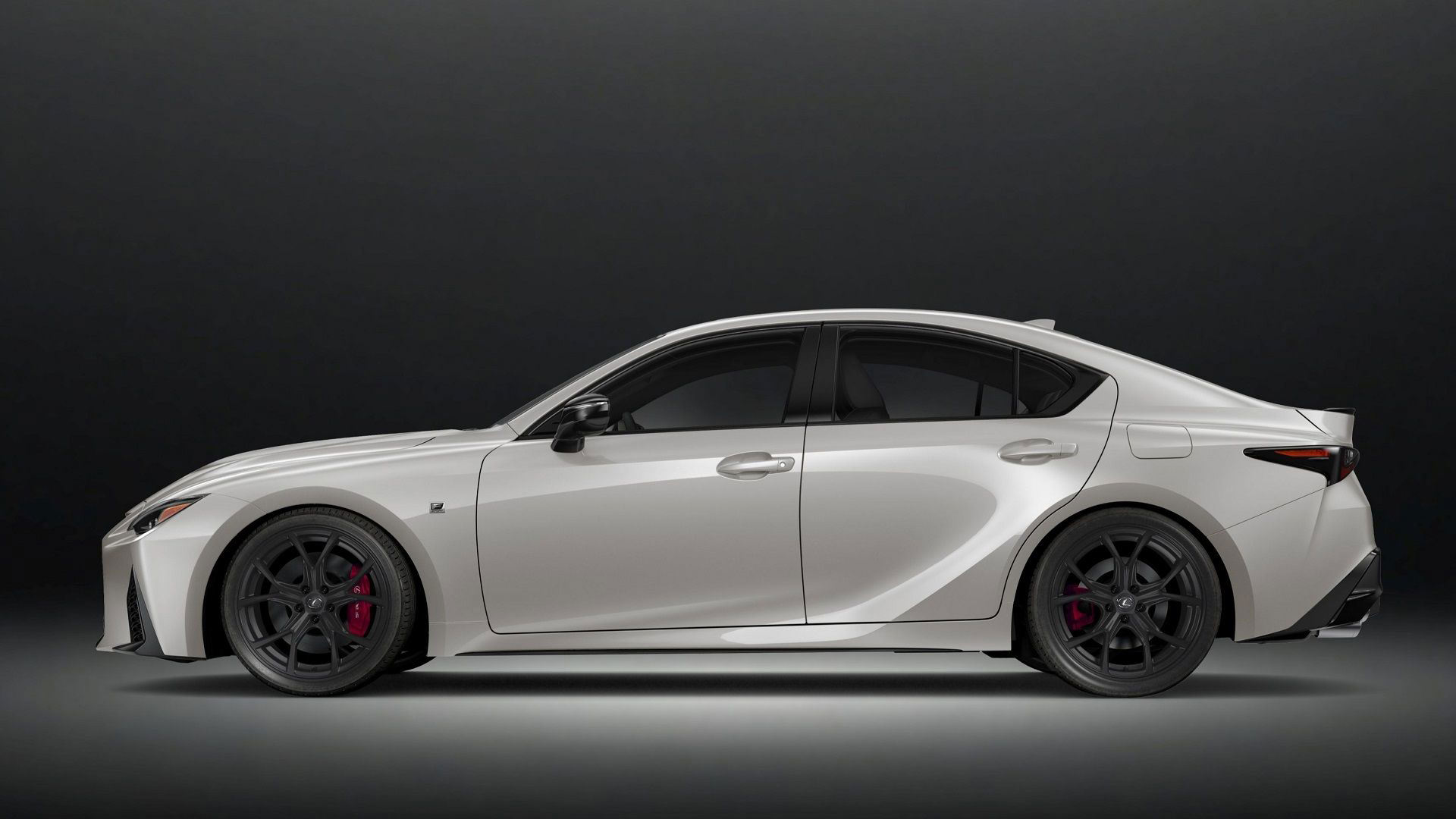
The Lexus IS has always lived in the space between the obvious and the addictive. It doesn’t shout for attention. It doesn’t chase trends with theatrical desperation. Instead, it turns up with a composed stance, a familiar cockpit rhythm, and—most importantly for the car’s current era—a naturally aspirated V6 heartbeat. In a market that increasingly treats forced induction like a badge of modernity, that design choice feels almost like a quiet manifesto. And yet, the question many drivers ask is surprisingly simple: Is the IS really worth caring about anymore?
The more interesting answer is less about specs and more about psychology. The common observation is that naturally aspirated engines are “slow to modernize.” The deeper reality is that they’re obsessed with fidelity. They prioritize immediacy, a kind of mechanical honesty that can make today’s electronically optimized sensations feel curiously rehearsed.
Why the Naturally Aspirated V6 Feels Like a Last Stand
Natural aspiration isn’t just a fuel-delivery arrangement; it’s a philosophy of response. Without a turbocharger’s lag management games, the throttle tends to feel synchronized with your intent. That connection is not merely emotional—it’s physical. The engine can build torque with linearity rather than staged pressure. The sound arrives with fewer processing layers, too. Even when the exhaust note isn’t aggressively theatrical, there’s a sense of unfiltered participation.
This is why the IS’s V6 becomes a point of fascination at a time when many competitors chase efficiency through boosted complexity. In the Lexus’ case, the drive is less about dramatic spikes and more about sustained persuasion. It rewards the patient driver. It also rewards the impatient driver who discovers that smoothness can still be quick.
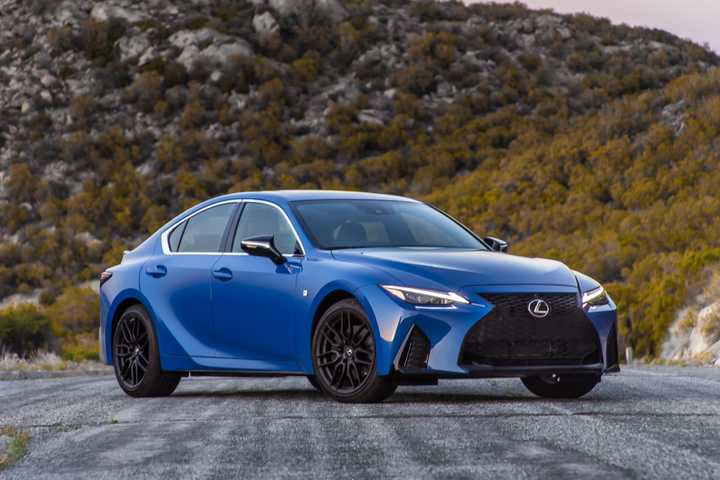
Performance That Doesn’t Need Theatricality
A lot of modern performance is calibrated to impress in short bursts. The result can be exhilarating, but it can also feel transient. The IS doesn’t lean on that approach. Its acceleration character is more like a steady handshake than a fireworks display. You get momentum that feels inevitable once the revs climb.
There’s also a confidence to how the car uses its power. The engine doesn’t demand constant coaxing to deliver. Instead, it offers a broad usable band—particularly on rolling roads where the temptation is to “just keep going.” That’s where naturally aspirated engines often shine: in the real-world tempo of merges, sweeping exits, and long stretches that don’t care about quarter-mile bragging rights.
And then there’s the sensation of orchestration. Lexus tends to avoid harshness for the sake of sport. The car may feel composed rather than frantic, but composition is not weakness. It’s control. It’s the kind of control that makes a sedan feel confident even when the road surface is less than cooperative.
Chassis Character: Calm Control Over Chaos
Even with a naturally aspirated V6, fascination is incomplete without chassis credibility. The Lexus IS typically presents its handling as a conversation rather than a command. It doesn’t encourage you to fight it. It invites you to flow through corners with measured inputs—steering that feels purposeful, suspension tuning that balances comfort with enough firmness to prevent the body from drifting into vagueness.
There’s a particular satisfaction when the car’s composure lines up with the engine’s honesty. Forced induction can make power feel like a switch. Here, power arrives like a wave you can surf. The result is a more tactile form of speed—less reliant on sudden surges, more reliant on rhythm.
In motion, the IS’s steering response tends to communicate traction limits in a readable way. The car may not attempt to be a track weapon disguised as a commuter. It prefers to be something more durable: a daily driver that stays interesting on the drive home.
Interior Atmosphere: Where Taste Beats Noise
Open the door and the IS doesn’t overwhelm you with gadgetry. It focuses on materials, ergonomics, and a cockpit layout that feels designed to reduce friction between intention and action. The aesthetic leans toward a restrained elegance. It’s the kind of cabin that ages with dignity rather than chasing novelty.
What makes the interior special in this specific “naturally aspirated last stand” era is how it supports the engine’s character. When the powertrain feels unfiltered, the cabin can’t compensate with artificial excitement. Lexus, in many ways, understands that contrast. The quiet confidence of the dash and the thoughtful placement of controls make the driving experience feel more coherent.
That coherence matters. It’s the difference between a car that merely performs and a car that participates.
Transmission and Throttle Logic: The Hidden Driver of Enjoyment
Many drivers talk about engine type, but the true satisfaction often lives in the calibration. How the transmission responds during downshifts. How the throttle mapping translates your right foot into torque. How quickly the car “agrees” with you when you ask for an overtake.
On a naturally aspirated setup, the throttle-to-response relationship can feel particularly intimate. Since there’s no boost spool timing to negotiate, the car can deliver torque in a way that feels less delayed. That lowers the mental effort of driving. The car becomes easier to modulate—an underrated advantage for daily life, not just spirited weekends.
It also changes your driving style. You find yourself staying longer in the rev range, trusting the engine rather than waiting for assistance from forced induction. The entire act becomes more deliberate. Sometimes the best performance is simply the kind that makes you want to drive more often.
Fuel Economy: The Trade-Off Nobody Can Fully Avoid
It’s fair to acknowledge the elephant in the garage: naturally aspirated engines often face tougher fuel-economy headlines compared to turbocharged rivals designed for maximum efficiency across standardized test cycles. That’s not a moral failure. It’s a reality of how energy conversion and pumping losses behave under different conditions.
But real-world economy is rarely a single number. Driving patterns, traffic density, and how aggressively you use the throttle all influence outcomes. The IS may not be the most frugal option in an absolute spreadsheet sense, but it can still deliver reasonable efficiency when driven with calm intent—particularly because the engine’s response doesn’t require constant high-rpm theatrics.
Consider this: the fascination with the naturally aspirated V6 isn’t only about how it sprints. It’s about how it makes commuting feel less like a chore and more like a ritual.
Reliability and Ownership: Confidence Is a Feature
Lexus has built a reputation on durability, and that reputation isn’t casual. A naturally aspirated engine, in many cases, can be simpler in its long-term architecture than a turbocharged system that depends on more components working in harmony under higher stress and heat. Simplicity isn’t automatically cheaper, but it can reduce complexity-driven anxiety.
Ownership comfort also comes from the car’s overall behavior. The IS typically feels well-resolved in day-to-day use: stable ride quality, predictable steering, and a cabin environment designed to minimize annoyance over time. In an era of disposable convenience, that matters.
If you’re looking for a vehicle that doesn’t just impress today but remains satisfying tomorrow, the IS’s approach is worth attention.
Why Drivers Still Fall for It
The deepest reason for fascination is not nostalgia. It’s something more practical: naturally aspirated engines can make driving feel less mediated. Modern powertrains increasingly involve layers—turbo controls, electronic guardians, and efficiency strategies. Those layers can be brilliant engineering. They can also introduce a sense that the car is performing rather than expressing.
When the IS responds with clarity and sincerity, it feels like the car is translating you accurately. The sound has texture. The acceleration has continuity. The steering and chassis composition help you stay present, not distracted by instrument-managed drama.
That’s why the IS becomes a “last stand” in people’s minds—not because it’s doomed, but because it’s rare. Rarity sharpens attention. It turns preference into devotion.
The IS Review in One Sentence
The Lexus IS with a naturally aspirated V6 isn’t chasing relevance through spectacle; it’s offering a coherent, tactile driving experience that makes you remember what direct mechanical communication feels like.
Final Thoughts: A Sedan With a Point of View
There will always be faster cars. There will always be more efficient cars. Yet the Lexus IS argues for something subtler: a kind of enthusiasm that doesn’t require permission from technology trends.
Its naturally aspirated V6 is more than an engine option. It’s an invitation to enjoy response, rhythm, and composure in a world that increasingly feels optimized to impress rather than to connect. If that connection is what you crave—if you want a sedan that feels alive in the way only naturally aspirated designs often can—then the IS’s last stand doesn’t sound like an ending.
It sounds like a promise.